
Imagine you are in the zone, crushing a high-priority work project or finally getting a moment of peace while the kids sleep, only to hear that high-pitched, agonizing motorized whine from your front door. A second later, the red light flashes, and your phone buzzes with another warning. If you are constantly struggling to Fix Schlage Smart Lock Jammed in Pine Wood Frame setups, you are not alone, and it is driving you crazy. It is a massive pain when your high-tech smart lock gets defeated by a piece of soft framing wood.
I remember when I first set up my own home automation system. I was so excited to go completely keyless. But because my front door frame was built from cheap builder-grade softwood, the lock would jam every single time the humidity crossed sixty percent. I spent hours cursing at my phone, thinking my premium smart lock was defective. That is when I realized my woodworking background was the key. I treated the door jamb with the same microscopic precision I used to align dental crowns, and it has not jammed once since.
As someone who spent 25 years working with wood and another two years in dental prosthetics where a fraction of a millimeter is the difference between comfort and pain, I look at door hardware a bit differently. Our team at skytc has tested dozens of these setups under real-world pressure. Let me tell you straight: your Schlage lock is likely completely fine, but your soft pine frame is playing mind games with your home automation.
Pine wood is notoriously soft, meaning it reacts aggressively to weather changes, swelling up during humid summers and shrinking in dry winters. When you mount a rigid, motorized lock into an unstable, shifting wood frame, a jam is inevitable. We are going to stop the temporary band-aid fixes and solve this alignment disaster permanently so you can actually enjoy the peace of mind your tech is supposed to provide.
In 30 Seconds:
The primary culprit is frame shifting. Soft pine wood swells and contracts with weather, throwing off the deadbolt alignment by millimeters. Because Schlage smart locks are highly sensitive to friction, even a tiny rub triggers a jam error to protect the motor. To fix this instantly, use the “lipstick trick” to find where the bolt rubs, chisel out the strike pocket to a full one-inch depth, and replace the short factory strike screws with three-inch wood screws to pull the pine frame back tight. Do not buy a new lock; fix the frame geometry.
Why Pine Wood is Your Smart Lock’s Silent Enemy
Let’s talk about wood. Pine is a softwood, which means its cellular structure is incredibly porous. This makes it highly susceptible to atmospheric moisture. When the humidity spikes, your door frame literally grows, shifting the strike plate just enough to block the path of your deadbolt.
A standard manual lock does not care about this. When you use a mechanical key, you naturally apply a little extra shoulder pressure to the door or twist the key a bit harder to bypass the friction. You do it without even thinking. But your Schlage smart lock does not have muscles. It relies on a small electric motor powered by AA batteries. When that motor encounters resistance, it stops to prevent burning itself out, resulting in that dreaded jammed status.
Even though softwood door frames are highly affordable and easy for homebuilders to install, their rapid seasonal expansion rate makes them the absolute worst pairing for any smart home deadbolt system.
The Battlefield Reality
Schlage smart locks boast incredibly durable outer housings, high-grade security cylinders, and premium motorized deadbolt mechanisms that feel like a vault door. However, this heavy-duty hardware is highly sensitive to any friction, meaning that even a minor structural shift will cause the internal sensors to trigger a jam alert and drain your batteries in a matter of days.
Many smart lock brands promise a “five-minute install” that works on any standard door. This is a complete marketing trap. They do not account for the reality of cheap, soft-pine frames that warp, split, or compress over time. If you install a high-end smart lock using the flimsy, short screws included in the box, the first time someone slams the door, that soft pine wood will compress, the strike plate will shift, and your premium lock will turn into an expensive paperweight. Look, steer clear of those cheap installation kits because they are a total trap.
The Sub-Millimeter Alignment Trap
During my time in dental prosthetics, I learned that a difference of a few microns can completely ruin a bite alignment. The same absolute precision applies to smart locks. If your deadbolt is off by just one millimeter, the motor has to fight the frame.
When a motor fights friction, it does two things: it eats battery power at an alarming rate and it wears down the gears. Many people assume they have a defective lock or weak batteries when, in reality, their strike plate is simply misaligned. With a pine door frame, this misalignment is guaranteed to happen at least twice a year as the seasons change unless you anchor and reinforce the frame properly.
The Day Dave Got Locked Out
Let me paint a picture of a mistake I see all the time. Let’s look at Dave. Dave is a busy remote worker who loves smart home automation. He installed his shiny new smart lock on his soft pine front door frame. Within a month, the lock started jamming occasionally due to summer humidity.
Instead of fixing the frame, Dave simply got into the habit of pulling the door handle hard toward himself whenever he locked or unlocked it. It worked, but it was annoying. One afternoon, Dave went out for a run, leaving his keys inside because “hey, I have a smart lock.”
While he was out, a sudden rainstorm hit, the pine frame swelled even more, and the auto-lock routine tried to force the deadbolt into the misaligned hole. The small internal motor strained, stripped its gears, and died completely. Dave came back soaked, only to find his smart lock totally unresponsive and jammed tight. He had to call an expensive emergency locksmith and replace the entire unit. Do not be like Dave. Fix the alignment, not your habits.
How to Fix Schlage Smart Lock Jammed in Pine Wood Frame
If your lock is throwing fit after fit, follow this highly practical, tested procedure to resolve the issue forever.
Step 1: Diagnose the Exact Friction Point
You cannot fix a rub if you do not know where it is rubbing. Take some lipstick, chalk, or a dry-erase marker and coat the end of your Schlage deadbolt. Close the door fully and try to lock it. The deadbolt will bump against the strike plate and leave a colorful mark exactly where the physical interference is happening.
Step 2: Reinforce the Pine Frame
Soft pine wood bends easily. Remove the strike plate and throw away those tiny half-inch screws that came in the packaging. Grab two heavy-duty three-inch wood screws. Drive these long screws through the strike plate holes all the way into the structural wall studs behind the door frame. This pulls the soft pine frame outward, widening the gap and securing the plate so it can never shift again.
Step 3: Deepen the Deadbolt Pocket
Your Schlage deadbolt needs to extend fully to register as “locked.” If the hole behind the strike plate is too shallow, the bolt will hit the back of the pocket, and the lock will report a jam. Take a sharp wood chisel and deepen the hole to at least one full inch. Clean out all wood shavings and debris.
Step 4: Adjust the Strike Plate Lip
If the bolt is rubbing against the outer edge of the strike plate, you may need to file down the inner edge of the plate slightly with a metal file, or shift the plate position. Because pine is soft, you can easily plug the old screw holes with wooden toothpicks and wood glue, let it dry, and drill fresh pilot holes a millimeter or two over to reposition the plate perfectly.
Comparing Wood and Frame Types
Let’s look at how different door frame materials handle smart lock installations.
| Frame Material | Seasonal Expansion Rate | Screw Holding Strength | Jam Risk | Recommended Fix |
|---|---|---|---|---|
| Soft Pine | High | Low | Extreme | Use 3-inch structural screws and chisel a deeper pocket |
| Oak / Hardwood | Low to Medium | High | Low to Medium | Precise pilot drilling and light sanding |
| Metal / Steel | None | Very High | Low (unless misaligned) | Adjust the dust box or adjust door hinges |
| MDF / Composite | Medium | Extremely Low | High | Reinforce with wood glue and long structural screws |
Even though smart locks are incredibly convenient for hands-free entry, their reliance on sensitive digital sensors means that even a minor structural shift in your home’s foundation will completely disable your security system.
Actionable Checklist for Smart Lock Alignment
Follow this checklist step-by-step to ensure your deadbolt functions smoothly through every season.
- Fix Schlage Smart Lock Jammed in Pine Wood Frame setups by first verifying that the door aligns perfectly when closed manually; however, if you have to lift or pull the handle to lock it, your hinges are sagging and must be tightened before adjusting the strike plate.
- Tighten the top hinge screws on your door frame using three-inch screws to pull the door back up; however, over-tightening can pull the door too far and cause binding on the opposite side.
- Apply the lipstick or dry-erase marker test to identify the exact friction points; however, remember to wipe off the marker immediately after testing so it does not permanently stain your paint.
- Replace all short strike plate screws with long, heavy-duty structural wood screws; however, driving them in too fast with an impact driver can crack the soft pine wood unless you drill pilot holes first.
- Chisel the deadbolt pocket in the frame to a minimum depth of one full inch; however, make sure not to chisel too deep into the wall cavity or you might compromise the insulation.
- File down the inner edge of the strike plate if the friction is minor; however, removing too much metal can weaken the plate and compromise your home’s physical security.
- Check that the weatherstripping is not pushing the door out of alignment; however, removing the weatherstripping entirely will let drafts and pests into your home.
- Re-calibrate the lock’s automatic handing feature after making physical adjustments; however, calibration will fail repeatedly if there is still physical resistance during the bolt cycle.
- Use high-quality lithium batteries instead of cheap alkaline ones; however, even the best batteries will drain within weeks if the motor is constantly fighting frame friction.
- Clear out any accumulated dust, wood shavings, or outdoor debris from the strike pocket; however, avoid using wet lubes like WD-40 inside the lock cylinder as they attract dirt over time.
👇 Looking for more performance cheats? Check out our field-tested tactical blueprints:
Essential DIY Troubleshooting Guides
How to Fix Smart Lock Jammed Wooden Door Jamb Error
Stop your deadbolt motor from straining when wooden frames shift with climate changes.
How to Hide Smart TV Wires Inside Wood Wall Panels
Learn clean woodworking methods to route, mask, and clean up complex home theater clutter.
How to Fix Smart Home Device Unresponsive Wi-Fi Bug
Fix network drops, device timeouts, and broken automation routines inside your home local system.
Frequently Asked Questions About Smart Lock Jamming
Why does my Schlage lock only jam during specific times of the year?
Your soft pine wood door frame expands when humidity is high and shrinks when the air is dry. This shifting changes the physical alignment of your strike plate relative to the deadbolt, causing seasonal jams. When the summer air gets thick, the wood swells and narrows the strike plate opening, choking the bolt. When winter arrives, the wood contracts, pulling the strike plate away. It is a constant game of tug-of-war.
Can I just use WD-40 to fix a jammed smart lock?
No, absolutely do not do that. WD-40 is a dirt magnet. It leaves a wet, sticky residue that attracts dust, lint, and wood shavings, which will gum up the highly sensitive internal gears of your smart lock over time. If you absolutely need lubrication, use a dry graphite spray or a specialized dry Teflon lubricant. But remember: lube will only treat the symptoms; it will never fix a physically misaligned strike plate.
Why are my smart lock batteries dying every three weeks?
Your motor is working overtime. If the deadbolt rubs against the pine frame even slightly, the motor has to pull massive amounts of current to force the bolt closed. Instead of a smooth, effortless glide, it is a constant, grinding struggle that drains high-capacity lithium batteries in weeks instead of months. Fix the physical alignment, and your batteries will easily last for a long, stress-free time.
Do I need to buy a new strike plate for my pine door frame?
Usually, no. Your current strike plate is completely fine, but it is likely held in place by weak, short screws that came with the bargain-bin accessories. Replacing those with heavy-duty, three-inch screws to anchor the plate deep into the structural framing studs behind the soft pine jamb is all you need to do to pull the plate back into alignment.
What happens if I keep ignoring the jam error and just push the door?
You will eventually strip the internal plastic gears of your Schlage lock or burn out the motorized drive mechanism. Smart locks have safety features, but they are not designed to endure constant mechanical abuse. Pushing the door is a temporary workaround that turns a simple ten-minute alignment fix into a complete lock replacement, which is a total waste of money.
Is pine really that bad for smart lock installations?
Pine is fine if it is properly secured, but it is notoriously soft and shifts easily. Because it lacks the density of hardwoods like oak or maple, it compresses under the slightest pressure. If you do not use long screws to secure the strike plate directly to the structural jack studs behind the pine frame, the plate will shift every time the door is slammed.
Can sagging door hinges cause a smart lock to jam?
Absolutely. If your door hinges are loose, the entire weight of the door sags downward and outward. This minor sag misaligns the deadbolt with the strike plate pocket. Always check and tighten your door hinges using long structural screws before you start chiseling away at your strike plate pocket.
Should I turn off the auto-lock feature if my lock keeps jamming?
Yes, you should disable auto-lock temporarily until you fix the mechanical alignment. If the lock tries to force itself shut while you are away and encounters constant frame resistance, it will repeatedly cycle, throw error codes, drain the battery, and potentially leave your home unlocked and vulnerable.
Real World Experience. Engineering Precision.
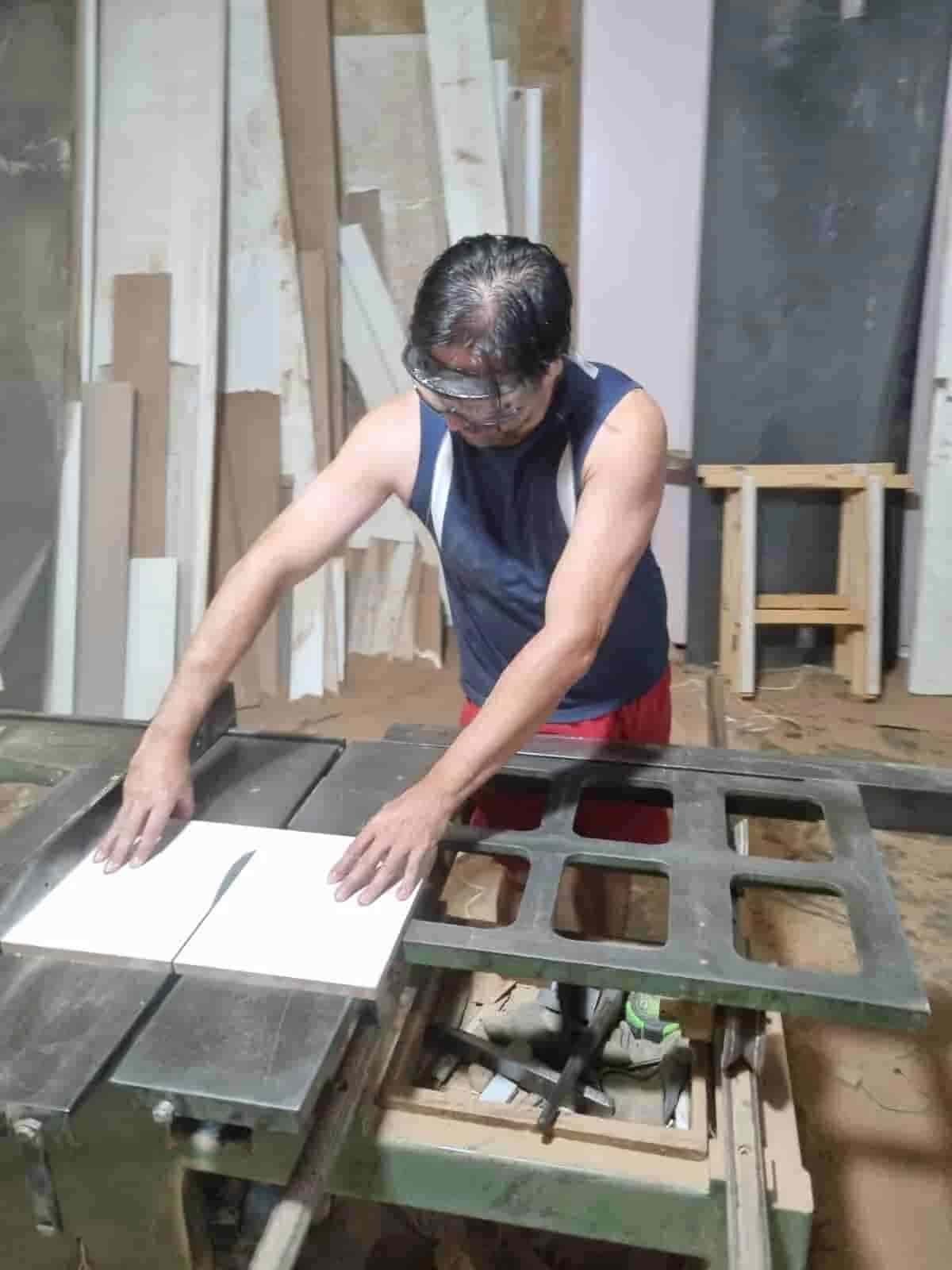
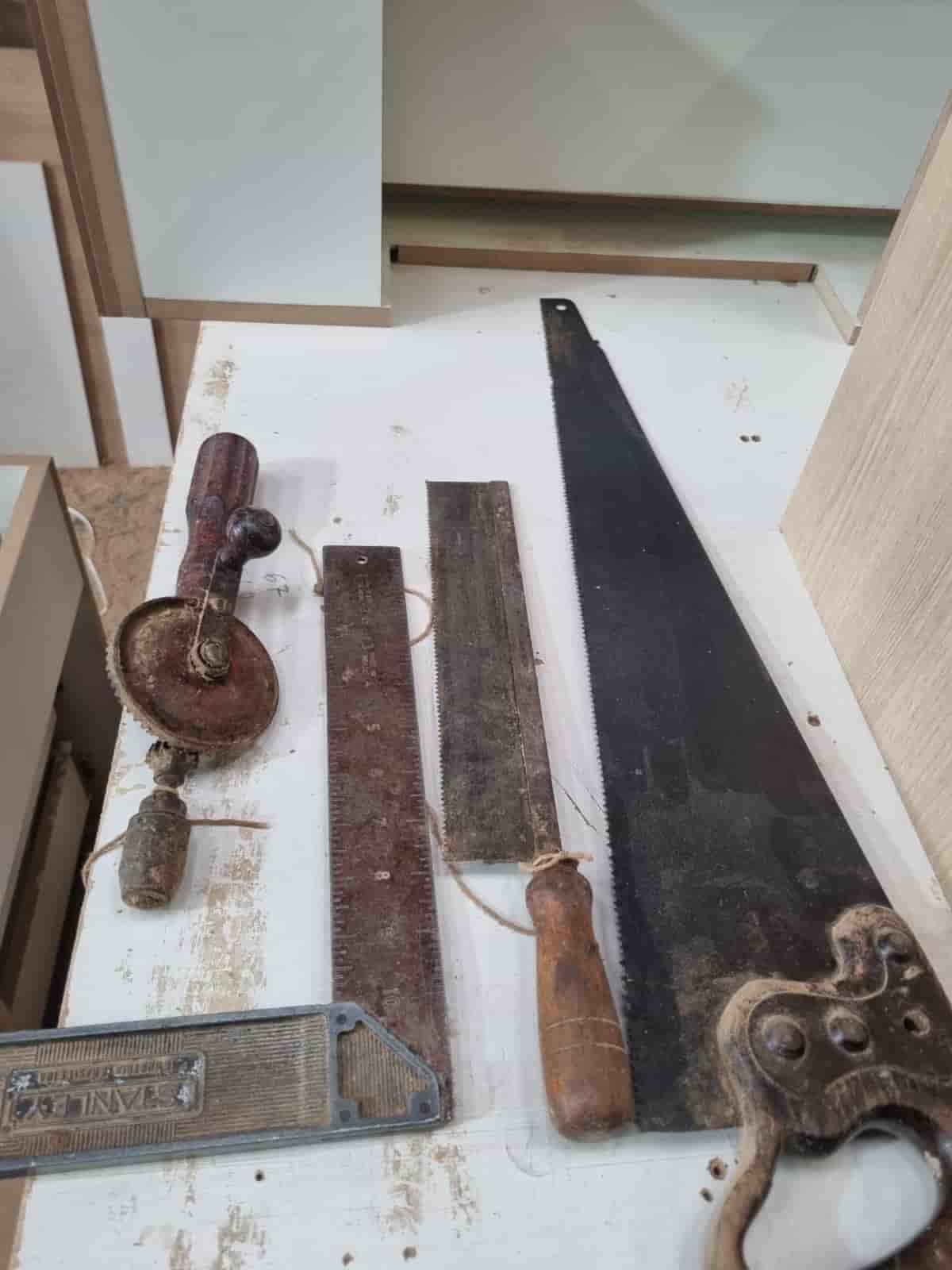
At SkyTC, technology is never just theoretical—it is driven by practical execution, structural integrity, and strict diagnostic standards. Founded by Valtersky, a tech speaker and seasoned professional, every single guide published here is backed by an authentic multidisciplinary background that bridges the gap between hardware structures and advanced software ecosystems.
Generational Craftsmanship
With 25 years of professional woodworking experience inherited through generations, he masterfully handles smart home mounting, wire routing, and physical hardware adjustments.
Medical Diagnostic Standards
An active career as a licensed X-ray technologist and dental prosthetics practitioner injects rigorous clinical precision, micro-detailed testing, and data integrity into tech evaluations.
Endurance Field Testing
As a competitive mountain ultramarathon runner, he takes every consumer wearable, smart sensor, and GPS watch out into extreme raw environments to test real-world durability boundaries.
✨ Read also: (How to Fix Smart Lock Jammed Wooden Door Jamb Error )
Content that perfectly complements this post—definitely worth the read.