
You have spent weeks picking out the perfect piece of hardwood for your fireplace, treating it with fine oils, and mounting it as the stunning focal point of your living room. Then, you place your smart speaker on top, plug it in, and your heart sinks. A thick, ugly, dangling power cable hangs down the front of your beautiful stone or brickwork, completely ruining the clean aesthetic. You are left staring at it, desperately trying to figure out how to conceal HomePod cords in timber mantels without making your fireplace look like a messy construction zone.
As a guy who spent twenty-five years shaping raw hardwood and two years working with dental prosthetics where a single micrometer of misalignment means the whole piece gets thrown in the bin, believe me, wood is a living thing. When you put a heat-generating smart speaker on it over a roaring fireplace, you have to be smart about how you route those cables. My team at skytc has stress-tested dozens of mounting setups to find the actual good solutions, saving you from throwing your hard-earned money down the drain on ugly hacks.
Investing a little bit of planning into hiding these cables today will give you years of absolute visual peace of mind every time you sit down to relax by the fire. You will get a seamless, clean wall setup that makes your smart home look like a high-end designer showroom rather than a chaotic web of wires.
In 30 Seconds: The Quick Verdict
Look, don’t go hacking up your gorgeous wood with a dull drill bit. If your timber mantel is a hollow-core box, drill a small hole directly behind the speaker and fish the cord down through the inside of the cavity to a recessed outlet.
If your mantel is a solid slab of timber, use a router to carve a shallow, hidden channel along the back edge of the wood where it meets the drywall, keeping it completely flush. Secure the cord with heat-resistant materials, avoid hot chimney brick zones, and ditch those cheap plastic stick-on clips that melt the moment you turn on the fireplace. It is a simple weekend project—do it right the first time.
The Core Struggle of Smart Hardware on Fireplace Wood
The biggest issue with modern smart audio devices is that their power cables are usually thick, heavily insulated, and permanently attached to the housing. This makes routing them through tight wooden spaces a massive pain in the neck.
Even though smart speakers are incredibly compact and pack amazing sound, their thick, non-detachable fabric cords are an absolute eyesore when draped over rustic timber. When you try to place them on top of a fireplace setup, you are fighting both aesthetics and intense heat currents rising from the firebox below.
In my dental prosthetics days, I had to ensure that every crown matched the patient’s bite perfectly, down to the last micron, otherwise, the constant pressure would break the tooth. Wood behaves similarly under thermal stress. If you drill massive, uncalculated holes in a solid beam of oak or walnut, you weaken its structural integrity, causing it to split or sag under the weight of your home decor.
The Battlefield Reality
Hollow box-beam mantels offer a brilliant, lightweight way to achieve a rustic solid-wood look while leaving a massive cavity for hiding excess cables; however, their thin engineered-wood walls are highly prone to warping or peeling their wood-grain veneers if exposed to high heat from a modern fireplace insert.
Let’s talk raw truth here: the smart home market is flooded with cheap, bargain-bin plastic cord hiders and double-sided adhesive clips that promise a quick, drill-free installation. In the real world, these options are a complete trap.
The moment you light your fireplace, the rising heat cooks those cheap adhesives, turning them into a gooey, sliding mess that drops your heavy power cords right onto the hot hearth. You do not want a sticky, black residue ruining your premium stone wall. If you want a setup that lasts more than a few weeks, you have to use permanent, heat-resistant mechanical fastening methods rather than relying on weak plastic stickers.
Common Mistakes: The Melting Tape Trap
Let’s humanize this with a classic scenario we see all the time. Imagine our friend Bruno from São Paulo. Bruno is a proud minimalist who spent a massive chunk of his budget on a gorgeous, rustic cedar mantel piece. He buys a high-end smart speaker, places it right in the center, and notices the cord dangling down like an ugly black vine.
To fix it quickly, Bruno grabs some heavy-duty mounting tape and sticks the power cord flat against the brickwork directly above his fireplace insert. He steps back, smiles, and thinks he has solved the problem in five minutes without spending a dime.
That weekend, Bruno throws a family gathering and turns on the fireplace for a cozy vibe. Within an hour, the intense heat radiating off the brick completely melts the mounting tape’s adhesive. The cord sags, slips down, and falls directly onto the hot metal frame of the fireplace insert. The outer fabric sleeve of the power cord melts instantly, triggering a loud pop, a short circuit, and a living room plunged into pitch darkness. Bruno’s quick fix ended up costing him a ruined smart speaker and a very stressful evening in front of his guests.
Smart Ways to Conceal HomePod Cords in Timber Mantels
To avoid Bruno’s disaster, you need to use proven woodworking and cable routing methods. Here are the three best ways to tackle this project based on your mantel type.
Method 1: The Hollow-Core Box Beam Run
If your mantel is a hollow box-beam mounted on a wooden cleat, you have the easiest path to a clean setup.
- Wooden box-beams provide a spacious internal cavity that is absolutely perfect for hiding long power cords and power bricks; however, you must ensure that this cavity does not trap excess heat from your fireplace, which can cook your smart device’s power adapter.
- Drilling a small pass-through hole directly behind your speaker allows the cord to disappear into the wood instantly; however, you need to line the raw wooden edges of the hole with a rubber grommet to prevent the sharp wood fibers from fraying the cord over time.
Method 2: The Rear routed Channel for Solid Timber
If you are dealing with a solid, heavy slab of timber, you cannot easily run wires inside it. Instead, you need to carve a path along the back.
- Routing a shallow vertical channel on the back face of the solid timber keeps the cable completely flush with the wall; however, this method requires you to temporarily take down the heavy mantel, which is a two-person job that can damage your drywall if you are not careful.
- Running a router with a straight bit along the back edge of the wood creates a custom groove for the cable; however, you must make the groove deep enough so the wire doesn’t get pinched and crushed against the wall when you reinstall the heavy timber.
Method 3: The Drywall Pass-Through
If your fireplace wall is standard drywall rather than solid brick, you can run the cable directly inside the wall cavity.
- In-wall cable routing kits let you feed the power cord through a clean, rubber-ringed port and pull it out near a floor-level outlet; however, building codes in many areas strictly prohibit running standard flexible power cords inside a wall unless they are rated for in-wall use.
- Low-voltage brush plates provide a highly professional, recessed finish on your drywall; however, they require you to cut precise holes in your plasterboard, which can be incredibly nerve-wracking for beginner DIYers.
Comparing Mantel Cord Routing Options
Choosing the right approach depends heavily on your skill level and your fireplace construction. Let us compare the most common methods to help you decide.
| Routing Method | Visual Cleanliness | Install Difficulty | Timber Structural Risk | Best For |
|---|---|---|---|---|
| Cavity Routing | Flawless | Moderate | Very Low | Hollow box-beam mantels |
| Rear Channel Groove | Completely Hidden | High | Low | Solid wood slabs |
| Drywall Pass-Through | Clean | High | None | Drywall or shiplap walls |
| Surface Runners | Noticeable | Easy | None | Rental properties |
- Cavity routing inside hollow-core beams hides your wires with zero external clutter; however, it requires a hollow-core mantel construction which might not fit the ultra-heavy rustic look you want.
- Rear channel grooving keeps the front of your solid timber slab completely untouched; however, you must own a woodworking router and know how to operate it safely without splintering your premium wood.
- Drywall pass-throughs eliminate the need to modify your expensive timber piece at all; however, they are virtually impossible to execute if your fireplace is backed by a solid brick or concrete chimney column.
- Surface-mounted wire covers offer a quick, low-effort installation that does not damage your walls; however, their plastic profiles are highly visible and can look incredibly cheap against premium natural materials.
The Ultimate Mantel Cord Concealment Checklist
Ready to clean up your fireplace setup? Use this practical checklist to get a professional, fire-safe result.
- Learn how to conceal HomePod cords in timber mantels by first checking if your mantel is hollow or solid before buying any tools; however, assuming the wood type without tapping it can lead to buying the wrong drill bits.
- Drill your cable pass-through holes at a slight downward angle to prevent dust and spilled liquids from pooling inside the wood cavity; however, drilling at an angle makes it slightly harder to fish the thick power plug through the opening.
- Use high-temperature silicone rubber grommets to line your drilled holes to shield the cord from sharp wood splinters; however, finding the exact matching color for your stained timber can be quite difficult.
- Secure the power cord inside the rear groove using fire-resistant metal staples rather than cheap plastic clips; however, you must drive the staples in gently to avoid piercing the wire’s protective rubber insulation.
- Leave a small loop of slack on the power cord right behind the speaker to prevent tension on the device’s port; however, too much slack will cause the wire to peek out from behind the speaker’s base.
- Position your smart speaker away from the direct vertical path of the fireplace’s rising heat plume to protect its delicate internal speakers; however, placing it too far to the side can ruin the balanced stereo imaging in your room.
- Use a recessed wall outlet hidden directly behind the mantel to plug in your devices without any visible wall warts; however, installing a new recessed outlet requires hiring a certified electrician if you are not comfortable handling home wiring.
- Apply a heat-resistant sealant to any wall pass-through holes to block smoke or drafts from entering the wall cavity; however, these sealants can be incredibly messy to clean up if you accidentally smear them on your finished timber.
- Avoid wrapping excess power cord around hot fireplace mounting brackets or metal supports to prevent the insulation from melting; however, you must still find a secure way to bundle the extra wire length out of sight.
- Choose a smart speaker stand with a built-in cable management groove to route the wire cleanly down to the wood surface; however, these stands often raise the speaker’s height, which might throw off your minimalist design.
- Wrap your power cable in a braided heat-resistant sleeve to provide an extra layer of physical and thermal protection; however, these sleeves add thickness to the wire, requiring you to carve a wider channel in your timber.
- Test the entire setup for several hours with the fireplace running while monitoring the cable temperature to ensure everything stays cool; however, you must be ready to shut down the fire immediately if you smell warm rubber or plastic.
👇 Looking for more performance cheats? Check out our field-tested tactical blueprints:
Essential DIY Troubleshooting Guides
How to Fix Smart Lock Jammed Wooden Door Jamb Error
Stop your deadbolt motor from straining when wooden frames shift with climate changes.
How to Hide Smart TV Wires Inside Wood Wall Panels
Learn clean woodworking methods to route, mask, and clean up complex home theater clutter.
How to Fix Smart Home Device Unresponsive Wi-Fi Bug
Fix network drops, device timeouts, and broken automation routines inside your home local system.
FAQ
Is it safe to run a smart speaker power cord near a fireplace?
Yes, but only if you keep the cable shielded from direct heat and flame exposure. Never let a power cord touch the metal frame of a fireplace insert, and always use heat-resistant routing channels or metal clips rather than cheap plastic adhesives that melt.
Can I run a standard HomePod cord inside my drywall?
No, standard flexible power cords are not rated for in-wall use because their rubber jackets can catch fire easily if there is a short. Use an approved in-wall routing kit that uses a shielded, code-compliant extension cable inside the wall cavity.
How do I check if my timber mantel is solid or hollow?
Give the wood a firm tap with your knuckles. If it makes a deep, hollow, echoing sound, you are dealing with a box-beam built around a mounting cleat. If it makes a solid, dull thud, you have a heavy, solid piece of milled timber.
Will drilling a cord hole ruin the value of my solid wood mantel?
Not if you do it professionally. A single, clean, grommeted hole directly behind where your speaker sits looks like an intentional design feature rather than damage. However, avoid drilling multiple messy holes, as that will ruin the timber’s integrity.
What is the best tool for carving a wire groove in a solid timber mantel?
A hand router equipped with a straight-cutting or core-box router bit is the absolute best tool. It carves a perfectly straight, smooth-bottomed channel that holds the cord flat. Never try to hog out a channel using a hand chisel unless you are highly skilled.
How can I hide the big power plug block on my mantel?
The smartest trick is to install a recessed outlet box directly behind your mantel. This allows the bulky power adapter to sit completely flush inside the wall surface, letting you push your timber mantel or decor pieces tight against the drywall.
Can I paint the power cord to match my fireplace brick?
No, do not paint flexible power cords because standard latex or acrylic paints will crack and peel as the cord flexes. If you must match the color, use a fabric cord sleeve or choose a smart speaker model that comes with a matching cable.
Will the heat from my fireplace damage my HomePod over time?
Yes, if the surface of your mantel gets too hot to hold your hand against comfortably, it is too hot for your smart speaker. Always check your mantel’s temperature after running a fire for an hour before permanently placing expensive electronics there.
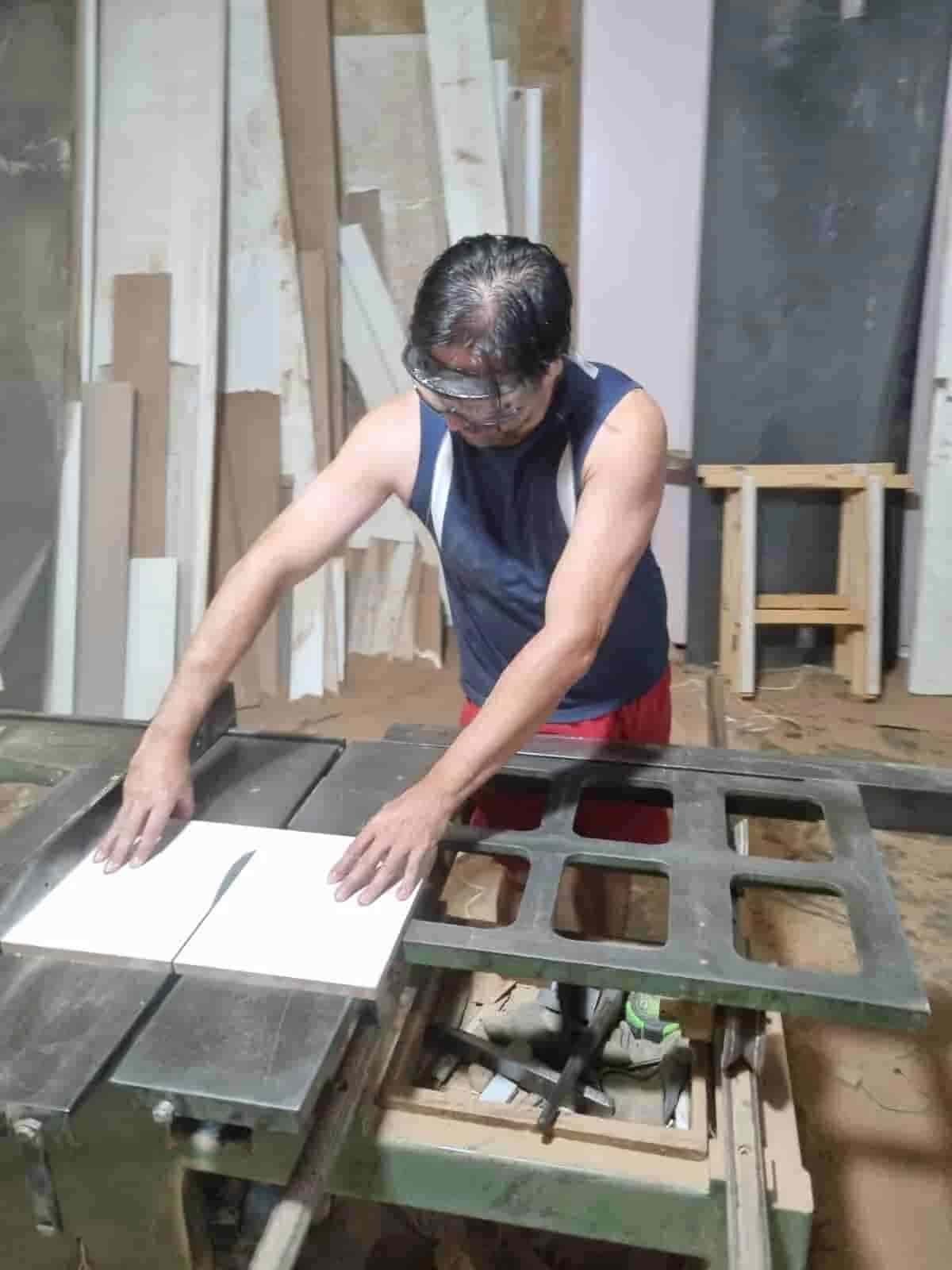
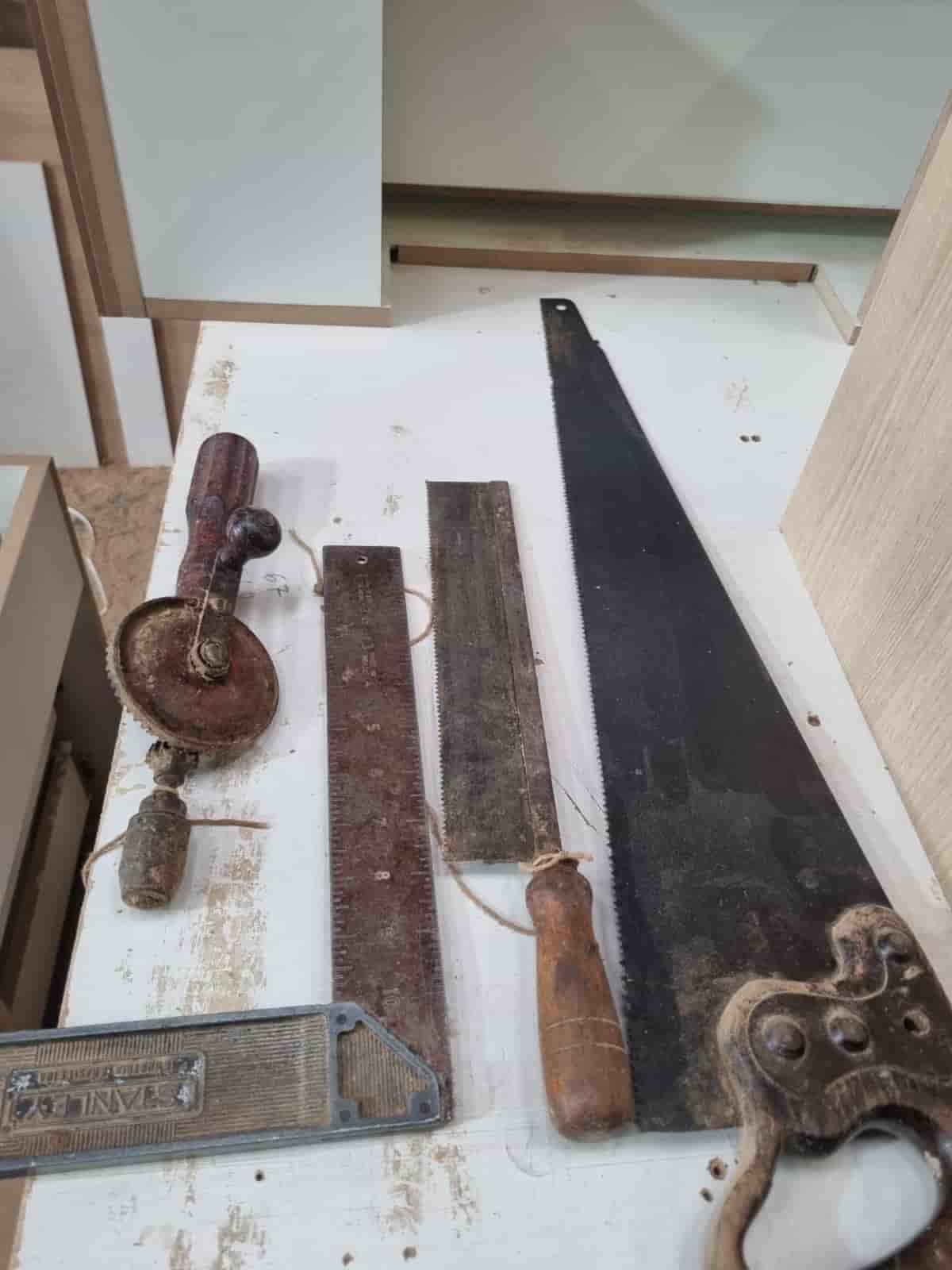
Real World Experience. Engineering Precision.
At SkyTC, technology is never just theoretical—it is driven by practical execution, structural integrity, and strict diagnostic standards. Founded by Valtersky, a tech speaker and seasoned professional, every single guide published here is backed by an authentic multidisciplinary background that bridges the gap between hardware structures and advanced software ecosystems.
Generational Craftsmanship
With 25 years of professional woodworking experience inherited through generations, he masterfully handles smart home mounting, wire routing, and physical hardware adjustments.
Medical Diagnostic Standards
An active career as a licensed X-ray technologist and dental prosthetics practitioner injects rigorous clinical precision, micro-detailed testing, and data integrity into tech evaluations.
Endurance Field Testing
As a competitive mountain ultramarathon runner, he takes every consumer wearable, smart sensor, and GPS watch out into extreme raw environments to test real-world durability boundaries.
✨ Read also: Hide Smart Thermostat Wires Behind Shiplap Walls
Content that perfectly complements this post—definitely worth the read.