
If you have ever stared into your tank only to watch your usually greedy aquatic puppy completely ignore a floating pellet, a cold wave of panic is completely normal. It is heartbreaking to see them listless at the bottom or swimming right past their food, which is why finding an immediate goldfish loss of appetite fix becomes your absolute highest priority. As someone who has spent eight years keeping these beautiful, messy creatures, I know how fast a minor water issue can turn into a desperate situation.
Between my hours spent as a professional seamstress stitching intricate patterns and training for long-distance trail runs, my 100-gallon (400-liter) aquarium is my ultimate sanctuary. But even with a tank of that scale, I still remember the sheer dread I felt during my early years when my favorite Oranda suddenly stopped eating. We want our fish to thrive, and seeing them reject food is a clear SOS signal that we need to decode before it is too late.
We are going to skip the generic, useless advice you find in typical pet store brochures and dive straight into the dirty details of water chemistry, internal biological blockages, and temperature swings. By the end of this guide, you will have a clear, step-by-step roadmap to get your fish begging for food at the glass once again.
In 30 Seconds: The Quick Verdict
Look, if your goldfish isn’t eating, ninety percent of the time you are dealing with one of three culprits: toxic water, an internal gut blockage, or a sudden temperature drop.
Stop dumping medication into the tank right now—you are only making the water more toxic and stressing their kidneys.
First, grab your liquid test kit (not those garbage paper strips) and check your ammonia and nitrites; if they are above zero, do a 50% water change immediately.
Second, if the water is pristine, check the water temperature because a cold tank slows their metabolism to an absolute crawl, making them ignore food completely.
Third, if they are bloated or floating weirdly, they are constipated from cheap dry flakes; swap the pellets for deshelled, boiled green peas to clear their system.
Understanding the Root Causes: Your Goldfish Loss of Appetite Fix
When a goldfish stops eating, it is not being picky or throwing a temper tantrum. It is reacting to physical discomfort or environmental stress. Goldfish are natural foragers; they are designed to constantly sift through substrate looking for a bite to eat. If that drive shuts down, their biological systems are actively struggling.
Water Chemistry: The Invisible Chokehold
The absolute most common trigger for a sudden loss of appetite is poor water quality. Ammonia and nitrite are highly toxic waste products that build up when your tank’s biological filter is overwhelmed or uncycled. When ammonia levels rise even slightly above zero parts per million (ppm), it actively burns your fish’s gills and organs.
Imagine trying to eat a hearty meal while breathing in toxic, burning smoke. Your fish feels the exact same way when swimming in ammonia-laden water. The stress of dealing with these chemical burns completely shuts down their appetite. Nitrates, while less toxic, can also cause long-term lethargy and loss of interest in food once they creep above forty ppm.
Maintaining my 100-gallon (400-liter) tank takes discipline, much like training for a grueling long-distance trail run. If I skip my weekly water changes or ignore water chemistry levels, the biological balance collapses, and my fish pay the price. You cannot outrun bad water quality, and neither can your fish.
Digestive Blockages: The Flake Food Trap
Another massive culprit is severe constipation. Unlike humans, goldfish do not have a true stomach. Instead, they have a long, continuous digestive tract that processes food slowly. Cheap dry flake foods or low-quality floating pellets are notorious for swelling up inside their intestinal tract once they absorb water.
When I am sitting at my sewing machine, working with delicate silk thread, I know that if I don’t set the tension perfectly, the thread bunches up and ruins the entire seam. A goldfish’s digestive tract is similarly delicate. If you feed them dry, air-filled food, it swells and bunches up their internal system. This results in severe constipation, gas buildup, and a complete loss of appetite.
Temperature Fluctuations and Metabolic Shutdown
Goldfish are cold-blooded creatures, meaning their internal body temperature is entirely dictated by the water around them. Their metabolic rate, digestive enzyme production, and activity levels are tied directly to the temperature. If the temperature drops suddenly—perhaps due to a drafty room or a failing heater—their digestive system slows to an absolute crawl.
If you feed a goldfish in cold water (below fifty-five degrees Fahrenheit), the food can actually sit in their gut without being digested, leading to bacterial rot and severe internal infections. When they feel their system slowing down, their natural instinct is to stop eating entirely to protect themselves.
The Reality of the Battlefield
In the aquarium hobby, we are constantly bombarded with sleek marketing and “miracle” products that promise to solve all our problems with zero effort. But if you want to keep your fish alive and healthy, you need to know which products actually deliver and which ones are absolute traps.
Let’s talk about those popular hang-on-back filters with disposable slide-in cartridges. Although they are highly praised for being incredibly convenient and lightweight, the hard reality flaw is that the manufacturer expects you to throw the cartridge away every month. Doing this literally throws your beneficial nitrifying bacteria into the trash, crashing your nitrogen cycle and causing massive ammonia spikes that trigger a severe hunger strike.
Then we have digital submersible heaters. Many premium models boast pinpoint temperature accuracy to keep your tank stable. However, the internal relays in budget-friendly brands are notorious for wearing out quickly. When they fail, they almost always fail in the “on” position, cooking your water or dropping the temperature overnight, shocking your fish’s digestive tract.
Finally, consider plastic decorative plants. They look vibrant and promise zero maintenance compared to live plants. But in real-world practice, their sharp, molded plastic edges easily tear the delicate slime coat and fins of fancy goldfish. This physical damage causes massive stress, opening the door for opportunistic bacterial infections that ruin their appetite.
How to Treat a Constipated or Stressed Goldfish
If you have confirmed your water quality is perfect and the temperature is stable, but your fish is still bloated and ignoring food, it is time for active intervention.
| Rescue Solution | Main Benefit | The Catch (Negative Point) | Target Issue |
|---|---|---|---|
| Boiled Green Peas | High fiber, clears blockages instantly | Messes up the water if left to rot | Constipation & Bloat |
| Sinking Pellets | High nutrition, prevents air gulping | Can still cause bloating if not pre-soaked | Nutritional Deficiencies |
| Frozen Brine Shrimp | Highly enticing scent, pure protein | Expensive and spoils rapidly if uneaten | Stubborn Hunger Strikes |
| Garlic Juice Soak | Powerful natural appetite stimulant | Makes your living room smell like a kitchen | Sensory Disinterest |
The Garlic and Green Pea Trick
If constipation is the issue, the best remedy is the classic green pea trick. Take a frozen green pea, microwave it in a cup of water for thirty seconds, peel off the tough outer skin, and chop the soft inner part into bite-sized pieces. If your fish is refusing to eat, you can soak the pea in organic garlic juice.
Garlic is a powerful, natural appetite stimulant for fish. The strong scent triggers their olfactory senses, making even the most stubborn, listless fish take a bite. Once they eat the pea, the high fiber content acts as a natural laxative, clearing out the blockage and restoring their appetite within twenty-four hours.
The Epsom Salt Bath
For severe bloating where the fish is struggling to swim straight or floating upside down, an Epsom salt bath is highly effective. Pure Epsom salt (magnesium sulfate) acts as a muscle relaxant and laxative. It helps relieve fluid retention and relaxes the digestive tract so the blockage can pass.
Dissolve one tablespoon of Epsom salt per five gallons of aquarium water in a separate clean bucket filled with tank water. Place your sick goldfish in this bath for fifteen to twenty minutes, keeping a close eye on them. If they show signs of severe stress, return them to the main tank immediately. Otherwise, this bath can be repeated daily until they pass the blockage.
Common Mistakes to Avoid
When we see our pets suffering, our instinct is to do everything we can to fix it immediately. However, knee-jerk panic reactions often do far more harm than good.
The Medicine Cabinet Dump
Picture this common scenario: You walk up to your tank, and your favorite Oranda is sitting in the corner, ignoring food. In a panic, you rush to the store, buy three different types of “all-in-one” medications, and dump them all into the tank. You also throw in extra flakes, hoping to tempt them to eat.
Within twelve hours, the uneaten flakes begin to rot, releasing toxic ammonia. The heavy medications kill off your beneficial filter bacteria, completely crashing your biological filter. Now, your fish is not only dealing with its original issue, but it is also swimming in toxic chemical water with zero oxygen. This well-intentioned panic-reaction is one of the quickest ways to lose a fish.
Overfeeding During Recovery
Another common mistake is leaving uneaten food in the tank. If your goldfish ignores its food, remove it immediately with a net or siphon. Leaving pellets or flakes to dissolve in the water column will only degrade your water quality, compounding the stress on your fish’s immune system.
Step-by-Step Goldfish Appetite Troubleshooting Checklist
Use this direct, practical checklist to identify and resolve your fish’s hunger strike systematically.
- Perform a full liquid water test immediately to establish your goldfish loss of appetite fix. Insider Note: If you are still using cheap paper strips, your readings are highly inaccurate; get a high-quality liquid test kit right now.
- Verify the water temperature with an independent thermometer. Insider Note: Digital heater displays are notoriously unreliable; always verify with a secondary thermometer.
- Check the gills for rapid flaring or pale discoloration. Insider Note: Rapid gill movement indicates ammonia burns or gill parasites, which will completely suppress their appetite.
- Fast the affected fish for forty-eight hours. Insider Note: Do not panic; a healthy goldfish can easily survive over a week without food, and fasting lets their digestive tract rest.
- Look for physical signs of pineconing scales. Insider Note: If the scales are sticking out like a pinecone, it is dropsy (organ failure), which requires immediate quarantine and specialized care.
- Offer a warm, deshelled, boiled green pea. Insider Note: Squeeze the soft inner pea out of its skin; if they ignore this high-fiber treat, the blockage is severe.
- Conduct a twenty-five percent water change. Insider Note: Always treat the new water with a premium conditioner and ensure the temperature matches your tank exactly.
- Inspect the feces for white, stringy, or floating strands. Insider Note: Stringy white poop is a classic indicator of internal parasites or a severe bacterial gut infection.
- Turn off the aquarium lights for twelve hours. Insider Note: Darkness is a natural stress-reducer that lowers cortisol levels and helps sick fish heal.
- Add pure Epsom salt if bloating is visible. Insider Note: Use one tablespoon per five gallons of water to act as a muscle relaxant and help clear digestive blockages.
- Check the filter flow rate for excessive current. Insider Note: Fancy goldfish are terrible swimmers; if they are constantly fighting a heavy current, they will exhaust themselves and stop eating.
- Smell the tank water for any foul or musty odors. Insider Note: A swampy smell means your substrate is rotting, releasing toxic gases that ruin your fish’s appetite.
Frequently Asked Questions
How long can a goldfish survive without eating?
A healthy goldfish can easily survive up to two weeks without food due to their slow metabolism. Stop panicking and dumping food into the tank; you are only rotting the water and making things worse.
My goldfish is sitting at the bottom and ignoring food. Is it dying?
Bottom-sitting is a classic “sick fish” posture. It is highly indicative of nitrate shock, swim bladder issues, or a bacterial infection. Check your water chemistry immediately or prepare for a loss.
Can I use garlic juice to entice my goldfish to eat?
Yes, garlic is a fantastic sensory stimulant. Soak high-quality pellets in organic garlic juice to entice them. But remember, garlic won’t fix toxic water or a rotting internal infection.
Why does my goldfish spit out its food?
If they spit it out, the food is either too hard, too large, or they have gill flukes making swallowing incredibly painful. Try pre-soaking the pellets or treating for external parasites.
Should I feed my goldfish floating or sinking pellets?
Sinking pellets, always. Floating pellets force your goldfish to gulp air at the surface, which leads directly to swim bladder issues and bloat. Throw your floating flakes in the trash.
Will aquarium salt help with a loss of appetite?
Aquarium salt (sodium chloride) is excellent for boosting gill function and fighting external parasites. However, if your fish is bloated and constipated, use Epsom salt (magnesium sulfate) instead.
Can a dirty filter cause my goldfish to stop eating?
Absolutely. A clogged filter will overflow, bypass your media, and spew accumulated waste back into the water column, spiking ammonia and killing their appetite. Clean it in tank water, never tap water.
Should I treat the tank with antibiotics if my goldfish stops eating?
No! Dumping antibiotics into your display tank will kill your beneficial filter bacteria, crash your nitrogen cycle, and spike toxic ammonia. Always isolate sick fish in a quarantine tank first.
🛡️ │ WHY TRUST SKYTC GOLDFISH CARE CURATION?
At SKYTC, we hold aquatic ecosystem biology and biological parameter handling to a rigorous standard. We are not an automated affiliate review engine; we apply hands-on tests and serious filtration engineering workflows to ensure every recommendation guarantees the health and maximum lifespan of your fish with absolute safety.
✓ Engineering:
Structural experience backed by heavy-duty filtration math, continuous hydraulic turnover metrics, and robust mechanical support for large-scale coldwater systems.
✓ Expertise:
Focuse on preventative biological husbandry and premium nutrition. Thoroughly auditing biological media, sinking feeds, and elements that completely neutralize ammonia spikes.
✓ Authority:
Curation signed by real keepers running a balanced 100-gallon display ecosystem for over 8 years, pairing daily practical benchwork with direct wholesale breeder insights.
✓ Trust:
Product selections built on unfiltered transparency—exposing actual electrical draws, heat dissipation issues, and hidden costs before any Amazon recommendations.
📸 Our Journey in the Real World
From daily living room tank turn rates to macro-scale breeding setups.
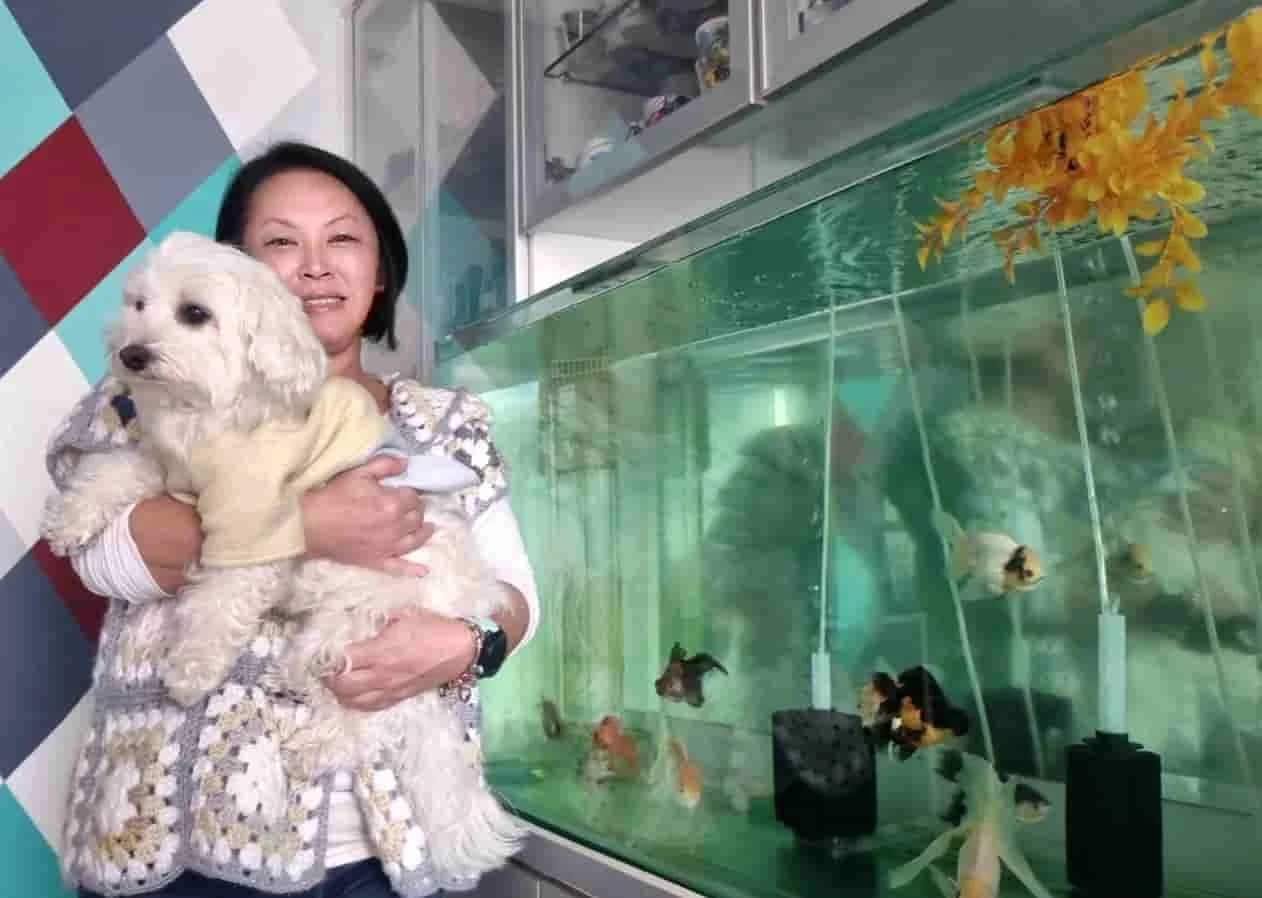
🏠 The 100G Lab
Where we torture test every hardware option, pellet line, and filter layout live.

🏃♀️ Grit & Eye
Marathon endurance meets the precise, millimeter structural focus of a seamstress.
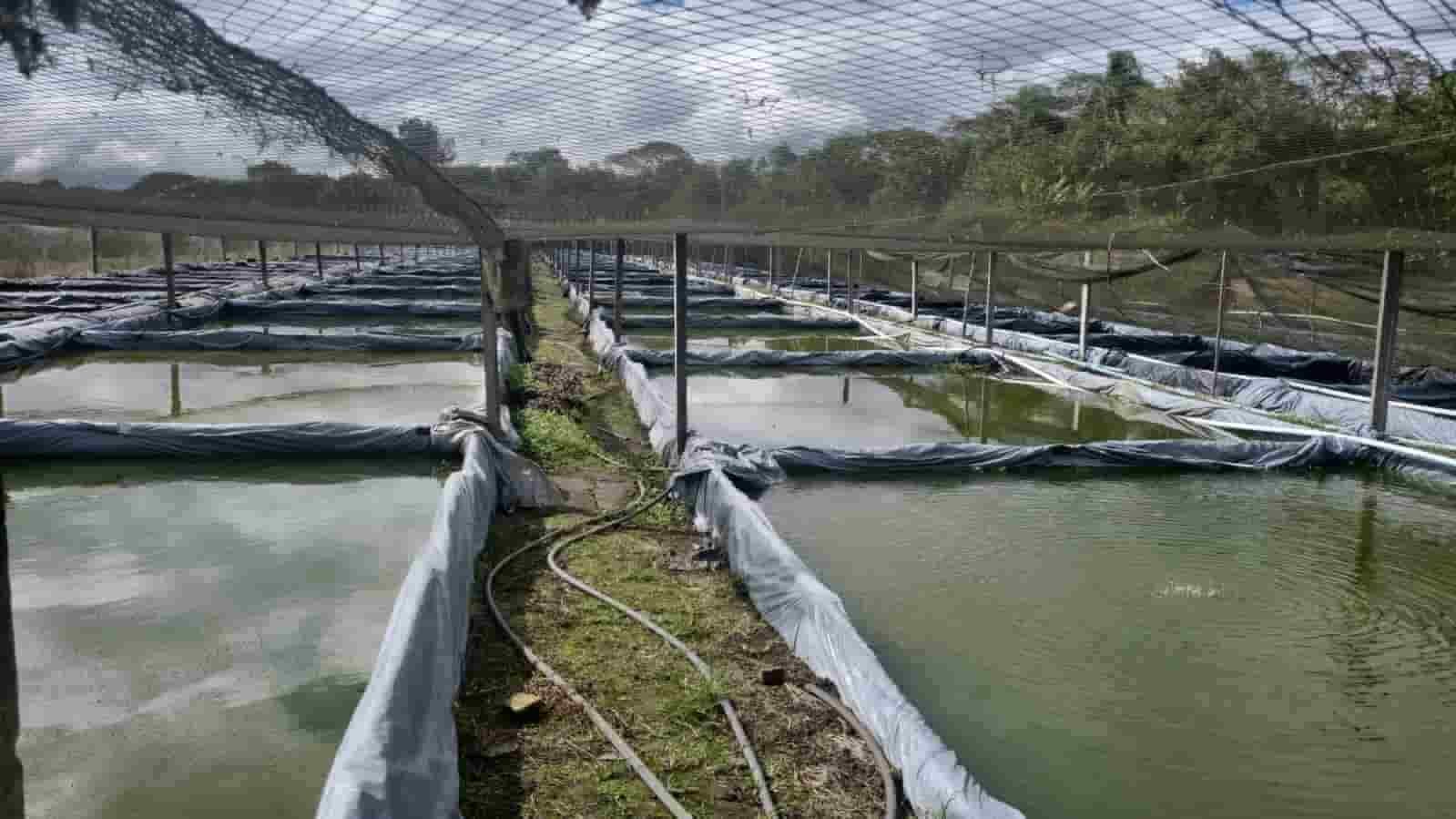
🐳 Monster Vats
Analyzing massive continuous turnovers inside large open-air mud farm vats.
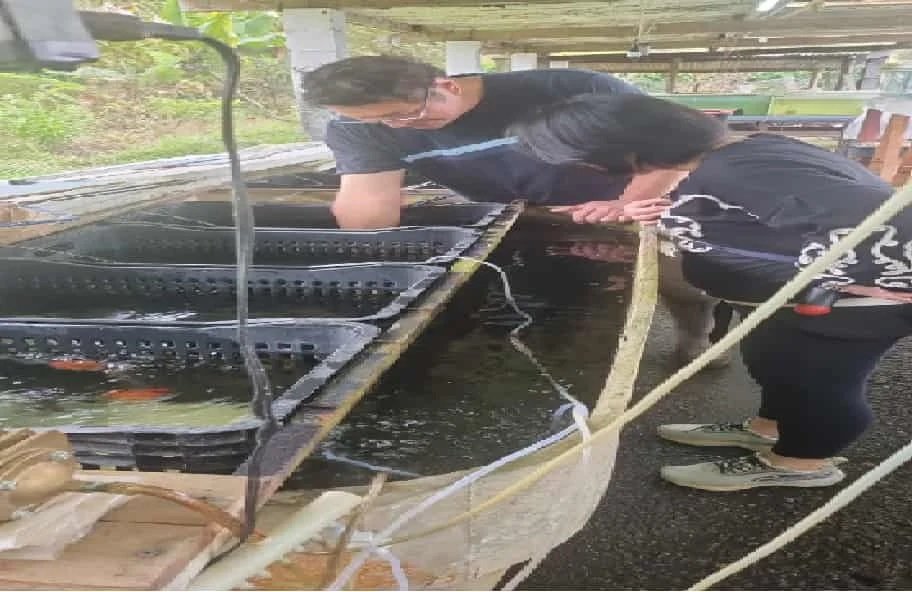
🤝 True Alliances
Working hand-in-hand with regional facility operations to target elite fancy bloodlines.
Read also: How to Treat Goldfish Fin Bleeding
A deeply technical piece of content that perfectly complements this post — absolutely worth the read.