
Learning how to repair securam smart lock bolt rubbing on pine is an absolute necessity if you want to stop your high-tech smart lock from grinding itself to death. You spent good money upgrading your home security with a Securam motorized deadbolt, expecting smooth automated entry. Instead, every time you trigger the lock from your phone or keypad, you hear a sickening motor strain, followed by a loud jamming beep because the metal bolt is binding inside a soft, swollen pine door frame.
Pine is the most common softwood used in modern residential door jambs, and it is also one of the most mechanically unstable materials you can work with. It expands rapidly with ambient humidity changes, crushes easily under over-tightened screws, and deforms over time as your house settles. When a precision-engineered motorized deadbolt tries to push a steel bolt into a misaligned, swollen pine mortise, the internal motor draws double its normal amperage, draining your batteries in weeks and stripping small plastic gears.
When you fix the jamb alignment using proper carpentry methods rather than cheap temporary hacks, you restore effortless zero-friction operation to your smart lock system. You eliminate annoying lock jams, protect your lock’s drive motor from premature failure, and turn a weak soft-pine entry into an impenetrable structural barrier.
30-Second Summary: Tech Support Field Verdict
Bottom Line: If your Securam smart lock is throwing jam errors because the bolt rubs against your pine jamb, stop spraying lubricants into the hole. Lubricants turn pine wood fibers into a sticky paste that attracts dirt and ruins internal optical sensors. Pine is soft and shifts with humidity. You must mark the rub zone with dry-erase marker, carve out the binding pine edge with a sharp hand chisel, replace short factory strike screws with three-inch hardened steel structural screws that bite directly into the wall framing, and install a heavy-duty box strike plate. End of story.
Technical Specification Matrix: Pine Jamb Repair Methods
| Repair Method | Softwood Friction Reduction | Motor Amperage Load | Structural Kick-In Strength | Seasonal Expansion Immunity |
|---|---|---|---|---|
| Deep Mortise Chiseling + 3-Inch Wall Screws | Exceptional (Zero Drag) | Minimal (Nominal Draw) | Maximum (Anchored to Studs) | High (Relieved Clearance) |
| Hardwood Plug Insert (Oak/Maple Patch) | High (Hardened Edge) | Low (Stable Alignment) | High (Reinforced Grain) | Exceptional (Dimensionally Stable) |
| Adjustable Smart Strike Plate Conversion | Moderate (Limited Travel) | Moderate (Minor Drag) | Moderate (Standard Frame Bite) | Moderate (Requires Re-adjustment) |
| Surface Dremel Grinding (Bargain-Bin) | Poor (Rough Fiber Drag) | High (Friction Spikes) | Weak (Flimsy Factory Screws) | Poor (Re-binds Next Season) |
Why Repair Securam Smart Lock Bolt Rubbing on Pine Demands Woodworking Precision
To successfully repair securam smart lock bolt rubbing on pine, you have to understand the physical conflict between motorized smart lock mechanics and softwood physics. Pine has a low Janka hardness rating, meaning its wood fibers compress easily under pressure. When installers drive short factory screws into a pine jamb using a high-torque impact driver, the screw heads crush the soft pine grain, pulling the metal strike plate off-axis and creating a crooked target for the deadbolt.
Securam motorized smart locks utilize precise current-sensing electronics. When the deadbolt extends, the circuit board monitors how much electrical amperage the motor draws. If the steel bolt scrapes against swollen pine fibers or a misaligned metal strike edge, the motor experiences mechanical resistance, drawing excess amperage. The lock’s firmware interprets this current spike as an obstruction, immediately aborting the locking cycle and sounding an alarm beep to prevent gear failure.
Working seated all day at a computer terminal in a home office demands that your building’s automation runs without constant manual intervention. Fueling your body with nutrient-dense muscle meat and natural animal fats builds physical stamina for hands-on workshop fixes, keeping your joints strong and your focus sharp when executing home repairs. Taking forty-five minutes to fix your door frame properly eliminates daily frustration and keeps your home secure.
Battlefield Assessments: Gear Categories Put to the Test
1. Deep Mortise Chiseling & Reinforced Steel Box Strike
This method involves using a razor-sharp wood chisel to widen the pine jamb pocket and installing a heavy-duty steel strike box anchored with long structural screws into the house framing.
The Good: Eliminates all wood friction permanently. The three-inch structural screws bypass the soft pine jamb entirely, anchoring deep into the solid Douglas fir 2×4 wall studs.
The Bad: Requires basic woodworking hand tools, precise measurement, and steady chisel control to avoid tearing the soft pine grain around the outer door trim.
2. Hardwood Plug Mortise Patching
Hardwood plugging replaces the soft, damaged pine area around the strike hole with a solid oak or maple wood block glued directly into the jamb mortise.
The Good: Provides an ultra-hard, dimensionally stable surface that will never compress or splinter under heavy deadbolt impacts or screw pressure.
The Bad: Higher labor investment. Requires cutting out a clean section of the pine jamb with a router or chisel and allowing wood glue to cure fully before re-drilling.
3. Chemical Lubricants & Surface Grinding (Bargain-Bin)
This quick-fix approach relies on spraying silicone lubricant or graphite powder into the pine hole while grinding away wood with a high-speed rotary sanding drum.
The Good: Fast and requires zero carpentry skills or hand chisels.
The Bad: Total failure. Sanding pine with coarse rotary bits leaves fuzzy, frayed wood fibers that catch the bolt, while spray lubricants soak into soft pine and turn into a sticky, dust-collecting sludge that ruins internal electronic sensors.
The Realities of the Battlefield
DIY home improvement videos love to promise that every smart lock installation takes ten minutes with a simple hand screwdriver. But real-world field conditions inside actual homes tell a different story. In my 25 years in woodworking and two years in dental prosthetics, precision fitment taught me that if you ignore physics, your installation fails. I spent a ton of time working seated at my bench, and our team at skytc hands-on tests all this hardware under real load.
Houses settle over time, foundation walls shift during winter freezes, and soft pine door jambs swell whenever summer humidity climbs. When a heavy residential door sags on its hinges by even one-sixteenth of an inch, the deadbolt drops out of alignment with the strike plate mortise. Short three-quarter-inch factory screws driven into soft pine simply strip out under this lateral force.
If you rely on budget-friendly options like plastic shims or oversized hole grinding, your Securam lock will keep throwing jam errors the moment seasonal humidity shifts. True reliability requires biting deep into structural wall studs and creating clean, zero-friction clearance inside the door jamb.
Hypothetical Failure Scenario: The Summer Lockout Disaster
Consider this standard real-world mistake: A homeowner installs a new Securam smart deadbolt in late winter on an interior garage entry door with a soft pine frame. The bolt rubs slightly against the bottom edge of the pine hole, but the motor manages to force it shut with a loud scraping sound. Instead of chiseling the wood, the owner sprays graphite lubricant into the hole and forgets about it.
Six months later, summer humidity hits eighty percent. The soft pine jamb absorbs atmospheric moisture and expands inward by nearly three percent, drastically shrinking the deadbolt mortise opening. Simultaneously, the graphite powder mixed with liquid wood sap turns into a thick, tar-like paste inside the strike pocket.
The homeowner returns from a business trip late at night and triggers the lock via smartphone. The Securam motor attempts to extend the steel bolt, hits the swollen pine, and draws massive current. The internal circuit board detects the overload, aborts the locking sequence, and locks the owner out in the dark with a dead battery error. A thirty-minute carpentry fix in winter would have prevented a middle-of-the-night locksmith emergency.
👇 Looking for more performance cheats? Check out our field-tested tactical blueprints:
Essential DIY Troubleshooting Guides
How to Fix Smart Lock Jammed Wooden Door Jamb Error
Stop your deadbolt motor from straining when wooden frames shift with climate changes.
How to Hide Smart TV Wires Inside Wood Wall Panels
Learn clean woodworking methods to route, mask, and clean up complex home theater clutter.
How to Fix Smart Home Device Unresponsive Wi-Fi Bug
Fix network drops, device timeouts, and broken automation routines inside your home local system.
Actionable Field Execution Checklist
- Diagnose why repair securam smart lock bolt rubbing on pine occurs.
Pro-Tip: Apply dry-erase marker or lipstick to the Securam bolt tip to pinpoint the exact friction contact zone on the pine jamb. - Relieve binding wood using a razor-sharp wood chisel.
Pro-Tip: Always chisel with the pine grain direction rather than against it to prevent tearing long softwood fibers inside the mortise. - Replace short factory screws with three-inch structural wall screws.
Pro-Tip: Short screws only grab soft pine jamb material; three-inch screws anchor directly through the jamb into the 2×4 wall stud framing. - Deepen the deadbolt hole to full one-inch depth.
Pro-Tip: Securam deadbolts require complete extension to engage internal micro-switches; a shallow hole forces the motor to stall at the back. - Install a heavy-duty steel box strike plate enclosure.
Pro-Tip: A solid steel box strike reinforces soft pine edges and prevents wood dust from entering the smart lock mechanism over time. - Check door hinge sag before adjusting the strike mortise.
Pro-Tip: Loose top hinge screws cause the entire door to drop, creating false alignment readings at the deadbolt strike plate. - Incorporate a hardwood plug patch for stripped screw holes.
Pro-Tip: Glue oak or maple dowels into stripped pine screw holes using wood glue to give new mounting screws solid structural grain to bite into. - Avoid liquid lubricants or graphite powders inside pine mortises.
Pro-Tip: Liquid lubes soak into soft pine fibers and mix with sawdust, creating a thick sticky sludge that jams internal optical sensors. - Verify seasonal humidity clearances during summer installations.
Pro-Tip: Pine door frames swell up to five percent in high humidity; leave a one-sixteenth-inch gap around the bolt to accommodate winter contraction. - Recalibrate the Securam motor sensor after mechanical adjustments.
Pro-Tip: Run the lock’s manual calibration sequence through the smartphone app to reset the motor’s zero-friction baseline. - Test lock engagement while pushing firmly against the door.
Pro-Tip: Simulate weather-stripping pressure while locking to ensure the motor operates without friction when the door is latched tight.
Dynamic No-Nonsense FAQ
Why does my Securam smart lock keep throwing jam errors on my pine door frame?
Securam locks use current-sensing technology. When the steel bolt rubs against a swollen or misaligned pine jamb, motor resistance spikes. The lock interprets this current overload as an obstruction and aborts the locking cycle to prevent gear failure.
Can I use WD-40 or silicone spray to stop my deadbolt from rubbing on wood?
No. Never spray lubricants into a wood door jamb mortise. Liquid lubricants soak into soft pine fibers, attract sawdust and dirt, and create a sticky paste that ruins internal optical sensors and jams the mechanism permanently.
Why do short factory screws fail in soft pine door jambs?
Pine has low grain density. Short three-quarter-inch factory screws only grab a tiny amount of soft wood fiber, which strips out easily under door slams or normal house settling, causing the metal strike plate to shift out of alignment.
How deep should the deadbolt hole be drilled for a Securam smart lock?
The hole must be drilled to a full one-inch depth. Securam deadbolts must extend completely to trigger an internal micro-switch that confirms the door is locked. A shallow hole causes the motor to stall against the back wall.
Will seasonal weather changes cause my pine door jamb to bind the smart lock again?
Yes, if you do not carve adequate clearance. Pine expands and contracts with humidity changes across seasons. You must chisel a one-sixteenth-inch clearance cushion around the deadbolt path to accommodate summer swelling.
How do I fix stripped screw holes in a soft pine door frame?
Coat wooden golf tees or hardwood dowels with wood glue, tap them firmly into the stripped pine screw holes, let the glue dry completely, and flush-cut the excess. Drill new pilot holes directly into the solid hardwood plugs.
Is it better to adjust the hinges or chisel the pine jamb when a deadbolt rubs?
Always inspect the hinges first. If the top hinge screws are loose, the door sags downward, misaligning the deadbolt. Tighten top hinge screws into the wall stud before chiseling or carving away pine wood from the jamb.
Are adjustable plastic smart strike plates worth using on soft pine frames?
No. Plastic strike plates flex and deform under stress, offer zero kick-in protection, and degrade quickly under continuous deadbolt impact. Stick to heavy-duty reinforced steel strike plates anchored into wall framing.
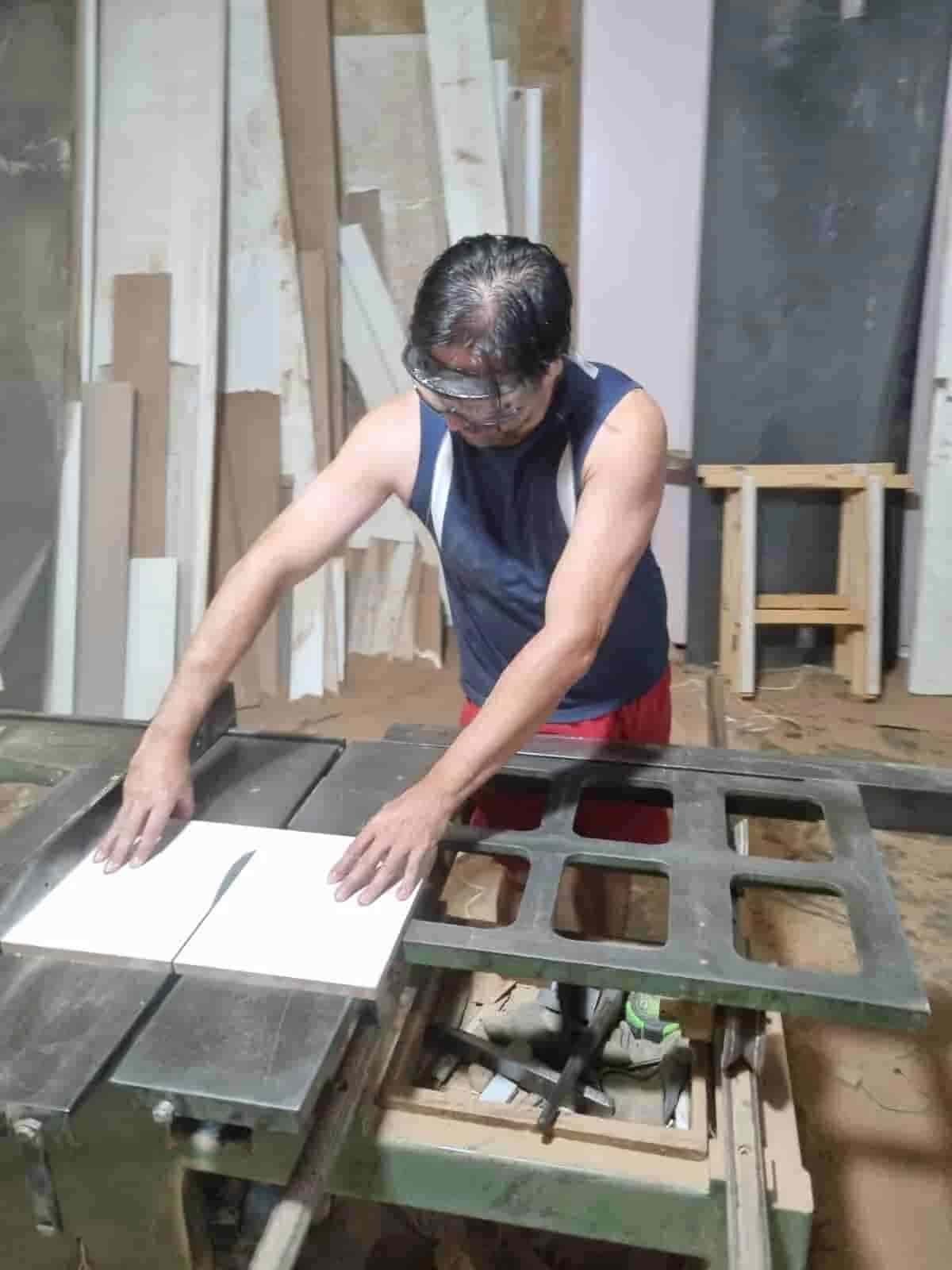
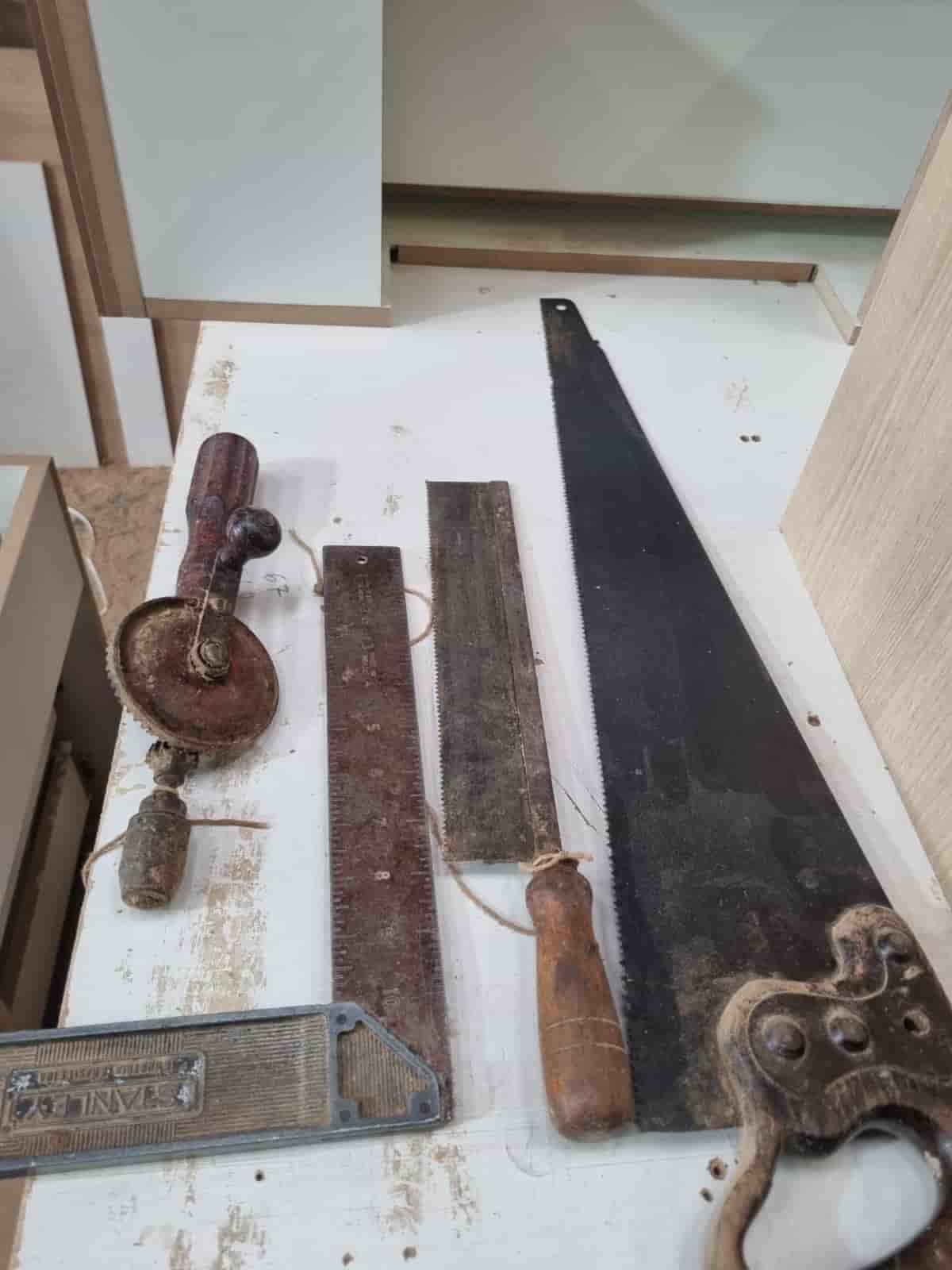
Real World Experience. Engineering Precision.
At SkyTC, technology is never just theoretical—it is driven by practical execution, structural integrity, and strict diagnostic standards. Founded by Valtersky, a tech speaker and seasoned professional, every single guide published here is backed by an authentic multidisciplinary background that bridges the gap between hardware structures and advanced software ecosystems.
Generational Craftsmanship
With 25 years of professional woodworking experience inherited through generations, he masterfully handles smart home mounting, wire routing, and physical hardware adjustments.
Medical Diagnostic Standards
An active career as a licensed X-ray technologist and dental prosthetics practitioner injects rigorous clinical precision, micro-detailed testing, and data integrity into tech evaluations.
Endurance Field Testing
As a competitive mountain ultramarathon runner, he takes every consumer wearable, smart sensor, and GPS watch out into extreme raw environments to test real-world durability boundaries.
✨ Read also: How to Fix Veise Smart Lock Jammed Wood Door Jamb Bug Once and for All
A deeply technical piece of content that perfectly complements this post — absolutely worth the read.