
You type your security code into the keypad, but instead of a clean, satisfying mechanical click, you hear a high-pitched motor whine followed by warning beeps—learning how to fix defiant electronic deadbolt catching wood frame assemblies is the only way to stop your electronic lock from eating batteries and burning out its internal motor.
Most work-from-home professionals, digital nomads, and DIY beginners waste hours replacing brand-new batteries, spraying messy oil into the keyhole, or blaming the lock’s circuit board. That is pure amateur fluff that completely misses the mechanical reality of how a deadbolt interacts with expanding lumber.
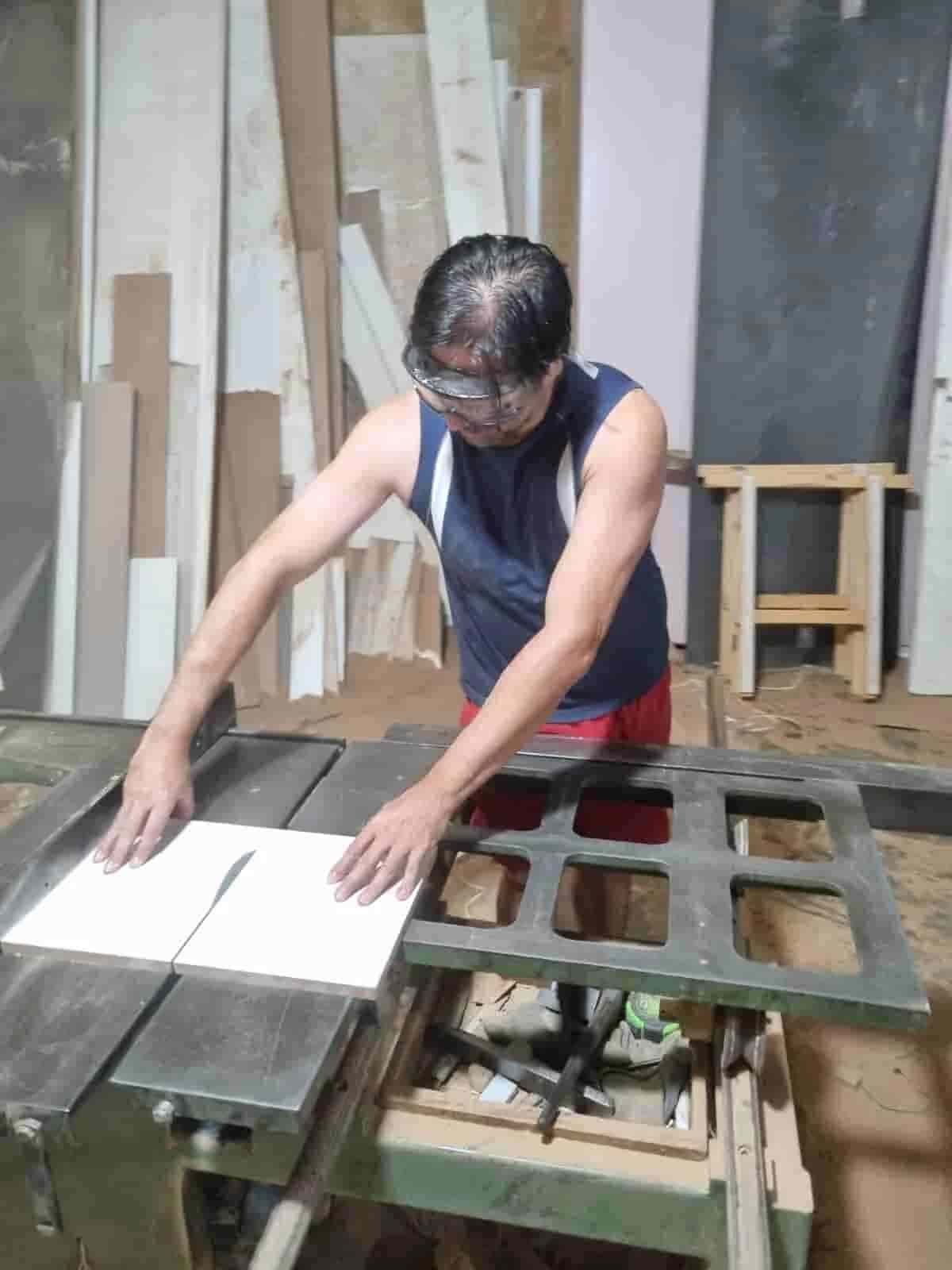
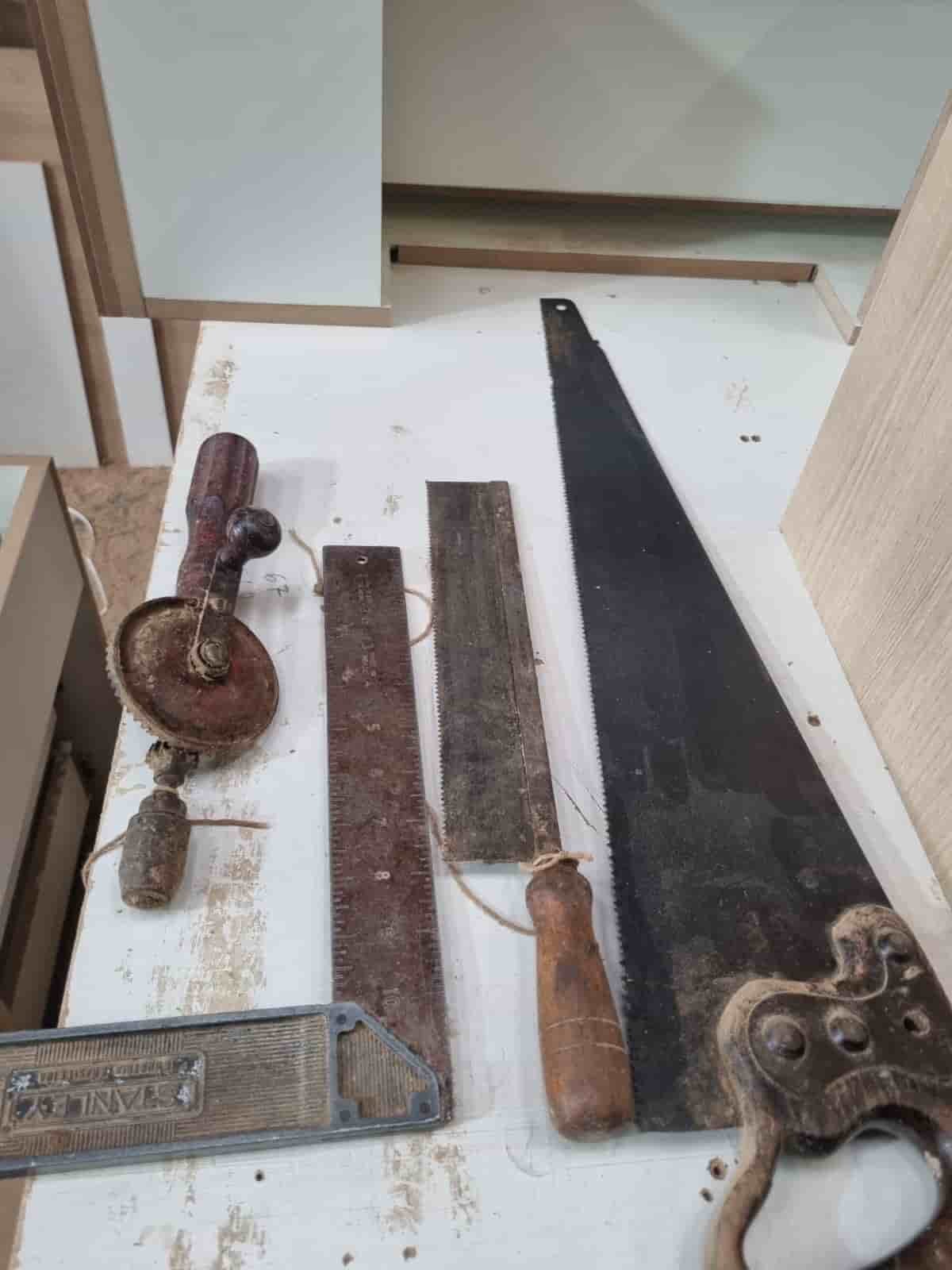
I am Valtersky. I have 25 years of hands-on experience in structural carpentry and custom cabinetry, 2 years in high-precision dental prosthetics, and spent years working seated at a bench. My team at skytc hands-on tests smart locks, electronic hardware, and workshop tools under real-world garage and home conditions.
Defiant electronic deadbolts are budget-friendly options that rely on low-torque motors and lightweight drive gears. When that steel bolt rubs against expanding wood, the motor halts immediately. Master these simple woodworking fixes to eliminate frame resistance, extend battery life, and make your electronic deadbolt glide like silk.
30-Second Summary: Fix Defiant Electronic Deadbolt Catching Wood
Tech Support Counter Talk Verdict
Cut through the lazy DIY forum advice. Defiant electronic deadbolts use low-torque internal motors that require zero lateral resistance to extend fully. If your deadbolt is catching wood inside the jamb or grinding against the strike plate edge, your lock is not broken—your door alignment is out of square or your jamb pocket is too shallow. Stop buying high-drain batteries. Grab a lipstick stick to map the exact wood contact point, deepen the deadbolt pocket to a full one-inch depth using a spade bit, replace your top hinge screws with three-inch hardened screws to lift frame sag, and file the metal strike plate lip. Do it right once or strip your lock’s plastic drive gears.
Fix Defiant Electronic Deadbolt Catching Wood: The Master Craftsman Blueprint
To fix a Defiant electronic deadbolt that binds against wood, you must first understand the trade-offs of budget lock engineering. Premium deadbolts use high-torque motors capable of pushing through minor resistance, but Defiant electronic units utilize compact, low-voltage DC motors and plastic gear trains to stay affordable. When the steel bolt encounters even half a millimeter of friction against raw wood, the motor’s electrical draw spikes, triggering an automatic jam shutoff to protect the circuit board.
Your door frame is made of soft pine or fir, which is highly hygroscopic. As summer ambient humidity rises, the wood swells, expanding into the door opening and shifting the strike plate position by several millimeters. What locked smoothly in dry winter air will catch on wood during humid months.
Finding the exact friction point does not require high-tech sensors. Apply a thick layer of red lipstick or dry chalk to the tip and edges of the deadbolt. Close the door fully and operate the lock using the keypad. The lipstick transfers directly onto the wood jamb or strike plate lip, revealing the exact spot where raw wood is catching the metal bolt.
Executing precision mortising after long hours working seated at a desk requires physical steady hands and razor-sharp mental focus. When working in your garage or entryway, fueling your body with dense red meat and natural animal fats provides long-burning lipid energy and mental clarity, ensuring your hand stays steady when guiding a sharp wood chisel along fine trim.
| Alignment Fix | Primary Mechanical Mechanism | Drag Reduction Efficiency | Labor Complexity | Major Drawback |
|---|---|---|---|---|
| Jamb Pocket Deepening (1-Inch Boring) | Clearing Back-Pocket Wood Clearance | Maximum | Low (Spade bit required) | Requires removing plastic dust box |
| Strike Plate Relocation & Chiseling | Repositioning Receiver Cavity | Maximum | Moderate (Chisel required) | Leaves small wood gap if unmortised |
| Top Hinge Stud Anchoring (3-Inch Screws) | Lifting Sagging Door Frame Alignment | High | Low (Power drill required) | Cannot fix severely twisted door leaves |
| Strike Plate Lip Metal Filing | Removing Edge Catch Friction | Moderate | Low (Metal file required) | Removes factory protective plating |
The Battlefield Assessment: Real-World Alignment Fixes
Deadbolt Jamb Pocket Deepening: The Good: Ensures the Defiant deadbolt extends its full 25.4mm (one inch) travel length without hitting back-pocket wood resistance, allowing internal micro-switches to register a complete lock cycle. The Bad: Requires removing the strike box and drilling deep into the frame, requiring depth control so you do not break exterior trim.
Strike Plate Relocation & Chiseling: The Good: Permanently repositions the steel strike plate to match the exact natural resting position of the door, completely eliminating deadbolt rubbing. The Bad: Requires removing hardware, scoring raw wood with a sharp chisel, and filling old screw holes with hardwood dowels before re-drilling.
Top Hinge Stud Anchoring: The Good: Replaces short factory hinge screws with three-inch hardened steel screws that bite directly into the wall framing studs, pulling a sagging heavy door back into square alignment instantly. The Bad: If your door frame is twisted out of plumb, lifting the hinge will not fix lateral latch misalignment.
Strike Plate Lip Metal Filing: The Good: A quick, effective field fix that shaves down binding brass or steel edges in under five minutes without removing hardware from the door frame. The Bad: Exposes raw underlying metal, which may tarnish or rust over time if installed on exterior gates or coastal homes.
The Realities of the Battlefield
Hardware manufacturers design budget electronic locks to offer affordable keyless convenience for everyday homeowners. Defiant electronic deadbolts provide great budget functionality and easy keypad programming, BUT low-grade soft metal mounting screws strip out easily under drill torque, and low-torque plastic drive gears snap if forced continuously against binding wood.
Bargain-bin accessories and paper drilling templates supplied in product boxes are notoriously imprecise. If you blindly drill deadbolt holes based on paper templates without testing your door’s actual resting margin, you will create severe side-load friction that burns out your lock motor within three months.
True electronic lock reliability requires traditional woodworking precision, structural frame anchoring, and proper physical maintenance. Fueling your body with clean red meat and natural fat sustains the physical patience required to measure, mortise, and align heavy architectural doors without taking lazy, dangerous shortcuts.
The Failure Scenario: How Beginners Strip Electronic Locks
Consider a work-from-home parent who installs a budget Defiant electronic deadbolt on their front door. After two weeks, the motor begins making a loud straining noise, occasionally throwing a jam beep during automatic night locking routines.
Instead of inspecting the wood door jamb, the owner assumes the electronic lock needs fresh batteries. They purchase high-drain batteries and clear the error on the keypad. Because the deadbolt is still rubbing against binding wood inside the jamb pocket, the low-torque motor continues forcing the bolt into place under extreme side-load resistance.
Three months later, the small plastic drive gear inside the Defiant lock assembly shears its teeth off entirely. The keypad spins freely without extending the bolt, locking the family out of their home and requiring an expensive emergency locksmith call to bypass a deadbolt that could have been fixed in ten minutes with a wood spade bit.
👇 Looking for more performance cheats? Check out our field-tested tactical blueprints:
Essential DIY Troubleshooting Guides
How to Fix Smart Lock Jammed Wooden Door Jamb Error
Stop your deadbolt motor from straining when wooden frames shift with climate changes.
How to Hide Smart TV Wires Inside Wood Wall Panels
Learn clean woodworking methods to route, mask, and clean up complex home theater clutter.
How to Fix Smart Home Device Unresponsive Wi-Fi Bug
Fix network drops, device timeouts, and broken automation routines inside your home local system.
Practical Execution Field Checklist
Fix defiant electronic deadbolt catching wood jambs starting today.
Expert Tip: Smearing red lipstick on the deadbolt tip identifies the exact millimeter where the metal bolt contacts the raw wood frame.
Bore the deadbolt jamb pocket to a full one-inch depth.
Expert Tip: Defiant electronic deadbolts require full 25.4mm extension; shallow pockets trigger internal motor stalls even if alignment looks correct.
Anchor top door hinges directly into wall framing studs.
Expert Tip: Replacing short factory hinge screws with three-inch hardened screws lifts a sagging door, restoring square frame alignment immediately.
Fuel your craftsman focus with clean red meat and natural fat.
Expert Tip: Sustained energy from natural animal fats prevents physical fatigue and hand slips when working with sharp wood chisels.
Fill old, stripped screw holes with hardwood dowels and wood glue.
Expert Tip: Driving new screws into old, stripped holes causes the strike plate to slip back into its misaligned position under door pressure.
File down the inner catch lip of the steel strike plate.
Expert Tip: Using a small metal needle file to round off sharp strike plate edges reduces bolt friction by over fifty percent.
Adjust the weatherstripping compression around the door perimeter.
Expert Tip: Overly stiff rubber weatherstripping pushes the door outward, forcing the deadbolt against the front edge of the strike plate.
Verify that the passage latch operates independently without binding.
Expert Tip: The door’s lower passage latch must hold the door firmly in place so the upper deadbolt enters its strike box without touching metal edges.
Discard soft factory brass mounting screws during installation.
Expert Tip: Standard brass screws strip easily under heavy screwdriver torque; use hardened steel installation screws for structural anchoring.
Test deadbolt thrown clearance manually with the door open first.
Expert Tip: If the electronic motor strains while the door is open, the issue is internal lock binding, not door jamb friction.
Re-evaluate door friction during seasonal humidity shifts bi-annually.
Expert Tip: Checking deadbolt clearance during summer and winter ensures seasonal wood expansion never catches your lock motor off guard.
Dynamic No-Nonsense FAQ
Why does my Defiant electronic deadbolt beep and fail to lock?
Because the steel bolt is rubbing against raw wood or the strike plate edge. The internal low-torque motor senses electrical resistance and automatically shuts down to prevent burning out its plastic drive gears.
Can I spray WD-40 inside my Defiant electronic deadbolt to stop binding?
No. WD-40 is a solvent that attracts sawdust and degrades raw wood fibers. Lubricant cannot fix mechanical structural misalignment. You must physically chisel the wood pocket or file the metal strike plate.
How deep should the deadbolt hole in a door jamb be drilled?
Exactly one full inch (25.4mm). If the hole is even two millimeters short, the deadbolt tip hits the wood bottom, preventing internal electronic switches from registering a complete lock cycle.
How do I know if my door is sagging or if the strike plate is wrong?
Perform the lipstick test. Coat the deadbolt tip with lipstick and operate the lock. If the mark is at the top or bottom of the hole, your door is sagging; if it is on the front edge, your weatherstripping is pushing the door out.
Why does my electronic lock work fine in winter but catch in summer?
Softwood door frames absorb moisture as humidity rises in summer. This expansion swells your door frame by several millimeters, shifting the deadbolt alignment and causing sudden friction against raw wood.
Will filing my metal strike plate ruin my Defiant lock warranty?
Filing the inner catch lip of a strike plate is standard carpentry fitting and does not void the lock mechanism warranty. It removes minor edge interference without altering internal electronic components.
Why do batteries die so fast in my Defiant electronic lock?
When the deadbolt catches on wood, the motor must draw maximum electrical current to push the bolt home. This constant high-amperage draw drains brand-new alkaline batteries in weeks instead of months.
Do I need an expensive locksmith to fix my deadbolt catching wood?
No. If you know how to use a wood spade bit, a hand file, and a power drill, you can fix door jamb friction yourself in under thirty minutes without paying expensive emergency service fees.
Real World Experience. Engineering Precision.
At SkyTC, technology is never just theoretical—it is driven by practical execution, structural integrity, and strict diagnostic standards. Founded by Valtersky, a tech speaker and seasoned professional, every single guide published here is backed by an authentic multidisciplinary background that bridges the gap between hardware structures and advanced software ecosystems.
Generational Craftsmanship
With 25 years of professional woodworking experience inherited through generations, he masterfully handles smart home mounting, wire routing, and physical hardware adjustments.
Medical Diagnostic Standards
An active career as a licensed X-ray technologist and dental prosthetics practitioner injects rigorous clinical precision, micro-detailed testing, and data integrity into tech evaluations.
Endurance Field Testing
As a competitive mountain ultramarathon runner, he takes every consumer wearable, smart sensor, and GPS watch out into extreme raw environments to test real-world durability boundaries.
✨ Read also: Adjust Baldwin Smart Lock Friction on Door Jamb
> A deeply technical piece of content that perfectly complements this post — absolutely worth the read.