
You drag yourself up your front steps on a sweltering July afternoon, arms loaded with gear, slide your key into the lock, and it feels like the deadbolt is welded into solid rock. If you want to know how to fix deadbolt catching in humid summer air, putting your entire body weight into a flying hip-check against the door slab is the absolute worst thing you can do.
That sticking deadbolt is not a manufacturing defect in your lockset, and your key did not magically warp overnight. Your solid-core exterior door and its framing have absorbed gallons of airborne moisture, swelling across the wood grain and turning your deadbolt mortise into a high-pressure mechanical pinch point.
Mastering this master craftsman alignment protocol will save you hundreds in destroyed locksets, eliminate the danger of shearing your key off flush inside the cylinder, and restore butter-smooth entryway operation through the muggiest summer heatwaves.
Across my twenty-five years in custom architectural carpentry and fine cabinetry—backed by two years in dental prosthetics working with sub-millimeter tolerances—I have seen every way changing seasons can warp timber and seize hardware. At SkyTC, our team hands-on tests smart locks, manual hardware, and timber joinery to separate durable shop tactics from cheap internet gimmicks. Here is the raw, unvarnished truth about summer wood movement.
Bare-Metal Diagnostic: The Plug-and-Play Extract
Listen to me across the workbench counter: wood is a living, biological sponge made of cellulose capillary tubes. When summer relative humidity surges above seventy percent, the wood cells drink atmospheric water vapor, expanding tangentially across the growth rings and widening your door slab by up to an eighth of an inch.
That expansion pushes the deadbolt off-center, causing the steel bolt to grind hard against the brass strike plate lip. The tactical cheat code is simple: do not pull out a belt sander and ruin your door’s weather seal. You must identify the exact strike point using marking chalk, relieve the metal strike plate opening with a rotary file, and sink structural three-inch hinge screws into the wall framing studs to lift the sagging door slab back into plumb alignment.
| Alignment & Repair Modality | Summer Timber Swell Clearance | Lockset Torque & Friction Drop | Door Finish Preservation | Hardware Investment Tier |
|---|---|---|---|---|
| Strike Plate Dremel / File Relief | Immediate (Custom 2mm Throat) | Complete Elimination of Drag | One Hundred Percent Intact | Budget-friendly options |
| Structural 3-Inch Hinge Screw Reset | High (Lifts Latch-Side Sag) | Massive Load Reduction | Zero Impact on Timber | Budget-friendly options |
| Adjustable Security Strike Box | Moderate / Micro-Adjustable | High Friction Drop | Requires Minor Chiseling | Mid-tier investment |
| Deep Mortise Pocket Boring | High (Full Throw Depth) | Removes Backing Resistance | Hidden Inside Jamb | Budget-friendly options |
| Bargain-Bin Oil Lubricant Spray | Zero (Ignores Timber Shift) | Temporary (Attracts Grit) | Stains Wood & Paint | Low-grade components |
The Bare-Metal Trial: Pros, Cons, and Real-World Wear
Let us strip away the showroom sales talk and look at how different mechanical fixes actually hold up when the humidity index stays pegged at ninety percent for three straight weeks.
Strike Plate Throat Filing & Metal Relief
The Good: Enlarging the brass or steel strike opening with a carbide rotary burr provides instant clearance without modifying the wooden door slab or breaking the factory paint seal.
The Bad: If you get aggressive with a high-speed grinder, you can chew through the mounting screw holes, weaken the strike box, and ruin the decorative plate finish.
Structural 3-Inch Hinge Screw Upgrades
The Good: Pulls the heavy top hinge tight against the two-by-four structural wall jack-studs, instantly correcting seasonal door sag and centering the deadbolt in the jamb.
The Bad: If your home’s rough opening was framed by sloppy builders using crooked lumber, over-torquing the structural screws can twist the jamb and cause the weatherstripping to bind.
Edge Planing the Swollen Lock Stile
The Good: Physically removes swollen timber mass from the leading edge of the door, guaranteeing wide gaps along the entire jamb reveal.
The Bad: It permanently destroys your factory paint or stain seal, leaves raw end-grain exposed to suck up even more summer moisture, and leaves an unsightly, drafty gap when winter arrives and the wood shrinks.
Dry PTFE and Micro-Fine Graphite Sprays
The Good: Provides a microscopic, low-friction barrier across sliding brass-on-steel contact surfaces without attracting dust or gumming up internal springs.
The Bad: It will not fix a physical structural collision where two hundred pounds of swollen door slab is actively pressing the bolt against a misaligned strike plate.
Woodworking Mechanics: How to Fix Deadbolt Catching in Humid Summer Air
To fix this problem permanently, you must understand how wood grain moves in three dimensions. Wood moves practically zero percent along its longitudinal grain length, but it expands dramatically along its tangential growth rings and radial rays. When summer brings heavy humidity, a solid wood or veneered engineered-stile door swells in thickness and width simultaneously.
This dimensional shift causes the leading lock edge of the door to push outward toward the exterior jamb stop. Simultaneously, the heavy weight of the swollen door slab leverages the top hinge downward, causing the top latch-side corner to sag.
In dental prosthetics, if an acrylic bite splint is off by fifty microns, the patient’s jaw joints lock up from mechanical stress. Your door deadbolt operates under that exact same mechanical reality: a standard deadbolt has barely one-sixteenth of an inch of free radial play inside the strike aperture.
When summer humidity shifts that door slab just two millimeters downward and outward, the cylindrical bolt binds tightly against the bottom and interior edges of the metal strike plate. The user tries to overcome this by cranking the key with excessive force, twisting the internal brass tumbler pins out of alignment and straining the internal throw cam.
The Structural Integrity Report: True Bezel Endurance
Smart lock and hardware brands love to advertise sleek, forged escutcheon plates and heavy brass handles in their glossy product catalogs. But when you inspect the internal drive linkages inside modern residential locksets, you frequently find brittle die-cast zinc-pot-metal cams and tiny nylon spur gears.
Technical praise for sleek electronic bezels collapses the moment an owner begins slamming their shoulder into the door to get the deadbolt to engage. Marketing specs promise heavy-duty security, but the horizontal reality is that internal zinc cams snap clean in half under sustained lateral binding pressure.
The primary point of catastrophic entry failure we log on the SkyTC bench is unsealed door end-grain and hinge-screw pullout. Builders routinely hang exterior doors without painting the top and bottom horizontal edges.
Those raw, exposed wood pores act like giant soda straws, sucking humid summer air deep into the core of the door slab. That continuous moisture cycling rots the internal wood fibers around the latch screws, causing the strike plate to loosen, wobble, and jam the deadbolt throw permanently.
The Hypostatical Failure: The Hip-Check Key Snapping Disaster
Picture this classic summer catastrophe: a homeowner returns from work on a sweltering August evening with temperatures in the mid-nineties and relative humidity over eighty-five percent. The solid oak front door has swollen tightly into the rebate.
The homeowner inserts their brass house key and attempts to turn it. The deadbolt is clamped in a mechanical vise between the swollen door stile and the misaligned strike plate.
Instead of taking five minutes to inspect the binding point, they ram their shoulder into the door with full force while aggressively twisting the key. The violent impact shocks the keyway, and the soft brass key shears off flush inside the plug cylinder.
Now the deadbolt is stuck half-thrown, the keyway is permanently blocked by a broken brass shank, and the homeowner is locked outside in blistering heat facing an emergency locksmith bill. Fixing this requires patience, rotary file precision, and proper hinge anchoring, not brute-force impact.
👇 Looking for more performance cheats? Check out our field-tested tactical blueprints:
Essential DIY Troubleshooting Guides
How to Fix Smart Lock Jammed Wooden Door Jamb Error
Stop your deadbolt motor from straining when wooden frames shift with climate changes.
How to Hide Smart TV Wires Inside Wood Wall Panels
Learn clean woodworking methods to route, mask, and clean up complex home theater clutter.
How to Fix Smart Home Device Unresponsive Wi-Fi Bug
Fix network drops, device timeouts, and broken automation routines inside your home local system.
Practical Execution The Workbench Prumo: Core Setup Alignment
- Learn how to fix deadbolt catching in humid summer air.
Expert Tip: Rub red carpenter’s chalk or dry-erase marker on the deadbolt tip to identify the exact friction points scraping the metal strike plate. - Drive three-inch structural wood screws through the top hinge.
Expert Tip: Replacing short factory screws anchors the hinge directly into the structural wall studs, lifting a sagging, swollen door slab back into plumb. - Relieve the strike plate throat using a rotary carbide burr.
Expert Tip: Removing two millimeters of metal from the binding interior edge creates a wide channel that accommodates summer wood swelling effortlessly. - Bore the wooden strike mortise pocket to one full inch.
Expert Tip: Deadbolts must extend to their absolute mechanical travel limit to prevent internal lock springs from binding in a partially-thrown state. - Apply dry PTFE spray across all sliding metal deadbolt faces.
Expert Tip: Dry fluoropolymer films eliminate surface drag without attracting airborne sawdust or turning into sticky sludge in high ambient heat. - Seal unpainted top and bottom door slab edges with polyurethane.
Expert Tip: Coating the raw end-grain shuts down capillary moisture absorption, preventing the door from drinking summer humidity like a sponge. - Adjust the lower passage latch strike tab to set door depth.
Expert Tip: The lower passage latch must hold the door firmly against the weatherstripping so the upper deadbolt floats freely inside its opening. - Insert thin brass shims behind the bottom door hinge leaf.
Expert Tip: Shimming the bottom hinge kicks the top lock-side corner of the door upward, correcting diagonal frame sag without cutting timber. - Chamfer internal wooden mortise edges using a sharp wood chisel.
Expert Tip: Removing razor-sharp interior wood corners stops the rounded deadbolt bevel from catching on swollen, torn grain fibers. - Check that compression weatherstripping is not installed overly tight.
Expert Tip: Rock-hard or oversized weather seals force the door outward, placing massive continuous lateral shear stress against the deadbolt. - Audit strike plate mounting screws for tight mechanical purchase.
Expert Tip: Loose strike screws back out under door slam vibrations, catching the deadbolt casing and preventing smooth mechanical travel.
Counter Talk: Straight Answers to Field Queries
Why does my deadbolt work perfectly in winter but stick in summer?
Summer air is saturated with humidity, causing the wood door slab and jamb to swell across the grain. The enlarged timber pushes the deadbolt off-center, causing it to scrape the strike plate.
Can I spray WD-40 into a sticking deadbolt keyway?
No. Standard WD-40 is a solvent that strips factory grease, attracts pocket lint, and collects dirt. Use dry micro-fine graphite powder or dry PTFE spray only.
Should I plane down the edge of my swollen front door?
No. If you plane the wood in summer, you will leave a massive, drafty gap when winter arrives and the wood dries out. Adjust the hinges and file the metal strike plate instead.
How do I know where the deadbolt is rubbing inside the frame?
Coat the entire bolt with bright lipstick or dry-erase marker, close the door, and turn the lock. The transferred mark on the strike plate shows exactly where metal needs removal.
Why does my smart lock throw a motor jam error on hot days?
The swollen wood creates lateral friction against the bolt. The smart lock’s tiny micro-motor detects the electrical resistance spike and shuts down to protect its circuitry.
Will longer screws in the strike plate fix a catching deadbolt?
Longer screws strengthen security, but if the hole is misaligned, they will not stop friction. You must file the metal strike opening to give the bolt free clearance.
How much clearance should a deadbolt have inside the strike plate?
You need at least one-eighth of an inch of completely free clearance around the entire perimeter of the deadbolt. If it rubs metal during extension, it will bind under load.
Can unsealed door edges really cause lock binding?
Yes. Raw, unpainted end-grain on the top and bottom of a door absorbs airborne moisture like a sponge, swelling the door slab and throwing latch alignment into chaos.
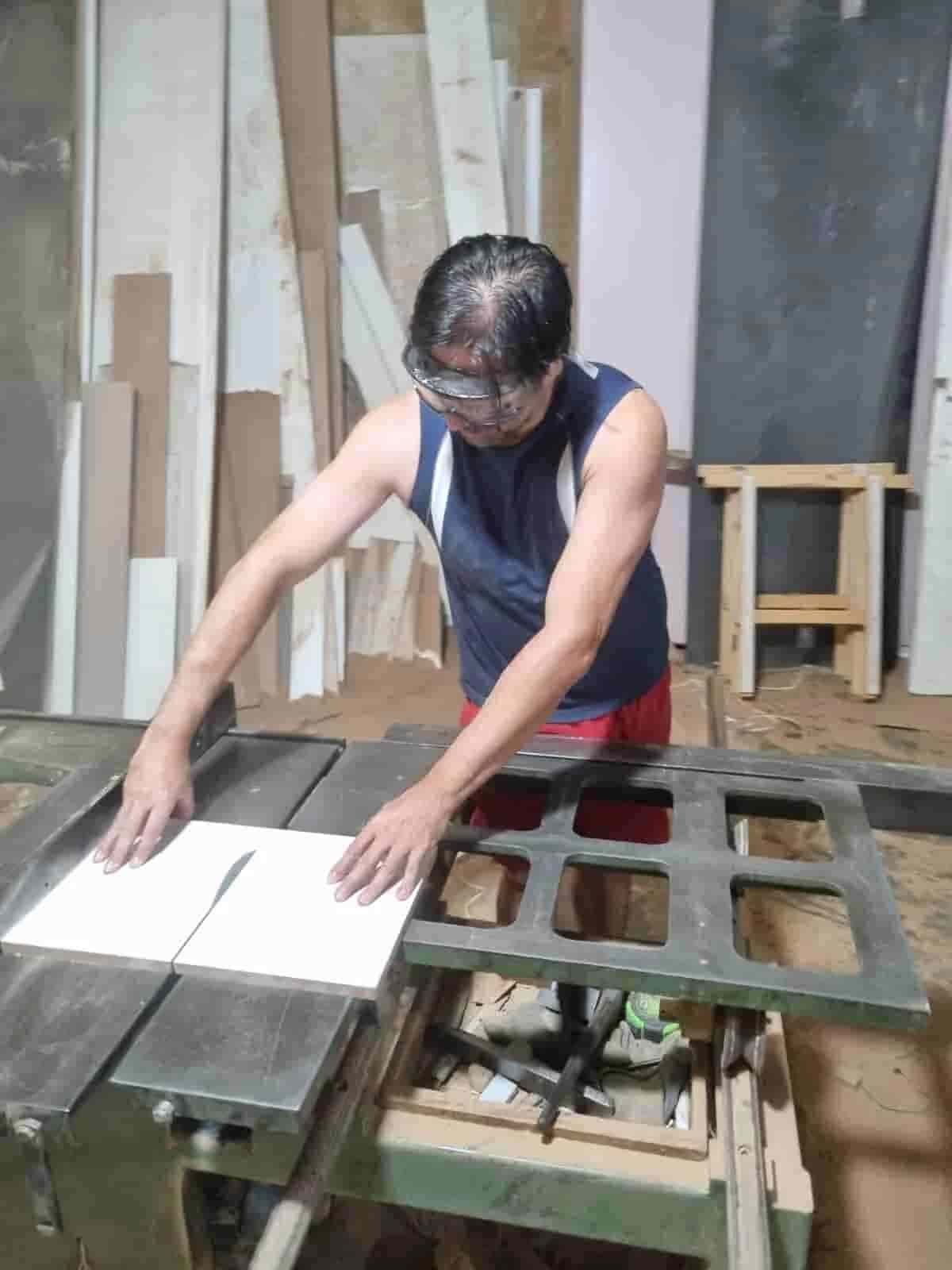
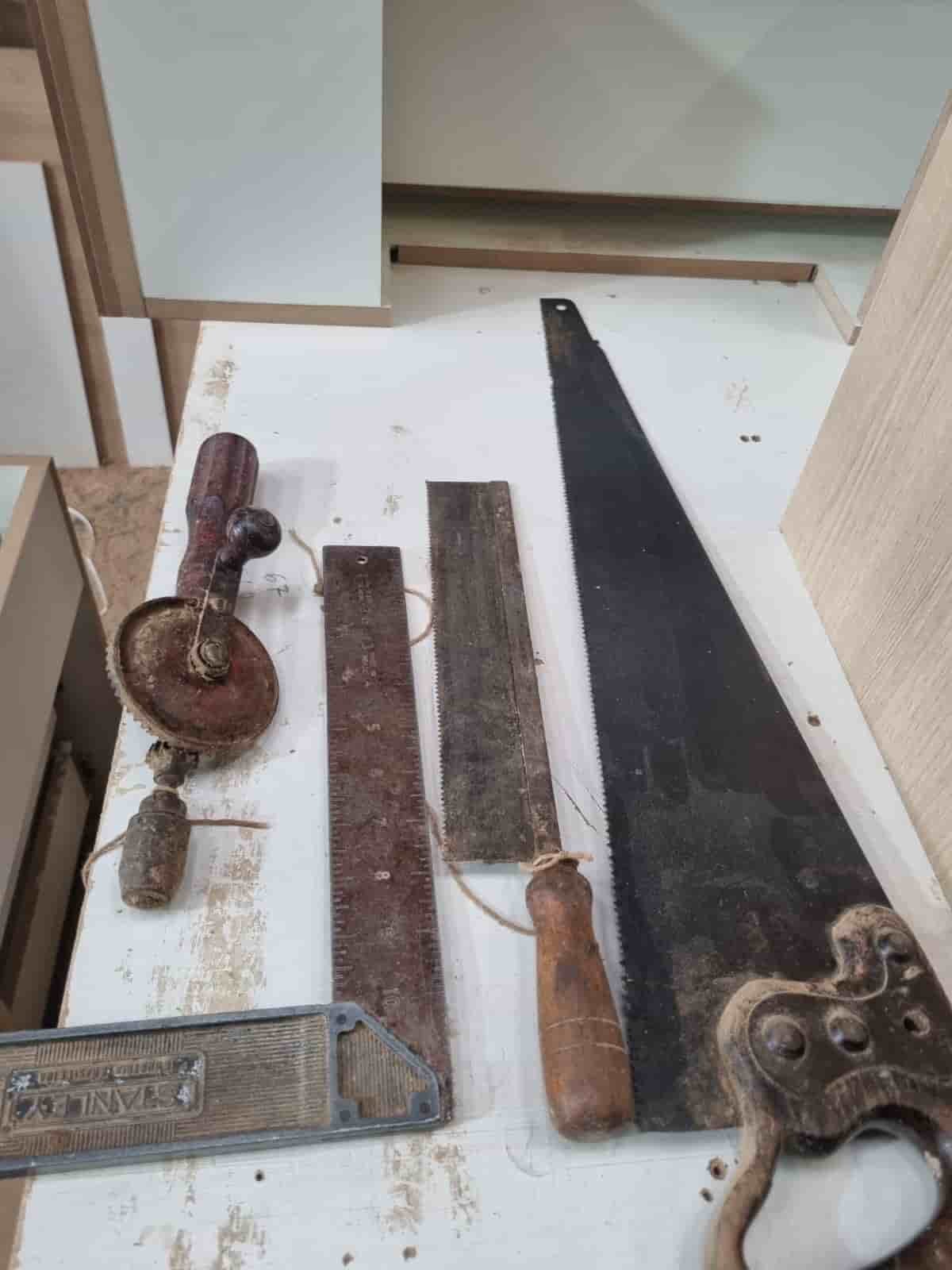
Real World Experience. Engineering Precision.
At SkyTC, technology is never just theoretical—it is driven by practical execution, structural integrity, and strict diagnostic standards. Founded by Valtersky, a tech speaker and seasoned professional, every single guide published here is backed by an authentic multidisciplinary background that bridges the gap between hardware structures and advanced software ecosystems.
Generational Craftsmanship
With 25 years of professional woodworking experience inherited through generations, he masterfully handles smart home mounting, wire routing, and physical hardware adjustments.
Medical Diagnostic Standards
An active career as a licensed X-ray technologist and dental prosthetics practitioner injects rigorous clinical precision, micro-detailed testing, and data integrity into tech evaluations.
Endurance Field Testing
As a competitive mountain ultramarathon runner, he takes every consumer wearable, smart sensor, and GPS watch out into extreme raw environments to test real-world durability boundaries.
Read also: Fix Smart Lock Jammed Due to Winter Wood Swelling: The Master Carpenter Guide
HARDWARE DANGER WARNING: Forcing a binding deadbolt to cycle under heavy lateral timber friction shears internal zinc actuator cams, permanently deadlocking the bolt inside the frame and creating a catastrophic entrapment hazard during a home fire.