
Welcome to the reality of goldfish keeping. If you think a pinch of cheap flakes once a day is going to keep your swimming buddy alive for a decade, I have a massive wake-up call for you. Learning how to feed goldfish for maximum lifespan is the single most important skill you can master to prevent premature floaters and keep your tank pristine.
I’ve been maintaining my massive 100-gallon (400-liter) goldfish tank for over eight years now. When I am not working as a professional seamstress or out on a long-distance run, I am studying goldfish nutrition and water chemistry. I have seen every mistake under the sun, and trust me, most goldfish do not die of old age—they die of digestive tract blowouts and ammonia spikes caused by rotten feeding habits.
It is incredibly frustrating to watch your beloved fancy goldfish struggle with swim bladder issues or sit miserably at the bottom of the tank. You buy what the pet store recommends, only to find out it is absolute garbage that turns your water cloudy and ruins your filter. Today, we are going to fix that with raw, unfiltered truth.
Imagine looking at your aquarium ten years from now, seeing your bright, massive, healthy goldfish greeting you at the glass, all while spending less time scrubbing moldy food and zero dollars on useless water clarifiers. That is the peace of mind we are building today.
Understanding Goldfish Digestion: The Anatomy of a Swim Bladder Trap
Goldfish do not have a stomach. Let that sink in for a second. When you feed them, the food goes straight from the esophagus into their long, winding intestines. Because they lack an acid-filled stomach chamber to break down massive chunks of dry food, their digestion is incredibly fragile.
If you feed them dry, cheap flakes that expand like crazy when wet, that food swells up inside their gut. This puts intense pressure on their swim bladder, which sits right next to the intestines.
The result? Your fancy double-tailed Oranda or Ryukin starts floating upside down like a cork. It is not a medical disease; it is pure, physical blockage from terrible food.
As a professional seamstress, I understand how tiny, precise adjustments make a massive difference in the final product. Goldfish anatomy is exactly the same—one tiny change in their diet can be the difference between a healthy digestive tract and a fatal blockage.
The Reality of the Battlefield: Marketing Myths vs. Tank Truths
Let’s talk about the gear and food sold on pet store shelves. Big-brand fish food manufacturers spend millions of dollars on shiny labels promising “optimum growth and vibrant colors.” But let’s get real and look at what actually happens in your tank.
Take premium floating pellets, for example.
- The Good Side: They are easy to grab, cleanly manufactured, and do not break apart immediately in your water.
- The Negative Point: Floating pellets force your goldfish to gulp air at the surface, which fills their digestive tract with gas and almost guarantees chronic swim bladder issues within a year.
Or look at those fancy automatic feeders that promise to automate your routine. They look like high-tech lifesavers.
- The Good Side: They dispense food at regular intervals, allowing you to go on vacation without worrying.
- The Negative Point: Moisture slowly creeps into the food chute, turning your premium dry pellets into a moldy, clogged clump of toxic mush that will dump into your tank and crash your biological filter overnight.
Even high-protein “growth” foods are a trap.
- The Good Side: They promote rapid size gains, making your fish look massive in a short amount of time.
- The Negative Point: They pack your goldfish with visceral fat, shortening their lives and turning your filter media into a greasy, brown nightmare that you have to clean every single weekend.
How to Feed Goldfish for Maximum Lifespan: The Ultimate Menu
If you want your fish to live for 10, 15, or even 20 years, you must feed them like the omnivorous foragers they are. Here is the breakdown of the major food categories.
Sinking Pellets vs. Floating Pellets
You should almost always choose high-quality sinking pellets (like Hikari Sinking Goldfish Excel) over floating ones. Sinking pellets mimic their natural bottom-feeding behavior and prevent them from swallowing harmful air bubbles.
- The Good Side: Sinking pellets keep your fish hunting naturally along the substrate and minimize swim bladder issues.
- The Negative Point: If you feed too many, they easily get lost in the gravel, rot out of sight, and cause massive ammonia spikes that can wipe out your tank.
Gel Foods: The Holy Grail of Goldfish Nutrition
If you want the absolute best for your fancy goldfish, gel food (like Repashy Super Gold) is the undisputed champion. You mix the powder with boiling water, let it set in the fridge, and cut it into cubes.
- The Good Side: It is packed with moisture, digestively incredibly gentle, and never expands inside the gut.
- The Negative Point: Preparing it is messy, it smells like a rotting harbor, and it dissolves quickly if your fish do not eat it in ten minutes, leaving a fine dust over your decorations.
Fresh Veggies and Foraging Foods
Goldfish need fiber. In my 100-gallon tank, I always keep a fresh leaf of organic spinach or a slice of blanched zucchini clipped to the side. They nibble on it throughout the day, which keeps their digestive tracts moving.
Blanched peas are another secret weapon. Peel the skin off a frozen pea, microwave it for 10 seconds, and drop it in. It acts as a natural laxative, clearing out any blockages in hours.
In 30 Seconds: The Quick Counter Talk Verdict
Don’t have time to read the deep science? Here is the raw, no-nonsense truth:
Stop feeding dry, cheap flakes. They are garbage.
Switch to high-quality sinking pellets or gel food immediately.
Feed your goldfish only what they can eat in two minutes, once or twice a day.
Keep a constant supply of fresh, blanched veggies in the tank for fiber.
Fast your goldfish one day a week to let their digestive systems completely reset.
Food Category Comparison
| Food Type | Digestion Safety | Water Clarity Impact | Prep Difficulty | Cost Efficiency |
|---|---|---|---|---|
| Premium Gel Food | Maximum | Moderate (must clean leftovers) | High (requires cooking) | Moderate |
| Sinking Pellets | High | High (if not overfed) | Low | High |
| Cheap Flakes | Low (gasping/bloat risk) | Terrible (disintegrates fast) | Low | Extremely High |
| Blanched Peas | Maximum | High | Medium (peeling required) | High |
| Freeze-Dried Worms | Moderate | Moderate | Low | Low (expensive treat) |
👇 Looking for more performance cheats? Check out our field-tested tactical blueprints:
The Goldfish Ecosystem Blueprint
Complete your advanced technical training loop by exploring our core evergreen resources.
How to Feed Goldfish for Maximum Lifespan
A deep breakdown of digestive tract mechanics, bloating prevention, and premium sinking diets.
How to Maintain a 100 Gallon Goldfish Tank
Large-scale system parameters. Deep sand bed mechanics, nitrogen cycling, and bioload management.
Ultimate Guide to Goldfish Tank Filtration
Heavy-duty hardware configurations. Optimizing parallel canisters, bio-media setups, and automation.
Why Most Beginners Fail (And How to Avoid the Trap)
When you bring home your first goldfish, the excitement is real. But then the anxiety creeps in. You see your fish sitting in the corner, or floating weirdly, and you panic. Your immediate reaction is to throw more food in, thinking they are hungry or weak.
This is a classic rookie error. Overfeeding is the number one killer of goldfish. In an aquarium, there are no currents to wash away waste, and goldfish do not have a stop button. They will literally eat themselves to death if you let them.
Another critical mistake is buying huge tubs of food. A giant tub of pellets seems like a great deal, but once you open that lid, oxygen and moisture begin to degrade the vitamins. After six months, that food is nothing but stale, nutrient-depleted cardboard. Buy small containers that you can finish in three months.
Your Weekly Feeding Troubleshooting Checklist
- Master how to feed goldfish for maximum lifespan by transitioning to a sinking-pellet or gel-food diet. Insider trick: Your fancy goldfish will thank you with straight, upright swimming and zero float bloat.
- Soak dry pellets in tank water for 5 minutes before feeding. Insider trick: This forces the pellet to expand outside the fish, not inside their fragile intestines.
- Fast your goldfish for 24 hours once a week. Insider trick: I do this every Sunday; it gives their digestive tract a clean sweep and keeps water parameters stable.
- Blanch and peel your peas. Insider trick: If you don’t peel the skin off, your goldfish will spit it out, and it will rot in your filter intake.
- Store your fish food in a cool, dry place, never on top of the warm aquarium hood. Insider trick: The heat and moisture from the hood ruin the nutrients and invite toxic mold.
- Only feed what can be consumed in 2 minutes. Insider trick: Set a timer on your phone; two minutes feels like an eternity when watching them eat, but it prevents massive overfeeding.
- Siphon out any uneaten food immediately. Insider trick: Turkey basters are the ultimate tool for picking up rogue pellets from the substrate.
- Feed your goldfish twice a day in tiny amounts rather than one giant meal. Insider trick: This mimics their natural grazing habits and puts less strain on their organs.
- Keep a veggie clip with spinach in the tank. Insider trick: It keeps them busy so they don’t dig up and destroy your live plants out of boredom.
- Buy fresh food every 3 to 4 months. Insider trick: Write the date of opening on the lid with a sharpie so you know when it is past its nutritional prime.
- Match pellet size to the size of the fish’s mouth. Insider trick: Pellets that are too big will get stuck in their throat, causing them to suffocate or choke.
- Keep an eye on the water parameters after feeding new foods. Insider trick: High-protein foods spike ammonia fast; test your water 4 hours after a heavy feed.
Frequently Asked Questions from the Bench
Can I feed my goldfish bread or crackers?
Absolutely not. Don’t even think about it. Bread expands in their gut like a sponge, causing massive blockages and yeast infections. It is a one-way ticket to a dead fish. Stick to species-appropriate aquatic diets.
Why is my goldfish floating upside down after eating?
Your fish is bloated because you fed it cheap, dry food that expanded in its gut and pressed against its swim bladder. Stop feeding floating flakes immediately. Fast the fish for 48 hours, then feed it shelled, blanched peas to clear the blockage.
Do goldfish really only have a three-second memory?
That is a complete myth. My goldfish recognize my face and will swim to the front of my 100-gallon tank whenever I walk into the room. They are smart, highly trainable, and quickly learn feeding schedules.
How often should I feed my goldfish?
Once or twice a day is plenty. If you are trying to grow them out, you can do three tiny feedings, but your filtration must be top-tier. For average keepers, once a day is safest and keeps your water clean.
Can goldfish eat tropical fish flakes?
Tropical fish food is formulated for insectivores and carnivores, meaning it has way too much protein and not enough fiber for a goldfish. Feeding them tropical flakes long-term will overload their kidneys and liver. Buy food specifically labeled for goldfish.
My goldfish is constantly begging for food. Is it starving?
No, they are opportunistic feeders and evolutionary gluttons. They will beg even if they are stuffed to the gills. Do not fall for their puppy-dog eyes; stick strictly to your scheduled feeding amounts.
Is freeze-dried food safe for goldfish?
It is safe only if you soak it first. Freeze-dried bloodworms or daphnia are incredibly dry and will suck moisture directly out of your fish’s gut, causing severe constipation. Soak them in tank water for 10 minutes before letting them eat.
What is the best emergency food if I run out of pellets?
Don’t panic and don’t throw dog food in the tank. The best emergency food is a plain, boiled, shelled green pea or a small leaf of blanched organic lettuce. Goldfish can easily go several days without food anyway, so waiting until you buy more pellets is perfectly safe.
🛡️ │ WHY TRUST SKYTC GOLDFISH CARE CURATION?
At SKYTC, we hold aquatic ecosystem biology and biological parameter handling to a rigorous standard. We are not an automated affiliate review engine; we apply hands-on tests and serious filtration engineering workflows to ensure every recommendation guarantees the health and maximum lifespan of your fish with absolute safety.
✓ Engineering:
Structural experience backed by heavy-duty filtration math, continuous hydraulic turnover metrics, and robust mechanical support for large-scale coldwater systems.
✓ Expertise:
Focuse on preventative biological husbandry and premium nutrition. Thoroughly auditing biological media, sinking feeds, and elements that completely neutralize ammonia spikes.
✓ Authority:
Curation signed by real keepers running a balanced 100-gallon display ecosystem for over 8 years, pairing daily practical benchwork with direct wholesale breeder insights.
✓ Trust:
Product selections built on unfiltered transparency—exposing actual electrical draws, heat dissipation issues, and hidden costs before any Amazon recommendations.
📸 Our Journey in the Real World
From daily living room tank turn rates to macro-scale breeding setups.
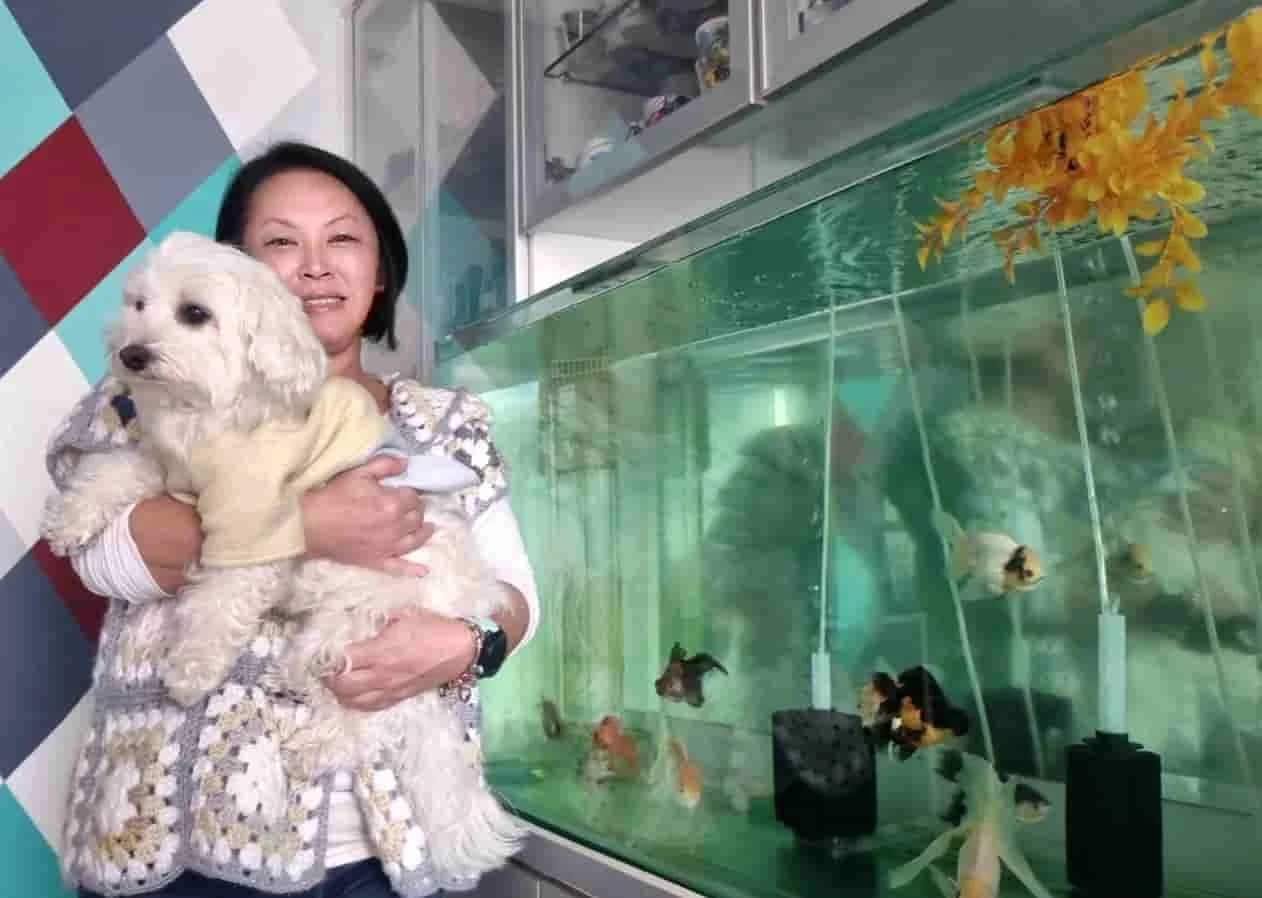
🏠 The 100G Lab
Where we torture test every hardware option, pellet line, and filter layout live.

🏃♀️ Grit & Eye
Marathon endurance meets the precise, millimeter structural focus of a seamstress.
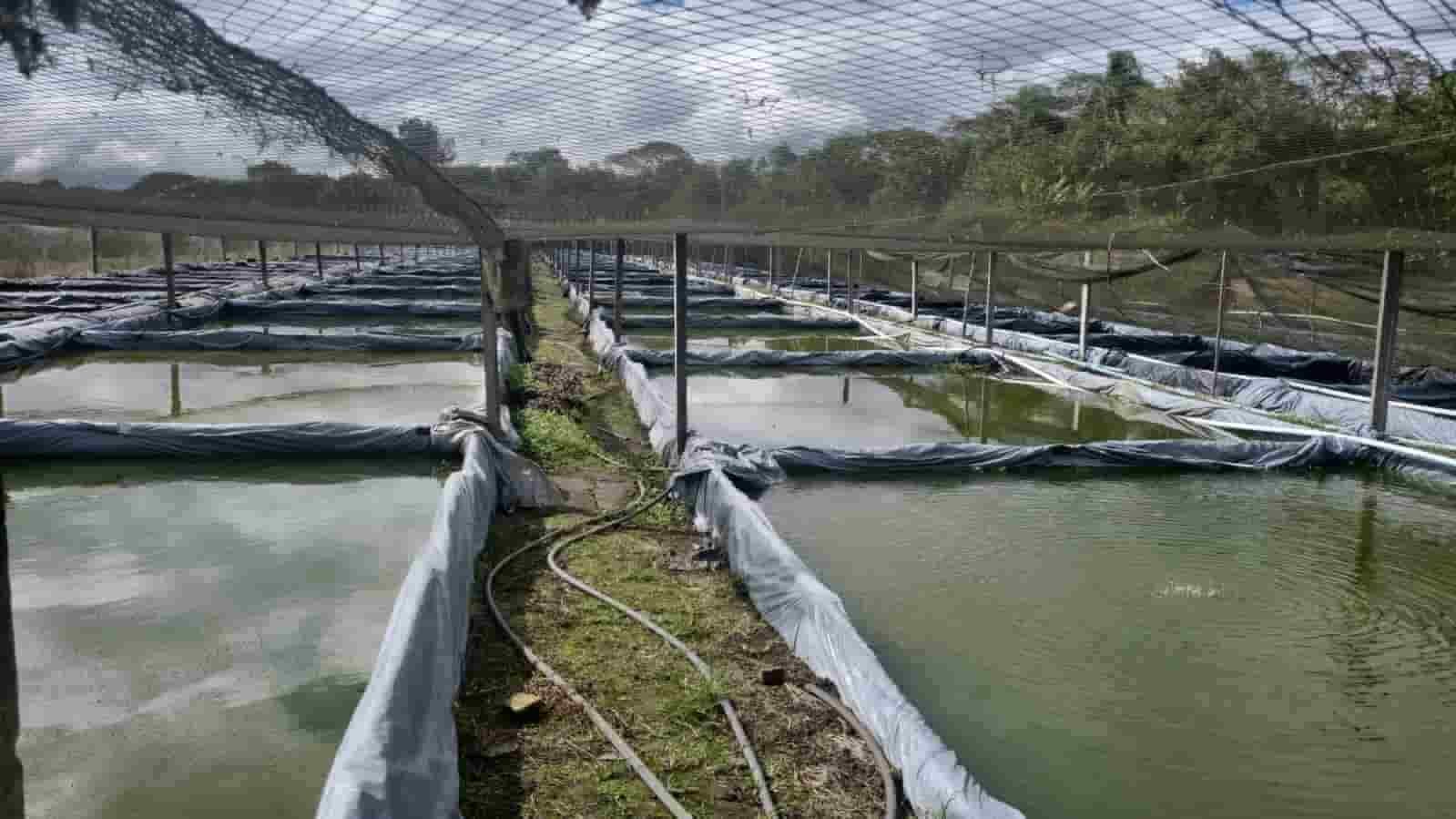
🐳 Monster Vats
Analyzing massive continuous turnovers inside large open-air mud farm vats.
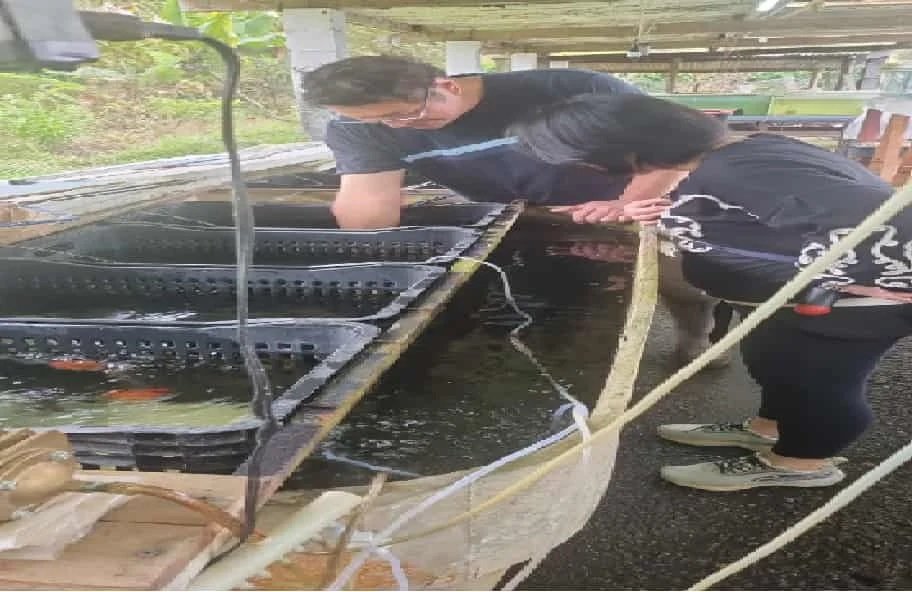
🤝 True Alliances
Working hand-in-hand with regional facility operations to target elite fancy bloodlines.