
If you are currently staring at a massive 100-gallon glass box filled with beautiful, clumsy water puppies and feeling utterly paralyzed by the sheer volume of water, I hear you. Learning How to Maintain a 100 Gallon Goldfish Tank can feel like trying to run a marathon in heavy boots while solving a rubik’s cube. Goldfish are magnificent, messy gluttons, and keeping their water clean without losing your mind is a real challenge.
As a professional seamstress, I know how easily a single loose thread can ruin a whole dress, and as a long-distance runner, I understand that consistency is the only way to cross the finish line. For the past 8 years, I have applied these exact same principles to maintaining my own 100-gallon (400-liter) goldfish aquarium.
Here is the honest truth: a large tank actually works in your favor by diluting toxins, but it also requires a structured, battle-tested routine to prevent it from turning into a smelly swamp. By following a smart, simplified protocol, you can slash your weekly maintenance time in half, protect your fish from deadly ammonia spikes, and finally enjoy the peaceful, crystal-clear sanctuary you built.
The Realities of How to Maintain a 100 Gallon Goldfish Tank Successfully
To keep a massive goldfish setup thriving, you have to understand that you aren’t just keeping fish; you are cultivating a living, breathing biological filter. Goldfish do not have stomachs. Food passes through their simple digestive tracts like a high-speed train, dumping massive amounts of ammonia into the water.
In a 100-gallon system, you have the volume to dilute this waste, but you must have the mechanical and biological muscle to process it. Let’s break down the essential components that make this possible without making your life miserable.
Filtration: Canister vs. Sump Systems
You need massive filtration capacity, and standard hang-on-back filters simply will not cut it.
Canister filters are the traditional gold standard for large goldfish tanks because they process immense volumes of water, leaving your tank crystal clear and your biological filtration rock-solid. However, these massive canister filters are incredibly heavy when full of water, and if you open them clumsily during maintenance, you can easily crack the plastic clips or pinch the O-ring, resulting in a flooded living room floor.
Sumps are fantastic for hiding all your heaters, pipes, and extra gear while adding extra water volume to your system. But they are noisy as hell if they are not tuned perfectly, and they take up every square inch of space inside your cabinet, leaving no room for food or tools.
Substrate Decisions: Fine Sand vs. Bare Bottom
What you put on the bottom of your tank dictates how easy it will be to keep clean.
Fine sand is incredible because it allows goldfish to display their natural sifting behavior, keeping them mentally stimulated and preventing pocket-sized waste traps. But sand is lightweight and easily gets sucked into canister intake tubes, where it grinds down your filter’s impeller shaft until it squeals like a dying pig.
Bare-bottom tanks are a breeze to clean because poop has nowhere to hide and can be siphoned out in minutes. However, they look stark, sterile, and clinical—completely stripping away the natural aesthetic of a beautiful living room centerpiece.
The Reality of the Battlefield: Gear Failures and Marketing Lies
Let’s stop pretending everything in the aquarium catalog works flawlessly. After 8 years of keeping goldfish, running miles, and sewing tight seams, I’ve learned that the aquarium industry is full of products that look great on paper but fail miserably in the real world.
Electronic water testers promise instant, lab-grade digital accuracy for your pH and ammonia levels. However, their delicate sensor probes lose calibration almost instantly, leading to terrifyingly false readings that will have you chasing ghost water chemistry issues.
Heavy-duty magnetic glass cleaners boast massive scrubbing power that can wipe away tough algae in a single swipe. But if a single grain of sand gets caught under the pad, they will gouge deep, permanent, heartbreaking scratches right across the front of your expensive glass.
Fancy plastic replica driftwood pieces look incredibly lifelike and add immediate structure to your scape without leaching tannins into the water. But their molded edges are often razor-sharp, and your clumsy, slow-moving fancy goldfish will eventually scrape their delicate head growth or rip their fins to pieces on them.
Hypothetical Error Scenario: Dave’s Great Filter Disaster
Let’s look at a classic mistake so you can avoid it entirely. Imagine Dave. Dave has a gorgeous 100-gallon tank with six massive Orandas. One Saturday, he notices the water is a little cloudy and the filter flow is slowing down. Driven by pure panic, Dave decides to do a massive 90% water change. While the tank is draining, he drags his heavy canister filter to the kitchen sink.
He unclips it, smells the muck, and scrubs every single sponge, ceramic noodle, and tray under hot, chlorinated tap water until they are squeaky clean. He hooks everything back up, fills the tank with tap water, dumps in a double dose of dechlorinator, and smiles at his sparkling clean masterpiece.
Thirty-six hours later, Dave’s goldfish are gasping at the surface. The water looks like someone poured a glass of milk into it. What happened? By washing his filter media in untreated tap water, Dave committed biological slaughter. He wiped out 99% of his beneficial nitrifying bacteria. The cloudy water is a massive bacterial bloom as the ecosystem desperately tries to rebuild itself, while invisible, toxic ammonia rises to lethal levels.
The lesson? Never clean your filter and do a massive water change on the same day, and never let chlorinated tap water touch your biological media. Rinse your sponges in a bucket of dirty tank water instead.
In 30 Seconds: The Raw Bench Verdict
Look, here is the no-nonsense breakdown of keeping a 100-gallon tank clean.
Stop overcomplicating things. You don’t need fancy chemical additives, digital monitors, or overpriced gadgets.
Get a massive canister filter rated for a tank twice your size, fill it with high-quality ceramic media, and rinse it only in old tank water once a month.
Change 40% to 50% of the water every single week using a gravel vacuum—no exceptions.
Feed high-quality sinking pellets, keep the temperature stable, and ignore the marketing hype.
Do these basic steps consistently, and your goldfish will live for over a decade while your water stays crystal clear.
Slack off for two weeks, and you will be staring at a toxic soup of sick, bloated fish. It’s that simple.
Choosing Your Maintenance Weapons
| Filter System | Weekly Workload | Bio-Capacity | The Fatal Flaw |
|---|---|---|---|
| Canister Filter (Fluval FX6) | Low (Clean monthly) | Massive | Heavy motor head; O-rings leak if misaligned |
| Sump System | Very Low (Swap socks weekly) | Ultimate | Noisy waterfall sounds; occupies cabinet space |
| Dual Hang-On-Back (HOB) | Medium (Bi-weekly squeeze) | Moderate | Water bypasses dirty pads; rattles constantly |
| Multiple Sponge Filters | High (Squeeze weekly) | Low | Ugly black cylinders cluttering the tank scape |
👇 Looking for more performance cheats? Check out our field-tested tactical blueprints:
The Goldfish Ecosystem Blueprint
Complete your advanced technical training loop by exploring our core evergreen resources.
How to Feed Goldfish for Maximum Lifespan
A deep breakdown of digestive tract mechanics, bloating prevention, and premium sinking diets.
How to Maintain a 100 Gallon Goldfish Tank
Large-scale system parameters. Deep sand bed mechanics, nitrogen cycling, and bioload management.
Ultimate Guide to Goldfish Tank Filtration
Heavy-duty hardware configurations. Optimizing parallel canisters, bio-media setups, and automation.
Step-by-Step Weekly Maintenance Routine
As someone who runs long distances, I treat tank maintenance like a recovery run. I get my gear ready, lock into a rhythm, and don’t stop until the job is done. Here is my exact weekly routine:
- Unplug your filters and heaters. Keeping them running while water levels drop will burn out motor impellers and shatter glass heater tubes.
- Use a high-quality gravel vacuum to siphon water from the bottom of the tank. Focus on dead spots where waste accumulates, such as corners and behind large hardscape rocks.
- Drain approximately 40% to 50% of the water. Do not go overboard unless your parameters are completely out of whack.
- While the water is draining, use a simple melamine foam sponge to wipe down the inside glass. It is cheap, highly effective, and won’t scratch.
- Refill the tank with a water-changer hose connected directly to your tap. Adjust the temperature by feel so it matches the tank water.
- Dose your water dechlorinator directly into the tank based on the total tank volume (100 gallons) as the fresh water flows in.
- Plug your filters and heaters back in. Verify that the water is flowing smoothly and the heater indicator lights are on.
Troubleshooting Checklist for Big Tank Owners
- How to Maintain a 100 Gallon Goldfish Tank requires checking your water parameters weekly with a liquid test kit—insider trick: strip tests are completely useless garbage; they drift within minutes of opening the bottle.
- Check the filter flow rate—insider trick: if the output nozzle is barely spitting, your mechanical sponges are packed solid with fish poop; clean them immediately.
- Monitor water temperature—insider trick: goldfish don’t need heaters, but rapid temp swings in winter will stress their immune systems and invite diseases.
- Inspect fish for clamped fins or red streaks—insider trick: red streaks on tails mean high ammonia or nitrate; change water immediately before things get worse.
- Sniff the water surface—insider trick: if the tank smells like a damp swamp or rotten eggs, you have anaerobic gas pockets under your sand; stir it up.
- Clean the filter impeller—insider trick: goldfish slime coats accumulate on the magnet rotor; scrub it with an old toothbrush once a month to prevent motor burnout.
- Inspect the O-rings on your plumbing—insider trick: lube them with food-grade silicone grease every single time you open the filter, or they will dry rot and leak.
- Check the air pump output—insider trick: check valves wear out and restrict airflow; replace them yearly to keep oxygen levels high.
- Look for microbubbles—insider trick: if your canister is spitting tiny bubbles, it’s drawing air from a loose intake connection, not producing oxygen.
- Vacuum the hard-to-reach dead spots—insider trick: move your hardscape rocks once a month; you will be absolutely disgusted by how much waste hides underneath.
- Control light cycles—insider trick: keep your lights on a strict timer for no more than 8 hours, or you’ll be scraping green hair algae till your arms fall off.
- Avoid overfeeding—insider trick: if the water turns cloudy two hours after feeding, you’re throwing in way too much food; cut the portion in half.
Frequently Asked Questions (Gritty Bench Tech Edition)
Can I keep tropical fish with my goldfish in a 100-gallon tank?
Absolutely not. Stop trying to mix cold-water waste-machines with delicate warm-water fish. Your goldfish will either eat them, get their slime coats sucked off by aggressive tankmates, or suffer from mismatched temperature demands. Keep goldfish with goldfish. Period.
How many goldfish can I actually put in a 100-gallon tank?
Keep it to six fancy goldfish maximum. If you’re talking single-tails like Comets or Commons, three is your absolute limit. They grow into massive, foot-long bricks. Don’t crowd them just because the tank looks empty when they are babies.
Do I really need to do water changes if my nitrate levels are low?
Yes, you do. Goldfish produce growth-inhibiting hormones that build up in the water. No filter on earth can remove these hormones. If you don’t change the water, your fish will end up stunted, deformed, and short-lived.
Why is my tank water constantly cloudy even after a water change?
You either nuked your beneficial bacteria by washing your filter media in tap water, or you are overfeeding like crazy. Stop touching the filter, cut back feeding to once a day, and let the biological system stabilize.
Can I use a cheap hang-on-back filter for a 100-gallon goldfish tank?
No. A standard hang-on-back filter is an absolute joke for a tank this size. It will clog within days, bypass dirty water back into the tank, and leave dead spots everywhere. Get a heavy-duty canister filter or go home.
Is it okay to use gravel instead of sand for my goldfish?
It’s a ticking time bomb. Goldfish sift substrate constantly. They will swallow gravel, get it wedged in their throats, and choke to death. Plus, gravel traps immense amounts of rotting poop that poisons your water. Use sand or go bare-bottom.
Do I need to add aquarium salt during every water change?
No. Salt does not evaporate and only leaves the tank during water changes. Continually adding salt builds up a massive, toxic salinity level that will destroy your plants and stress your fish’s kidneys. Only use salt for targeted therapeutic baths.
My goldfish is floating upside down. Is it swim bladder disease?
Nine times out of ten, it’s not a “disease”—it’s poor water quality or a bad diet. High nitrates cause neurological issues, and dry floating flakes fill their guts with air. Feed sinking pellets, test your water, and do a massive water change before throwing medicine at it.
🛡️ │ WHY TRUST SKYTC GOLDFISH CARE CURATION?
At SKYTC, we hold aquatic ecosystem biology and biological parameter handling to a rigorous standard. We are not an automated affiliate review engine; we apply hands-on tests and serious filtration engineering workflows to ensure every recommendation guarantees the health and maximum lifespan of your fish with absolute safety.
✓ Engineering:
Structural experience backed by heavy-duty filtration math, continuous hydraulic turnover metrics, and robust mechanical support for large-scale coldwater systems.
✓ Expertise:
Focuse on preventative biological husbandry and premium nutrition. Thoroughly auditing biological media, sinking feeds, and elements that completely neutralize ammonia spikes.
✓ Authority:
Curation signed by real keepers running a balanced 100-gallon display ecosystem for over 8 years, pairing daily practical benchwork with direct wholesale breeder insights.
✓ Trust:
Product selections built on unfiltered transparency—exposing actual electrical draws, heat dissipation issues, and hidden costs before any Amazon recommendations.
📸 Our Journey in the Real World
From daily living room tank turn rates to macro-scale breeding setups.
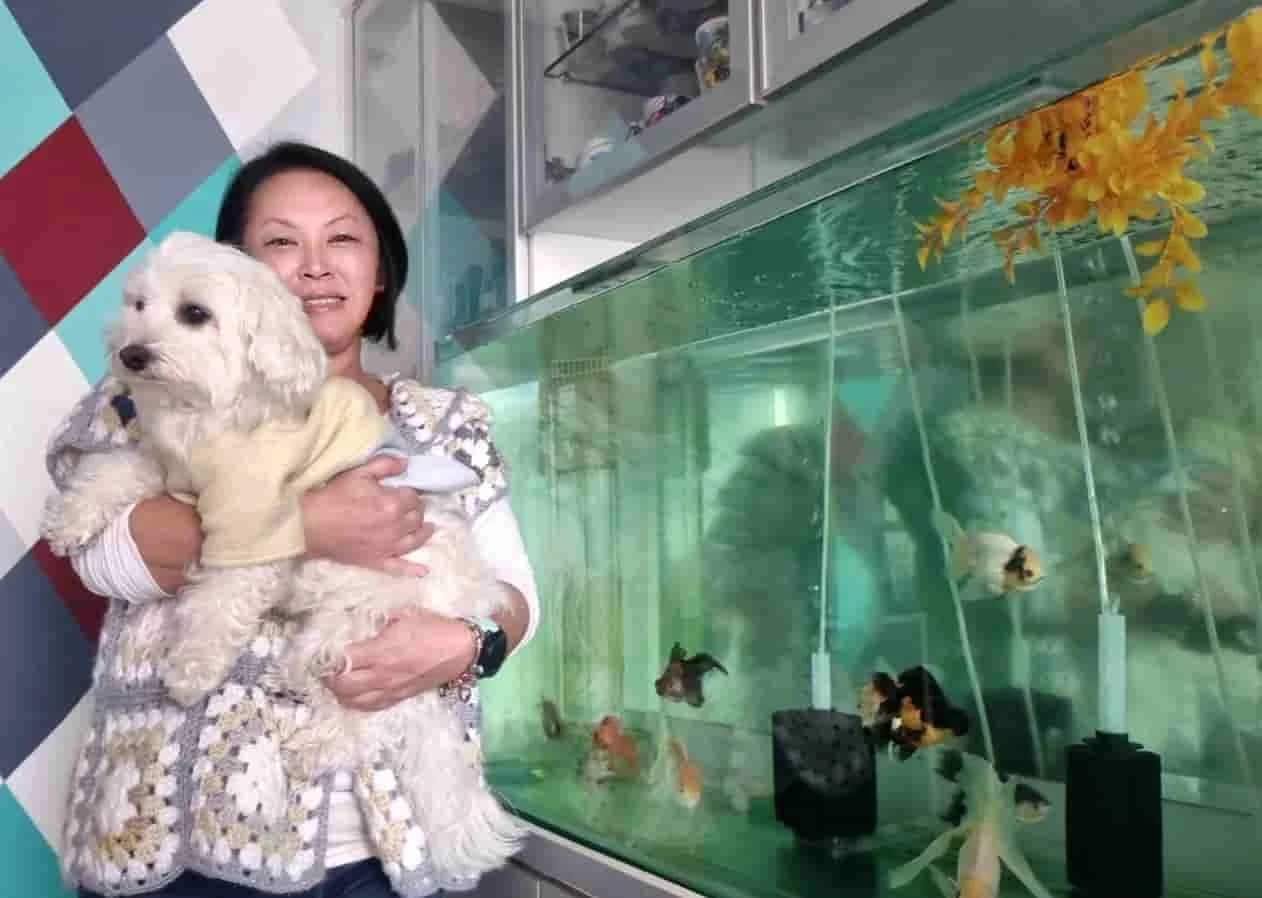
🏠 The 100G Lab
Where we torture test every hardware option, pellet line, and filter layout live.

🏃♀️ Grit & Eye
Marathon endurance meets the precise, millimeter structural focus of a seamstress.
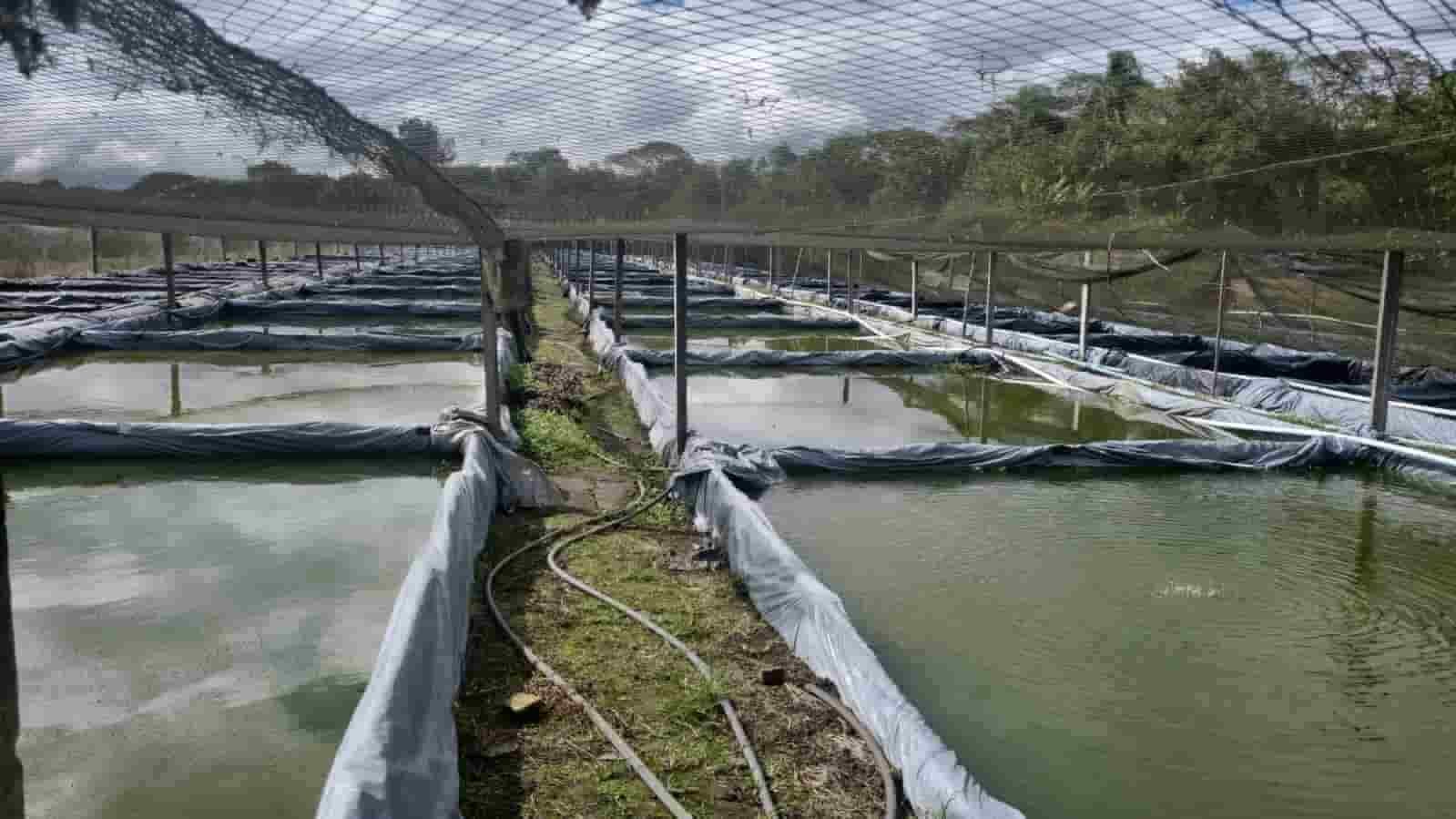
🐳 Monster Vats
Analyzing massive continuous turnovers inside large open-air mud farm vats.
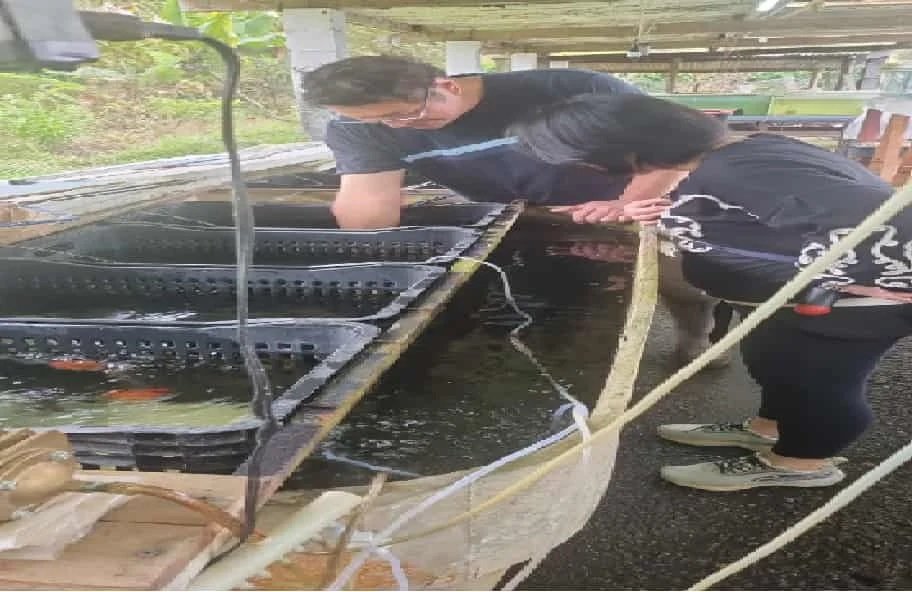
🤝 True Alliances
Working hand-in-hand with regional facility operations to target elite fancy bloodlines.