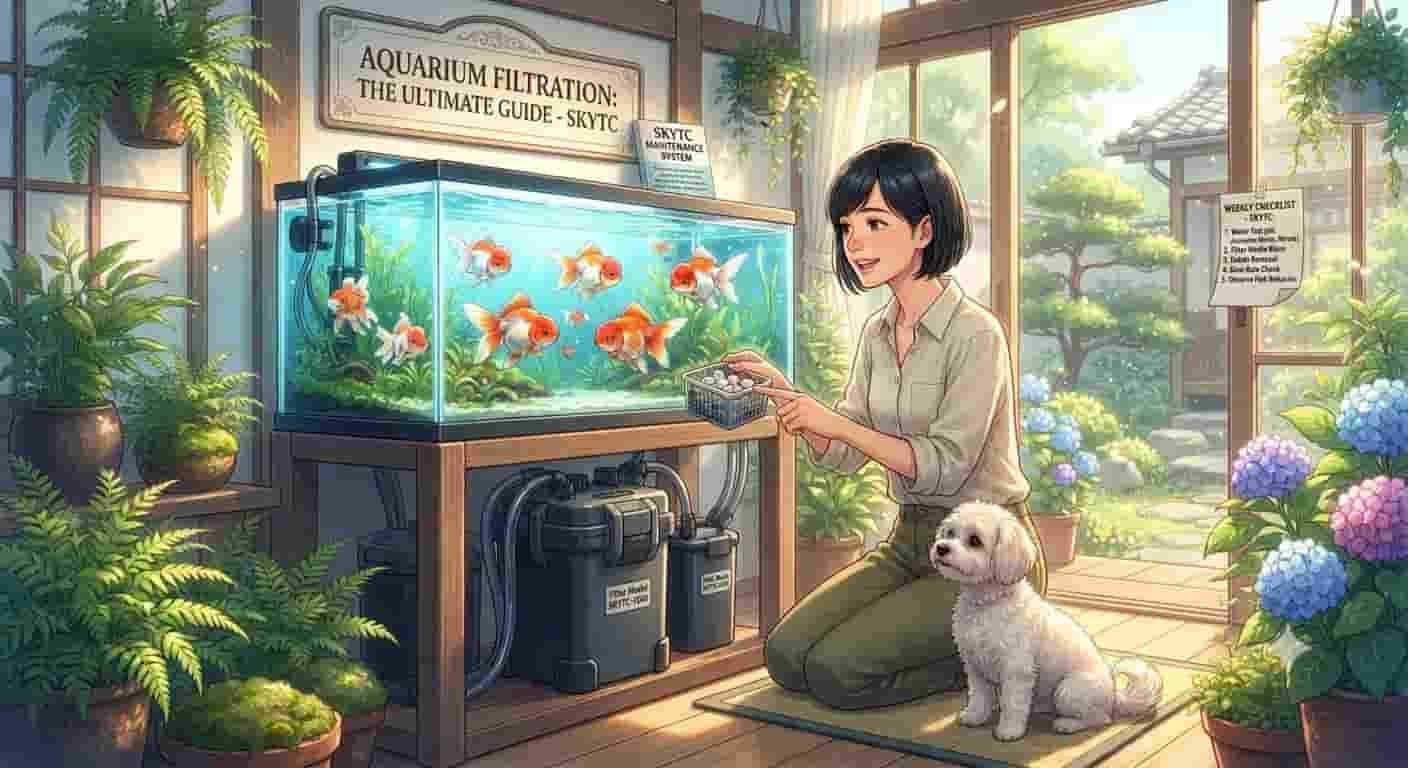
If you are struggling with cloudy water, floating debris, or a foul smell rising from your aquarium, you are not alone. Stepping into the world of Goldfish Tank Filtration can feel completely overwhelming for a beginner, but finding the right system is the single most important decision you will make for your setup. Goldfish are magnificent, messy gluttons, and they require a lot more biological muscle than your average tropical fish.
As a professional seamstress, I know that a single misaligned stitch can ruin an entire custom wedding dress, and as a long-distance runner, I know that maintaining endurance is all about pacing yourself. For 8 years, I have applied these same meticulous habits to keeping a massive 100-gallon (400-liter) goldfish aquarium running beautifully. Keeping your tank clean shouldn’t feel like a grueling second job that drains your energy and empty your pockets.
The good news is that once you understand the basic mechanics of how waste is processed, you will regain complete peace of mind, spend less time cleaning, and save hundreds of dollars on useless, marketing-hyped chemical quick fixes. Let’s dive deep into what actually goes on inside your filter so you can set up a system that keeps your water crystal clear for years to come.
Understanding the Heavy Demands of Goldfish Tank Filtration
To put it bluntly, goldfish are poop machines. Unlike many tropical fish, they do not have a true stomach; instead, their food passes through their digestive system in a continuous loop, leaving behind vast amounts of organic waste and solid particles. Because of this unique biology, your choice in Goldfish Tank Filtration is the only thing standing between a healthy, thriving pet and a toxic, ammonia-filled nightmare.
A high-quality filter acts as the liver and kidneys of your aquarium, working around the clock to strip out physical floating debris and neutralize invisible, highly toxic chemical compounds. If you scrimp on your filtration system, your fish will suffer from chronic stress, stunted growth, and fin rot, while you end up constantly battling ugly bacterial blooms.
The Three Layers of Clean: Mechanical, Biological, and Chemical
Mechanical filtration is your first line of defense. It uses physical media like coarse sponges, filter socks, or poly-fil to trap large particles of fish waste, uneaten food, and decaying plant matter before they can break down in the water column.
The Good Side: It physically pulls unsightly brown muck out of the water, leaving it looking like polished showroom glass. The Negative Point: These mechanical pads clog up incredibly fast under heavy goldfish waste loads, and if you do not pull them out to rinse them weekly, they will rot inside the filter and choke off the water flow entirely.
Biological filtration is the absolute heart of the system. It consists of billions of beneficial nitrifying bacteria colonizing highly porous ceramic rings, bio-balls, or sintered glass media, which naturally convert toxic ammonia into nitrite, and then into safer nitrates.
The Good Side: This invisible bacterial colony works silently to drop your ammonia levels to zero, preventing dangerous chemical spikes that can kill your fish overnight. The Negative Point: It takes several weeks to fully colonize new media, and if you make the mistake of washing these porous stones in chlorinated tap water, you will instantly wipe out the entire colony and crash your tank.
Chemical filtration uses activated carbon or specialized synthetic resins to pull dissolved organic compounds, heavy metals, odors, and unsightly yellow tints directly from the water.
The Good Side: It eliminates that damp, swampy smell and clears up yellow-tinted water instantly. The Negative Point: Carbon has a very limited lifespan and becomes completely saturated within a few weeks, meaning it stops working and can actually begin dumping the trapped toxins back into your aquarium if not replaced.
Canister Filters vs. Sponge Filters vs. Hang-On-Back (HOB)
Canister filters are the undisputed heavyweight champions of the goldfish world. These external pressure-driven units sit safely inside your cabinet, holding massive amounts of custom media and pumping high volumes of water.
The Good Side: They offer unparalleled mechanical and biological capacity, meaning you only need to open them up for maintenance once every month. The Negative Point: The motor head assembly is incredibly heavy when full of water, and if you open the latches clumsily during cleaning, you can easily crack the plastic housing clips and flood your living room floor.
Sponge filters are simple, air-driven blocks of foam that sit directly inside the tank, pulling water through the sponge using bubbles from an air pump.
The Good Side: They are dirt-cheap, highly oxygenating, and completely safe for small, slow-moving fancy goldfish with delicate fins. The Negative Point: They look incredibly ugly sitting in your beautiful aquascape, and they provide zero mechanical suction, meaning solid waste will just settle on the bottom of your tank.
Hang-on-back filters sit on the rear rim of the aquarium, drawing water up an intake tube, passing it through a small cartridge chamber, and spilling it back over a waterfall spillway.
The Good Side: They are highly accessible, easy to clean without making a mess, and let you swap media cartridges in seconds. The Negative Point: The internal chambers are far too small to hold enough biological media for adult goldfish, and the thin plastic lids rattle loudly enough to drive you crazy.
The Reality of the Battlefield: Why Cheap Gear Fails
Let’s stop pretending that every product on the pet shop shelf works like magic. In my 8 years of running, sewing, and maintaining large setups, I’ve seen countless fancy-looking filters fail miserably under real-life conditions.
Many budget canister filters boast impressive water flow rates on the box. However, their cheap internal plastic trays warp over time, allowing water to bypass the media entirely and pump dirty, unfiltered muck straight back into your display tank.
Sleek, built-in internal filters look incredibly modern and save space behind the tank. But their tiny, proprietary sponge cartridges clog up after only forty-eight hours, requiring you to constantly stick your hands in the cold water to clean them.
Fancy digital flow meters look impressive on high-end filter heads. However, their internal electronic sensors corrode rapidly in wet environments, giving you completely false warnings or flashing annoying error codes that you cannot turn off.
Dave’s Big Ammonia Crash: A Common Filter Mistake
To help you understand how easy it is to mess this up, let me tell you about a common pitfall. Imagine a hobbyist named Dave. Dave noticed his goldfish tank water was getting a bit cloudy, and the filter’s output seemed sluggish.
Driven by pure frustration, Dave took his expensive canister filter to the kitchen sink, opened it up, and scrubbed every single ceramic noodle and sponge under hot, chlorinated tap water until they looked brand new. He hooked it back up, filled the tank with tap water, and felt incredibly proud of his spotless setup.
Two days later, Dave’s prized Orandas were gasping at the surface, their gills raw and red. By washing his biological media in untreated tap water, Dave had committed microbial slaughter. He wiped out his entire beneficial bacterial colony, causing a massive ammonia spike and triggering a severe bacterial bloom that turned his water milky white. Always rinse your filter media in a bucket of used tank water, never under the tap.
In 30 Seconds: The Straight-Up Verdict
If you want clear water, stop buying cheap, underpowered filters and magic chemical bottled fixes.
Buy a canister filter rated for a tank twice your size, fill it with high-quality ceramic media, and leave it alone.
Do not touch your biological media under tap water; rinse it only in old tank water once a month.
Clean your mechanical sponges weekly, vacuum the gravel, and let the natural bacteria do the heavy lifting.
Goldfish keeping is a marathon, not a sprint, and consistency is your absolute best friend.
Keep it simple, buy reliable gear once, and stop overthinking the process.
Comparing Goldfish Filtration Systems
| Filter Type | Mechanical Power | Biological Capacity | Maintenance Effort | Price Point |
|---|---|---|---|---|
| Canister Filter | Excellent | Massive | Monthly (Heavy) | Premium |
| Sump System | Outstanding | Extreme | Weekly (Socks only) | Very High |
| Hang-On-Back | Moderate | Low | Bi-Weekly (Easy) | Budget |
| Sponge Filter | Poor | Moderate | Weekly (Squeeze) | Very Low |
👇 Looking for more performance cheats? Check out our field-tested tactical blueprints:
The Goldfish Ecosystem Blueprint
Complete your advanced technical training loop by exploring our core evergreen resources.
How to Feed Goldfish for Maximum Lifespan
A deep breakdown of digestive tract mechanics, bloating prevention, and premium sinking diets.
How to Maintain a 100 Gallon Goldfish Tank
Large-scale system parameters. Deep sand bed mechanics, nitrogen cycling, and bioload management.
Ultimate Guide to Goldfish Tank Filtration
Heavy-duty hardware configurations. Optimizing parallel canisters, bio-media setups, and automation.
The Ultimate Goldfish Tank Filtration Troubleshooting Checklist
- Goldfish Tank Filtration flow is dropping rapidly? *Insider trick: check your intake tube for a snail shell or a clump of decaying plant leaves before tearing the whole pump apart.*
- Water smells like rotten eggs? *Insider trick: you have pockets of trapped organic waste decomposing under your substrate; vacuum the sand immediately.*
- The filter motor is making a loud rattling noise? *Insider trick: a tiny piece of sand has likely entered the impeller chamber; pull the magnet out and rinse it clean.*
- Microbubbles are shooting out of the output nozzle? *Insider trick: your canister’s intake O-ring is dry and drawing in air; lube it with food-grade silicone grease.*
- Water is cloudy white forty-eight hours after a water change? *Insider trick: this is a bacterial bloom; leave it alone for three days and it will clear up on its own.*
- Algae is growing rapidly on your filter return outlet? *Insider trick: your tank lights are on for too many hours a day; drop the timer down to eight hours max.*
- Filter pads are slimy and brown? *Insider trick: this is normal bacterial biofilm; don’t scrub it clean with soap, just give it a gentle squeeze in dirty tank water.*
- Water bypasses your filter cartridges? *Insider trick: the pad is completely packed with debris; replace or wash the mechanical layer immediately.*
- Fish are hiding in the bottom corners? *Insider trick: your filter output flow is too strong; baffle the return nozzle with a piece of sponge to slow down the current.*
- Ammonia levels refuse to drop to zero? *Insider trick: you are likely overfeeding or your tank is heavily overstocked for its current filtration capacity.*
Frequently Asked Questions (Gritty Bench Tech Edition)
Can I turn my filter off at night to stop the noise?
Absolutely not. If you turn your filter off for more than a couple of hours, the beneficial bacteria inside will deplete the oxygen and die off. When you turn it back on in the morning, you will pump dead organic matter and toxic gasses straight back into your tank. If it’s too loud, fix the impeller or buy a quieter unit.
Do I really need to buy expensive replacement cartridges every month?
No, that is a complete marketing scam designed to drain your wallet. Throw those cheap plastic-and-carbon cartridges in the trash and stuff your filter chamber with coarse foam and high-quality ceramic rings. They last for years and only need a quick squeeze in old tank water when they get dirty.
Why is my water still yellow after doing a massive water change?
Water changes only dilute the yellow tints caused by organic waste compounds. To get rid of that tea-colored water, you need to use chemical filtration. Throw a bag of high-quality activated carbon or specialized organic scavenger resins into your filter, and the yellow tint will disappear overnight.
Can I use a pond filter on my indoor goldfish tank?
Yes, you can, and it’s actually an incredible option if you have a massive setup. Pond filters hold huge amounts of media and are built to handle serious waste. However, they are incredibly bulky, look hideous in a living room, and can easily leak if you don’t secure the hose connections with heavy-duty metal clamps.
Is a sump filter better than a canister filter for goldfish?
A sump is technically superior because it increases your total water volume, hides all your heaters, and makes mechanical cleaning incredibly simple. But they are a complete nightmare to install, expensive to build, and if your return pump fails during a power outage, you risk draining half your tank onto the floor.
How often should I clean my biological filter media?
Almost never. You only want to rinse your biological media in a bucket of tank water when it becomes physically coated in brown sludge, which blocks the water from reaching the bacteria. If you are cleaning it more than twice a year, your mechanical filtration is failing to do its job.
Why is my new canister filter spitting dirty water into my tank?
You probably forgot to rinse the manufacturing dust off your new carbon or ceramic media before packing the trays. Unplug the unit, drain the dusty water out, fill it with clean dechlorinated water, and plug it back in. It should clear up within a few hours.
Do plants help with goldfish tank filtration?
Yes, fast-growing plants like Pothos or Hornwort are fantastic natural filters that suck up nitrates and phosphates. However, hungry goldfish will shred, uproot, and eat almost any delicate plant you put in the tank. Stick to tough, leathery plants like Anubias or grow Pothos roots directly out of the top of your filter.





🛡️ │ WHY TRUST SKYTC GOLDFISH CARE CURATION?
At SKYTC, we hold aquatic ecosystem biology and biological parameter handling to a rigorous standard. We are not an automated affiliate review engine; we apply hands-on tests and serious filtration engineering workflows to ensure every recommendation guarantees the health and maximum lifespan of your fish with absolute safety.
✓ Engineering:
Structural experience backed by heavy-duty filtration math, continuous hydraulic turnover metrics, and robust mechanical support for large-scale coldwater systems.
✓ Expertise:
Focuse on preventative biological husbandry and premium nutrition. Thoroughly auditing biological media, sinking feeds, and elements that completely neutralize ammonia spikes.
✓ Authority:
Curation signed by real keepers running a balanced 100-gallon display ecosystem for over 8 years, pairing daily practical benchwork with direct wholesale breeder insights.
✓ Trust:
Product selections built on unfiltered transparency—exposing actual electrical draws, heat dissipation issues, and hidden costs before any Amazon recommendations.
📸 Our Journey in the Real World
From daily living room tank turn rates to macro-scale breeding setups.
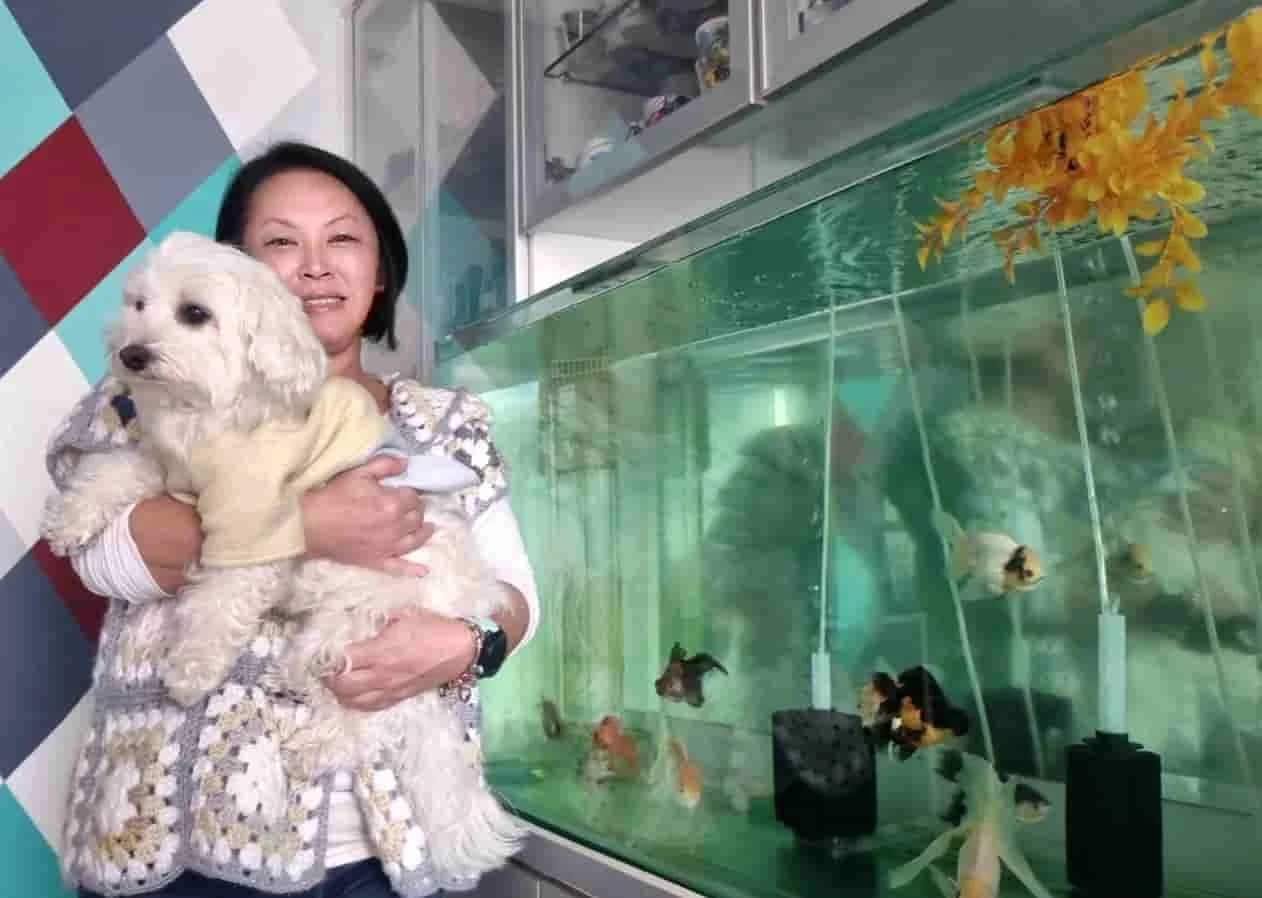
🏠 The 100G Lab
Where we torture test every hardware option, pellet line, and filter layout live.

🏃♀️ Grit & Eye
Marathon endurance meets the precise, millimeter structural focus of a seamstress.
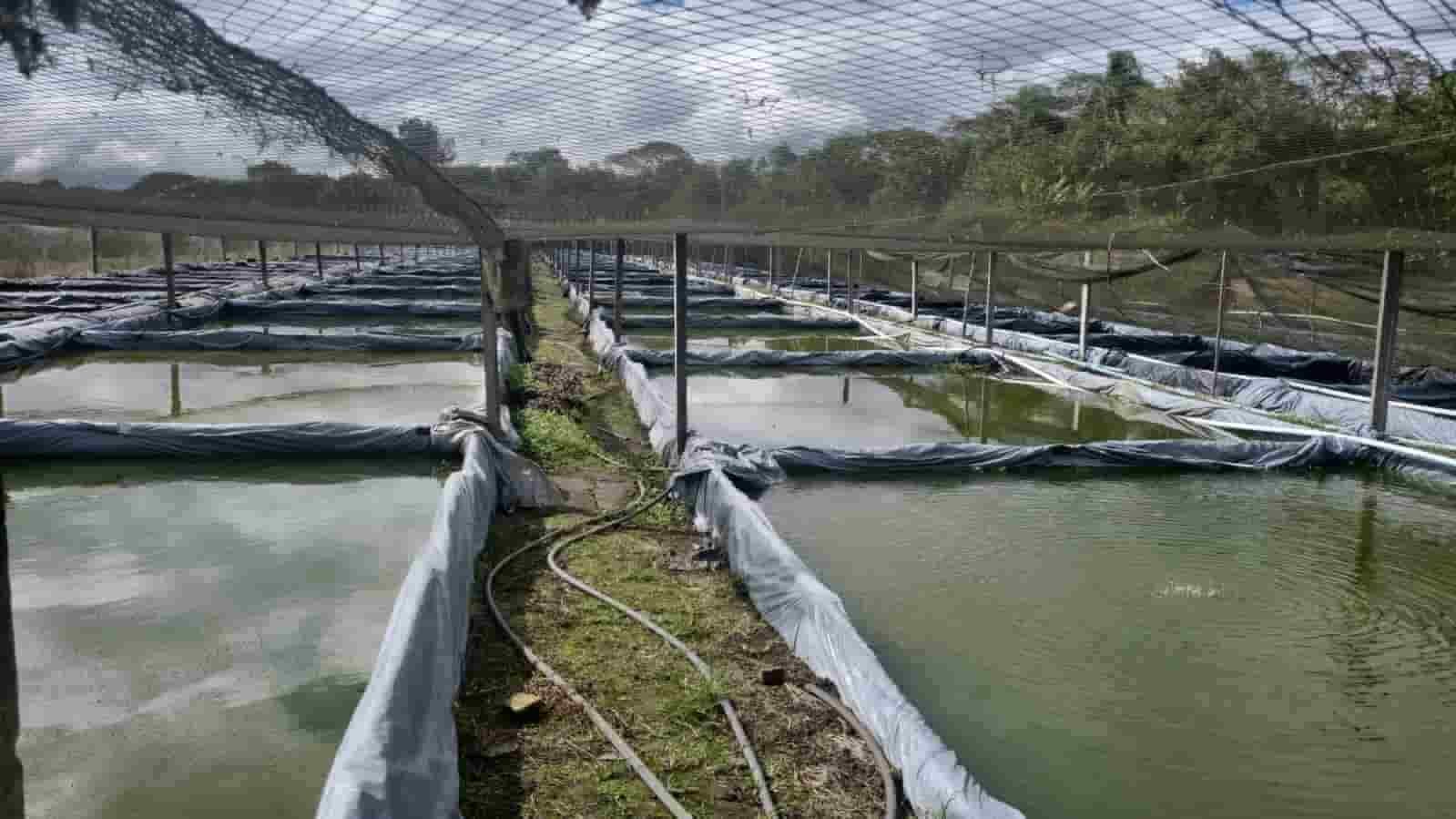
🐳 Monster Vats
Analyzing massive continuous turnovers inside large open-air mud farm vats.
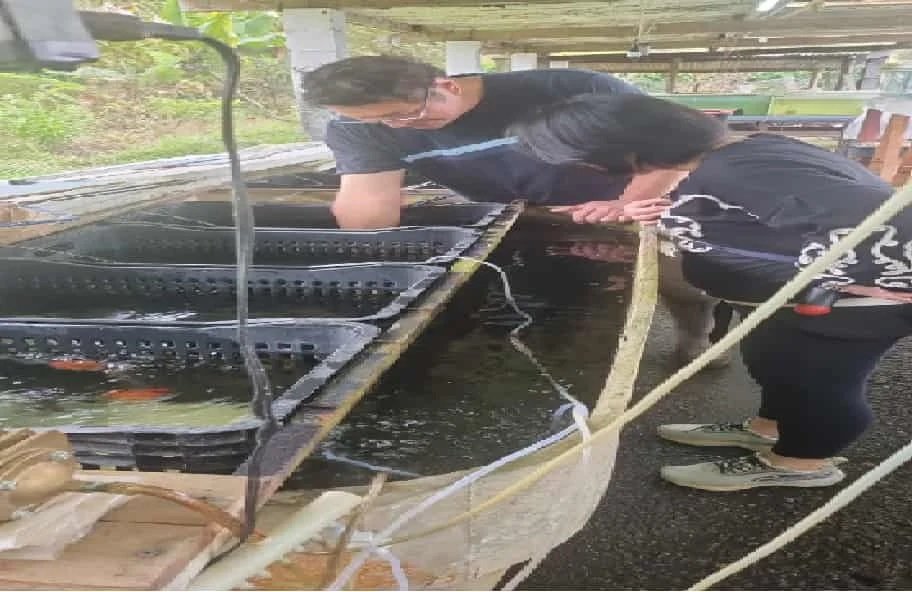
🤝 True Alliances
Working hand-in-hand with regional facility operations to target elite fancy bloodlines.