
If you just sat down at your desk for a long day of remote work, only to hear your front door screeching an annoying warning beep, you know the absolute panic of a malfunctioning lock. You bought this high-tech gadget for convenience, but now you are staring down a frustrating warning message on your phone. When you need to fix smart lock jammed wooden door jamb error troubles, you are not actually dealing with a bad microchip; you are battling the natural, stubborn movements of wood.
As someone who spent 25 years in woodworking and a couple of years working with highly precise dental prosthetics, I can tell you that a single millimeter of swelling can ruin a lock’s alignment. My team at skytc and I have hands-on tested dozens of these setups, and we have seen exactly how a shifting door frame can make the most expensive smart lock look like a cheap piece of plastic. Getting this fixed right now means no more heart-stopping error beeps when you are in the middle of an important Zoom call, saving you the hundreds of dollars a locksmith would charge just to wiggle your door.
In 30 Seconds
- The Core Issue: Wood swells and shrinks with weather changes, causing your door frame to shift and block your smart lock’s motorized deadbolt.
- The Simple Fix: Use the lipstick trick to find where the bolt is rubbing against the strike plate, then tighten your door hinges or chisel out a tiny bit of the wood.
- The Ultimate Verdict: If your door doesn’t lock smoothly when you manually turn the bolt with your fingers, no smart lock motor on earth will ever lock it automatically.
The Battlefield Reality
Smart locks are highly praised for their keyless convenience and seamless smart home integrations; however, their internal motor gears are often made of fragile plastic that easily strips when forced against a misaligned wooden door jamb. This means a minor shift in your house’s foundation can turn your expensive deadbolt into a useless paperweight.
Furthermore, even though high-security strike plates are incredibly strong and offer peace of mind, their extra metal thickness can protrude from the wood and catch the door latch, creating even more friction. Many big-name brands advertise “heavy-duty locking force,” but real-world testing proves that a weak motor will always fail if your wooden door frame is even slightly out of line. Even though motorized smart deadbolts are highly convenient for busy households, their reliance on battery power means they quickly lose locking torque when the weather shifts and causes the door frame to swell.
A Classic Dave Mistake
Let me tell you about my buddy Dave, a remote developer who loves home automation. When his smart lock started jam-beeping, Dave assumed the calibration was off. He opened his phone and forced the “recalibrate” button ten times, hoping the motor would just push through the resistance. When that failed, he grabbed a can of heavy liquid grease and sprayed it all over the deadbolt, hoping to lubricate the jam.
What Dave didn’t realize was that the grease leaked into the lock’s sensitive electronic housing, completely frying the motherboard. On top of that, the heavy oil turned into a sticky magnet for sawdust and hair, permanently ruining the internal gears. Dave had to buy an entirely new lock simply because he refused to address the physical wood alignment first.
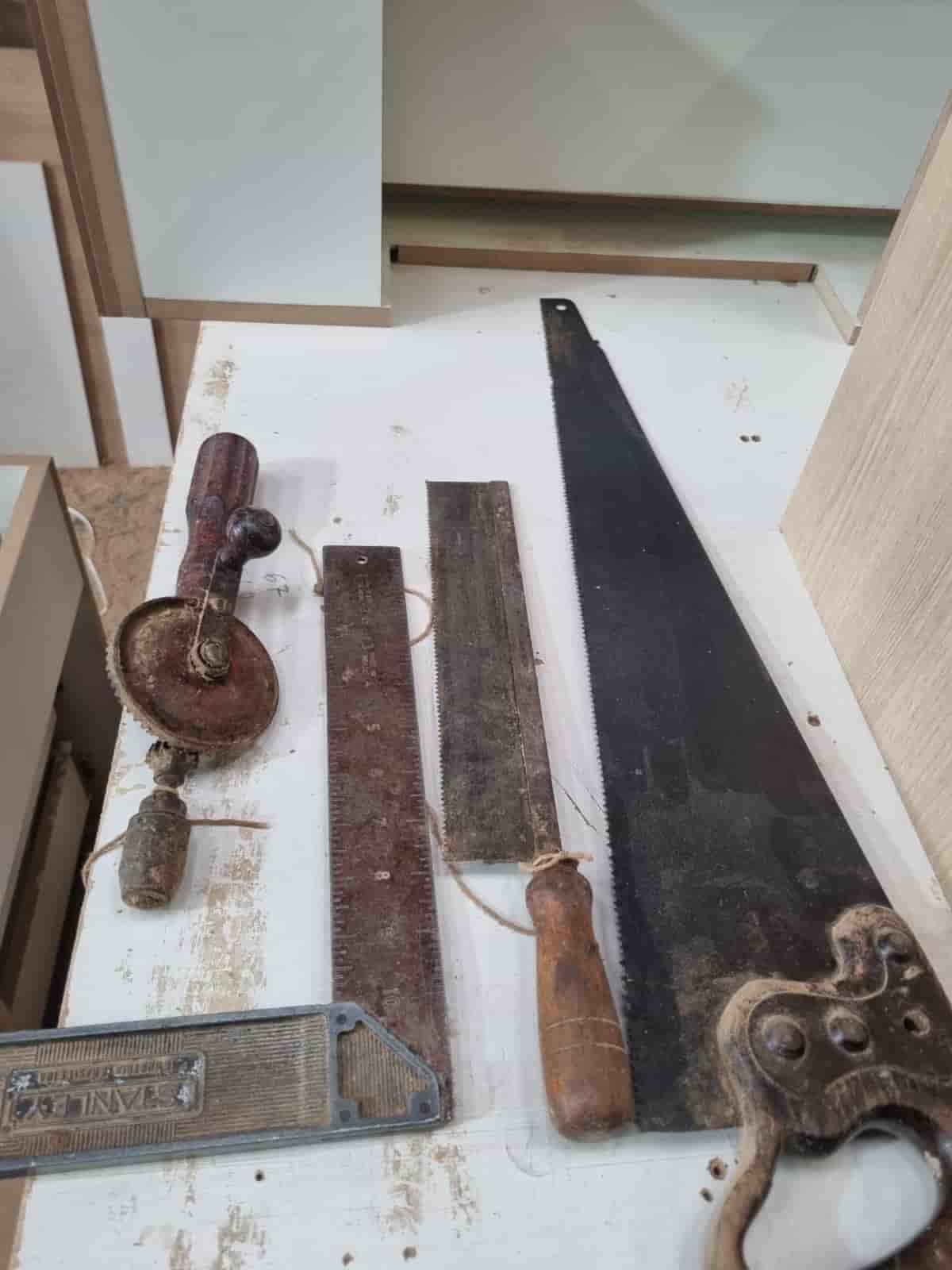
[Image: Alt text: how to fix smart lock jammed wooden door jamb error with a chisel and screwdriver]
Why Wood Swells and Shifts
Unlike metal door frames, wood is a living material that constantly reacts to the environment. When humidity rises—which is incredibly common in places like Brazil during the rainy season—the wood fibers drink up moisture and expand. This swelling causes the door frame to warp slightly, pushing the strike plate out of its original position.
While a human using a physical key will naturally pull or push the door to make the bolt click into place, a smart lock motor cannot feel this. The motor turns, encounters a solid wall of wood or metal, senses the high current draw, and shuts down to prevent itself from burning out. If your smart lock is throwing a jammed error, the wood is almost always the culprit.
My years in dental prosthetics taught me that when two parts do not meet with absolute, microscopic precision, the entire system fails under stress. A tooth crown that is off by a fraction of a millimeter will ruin your bite; a deadbolt that is off by the same tiny margin will jam your high-tech lock.
How to Run the Lipstick Diagnostic
Before you grab a hammer or drill, you need to know exactly where the deadbolt is rubbing. Grab a tube of bright lipstick, a dry-erase marker, or some colorful chalk from your kid’s toy box. Smear a generous layer onto the flat tip and the edges of the smart deadbolt.
Slowly close the door and attempt to lock it using your smartphone app or keypad. When the motor jams, open the door and look closely at your metal strike plate and the wooden jamb behind it. You will see a bright smudge left behind, showing you exactly where the metal bolt is scraping. This simple trick saves you hours of blind chiseling and guessing.
Practical Steps to Fix Smart Lock Jammed Wooden Door Jamb Error Issues
Here is how we get our hands dirty and fix this alignment issue permanently. Follow these steps in order, starting with the easiest and least destructive option first.
👇 Looking for more performance cheats? Check out our field-tested tactical blueprints:
Essential DIY Troubleshooting Guides
How to Fix Smart Lock Jammed Wooden Door Jamb Error
Stop your deadbolt motor from straining when wooden frames shift with climate changes.
How to Hide Smart TV Wires Inside Wood Wall Panels
Learn clean woodworking methods to route, mask, and clean up complex home theater clutter.
How to Fix Smart Home Device Unresponsive Wi-Fi Bug
Fix network drops, device timeouts, and broken automation routines inside your home local system.
Tightening Sagging Door Hinges
Over time, heavy wooden doors begin to sag under their own weight. This pulling force tilts the entire door, causing the deadbolt to drop below the strike plate hole. Often, the factory screws holding your hinges to the wall are only an inch long and easily strip out of the soft wood.
Remove the middle screw from your top door hinge and replace it with a heavy-duty 3-inch wood screw. Drive it in slowly with a drill or screwdriver. This long screw bypasses the thin wooden door frame and anchors directly into the structural framing stud behind it, pulling the entire door back up and instantly realigning your lock.
Deepening the Deadbolt Pocket in the Wood
Many old deadbolts only extend about half an inch into the door frame. Modern smart locks, however, require a full 1-inch extension to register as fully locked. If the pocket inside your wooden door jamb is too shallow, the deadbolt will hit the wood backing and trigger the jam error.
Grab a spade drill bit or a sharp wood chisel. Carefully carve out the wooden pocket behind the metal strike plate until it measures at least 1.25 inches deep. Clear out any loose wood shavings with a vacuum so they do not build up and block the bolt over time.
Adjusting and Shifting the Strike Plate
If your lipstick test showed that the bolt is hitting the top, bottom, or side of the metal plate, you need to move the plate. Unscrew the strike plate and set it aside. If you try to drill new screw holes right next to the old ones, your drill bit will simply slide back into the original holes.
To prevent this, dip wooden toothpicks or a small wooden dowel in wood glue and tap them tightly into the old screw holes. Let the glue dry for an hour, then trim them flush with a chisel. Now you have a solid, fresh block of wood to drill your new pilot holes and mount the plate in its perfectly aligned position.
Solutions Comparison Table
| Repair Method | Skill Required | Materials Needed | Estimated Time | Potential Downside |
|---|---|---|---|---|
| Hinge Tightening | Low | 3-inch wood screws | 10 minutes | Over-tightening can pull the door completely out of square |
| Pocket Deepening | Medium | Chisel, mallet, or drill | 20 minutes | Messy wood shavings can ruin carpets if not vacuumed |
| Strike Plate Shifting | High | Wood glue, toothpicks, drill | 30 minutes | Drilled holes might wander back to the original spot |
| Weatherstripping Trim | Low | Utility knife, scissors | 15 minutes | Cutting too much rubber can cause drafts and energy loss |
Checklist for Jam-Free Smart Locks
- Ensure your first step to fix smart lock jammed wooden door jamb error headaches is operating the lock with the door wide open. (Real experience: If the deadbolt extends smoothly when open, the lock is fine and your wooden frame is 100% the problem.)
- Replace the weak, short hinge screws with heavy-duty 3-inch wood screws. (Real experience: Short screws only grip the soft door jamb, while long screws anchor directly into the heavy framing studs behind it.)
- Smear lipstick or chalk on the deadbolt tip to find the exact friction point. (Real experience: Relying on sight alone is a guessing game that leads to over-carving your wood.)
- Use a sharp, high-quality wood chisel rather than a dull utility knife to trim the jamb. (Real experience: Dull tools slip easily, which can slice your fingers or ruin your door’s paint job.)
- Deepen the deadbolt hole in the wood to a full 1 inch. (Real experience: Most smart locks require the bolt to fully lock out before they stop drawing power.)
- Fill old, stripped screw holes with wood glue and wooden toothpicks before redrilling. (Real experience: If you skip this, your drill bit will drift right back into the old, crooked path.)
- Clear all loose sawdust and wood chips out of the bolt pocket. (Real experience: Even a tiny pile of wood dust can cushion the deadbolt, causing the lock to think it’s jammed.)
- Avoid spraying wet lubricants like WD-40 into the smart lock’s mechanical body. (Real experience: Wet oils attract dust and hair, which will gum up the tiny plastic gears over time.)
- Dry graphite lubricant is fantastic for slick lock action; however, it leaves a dark, messy residue on your hands and clothes if you aren’t careful during application. (Real experience: Apply it sparingly and wipe away excess immediately.)
- Adjust the door’s rubber weatherstripping if it is too thick or stiff. (Real experience: Brand new rubber is great for insulation; however, it forces you to slam the door hard to lock it.)
- Make sure the strike plate is sitting completely flush with the wooden jamb surface. (Real experience: A plate that sticks out even slightly will catch the latch and stall the motor.)
- Upgrade your batteries to premium, high-drain lithium options. (Real experience: Cheap alkaline batteries lose voltage quickly, leaving the motor too weak to push past minor resistance.)
- Test the lock manually with your hand from the inside to feel for tiny tight spots. (Real experience: The app cannot feel friction, but your fingers can easily detect a tight bind.)
FAQ
Why does my smart lock only jam during the summer months?
Wood is incredibly sensitive to humidity. In the hot, wet summer months, the wood fibers absorb moisture from the air and swell up like a sponge. This expansion warps the door and the frame just enough to throw the deadbolt alignment off by a fraction of an inch, causing the motor to jam. When winter arrives and the air dries out, the wood shrinks back, and the lock magically starts working again.
Can I just use a hammer to bend the metal strike plate?
Absolutely not. Bending the strike plate with a hammer is a shortcut that usually ends up ruining the metal or cracking your wooden door frame. If the alignment is off, you need to adjust the wood or relocate the plate properly. Forcing it with brute strength will only loosen the screws, making the plate even more unstable in the long run.
Why does my lock keep saying “jammed” when the door is wide open?
If your lock jams when the door is open, the issue is internal. Either your batteries are incredibly low and do not have the power to spin the motor, or the physical installation of the lock is crooked. Loosen the mounting screws on the inside of the door slightly, align the lock body so it is perfectly square, and tighten them back up.
Do I really need 3-inch screws for my door hinges?
Yes, you absolutely do. The standard 1-inch screws that come with your hinges only grip the thin, decorative wooden door frame. Over time, the weight of the door pulls these screws loose. A 3-inch screw passes entirely through the frame and bites deep into the structural 2×4 framing stud behind the drywall, pulling your sagging door back into perfect alignment.
Is it safe to use a Dremel tool to widen the metal strike plate hole?
It is safe, but it is a noisy and messy option. If the deadbolt is only rubbing against the plate by a tiny hair, using a grinding stone on a rotary tool to shave away a millimeter of metal is a quick, smart hack. Just make sure to wear eye protection, because tiny metal filings will fly everywhere and can easily get in your eyes.
Will a smart lock with a bigger motor solve my jamming problems?
No, it won’t. Even if you buy a high-end lock advertised with a massive motor, forcing a metal bolt against solid wood or metal will eventually strip the internal gears. It will also drain your battery in a matter of weeks. The solution is always to remove the friction, not to buy a stronger motor to fight it.
How do I know if my wooden door jamb is warped beyond saving?
Take a long carpenter’s level and hold it against the frame. If the frame is bowed like a banana or has severe rot from water damage, no amount of screw-tightening or chiseling will save it. In that case, you will need to replace the entire wooden jamb, which is a job best left to a professional carpenter.
Should I call a professional locksmith, or can I do this myself?
If you can handle a screwdriver and a drill, you can easily do this yourself. Most jamming issues are simple alignment problems that require patience rather than specialized locksmith tools. Save your money for a nice dinner and try the hinge screw trick first—it solves the vast majority of these issues in under ten minutes.

Real World Experience. Engineering Precision.
At SkyTC, technology is never just theoretical—it is driven by practical execution, structural integrity, and strict diagnostic standards. Founded by Valtersky, a tech speaker and seasoned professional, every single guide published here is backed by an authentic multidisciplinary background that bridges the gap between hardware structures and advanced software ecosystems.
Generational Craftsmanship
With 25 years of professional woodworking experience inherited through generations, he masterfully handles smart home mounting, wire routing, and physical hardware adjustments.
Medical Diagnostic Standards
An active career as a licensed X-ray technologist and dental prosthetics practitioner injects rigorous clinical precision, micro-detailed testing, and data integrity into tech evaluations.
Endurance Field Testing
As a competitive mountain ultramarathon runner, he takes every consumer wearable, smart sensor, and GPS watch out into extreme raw environments to test real-world durability boundaries.