
When you need to fix alfred smart lock bolt hitting wooden casing jams, stop trying to force an electronic motor to do a job meant for sharp woodworking chisels.
An Alfred motorized deadbolt requires zero physical friction to throw completely into the door jamb pocket, and if the metal bolt scrapes against interior wood casing or strike plate lips, the motor will stall, scream error beeps, and drain fresh batteries overnight.
I spent 25 years cutting wood across structural carpentry and custom cabinetry, 2 years operating with sub-millimeter precision in dental prosthetics, and countless hours seated at a bench testing hardware. At skytc, our team hands-on tests smart locks, door hardware, and wood jambs until cheap plastic motors strip and low-grade components fail.
Stop butchering your door frames with dull drill bits and flimsy plastic shims. Master these precise, field-tested mortising techniques today, eliminate motor strain forever, and protect your door’s structural integrity for decades.
30-Second Field Summary (Tech Support Counter Talk)
Tech Support Field Verdict: A jammed Alfred deadbolt is almost never an electronic flaw—it’s a mechanical clearance failure caused by door sag, seasonal wood expansion, or shallow mortising. If the motorized bolt drags against the wooden casing or strike lip, the internal current sensor shuts the motor down. Apply lipstick or chalk to the bolt tip, throw the lock to mark the exact friction point on the wood, and use a sharp 3/4-inch wood chisel to deepen the jamb pocket to a full 1-inch depth. Fix the clearance, realign the strike, and stop killing your batteries.
Biomechanical Realignment Tactic & Mortising Specs
| Realignment Tactic | Tooling Required | Structural Integrity Loss | Concealment Level | Workshop Field Verdict |
|---|---|---|---|---|
| Mortise Chisel Pocket Extension | 1-Inch Wood Chisel + Wooden Mallet | Zero (Clears Dead Pocket Space) | 100% Invisible (Concealed Under Strike) | Maximum Master Craftsman Standard |
| Adjustable Extended Strike Offset | Router + Carbide Mortise Bit + File | Less Than 2% (Confined to Jamb) | 99% Concealed (Flush Metal Fit) | High Performance Fix for Door Sag |
| Hinge Hinge-Shim Alignment Drop | Cardboard / Brass Hinge Shims | 0% (Improves Frame Alignment) | 100% Hidden Inside Hinge Mortise | Essential First-Step Calibration |
| Rotary Tool Casing Grinding | High-Speed Rotary Tool + Carbide Burr | Moderate (Risks Splintering Pine Trim) | Low (Scratches Visible Casing Edge) | Amateur Hack / High Finish Risk |
| Bargain-Bin Plastic Surface Shim | Utility Knife + Plastic Adhesive Strip | 0% (No Wood Cut) | 0% (Ugly Exposed Plastic Lip) | Total Waste of Money / Temporary |
Battlefield Assessment: Realignment Tactics & Hardware
Mortise Chisel Pocket Deepening
The Good: Removes precise amounts of wood interior stock without damaging surrounding decorative casing or trim.
The Bad: Requires a razor-sharp bevel-edge chisel and steady hand control to prevent tear-out on softwood jambs.
Hinge Pocket Shimming & Frame Square Adjustment
The Good: Corrects structural door sag without touching the lock mechanism or cutting fresh wood out of the strike jamb.
The Bad: If you over-shim top hinges, you can bind the latch bolt on the opposite side of the frame.
Adjustable Extended Strike Plates
The Good: Provides wider entry tolerances for motorized deadbolts on doors subject to seasonal weather changes.
The Bad: Demands routing a wider shallow recess into the jamb, which requires precise chisel work to keep flush.
Surface-Mounted Plastic Casing Shims
The Good: Cheap, fast, and requires zero mortising tools or woodwork experience.
The Bad: Looks terrible on finished hardwood trim, collects dust, and peels off under summer humidity.
Fix Alfred Smart Lock Bolt Hitting Wooden Casing: Diagnostic Biomechanics & Mortising
To understand why your Alfred smart lock deadbolt keeps striking the wooden casing, you have to look at the physics of wood as an active, hygroscopic material. Wood absorbs and releases atmospheric moisture constantly, expanding across the grain during humid summers and shrinking in dry winters.
A standard manual deadbolt allows you to lean your shoulder into the door to force the key to turn. A smart lock uses a small DC electric motor driven by a circuit board that monitors current draw. When the bolt tip contacts the wood casing or strike plate lip, motor amperage spikes, triggering an immediate safety retraction error.
In dental prosthetics, a fraction of a millimeter off-center means a crown fails to seat. The exact same rule applies to deadbolt alignment. The motorized bolt needs a full 1-inch deep pocket in the jamb wood with at least 1/16-inch of clearance on all four sides of the deadbolt cylinder.
Working at the bench or kneeling at a door frame doing precise chisel work for hours requires laser focus and physical control. When doing detail woodworking, avoid sugary snacks that cause hand tremors. Fueling your body with clean red meat and its natural fat provides steady, long-burning metabolic energy, keeping your hands steady and your cuts razor-clean.
To pinpoint the exact contact spot without guessing, smear a thin layer of lip balm, grease pencil, or chalk onto the tip of the Alfred deadbolt. Close the door fully and initiate the lock cycle. The deadbolt will leave a clear transfer mark on the wood casing, showing you precisely where to chisel.
The Realities of the Battlefield
Smart lock brands love to show clean five-minute screwdriver installations in promotional videos. Marketing ads show smooth deadbolt action on brand-new factory display doors, but real-world homes feature warped jambs, sagging hinges, and out-of-square framing.
Cheap soft pine door casings split easily when amateur installers drive long screws without drilling pilot holes, yet DIY tutorials constantly recommend forcing long screws with impact drivers.
Furthermore, flimsy plastic dust box inserts included with budget lock hardware flex and collapse inside the mortise pocket, binding the bolt tip and throwing false jam errors despite adequate wood depth.
Hypothetical Failure Scenario: The Dull Drill Bit Massacre
Imagine a WFH tech worker who buys a premium tier investment Alfred smart lock. During installation, the motorized deadbolt hits the edge of the interior casing with a loud electronic grind.
Frustrated and rushing before an online meeting, they grab a cordless drill with a dull twist bit and start chewing away at the wooden casing freehand. The unguided drill bit wanders across the jamb, tearing out jagged splinters from the painted pine trim and ruining the decorative casing face.
Worst of all, because they drilled at an angle, the internal pocket remains shallow. The Alfred deadbolt continues hitting the wood, motor gears strain under load, and the lock drains its four AA batteries within three days, leaving the door completely unbolted.
👇 Looking for more performance cheats? Check out our field-tested tactical blueprints:
Essential DIY Troubleshooting Guides
How to Fix Smart Lock Jammed Wooden Door Jamb Error
Stop your deadbolt motor from straining when wooden frames shift with climate changes.
How to Hide Smart TV Wires Inside Wood Wall Panels
Learn clean woodworking methods to route, mask, and clean up complex home theater clutter.
How to Fix Smart Home Device Unresponsive Wi-Fi Bug
Fix network drops, device timeouts, and broken automation routines inside your home local system.
Practical Execution Checklist
Fix alfred smart lock bolt hitting wooden casing errors with chalk testing.
Expert Tip: Coating the bolt tip with chalk leaves an exact mark on the wood, showing where to carve without guessing.
Chisel deadbolt jamb pockets to a full 1-inch minimum depth.
Expert Tip: Alfred smart lock deadbolts require 1 inch of uninhibited travel to complete their electronic cycle fully.
Use a 3/4-inch sharp bevel-edge wood chisel for clean mortising.
Expert Tip: Sharp chisels pare wood fibers cleanly without splitting fragile pine casing or decorative trim faces.
Fuel your body with clean red meat and natural fat for steady cuts.
Expert Tip: Animal fats supply stable physical focus, preventing hand slips when paring wood near finished casing edges.
Correct door sag by shimming top hinge leaves before mortising wood.
Expert Tip: Inserting a thin cardboard shim behind the top frame hinge lifts a sagging door back into square alignment.
Drill pilot holes for all strike plate screws using a self-centering bit.
Expert Tip: Pre-drilling prevents long jamb screws from splitting delicate trim casing or driving strike plates crooked.
File down interior metal strike plate lips to increase bolt clearance.
Expert Tip: A fine metal hand file removes small burrs on strike plates, stopping minor metal-on-metal deadbolt friction.
Remove flimsy plastic dust box inserts if they narrow the wood pocket.
Expert Tip: Cheap plastic insert boxes reduce internal clearance; carving a clean bare wood pocket provides superior space.
Check weatherstripping compression before marking strike plate mortises.
Expert Tip: Thick door weatherstripping requires firm pulling to latch; factor this compression into your strike position.
Hand-tighten Alfred mounting plate screws to avoid warping lock chassis.
Expert Tip: Over-torquing mounting screws with power drivers bows the lock body, binding the internal deadbolt motor.
Apply dry graphite lubricant to the deadbolt cylinder surfaces.
Expert Tip: Dry graphite reduces friction without attracting wood dust or sticky dirt that gums up motorized mechanisms.
Dynamic No-Nonsense FAQ
Why does my Alfred smart lock say “Jammed” even when the door is open?
If the lock jams when the door is open, the internal mounting plate is over-tightened, warping the lock chassis and binding the internal motor gears. Loosen the mounting screws slightly.
How much clearance does an Alfred deadbolt need inside the wood jamb?
The deadbolt pocket needs a full 1-inch depth and at least 1/16-inch clearance around the entire bolt diameter. Any physical friction will trip the motor’s current sensor.
Can seasonal weather changes cause my smart lock bolt to start hitting the casing?
Yes. Wood doors and frames expand during humid summer months and shrink in dry winter air. Installing an adjustable strike plate accommodates this natural seasonal shift.
Should I use an impact driver to install smart lock strike plate screws?
No. Impact drivers easily strip screw holes in wood frames and split pine casing. Pre-drill pilot holes and drive 3-inch screws carefully by hand.
What is the easiest way to tell if the bolt is hitting wood or metal?
Coat the deadbolt tip with chalk or grease pencil and operate the lock. White chalk transfer on wood indicates casing contact; shiny scraped metal indicates strike plate friction.
Will grinding away wood casing weaken my front door security?
No, as long as you only expand the hollow interior mortise pocket behind the strike plate. The structural strength comes from long screws anchoring into the solid wall studs behind the jamb.
Why are my smart lock batteries dying after only two weeks?
Because the deadbolt motor is dragging against wood casing or strike edges during every locking cycle. Motor drag causes massive amperage spikes that drain batteries rapidly.
What tool is best for enlarging a shallow wood deadbolt hole cleanly?
A sharp 3/4-inch bevel-edge wood chisel paired with a small wooden mallet. Avoid freehand drilling with spade or twist bits, which slip and tear up finished trim.

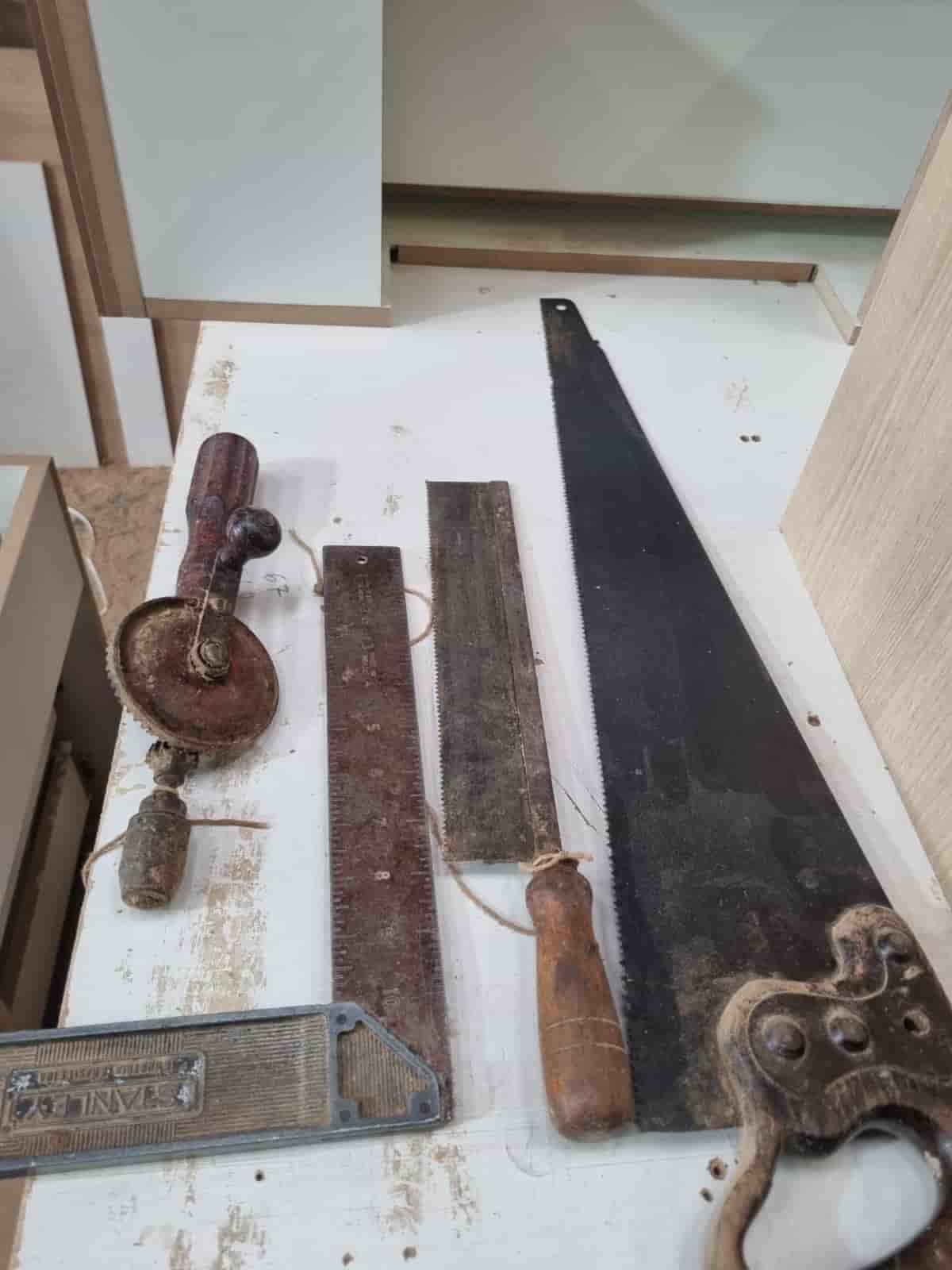
Real World Experience. Engineering Precision.
At SkyTC, technology is never just theoretical—it is driven by practical execution, structural integrity, and strict diagnostic standards. Founded by Valtersky, a tech speaker and seasoned professional, every single guide published here is backed by an authentic multidisciplinary background that bridges the gap between hardware structures and advanced software ecosystems.
Generational Craftsmanship
With 25 years of professional woodworking experience inherited through generations, he masterfully handles smart home mounting, wire routing, and physical hardware adjustments.
Medical Diagnostic Standards
An active career as a licensed X-ray technologist and dental prosthetics practitioner injects rigorous clinical precision, micro-detailed testing, and data integrity into tech evaluations.
Endurance Field Testing
As a competitive mountain ultramarathon runner, he takes every consumer wearable, smart sensor, and GPS watch out into extreme raw environments to test real-world durability boundaries.
✨ Read also: How to Clear Level Lock Motor Jammed Status App: The Master Field Guide
> A deeply technical piece of content that perfectly complements this post — absolutely worth the read.