
If you have ever watched your beautiful, hyper-athletic dog scale a six-foot fence with the grace of an Olympic high jumper, you know the instant, gut-wrenching panic of a runaway pet. Finding the best gps trackers for huskies is not just an optional tech upgrade; it is a vital safety shield for anyone living with a breed designed to run for hundreds of miles without looking back.
As an active traveler who travels extensively, my Maltese, Murphy, mostly enjoys keeping my lap warm and sticking close to home. However, my team at skytc has spent years physically testing all kinds of pet technology in rugged, real-world conditions. We have partnered with husky owners who regularly experience the nightmare of their dogs digging under concrete barriers or slip-sliding out of standard collars.
Getting the right setup means you can finally sleep at night, knowing that if your dog decides to chase a squirrel into the next county, you can pinpoint their location within seconds [1]. It saves you hours of panic, money spent on physical search efforts, and brings absolute peace of mind to your busy daily routine.
In 30 Seconds: The Non-Sugarcoated Verdict
Here is the raw truth from the skytc test workbench: most generic smart tags are useless for a dog that can run thirty miles an hour. If you buy a tracker that relies solely on Bluetooth or crowd-sourced phone networks, you are wasting your money.
For a husky, you need a heavy-duty GPS tracker that utilizes a combination of satellite GPS, cellular networks (LTE-M), and Wi-Fi to establish a real-time tracking zone. It must have an IP68 waterproof rating, a military-grade housing that can withstand raw impact, and a battery that lasts at least a week under normal use. Avoid cheap plastic clips that snap off when your dog crashes through heavy brush.
Home and Trail Tracker Comparison
| Tracker Type | Tracking Range | Battery Life | Durability | The Catch (Negative) |
|---|---|---|---|---|
| Cellular GPS Tracker | Worldwide (Cellular) | 5 to 10 days | IP68 Waterproof | Requires monthly subscription |
| Bluetooth Smart Tag | 100 feet | 1 year | Moderate | Completely useless in woods |
| Radio Frequency (RF) | 2 to 5 miles | 20 to 30 hours | Heavy-Duty | Very bulky receiver unit |
| Satellite GPS Tracker | Unlimited (Global) | 24 to 48 hours | Military-Grade | Extremely expensive upfront |
Why the Best GPS Trackers for Huskies Need to Be Built Like Tanks
Managing the Primal Wanderlust
Huskies are independent, highly intelligent, and possess a primal desire to explore that standard fences simply cannot contain. They are working dogs bred for endurance, meaning once they get loose, they can cover five miles before you even realize they are missing.
Using a cellular GPS tracker allows you to set up virtual boundaries (geofences) around your yard. The moment your dog crosses that invisible line, your phone receives an immediate push notification, allowing you to intercept them before they reach busy roads or wild terrain.
Standing Up to Extreme Play
These dogs do not just walk; they wrestle, crash through underbrush, plunge into freezing water, and roll in the mud. A delicate tracker designed for a city lapdog will crack under this kind of physical abuse.
You need a device that is structurally integrated into a heavy-duty collar. If the tracker hangs loose like a medal, your husky will either chew it off or rip it off on a low-hanging branch during a wild run through the trees.
The Reality of the Battlefield
The pet industry is full of marketing promises that fall flat the second your dog hits real mud and brush. Many brands boast of “unlimited range” and “instant real-time tracking.”
But the hard negative reality is that cellular-based GPS trackers are completely useless if your husky escapes into a deep valley with zero cell service. If your dog runs into a dead zone, the cellular chip cannot transmit the GPS coordinates to your phone, leaving you with nothing but a “last seen” pin on a map.
The real-time live tracking feature is phenomenal because it updates your pet’s location every three seconds, but the battery drains like water in a sieve when active. If your tracker dies within two hours of your dog escaping, the technology has failed you at the worst possible moment.
Additionally, watch out for the physical attachments. Many trackers use rubber clips that look sleek on paper, but they easily catch on low branches and snap off when your husky is blazing through the woods. The unit stays in the dirt while your dog keeps running, leaving you tracking a silent piece of plastic.
The Legend of the Loose Collar: A Lesson in Cheap Gear
Let’s look at Mark, a busy executive who bought a cheap, clip-on GPS tracker for his husky, Luna. He loved the app and the sleek white finish of the device. One afternoon, Luna saw a rabbit and bolted over the side gate, landing hard on her chest.
The cheap plastic clip snapped on impact, and the tracker flew into the grass. Mark looked at his phone, saw that Luna’s location was “Home,” and went back to his email, completely unaware that his dog was already a mile away crossing a busy intersection.
By the time Mark realized Luna was gone, his app was still pointing to his own backyard. He spent three days posting flyers and searching local shelters before a neighbor found Luna. He tried to solve a high-impact security problem with a fragile showroom toy, and it nearly cost him his best friend.
The Actionable Husky GPS Setup Checklist
- Best GPS Trackers for Huskies must be physically threaded onto a heavy-duty collar rather than hanging from a weak D-ring. Pro-tip from the skytc lab: dogs can snag hanging tags on fences, tearing the tracker off completely.
- Verify the cellular coverage map of the tracker’s specific network provider in your local trail areas before committing to a subscription plan.
- Set up your primary “Safe Zone” geofence with a buffer of at least 50 feet from your actual property line to prevent false alarms caused by GPS drift.
- Opt for a tracker with an IP68 waterproof rating so it survives the frequent pond plunges and muddy marsh runs typical of the breed.
- Charge the tracker’s battery fully before every long hike, even if the app says it is currently sitting at fifty percent.
- Test the live-tracking mode in your local park at least once a month to ensure the refresh rate is operating without lag.
- Avoid trackers that rely on proprietary non-replaceable collar straps, as you will have to throw the whole unit away when the strap inevitably cracks.
- Choose a device that utilizes dual cellular bands (like LTE-M and NB-IoT) for better signal penetration through dense tree canopies.
- Ensure the tracker features a built-in remote LED light or buzzer that you can activate from your phone during a night search in dense brush.
- Pair your GPS collar with a physical brass ID tag riveted directly to the collar plate as a failsafe backup in case of battery death.
- Keep the tracker’s charging contacts clean of dirt, hair, and dried mud using a dry toothbrush to prevent corrosion and charging failures.
- Read reviews focusing on “GPS signal acquisition times” to ensure the hardware can lock onto satellites rapidly when booted up.
👇 Looking for more performance cheats? Check out our field-tested tactical blueprints:
The Best GPS Dog Trackers with No Monthly Fees
Real battlefield testing: How to keep your dog 100% safe without getting trapped in expensive subscriptions.
Best Smart Litter Boxes: Honest Testing & Review
Say goodbye to the scoop. We test the internal mechanics, odor control, and safety of top smart litter boxes.
Best Smart Feeding & Interactive Toys for City Pets
How to keep your companion happy, engaged, and fed while managing a busy, away-from-home routine.
Frequently Asked Questions
Can I use a cheap Bluetooth tag to track my husky?
No, that is a complete waste of money. Bluetooth tags only have a range of about 100 feet. If your husky escapes, they will be out of range in less than five seconds. These tags rely on other smartphones passing near your dog to update the location, which is useless in suburban neighborhoods or rural trails.
Do GPS trackers work when my dog goes inside a building?
GPS signals require a clear line of sight to satellites in the sky. If your husky is trapped in a concrete basement or an abandoned warehouse, the GPS signal will be blocked. High-end trackers bypass this by using nearby Wi-Fi network routers to approximate the location, but cheap models will simply lose signal.
Why do these trackers require a monthly subscription fee?
Because they contain a miniature cellular SIM card, just like your smartphone. To send your dog’s coordinate data from the collar to your phone over long distances, the device must use cellular networks. That subscription fee directly pays for the cellular data plan required to keep the tracking live.
Will a GPS tracker drain my dog’s collar battery in a day?
Under normal conditions where the tracker is connected to your home Wi-Fi “Power Saving Zone,” the battery should last up to a week. However, the moment your dog escapes and the device switches to continuous GPS live-tracking, the battery can drain in 12 to 24 hours. You must act fast once your dog escapes.
Is a waterproof rating of IP67 enough for a husky?
IP67 means the device can handle being submerged in one meter of water for thirty minutes. While this sounds fine, a husky playing in a fast-flowing river or digging in wet snow will easily exceed these limits. Look for an IP68 rating, which provides continuous submersion protection and better sealing against fine mud.
Can I use a GPS tracker without any cellular service?
Only if you buy a specialized Radio Frequency (RF) or pure satellite hunter system. These systems use a handheld receiver to track the collar directly without cellular towers. However, these systems are incredibly bulky, require you to carry a separate remote unit, and are vastly more expensive than cellular trackers.
Do these trackers have built-in remote training buzzers?
Some models offer tone, vibration, or mild stimulation features built into the tracking unit. While this can be a helpful tool for recall training, you should never rely on a cellular buzzer to stop a husky in full chase. Their high prey drive will easily override a minor vibration or buzz on their neck.
What is the biggest scam in the pet GPS industry?
The biggest scam is the promise of “real-time tracking with zero fees.” Any tracker claiming to offer worldwide, unlimited-range tracking without a monthly fee is either lying, using a highly limited crowd-sourced network, or selling your personal data. Real-time GPS over cellular networks always requires a paid infrastructure.
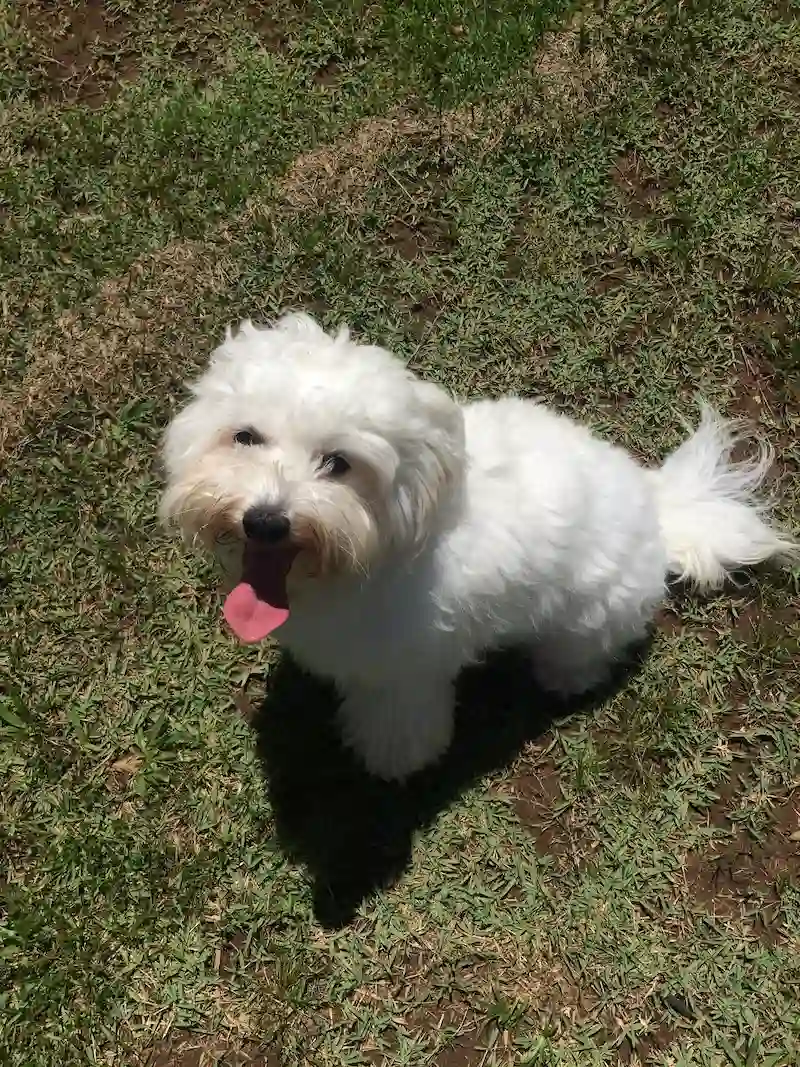 Murphy
 Valtersky
Meet Valtersky & Murphy
FOUNDER OF TEAM SKYTC
At SKYTC, Meet Valtersky & Murphy FOUNDER OF TEAM SKYTCAt SKYTC, cutting-edge pet technology meets real-world testing. We merge Murphy’s hands-on companion trials with Valtersky’s precise analysis—combining over 25 years of structural engineering background with health-tech experience.To guarantee reliability for all breeds, we collaborate with a trusted network of experienced large-breed tutors and active dog handlers who stress-test heavy-duty gear in rugged conditions. We raise the bar for review standards so your best friend gets only the safest, most functional, and highly reliable hardware on the market.
✨ Read also: Best GPS Dog Trackers No Monthly Fee
A deeply technical piece of content that perfectly complements this post — absolutely worth the read.