
If you have ever felt that cold, heart-stopping panic when your dog slips under the backyard fence, you know you would pay anything to get them back safely. But that does not mean you want to be trapped in an endless loop of paying monthly subscriptions just to keep your pet secure. Finding the best gps dog trackers no monthly fee is about reclaiming your peace of mind without getting nickel-and-dimed by tech companies.
As someone who travels constantly with my dog, Murphy, I have spent years testing everything from high-end satellite gear to cheap plastic tags. Along with my team at skytc, we physically test these gadgets in dense forests, crowded cities, and open fields to see what actually works when panic sets in. We are tired of the marketing hype, and we know you are too.
Why Choosing the Best GPS Dog Trackers No Monthly Fee Saves Your Sanity
The pet industry loves subscriptions because they are a guaranteed cash cow. They bundle a basic GPS chip with a cheap cellular SIM card and charge you a hefty fee every single month just to keep the connection active. If you refuse to pay, the device turns into a useless piece of collar plastic.
By opting for a tracker with no monthly fees, you are choosing a system that relies on alternative technologies like radio frequencies, satellite signals, or crowdsourced Bluetooth networks. You pay a slightly higher price upfront, but you never have to worry about a monthly bill or a deactivated device when your dog actually goes missing. It is a one-and-done purchase that keeps you in complete control.
Addressing the Pain: The Nightmare of a Lost Pet
We have all been there. You turn your back for a split second, the gate clicks open, and your furry family member is gone. Your heart drops into your stomach, your palms sweat, and you start running down the street screaming their name.
It is an incredibly vulnerable, terrifying position to be in. The beginner’s instinct is to panic and buy the first tracker they see online, hoping for a magic bullet. But rushed decisions in pet tech usually lead to cheap, unreliable gear that fails exactly when you need it most.
A Common, Costly Mistake: The Cheap Bluetooth Trap
Imagine this scenario: you buy a cheap, generic Bluetooth tracker online because the listing promises “unlimited tracking with zero fees.” You clip it to your dog’s collar and feel incredibly clever for saving a buck.
The next afternoon, your dog spots a deer and sprints deep into a heavily wooded state park. You open the app on your phone, expecting to see a real-time dot on a map. Instead, you get a spinning wheel and a message saying “Last seen 40 minutes ago near your driveway.”
Why did this happen? Because cheap Bluetooth tags do not have GPS chips. They rely on other people’s smartphones to detect their signal and upload the location to the cloud. If your dog is lost in a quiet park, a hiking trail, or a suburban field where no one is walking around with an active smartphone, the tracker is completely blind. You are left searching a massive area with nothing but hope.
How No-Fee Tracking Technology Actually Works
To make an smart choice, you need to understand the three main technologies that allow tracking without a monthly subscription fee:
Radio Frequency (RF) Systems
These systems use a handheld receiver and a collar tag that communicate directly using radio waves. It is exactly like a high-tech game of hot-and-cold. The handheld unit tells you the exact direction and distance to your pet.
RF systems are incredibly reliable because they do not rely on cell towers or internet connections. However, their range is physically limited by terrain, trees, and buildings.
Handheld Satellite GPS
This is the gold standard for serious hikers, hunters, and rural landowners. The collar communicates directly with GPS satellites to find its position, and then transmits that data to a rugged handheld screen in your hand.
These systems offer incredible accuracy across miles of wild terrain; however, they require you to carry a bulky receiver that looks like a 1990s cellphone, and they represent a massive upfront financial investment.
Crowdsourced Bluetooth Mesh
These are ultra-lightweight tags designed for city slickers. They do not contain GPS receivers. Instead, they broadcast a secure Bluetooth signal that any passing smartphone in the network can pick up.
While they are highly affordable and have batteries that last for a full year, they are practically useless if your dog wanders into rural areas, quiet suburbs, or state parks where foot traffic is non-existent.
The Reality of the Battlefield
Let us cut through the marketing fluff. Companies love to advertise “five-mile range” and “indestructible design,” but the real world is a brutal place for pet electronics. Mud, water, thick brush, and constant running will quickly expose any cheap manufacturing shortcuts.
During one of our skytc weekend trips, Murphy decided to chase a rabbit into a thick brush pile. I was testing a popular radio-frequency tracker at the time. While the handheld screen successfully pointed me in the right direction, the physical tracker tag got caught on a sharp branch and popped right out of its flimsy silicone sleeve.
We found the tracker lying in the mud, but Murphy was another hundred yards away. That taught us a vital lesson: a tracker is only as good as its mounting system. If the mount is weak, the tracker will be left behind in the dirt.
Other common battlefield failures include:
- Silicone cases that tear after a few weeks of scratching.
- Micro-USB charging ports that rust and corrode after the dog goes swimming.
- Signal degradation in heavy rain or wet canopy forests.
- “Waterproof” claims that turn out to be merely “splash-resistant” when your dog dives into a creek.
In 30 Seconds: The Quick Verdict
If you want a no-fee tracker and live in a dense city with lots of people, a highly rated Bluetooth mesh tag attached to a secure collar is a decent budget backup, but it is not a true real-time GPS safety net.
If you live in the suburbs, near woodlots, or travel to remote areas with your pet, you must invest in a dedicated Radio Frequency (RF) tracker.
Stop buying cheap online knockoffs that promise real-time cellular tracking without a SIM card subscription—they simply do not work. Pay more upfront for a reputable RF or satellite system to save yourself the heartbreak of a signal loss when it matters most.
Pet Tracker Technology Comparison
| Tracker Category | Maximum Range | Best Suited For | Real-World Flaw | Upfront Cost |
|---|---|---|---|---|
| Radio Frequency (RF) | Up to 2 miles | Suburbs, forests, fields | Bulky transmitter collar | Medium to High |
| Bluetooth Mesh | 30 to 100 feet (mesh dependent) | Urban areas, apartments | Useless in rural areas | Low |
| Handheld Satellite GPS | Over 9 miles | Hiking, hunting, off-grid | Extremely heavy collar unit | Very High |
| Hybrid Offline Systems | Varies by model | Mixed environments | Intermittent signal drops | Medium |
👇 Looking for more performance cheats? Check out our field-tested tactical blueprints:
The Best GPS Dog Trackers with No Monthly Fees
Real battlefield testing: How to keep your dog 100% safe without getting trapped in expensive subscriptions.
Best Smart Litter Boxes: Honest Testing & Review
Say goodbye to the scoop. We test the internal mechanics, odor control, and safety of top smart litter boxes.
Best Smart Feeding & Interactive Toys for City Pets
How to keep your companion happy, engaged, and fed while managing a busy, away-from-home routine.
Actionable Checklist for No-Fee Tracking
- Best gps dog trackers no monthly fee must have a heavy-duty, reinforced mounting system. Pro-tip: Skip the cheap silicone bands that come in the box; buy a heavy-duty nylon collar strap that threads directly through the device’s hard plastic loops.
- Check the true offline range before heading out into the wild. Pro-tip: Take a walk down your street while someone holds the tracker at home to see where the signal actually drops in your specific neighborhood.
- Look for a minimum waterproof rating of IP67. Pro-tip: If your dog loves mud or swimming, apply a tiny smear of marine grease or electrical tape over the charging port cover for extra protection.
- Test the battery life in cold weather before you rely on it. Pro-tip: Cold temperatures can drain lithium battery capacity by up to 30%, so charge the unit fully before winter walks.
- Verify if the tracking app works without cellular coverage. Pro-tip: Download offline maps of your local parks inside your smartphone’s navigation app while you are still connected to home Wi-Fi.
- Avoid relying solely on crowdsourced networks in rural zones. Pro-tip: If you live near farmland or empty fields, skip the Bluetooth tags entirely and go straight for an RF-based system.
- Inspect the physical charging contacts on the collar weekly. Pro-tip: Use a clean toothbrush dipped in rubbing alcohol to gently scrub away dried mud, oils, or dog hair from the brass charging pins.
- Set up your custom safe zone or “geofence” immediately. Pro-tip: Make the safe zone slightly larger than your actual yard to prevent annoying false alarms when your pet is just sniffing near the fence.
- Keep a high-capacity power bank in your vehicle’s glovebox. Pro-tip: If you are out searching for a lost dog, your smartphone battery will drain twice as fast running active tracking software.
- Choose a bright, high-visibility color for the tracker casing. Pro-tip: If the tracker accidentally falls off in thick brush, finding a neon orange or yellow device in the mud is ten times easier than finding a black one.
- Practice a mock “lost pet” search with a friend once a month. Pro-tip: Hide the collar in your neighborhood bushes and try tracking it down to understand how the direction pointer behaves under real conditions.
- Securely tighten any small screws on the battery compartment. Pro-tip: A tiny drop of blue thread-locker on the screw threads prevents them from vibrating loose while your pet runs and plays.
Common Mistakes: Why You Need to Upgrade Now
The biggest mistake pet owners make is waiting until an accident happens before they upgrade their gear. They rely on standard ID tags, hoping that a kind stranger will find their dog, read the phone number, and make a call.
But what if your dog is terrified and won’t let anyone get close enough to read a tag? What if they get stuck in a ravine or trapped in an abandoned building?
Relying on outdated, passive recovery methods is a gamble you do not have to take. Upgrading to a dedicated no-fee tracker ensures that you are the one active in the recovery process, directing your own search instead of waiting by the phone.
Frequently Asked Questions
Do GPS dog trackers really work without a monthly subscription?
Yes, but only if they use Radio Frequency (RF) or direct satellite-to-handheld signals. These devices do not use cellular networks to transmit their location data, meaning there are no SIM cards, no data plans, and absolutely no monthly bills. You pay more upfront for the hardware, but the service is free forever.
Can I use an Apple AirTag or Samsung SmartTag as a reliable dog tracker?
Only if you live in a highly populated city. These are Bluetooth mesh tags, not true GPS trackers. They work by pinging off nearby smartphones. If your dog gets lost in a busy downtown area, they work great. If your dog runs into the woods, a quiet park, or a rural field, they are practically useless because there are no phones around to relay the signal.
What is the actual range of a radio-frequency pet tracker?
While manufacturers often claim ranges of two to five miles, the real-world range is usually much shorter. In dense forests, hilly terrain, or suburban areas with brick houses, the physical obstacles degrade the signal. Expect a realistic range of half a mile to one mile in typical outdoor conditions.
How long does the battery last on a no-fee dog tracker?
It varies wildly by technology. Bluetooth mesh tags can last for a full year on a simple coin-cell battery because they use very little power. Dedicated RF and satellite trackers, which actively transmit powerful signals, usually have rechargeable batteries that last anywhere from 20 hours to a few days depending on how often they update the location.
Will a no-monthly-fee tracker work if my dog goes into deep woods or valleys?
An RF or handheld satellite GPS tracker will work, but terrain will affect the performance. Deep ravines, thick wet leaves, and heavy canopy cover can reduce the range of RF signals. However, unlike cell-phone-based trackers, they will still function completely offline without any cellular coverage.
Why do some trackers say ‘no fee’ but still ask for a subscription?
This is a classic marketing trap. Some brands offer a “no fee” basic Bluetooth mode, but then lock their actual GPS, cellular tracking, and real-time mapping features behind a premium monthly subscription paywall. Read the fine print carefully before buying: if the device uses a cellular network, it requires a paid plan.
Are these trackers too heavy or bulky for small dogs or cats?
The high-quality RF and satellite systems are definitely bulkier because they require larger antennas and heavier batteries. They are perfectly fine for medium to large dogs, but they can be too heavy and uncomfortable for toy breeds or cats. For tiny pets, a lightweight Bluetooth mesh tag is often the only comfortable physical option.
What happens if the tracker gets wet or submerged in water?
Any tracker worth buying must have a solid waterproof rating like IP67 or IP68. This means it can survive being submerged in shallow water for up to thirty minutes. If your dog loves to swim, avoid cheap trackers with exposed charging ports or flimsy rubber seals, as water intrusion will ruin the internal electronics instantly.
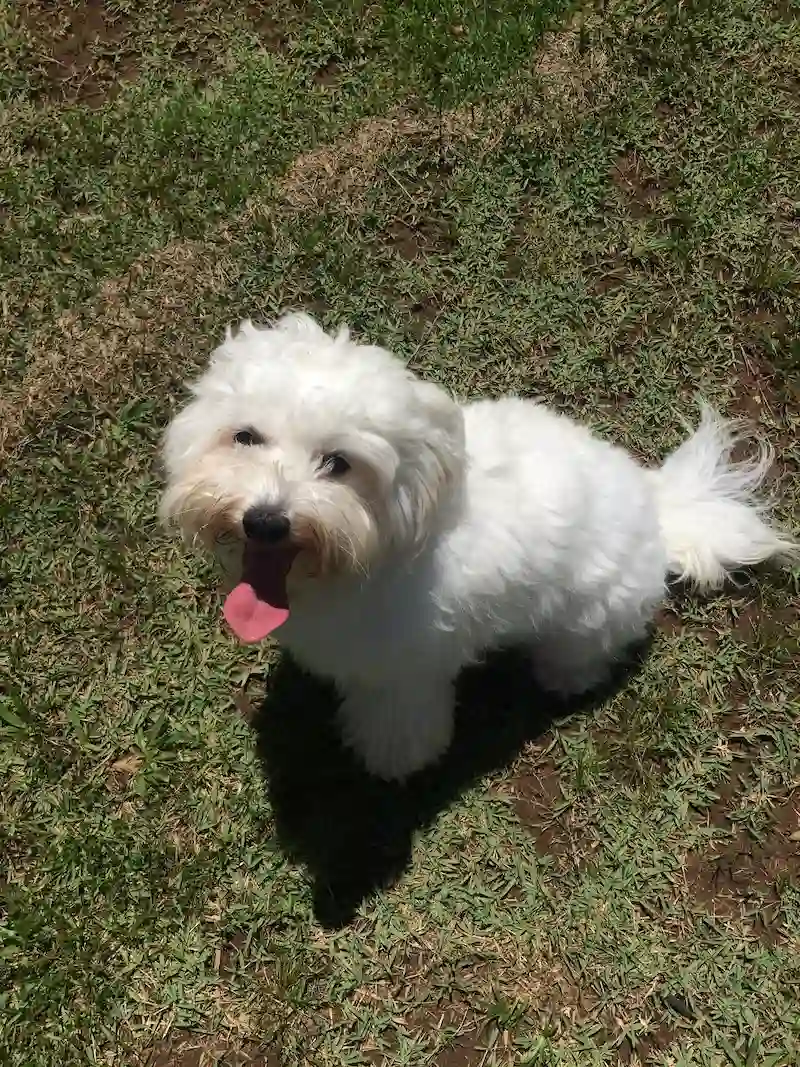 Murphy
 Valtersky
Meet Valtersky & Murphy
FOUNDER OF TEAM SKYTC
At SKYTC, Meet Valtersky & Murphy FOUNDER OF TEAM SKYTCAt SKYTC, cutting-edge pet technology meets real-world testing. We merge Murphy’s hands-on companion trials with Valtersky’s precise analysis—combining over 25 years of structural engineering background with health-tech experience.To guarantee reliability for all breeds, we collaborate with a trusted network of experienced large-breed tutors and active dog handlers who stress-test heavy-duty gear in rugged conditions. We raise the bar for review standards so your best friend gets only the safest, most functional, and highly reliable hardware on the market.