
Seeing your beloved goldfish sitting on bottom of the tank, motionless and clamped, is enough to make any fish keeper’s heart sink. You spent all this time setting up a beautiful environment, only to find your bright, energetic aquatic pet acting like a heavy paperweight. It is a terrifying sight, especially when you do not know if they are just taking a nap or actively dying.
As a goldfish hobbyist for over 8 years, I have seen this exact scenario play out more times than I care to admit. When I am not working at my sewing machine tailoring complex patterns or out on the road training for my next long-distance marathon, I am usually hands-deep in my massive 100-gallon (400-liter) aquarium.
Just like in my professional sewing work, where one misplaced stitch can ruin an entire garment, or in my long-distance marathons where pacing and consistency are everything, goldfish keeping requires attention to detail and patience. In my large tank, maintaining stability is much easier because of the massive water volume, but if you have a smaller setup, any minor mistake is magnified ten-fold. Over the years, I have learned that “bottom sitting” is not a disease in itself; it is a scream for help, a distress signal that something is fundamentally broken in their environment or their body.
But do not panic just yet. We are going to walk through this together, step-by-step, in plain English. By the end of this guide, you will know exactly what is causing this behavior and have a clear, actionable plan to fix it. Let’s get your water baby back to its bubbly, active self.
Identifying Why Your Goldfish Is Sitting on Bottom
Goldfish are naturally curious, active, and constantly rummaging through the substrate looking for leftover snacks. When they stop this joyful foraging and park themselves on the gravel, something is seriously wrong.
Water Quality Crisis: The Silent Suffocation
The most common culprit behind a goldfish sitting on bottom is poor water chemistry. Ammonia (NH3) is excreted through their gills and in their waste. In a healthy tank, Nitrosomonas bacteria convert this ammonia into nitrite (NO2-), which is still highly toxic. Then, Nitrobacter bacteria convert that nitrite into nitrate (NO3-), which is relatively harmless in low concentrations.
When this biological cycle is broken or unestablished, ammonia and nitrite levels spike. Even a tiny reading of 0.25 ppm ammonia is enough to cause severe chemical burns to their gills. Imagine trying to breathe in a room filled with thick smoke; that is exactly what your fish experiences. They sit at the bottom because they are literally exhausted from struggling to breathe and are trying to find a pocket of water with less toxin concentration.
Swim Bladder Dysfunction: Lost in Space
The swim bladder is a delicate, gas-filled organ that allows your goldfish to control its buoyancy. If it gets compressed or inflamed, your fish might float like a balloon or sink like a stone.
This is incredibly common in fancy goldfish varieties (like Orandas, Ryukins, and Fantails) because their egg-shaped bodies pack their internal organs incredibly tight. Let’s get highly technical here: the swim bladder is connected to the esophagus by a tiny tube called the pneumatic duct. When they gulp air at the surface—either because they are eating floating flakes or because the water lacks oxygen—this air can get trapped.
Combine this with dry, low-fiber food expanding in their intestines, and you get a recipe for disaster. The swollen intestines press against the swim bladder, disrupting the fish’s ability to regulate the gas inside. The result? They sink straight down, stuck on the bottom like a brick.
Parasitic and Bacterial Onslaught
External parasites like Ich (white spot disease), flukes, or velvet can irritate your fish to the point of exhaustion. Before they start rubbing against decor (flashing), they might simply sit on the bottom, clamp their fins tight to their body, and try to hide from the constant irritation.
If you see any cotton-like growths, cloudy eyes, or peeling slime coat, you are dealing with a secondary bacterial infection that needs immediate attention.
The Reality of the Battlefield: Gear Failures and Marketing Lies
Let’s talk real-world practice, completely unfiltered. The aquarium industry is full of products that look sleek but perform like absolute garbage in real-life setups.
The Hang-on-Back (HOB) Filter Illusion
Many entry-level hang-on-back filters claim to offer “superior multi-stage filtration” for up to 50 gallons.
- The Praise: They are cheap, incredibly easy to mount, and do not take up space inside the aquarium.
- The Reality Flaw: But their internal media cartridges are a complete joke, holding barely enough beneficial bacteria to cycle a single guppy, let alone a massive, waste-producing goldfish. The flimsy plastic latches clog constantly, and the motor will burn out the second a tiny piece of sand gets sucked up, leaving your tank stagnant overnight.
The Stick-On Thermometer Lie
Those cheap color-changing liquid crystal strips that you stick on the outside of your glass are widely recommended for beginners.
- The Praise: They are dirt cheap and give you a quick, colorful readout without cluttering the inside of your tank.
- The Reality Flaw: However, they do not measure water temperature; they measure room temperature. If you have a drafty room or an air conditioner blowing nearby, that strip will lie to you by up to 5 degrees, keeping you completely blind to a sudden temperature drop that is freezing your goldfish into bottom-sitting lethargy.
Beautiful but Deadly Plastic Plants
Fluorescent, hyper-realistic plastic plants look stunning on store shelves and promise to never die or rot.
- The Praise: They require zero light, never decay, and add instant, vibrant color to a dull tank.
- The Reality Flaw: But their stiff, razor-sharp edges are an absolute menace to heavy-bodied fancy goldfish. Your fish will swim past them, tear their delicate slime coat or fins, and open up pathways for painful bacterial infections that end with them sitting miserably on the gravel.
High-End Canister Filters: Power vs. Peril
When you upgrade to a heavy-duty canister filter, you expect ultimate peace of mind.
- The Good Side: It leaves the water crystal clear like showroom glass, holds a massive volume of biological media, and drops tank ammonia to absolute zero.
- The Negative Point: But the motor head is incredibly heavy, the priming mechanism is notoriously stiff, and if you open it clumsily during cleaning, you can easily crack the plastic clips and flood your living room floor with dirty water.
👇 Looking for more performance cheats? Check out our field-tested tactical blueprints:
The Goldfish Ecosystem Blueprint
Complete your advanced technical training loop by exploring our core evergreen resources.
How to Feed Goldfish for Maximum Lifespan
A deep breakdown of digestive tract mechanics, bloating prevention, and premium sinking diets.
How to Maintain a 100 Gallon Goldfish Tank
Large-scale system parameters. Deep sand bed mechanics, nitrogen cycling, and bioload management.
Ultimate Guide to Goldfish Tank Filtration
Heavy-duty hardware configurations. Optimizing parallel canisters, bio-media setups, and automation.
A Classic Beginner Error: The New Tank Tragedy
Let me paint a picture that happens every single day in this hobby. A well-meaning beginner goes to the pet store, buys a beautiful 10-gallon tank, a gorgeous Oranda, and a bottle of “instant cycle” bacteria. They go home, set it up, dump the fish in, and feed them a hearty pinch of flake food.
For the first three days, the fish swims happily. By day five, the water gets slightly cloudy. By day seven, the fish is clamped, refusing to eat, and sitting miserably on the bottom of the tank.
What happened here? The tank was never truly cycled. The “instant bacteria” gave a false sense of security, but without time to establish a robust biological filter, the goldfish’s own waste turned into toxic ammonia. The cloudy water was a massive bacterial bloom, and the fish is now literally suffocating in its own waste. This is a classic rookie mistake, and it is entirely preventable with patience, a proper testing kit, and a larger tank.
In 30 Seconds: The Emergency Protocol
In a rush? Here is the no-nonsense breakdown from the repair shop counter.
If your goldfish is sitting on the bottom, do this immediately:
- Test your water. Ammonia and Nitrite must be 0 ppm. Nitrate should be under 20 ppm.
- Perform a 50% water change using a high-quality water conditioner.
- Check your temperature. Ensure it is stable (65°F to 72°F for fancies).
- Stop feeding dry flakes. Switch to steamed, deseeded green peas to clear any gut blockages.
- Add extra oxygen. Run an airstone or bubble wall immediately.
Comparing Common Causes and Instant Fixes
This quick comparison table helps you spot the difference between environmental, physical, and biological triggers.
| Trigger | Main Symptom | Immediate Fix | Long-term Prevention |
|---|---|---|---|
| Ammonia Spike | Red gills, gasping, clamped fins | 50% water change + double dose conditioner | Weekly water changes, larger tank |
| Swim Bladder | Floating upside down or sinking hard | Fast for 3 days, feed deseeded green peas | Avoid floating dry food entirely |
| Temperature Shock | Shivering, extreme lethargy | Adjust heater slowly (1°F per hour) | Use a reliable titanium heater |
| Gill Flukes | Gasping at bottom, rapid gill movement | Treat with Praziquantel-based medication | Quarantine all new fish |
| Digestive Bloat | Swollen belly, trailing white poop | Epsom salt bath (1 tbsp per 5 gallons) | High-fiber diet, gel foods |
Step-by-Step Troubleshooting Checklist
Work through these points methodically to diagnose and cure your goldfish’s bottom-sitting behavior.
- First, check if your goldfish sitting on bottom is accompanied by clamped fins. Insider validation note: If those side fins are glued to their ribs like a runner bracing against a cold wind, your water chemistry is highly toxic, or parasites are biting them.
- Test your water with a liquid master test kit. Insider validation note: Do not use those paper test strips; they lie constantly because humidity ruined the chemicals long before you bought them.
- Perform a 30% to 50% water change immediately. Insider validation note: Fresh, clean, dechlorinated water is the best first-aid medicine in the universe, bar none.
- Smell your tank water. Insider validation note: If it smells like a sour swamp instead of fresh rain, your substrate is trapping rotting food and releasing toxic anaerobic gas pockets.
- Check the water flow rate of your filter. Insider validation note: Goldfish are terrible swimmers; if your filter outlet is blasting them like a fire hose, they will sit on the sand behind a rock just to avoid exhausting themselves.
- Examine their skin under a flashlight with the room lights off. Insider validation note: This angle reveals tiny white spots or velvet dust that are invisible under bright overhead tank lighting.
- Verify your heater is not stuck “on” or “off”. Insider validation note: Thermostat failures are incredibly common; a heater that stays on will slowly boil your fish, forcing them to the bottom where oxygen levels are slightly higher.
- Switch your food source immediately. Insider validation note: Toss those cheap floating flakes in the trash. They make your fish gulp air, which blows up their gut like a balloon.
- Add an extra airstone. Insider validation note: Goldfish need massive amounts of dissolved oxygen. If they are sitting on the bottom breathing heavily, a bubble wall can revive them in under an hour.
- Create a quiet, dark environment. Insider validation note: Turn off the tank lights and walk away. Constant peering and tapping on the glass spikes their stress hormones, slowing down their natural recovery.
Detailed FAQ: Answers from the Bench
Why is my goldfish sitting on the bottom but swims when I feed it?
This is classic energy conservation. Your fish is feeling lousy—likely due to early-stage swim bladder pressure, high nitrates, or low-grade parasitic irritation. They do not have the energy to cruise around, but their survival instinct kicks in when food appears. Do not fall for it. Do not feed them more. Fix your water quality and switch to a high-fiber diet.
Can a goldfish survive bottom sitting?
Yes, absolutely, but only if you act fast. If they are sitting due to bad water or constipation, they can bounce back in 24 hours once you clean the tank or feed them peas. But if you ignore it for weeks, their organs will slowly fail from toxic exposure, or their slime coat will rot away, leading to secondary infections that are almost impossible to cure.
Is my goldfish sleeping or dying on the bottom?
Sleeping goldfish hover slightly above the gravel, tail slightly down, but their fins remain relaxed and they react quickly if you tap the glass gently. A dying or severely sick fish sits flat on its belly, often leaning to one side, with tightly clamped fins, labored breathing, or complete indifference to their surroundings.
Why does my goldfish sit on the bottom after a water change?
You likely caused temperature or osmotic shock. If the new water was significantly colder, warmer, or had a different pH/hardness than the old water, it shocks their system. Always match the temperature of the new water to the tank within 1 degree, and always use a quality dechlorinator.
How long can a goldfish go without swimming?
They can sit on the bottom for several days, but it is incredibly dangerous. The physical pressure of resting on the hard substrate can cause sores and ulcers on their belly. Furthermore, the lack of water flow around their body allows bacteria to settle on their skin, speeding up infections.
Will salt help a goldfish sitting on the bottom?
Yes, pure aquarium salt (non-iodized) is a fantastic tool. It aids in gill function, reduces osmotic stress, and helps rebuild their protective slime coat. Start with a mild dose of 1 tablespoon per 5 gallons of water. Never dump dry salt directly onto the fish; dissolve it in a cup of tank water first.
Why is my goldfish sitting on the bottom of a brand new tank?
Because your tank is not cycled. There is zero beneficial bacteria to break down their waste. Within hours, their own urine and poop turn into toxic ammonia, which burns their gills and forces them to sit on the bottom to survive. Stop feeding, perform daily 25% water changes, and get a bottle of active nitrifying bacteria.
Can overfeeding cause bottom sitting?
It is one of the biggest causes. Cheap, dry foods expand like crazy once they hit the wet stomach of your fish. This bloat presses directly against their swim bladder, making them bottom-heavy. Fast your fish for three days, then feed them high-quality sinking foods or soft veggies.
Read also: How to Feed Goldfish for Maximum Lifespan
A deeply technical piece of content that perfectly complements this post — absolutely worth the read.
🛡️ │ WHY TRUST SKYTC GOLDFISH CARE CURATION?
At SKYTC, we hold aquatic ecosystem biology and biological parameter handling to a rigorous standard. We are not an automated affiliate review engine; we apply hands-on tests and serious filtration engineering workflows to ensure every recommendation guarantees the health and maximum lifespan of your fish with absolute safety.
✓ Engineering:
Structural experience backed by heavy-duty filtration math, continuous hydraulic turnover metrics, and robust mechanical support for large-scale coldwater systems.
✓ Expertise:
Focuse on preventative biological husbandry and premium nutrition. Thoroughly auditing biological media, sinking feeds, and elements that completely neutralize ammonia spikes.
✓ Authority:
Curation signed by real keepers running a balanced 100-gallon display ecosystem for over 8 years, pairing daily practical benchwork with direct wholesale breeder insights.
✓ Trust:
Product selections built on unfiltered transparency—exposing actual electrical draws, heat dissipation issues, and hidden costs before any Amazon recommendations.
📸 Our Journey in the Real World
From daily living room tank turn rates to macro-scale breeding setups.
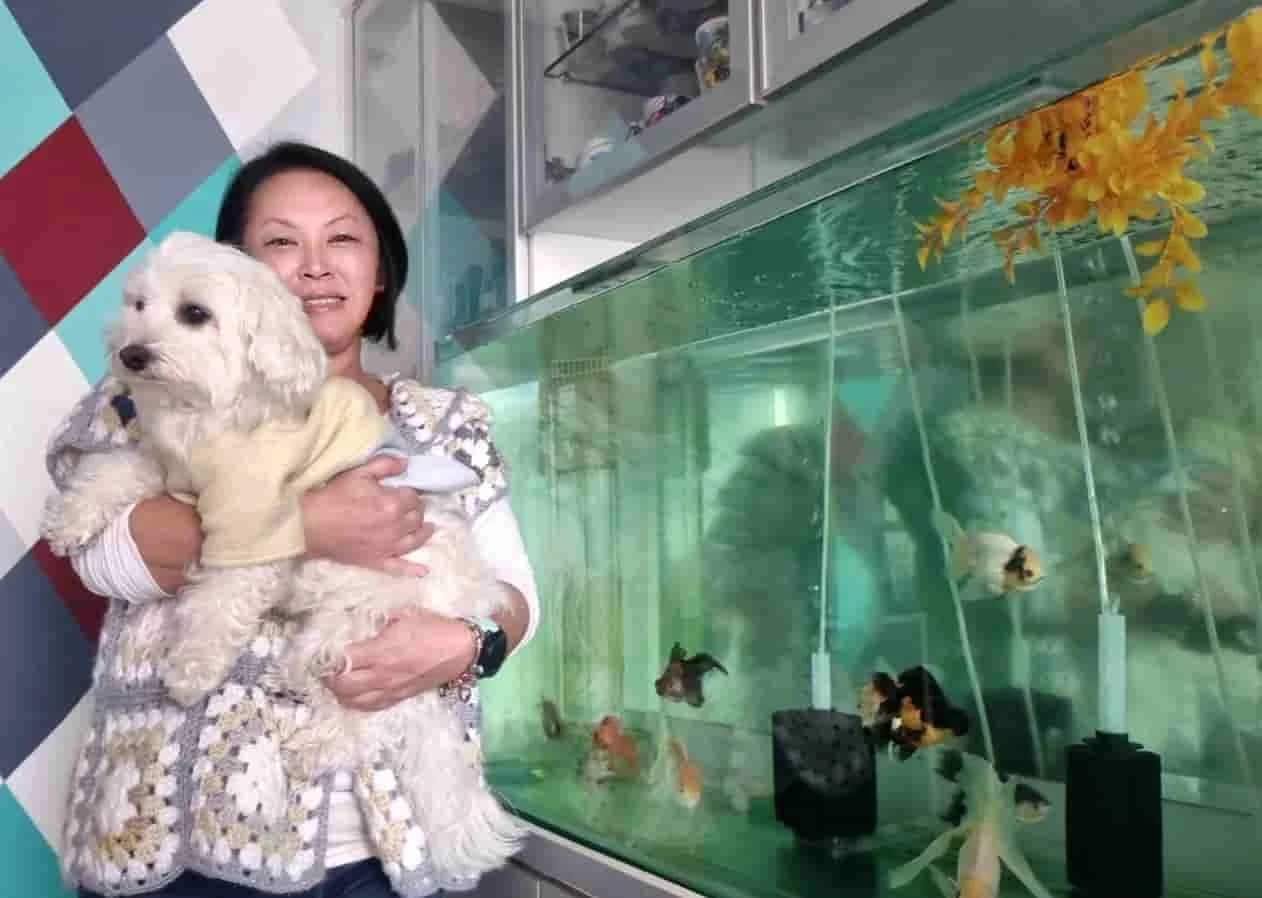
🏠 The 100G Lab
Where we torture test every hardware option, pellet line, and filter layout live.

🏃♀️ Grit & Eye
Marathon endurance meets the precise, millimeter structural focus of a seamstress.
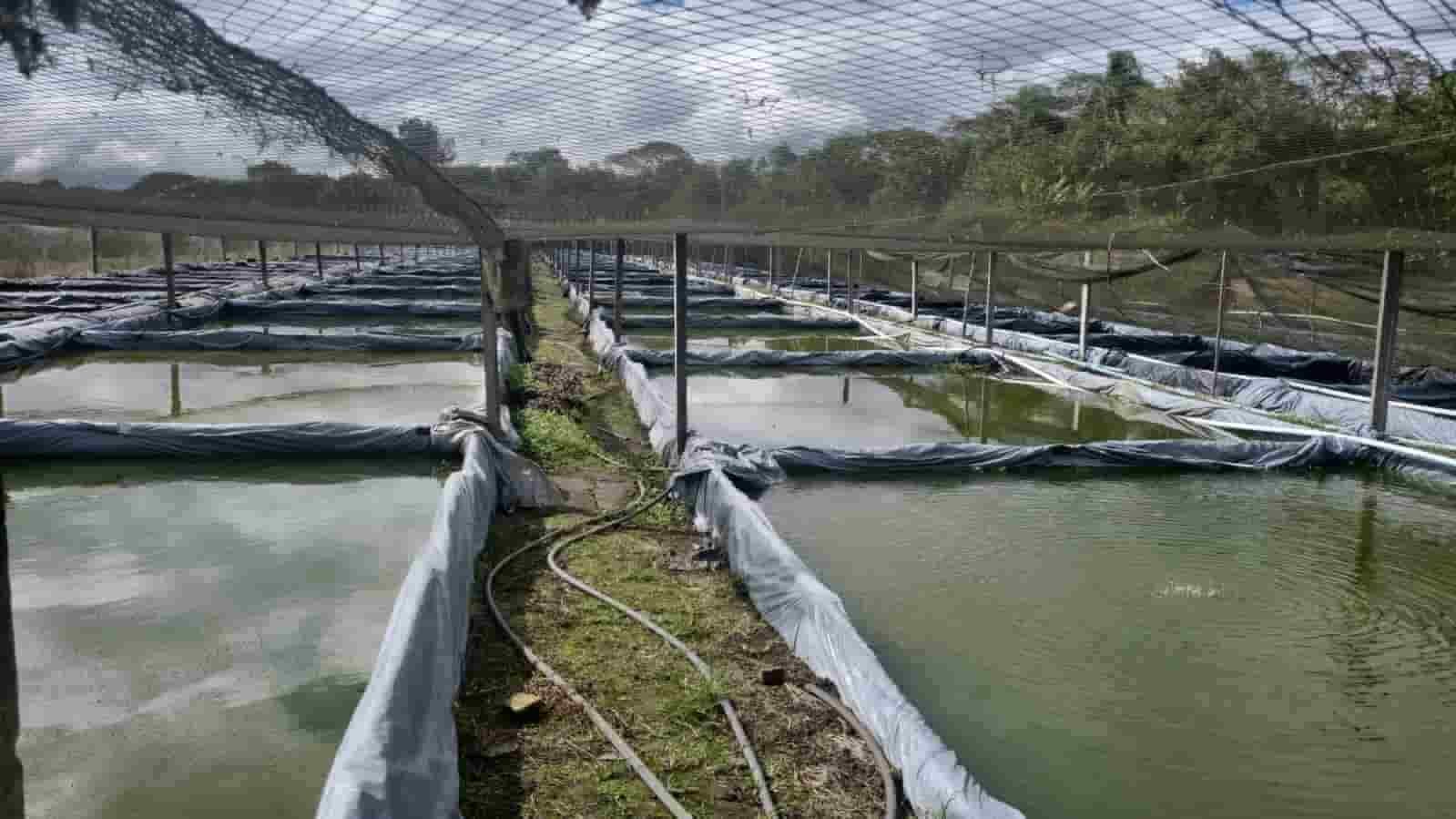
🐳 Monster Vats
Analyzing massive continuous turnovers inside large open-air mud farm vats.
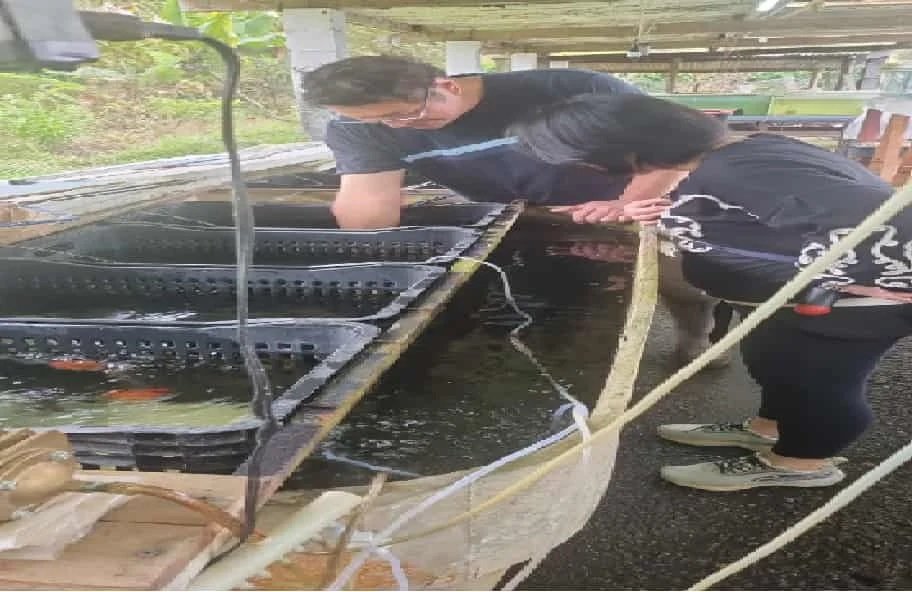
🤝 True Alliances
Working hand-in-hand with regional facility operations to target elite fancy bloodlines.