
Deciding between glass vs acrylic for 100 gallon tanks is one of the most stressful crossroads you will face when upgrading your aquarium. A 100-gallon (400-liter) setup is a massive commitment; we are talking about holding nearly half a ton of water right in your living room.
Getting this decision right means absolute peace of mind, knowing your floor will stay dry, your fish will remain safe, and your hard-earned money was spent on a setup that will last for decades. Getting it wrong, however, can result in structural failure, catastrophic leaks, or a tank so scratched up you can barely see your fish.
As a goldfish hobbyist for eight years, I have spent countless hours managing my own 100-gallon display tank. When I’m not running long-distance or working in my sewing studio—where precision stitching and clean seams are my bread and butter—I’m looking at my aquarium.
Silicone seams on a massive glass tank require the exact same meticulous inspection as a hand-sewn hem. Let’s break down the technical differences between these two materials so you can choose the absolute best home for your wet pets.
The Material Showdown: Understanding the Core Differences
To make an educated choice, we have to look closely at the chemical and physical properties of both materials. Glass and acrylic might look identical on a store shelf, but they behave in completely opposite ways under pressure.
Glass is a classic, inorganic material made by melting silica, soda ash, and limestone at incredibly high temperatures. It is exceptionally dense, rigid, and hard, which makes it highly scratch-resistant but also incredibly heavy and brittle.
Acrylic is a synthetic, oil-based plastic polymer (often polymethyl methacrylate) that is heated and molded into panels. It is highly impact-resistant, lightweight, and flexible, but its soft molecular surface makes it highly vulnerable to scratches.
Scratch Resistance vs Impact Strength
The physical trade-offs here are absolute. Glass is highly scratch-resistant, meaning you can scrub it with steel wool or use a magnetic scraper without leaving a mark. However, its brittle nature means it has very low impact resistance; if a heavy rock falls over inside the tank, the glass can instantly shatter.
Acrylic is virtually shatterproof, boasting up to seventeen times the impact resistance of glass. It can bend and flex under sudden impacts without breaking. But the negative point is that it scratches if you even look at it wrong; a single grain of sand caught under your cleaning magnet will carve permanent white scars across your beautiful display.
Weight and Portability
An empty 100-gallon glass tank is a massive, back-breaking beast that usually weighs between 150 and 200 pounds. You will need at least two or three strong friends to help you move, lift, and position it onto your stand without injuring yourself.
In contrast, an empty 100-gallon acrylic tank is incredibly lightweight, usually weighing a mere 30 to 50 pounds. You can easily lift it, carry it up a flight of stairs, and position it onto your stand all by yourself without breaking a sweat.
Weighing the Options: Glass vs Acrylic for 100 Gallon Tanks
When you step up to a 100-gallon tank, you are crossing a critical threshold where material physics really begin to matter. At this volume, your tank holds over 830 pounds of water, which exerts immense, continuous outward pressure on the joints and panels.
Let’s apply our balanced pros and cons analysis to each material at this specific 100-gallon scale so you can see how they perform under real-world pressure.
The Glass Verdict
- The Good Side: It leaves the water crystal clear, never yellows over time, and allows you to run heavy magnetic scrapers over the panes to clean off stubborn green spot algae without worrying about scratching.
- The Negative Point: The overall setup is incredibly heavy, and if you place it on a stand that is even slightly unlevel, the uneven shear stress will slowly pull the silicone seams apart, leading to a sudden, catastrophic living room flood.
The Acrylic Verdict
- The Good Side: The chemical welds fuse the panels at a molecular level into a single, seamless piece of plastic, making joint leaks practically impossible while offering unmatched clarity and zero green tint at the edges.
- The Negative Point: Acrylic requires a fully supported, solid-top stand because it is flexible and will bow outward under water pressure, which can distort your view of the fish and eventually cause the top bracing to craze and crack.
The Reality of the Battlefield
In the aquarium hobby, marketing promises often clash violently with real-world practice. Manufacturers love to sell you on beautiful, modern designs, but practical maintenance reveals the design flaws very quickly.
Rimless glass tanks look stunning, ultra-clean, and modern in your living room. However, their lack of top plastic bracing means the silicone joints bear 100% of the water’s outward pressure, leading to silent, slow joint degradation and sudden structural blowouts after a few years of continuous use.
Premium acrylic tanks boast chemically welded seams that fuse the plastic panels together molecularly. But, the cheap extruded acrylic panels used by budget brands will bow outward like a bloated balloon over time, permanently distorting your fish’s shapes and causing micro-cracks around the top cutouts.
Acrylic “scratch-repair kits” are heavily marketed as miracle fixes that can easily polish out any blemish on an acrylic tank. However, using these kits underwater is an absolute nightmare, they leave hazy, distorted spots in the plastic that look worse than the scratch, and the heavy chemical fumes can easily crash your biological filter if used inside an active tank.
A Clumsy Mistake: The Dave Scenario
Imagine a transitioning hobbyist named Dave. Dave saved up for months to buy a gorgeous 100-gallon acrylic tank. He wanted a natural riverbed look, so he decorated the bottom with fine, black blasting sand and smooth river rocks.
During his very first weekly glass cleaning, a tiny, microscopic grain of sand got trapped under his heavy magnetic scraper. Dave aggressively dragged the magnet back and forth across the front panel.
Within ten seconds, he had etched a giant, swirling spiderweb of deep white scratches right across his gorgeous display. Desperate to fix it, he bought an automotive rubbing compound and scrubbed the area, which chemically clouded the plastic permanently. Now his expensive tank looks like a frosted bathroom window. Don’t be like Dave.
In 30 Seconds
Look, let’s get straight to the point if you’re standing in the fish store trying to make a decision right now:
- If you have kids, boisterous pets, or live in an earthquake-prone zone, buy acrylic. It will not shatter if something hits it.
- If you hate cleaning with extreme, surgical caution, buy glass. Acrylic will scratch if you use the wrong sponge.
- An empty 100-gallon glass tank is a two-person lift; acrylic is light enough to carry under your arm.
- Glass is significantly cheaper for a 100-gallon setup, while premium acrylic will cost you a major up-front premium.
- For long-term peace of mind, glass holds its structural shape forever, but acrylic joints are molecularly fused and virtually leak-proof.
Head-to-Head Material Comparison
Let’s look at how these materials stack up side-by-side across the most critical categories for a large 100-gallon setup:
| Feature | Glass Aquariums | Acrylic Aquariums |
|---|---|---|
| Empty Weight | Heavy (150 – 200 lbs) | Light (30 – 50 lbs) |
| Scratch Resistance | Exceptional | Extremely Poor |
| Impact Resistance | Low (Can shatter) | High (Virtually shatterproof) |
| Long-Term Clarity | Permanent (No yellowing) | Can yellow over time under UV |
| Seam Strength | Silicone glue (Can degrade) | Chemically fused (Molecular bond) |
| Stand Requirement | Rimmed/Floating bottom | Fully supported solid-top stand |
| Total Cost | Economical | Premium / Expensive |
Common Mistakes When Choosing and Setting Up Large Tanks
Many beginners make the mistake of placing a large, heavy glass tank on a cheap, unlevel stand. Unlike a small 10-gallon tank, a 100-gallon glass tank cannot tolerate any twisting or uneven pressure. If the stand is unlevel, the weight of the water will concentrate on one single corner, eventually causing the glass pane to crack or the silicone seam to tear.
Another classic error is cleaning an acrylic tank with standard glass cleaners or paper towels. Paper towels are made from wood pulp, which contains microscopic wood fibers that will easily leave thousands of fine swirl marks on an acrylic surface. Always use specialized acrylic-safe microfiber cloths and water or plastic-safe polishes.
Finally, some hobbyists buy cheap extruded acrylic tanks instead of high-quality cell-cast acrylic. Extruded acrylic is cheaper to manufacture but has built-in tension lines. When you fill an extruded tank with 100 gallons of water, it will bow significantly, and the seams are far more likely to fail under long-term stress.
👇 Looking for more performance cheats? Check out our field-tested tactical blueprints:
The Goldfish Ecosystem Blueprint
Complete your advanced technical training loop by exploring our core evergreen resources.
How to Feed Goldfish for Maximum Lifespan
A deep breakdown of digestive tract mechanics, bloating prevention, and premium sinking diets.
How to Maintain a 100 Gallon Goldfish Tank
Large-scale system parameters. Deep sand bed mechanics, nitrogen cycling, and bioload management.
Ultimate Guide to Goldfish Tank Filtration
Heavy-duty hardware configurations. Optimizing parallel canisters, bio-media setups, and automation.
Troubleshooting Checklist
- Compare glass vs acrylic for 100 gallon tanks before you swipe your card, keeping in mind who will be helping you carry the tank into your home. (Insider note: If you live on the third floor of an apartment with no elevator, do not buy a glass tank unless you want to pull a muscle.)
- Check your floor’s structural integrity before filling your 100-gallon setup. (Insider note: Always position a heavy tank perpendicular to your floor joists, never parallel, to distribute the heavy load safely.)
- Ensure your tank stand is 100% flat and level using a high-quality carpenter’s level. (Insider note: A level bubble that is “close enough” is a ticking time bomb; it needs to be dead center to prevent seam blowouts.)
- Inspect the silicone joints of a new glass tank for air bubbles or lifting edges. (Insider note: If you see dry, peeling silicone on the inside corners, return the tank immediately; it is a leak waiting to happen.)
- Avoid using magnetic cleaners near the substrate line in an acrylic tank. (Insider note: Stop your magnet at least two inches above the sand line and clean the bottom edge by hand with a soft sponge.)
- Verify that your acrylic tank is sitting on a solid, flat-top stand with a thin layer of leveling foam. (Insider note: Acrylic bends under pressure, so any high spot on your stand will create a stress crack in the bottom pane.)
- Keep your acrylic tank away from direct sunlight or heavy UV sterilizer lamps. (Insider note: Cheap acrylic will yellow and become brittle under constant UV exposure, ruining your view.)
- Remove chemical glass cleaners like Windex from your fish room entirely. (Insider note: Ammonia fumes from glass cleaners can drift into your water, poisoning your fish and clouding your acrylic.)
- Buy a sponge filter or a pre-filter sponge for your intake tubes. (Insider note: This prevents heavy gravel from being sucked up and grinding against the walls of your tank.)
- Use a soft, designated microfiber cloth that has never been washed with fabric softener to clean your tank’s exterior. (Insider note: Fabric softeners leave an oily residue that will smear your view and can harm your fish.)
- Choose cell-cast acrylic over extruded acrylic if you decide to go the plastic route. (Insider note: Cell-cast acrylic is more expensive but has far superior clarity and structural strength under heavy pressure.)
FAQ
Can I buff out scratches on a glass aquarium?
No, forget about it. While you can easily polish light scratches out of acrylic, deep scratches in glass are practically permanent. You can buy cerium oxide polishing kits, but they require hours of exhausting mechanical buffing and often leave distorted, wavy spots in the glass that look worse than the scratch.
Does acrylic really yellow over time?
High-quality, modern cell-cast acrylic will not yellow for decades under normal indoor conditions. However, if you place a cheap acrylic tank right next to a sunny window or expose it to intense UV sterilizer light, the plastic will eventually yellow, craze, and become brittle.
Which material is safer for homes with small children or large dogs?
Acrylic is hands-down the safer choice here. If a toddler throws a heavy metal toy or a large dog bumps hard against a glass tank, it can shatter instantly, releasing a wall of water and glass shards. Acrylic is highly impact-resistant and will absorb the blow without breaking.
Is low-iron glass worth the extra money?
Yes, absolutely. Standard float glass has a distinct green tint caused by iron oxide, which becomes very noticeable once the glass gets thick enough for a 100-gallon tank. Low-iron glass (like Starphire) is incredibly clear and makes your fish’s colors pop, though it is slightly softer and easier to scratch.
Do acrylic tanks require special stands?
Yes, they do. Glass tanks only need support around their perimeter frame because the bottom pane of glass is suspended and incredibly rigid. Acrylic is flexible and must be supported across its entire bottom surface by a solid-top stand, usually with a thin sheet of leveling foam underneath.
Which is easier to drill for custom plumbing?
Acrylic is a absolute breeze to drill using standard hole saws and a power drill. It won’t crack or shatter if you go slowly. Drilling glass is a nerve-wracking, high-stakes chore that requires specialized diamond-tipped drill bits, constant water cooling, and a very steady hand.
Do glass tank seams degrade faster than acrylic seams?
Yes, silicone is an adhesive that slowly loses its grip over ten to fifteen years, meaning glass tanks eventually need to be scraped and resealed. Acrylic seams are chemically welded; the panels are melted into a single continuous piece of plastic, which means the joints will never dry out or fail.
Which material is cheaper in the long run?
Glass is far cheaper both upfront and in the long run. Acrylic tanks cost a massive premium to purchase and require expensive, specialized cleaning tools. Plus, because acrylic scratches so easily, the cosmetic appearance of the tank usually degrades much faster than glass over a decade of use.
🛡️ │ WHY TRUST SKYTC GOLDFISH CARE CURATION?
At SKYTC, we hold aquatic ecosystem biology and biological parameter handling to a rigorous standard. We are not an automated affiliate review engine; we apply hands-on tests and serious filtration engineering workflows to ensure every recommendation guarantees the health and maximum lifespan of your fish with absolute safety.
✓ Engineering:
Structural experience backed by heavy-duty filtration math, continuous hydraulic turnover metrics, and robust mechanical support for large-scale coldwater systems.
✓ Expertise:
Focuse on preventative biological husbandry and premium nutrition. Thoroughly auditing biological media, sinking feeds, and elements that completely neutralize ammonia spikes.
✓ Authority:
Curation signed by real keepers running a balanced 100-gallon display ecosystem for over 8 years, pairing daily practical benchwork with direct wholesale breeder insights.
✓ Trust:
Product selections built on unfiltered transparency—exposing actual electrical draws, heat dissipation issues, and hidden costs before any Amazon recommendations.
📸 Our Journey in the Real World
From daily living room tank turn rates to macro-scale breeding setups.

🏠 The 100G Lab
Where we torture test every hardware option, pellet line, and filter layout live.

🏃♀️ Grit & Eye
Marathon endurance meets the precise, millimeter structural focus of a seamstress.
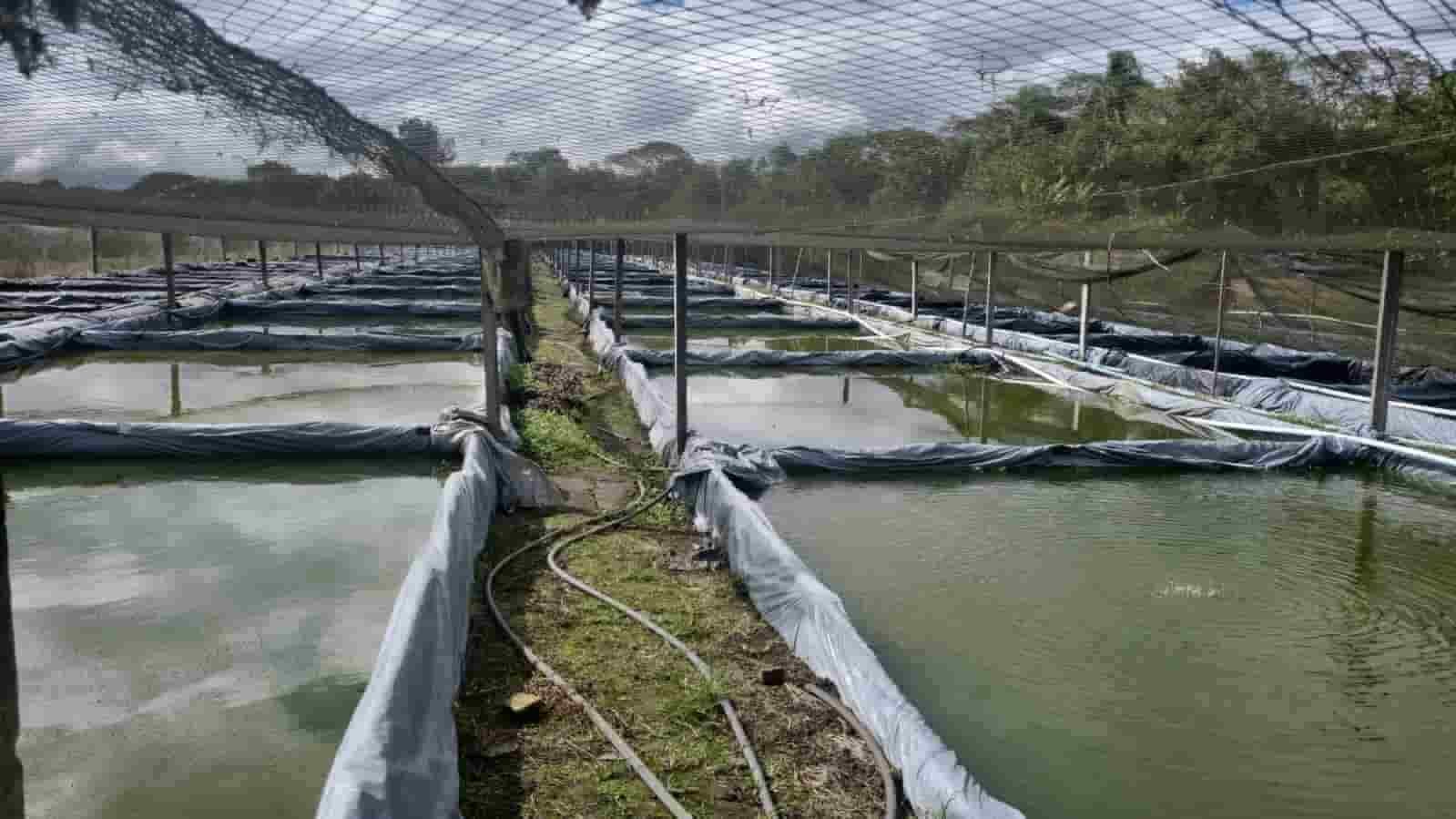
🐳 Monster Vats
Analyzing massive continuous turnovers inside large open-air mud farm vats.
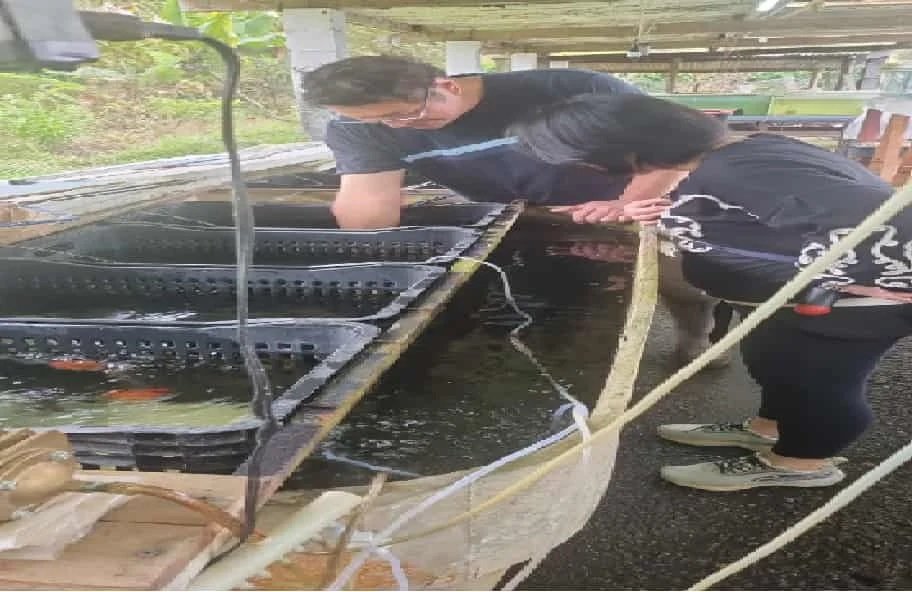
🤝 True Alliances
Working hand-in-hand with regional facility operations to target elite fancy bloodlines.
Read also: Levelling a 100 Gallon Aquarium Setup
A deeply technical piece of content that perfectly complements this post — absolutely worth the read.