
If you are tired of looking at a cloudy, messy aquarium and want to finally enjoy pristine, healthy water without scrubbing your tank every single weekend, you are in the right place. To achieve that gorgeous showroom-clear look, understanding the proper Canister Filter GPH Rules for Goldfish is your ultimate ticket to absolute peace of mind.
As a professional seamstress, I appreciate precise measurements, and as a long-distance runner, I understand that consistency and endurance are everything. For over eight years, I have applied these exact principles to maintaining my own 100-gallon (400-liter) goldfish tank, and today, I am going to share the real-world math that actually keeps these messy eaters happy.
You see, goldfish are absolute poop machines. They do not have stomachs, which means everything they eat passes through them lightning-fast, leaving your filter to do the heavy lifting of processing massive amounts of ammonia day in and day out.
Demystifying the Canister Filter GPH Rules for Goldfish
Gallons Per Hour (GPH) is simply the measurement of how many gallons of water pass through your filter’s pump motor in one hour. If you have a 40-gallon tank and a filter with a 400 GPH rating, that filter theoretically moves your entire tank’s water volume 10 times every hour.
For most tropical fish like guppies or tetras, a modest turnover of 4x to 5x your tank volume is perfectly fine. However, goldfish belong to a completely different class of waste producers, and they require a heavy-duty approach.
The golden rule of thumb for goldfish is a minimum of 10x turnover rate per hour when using a canister filter. This means you should aim to cycle the entire volume of your aquarium water through your filter media ten times every single hour.
Why the Standard 4x Filter Rule is an Absolute Trap
If you try to use a standard tropical fish filter on a goldfish tank, you are setting yourself up for an endless cycle of green water, bacterial blooms, and sick fish. Goldfish produce massive amounts of physical waste (poop) and chemical waste (ammonia) through their gills and urine.
A weaker filter with low GPH will quickly choke on this heavy load. Within days, the biological sponges will clog with thick brown muck, causing the flow rate to drop to a pathetic trickle.
Once the flow drops, the beneficial bacteria residing in your filter will starve of oxygen, leading to ammonia spikes that can be highly toxic to your aquatic pets. By aiming for a high GPH, you build in a critical safety buffer that keeps water moving even when the mechanical sponges begin to collect debris.
The Impact of Fish Type: Fancy Goldfish vs. Single-Tails
It is important to remember that not all goldfish are built the same way, and their physical shapes dramatically affect how we apply our filtration setup. Fancy goldfish—such as Orandas, Ryukins, and Fantails—are clumsy, slow-moving swimmers with delicate, double-lobed fins.
If you blast a small 40-gallon tank with a raw, concentrated 400 GPH jet of water, your fancy goldfish will struggle to swim against the current. They will spend all their energy fighting the flow, which can lead to stress, swim bladder issues, and physical exhaustion.
Conversely, single-tail goldfish—like Comets, Commons, and Shubunkins—are sleek, muscular, and incredibly athletic. They love a strong current and will happily swim against a robust flow, much like how I enjoy a challenging long-distance run on a windy morning.
To keep your fancy goldfish safe while still maintaining a high turnover rate, you must use smart flow-diffusion techniques. Using a long spray bar along the back glass or a wide-mouthed lily pipe will distribute the high-volume flow evenly across the tank, preventing a localized whirlpool while keeping your GPH high.
The Reality of the Battlefield
Let’s step away from the glossy brochures and talk about what happens when marketing promises meet real-world goldfish sludge. Many popular canister filters boast incredible motor power and silent operation, but their real-world usability tells a completely different story.
Take the highly-rated Fluval FX series, for example. It provides incredible water movement and holds a massive volume of media. However, the ribbed black hosing is an absolute nightmare because it traps disgusting organic gunk in every single groove, which eventually breaks loose and shoots ugly black flakes all over your clean tank.
Then we have the premium Oase BioMaster series. The easy-clean pre-filter design is a genius engineering feat. But the priming button mechanism is notoriously cheap; if a single grain of aquarium sand gets lodged inside the housing, the primer button jams permanently and can cause a slow, silent leak.
And let’s not forget the classic Eheim Classic series. They are built like absolute tanks and will run silently for decades. However, they completely lack a modern priming button or quick-release double taps on some base models, forcing you to manually suck on the return pipe like a cheap siphon just to get the water flowing after a clean.
The Good Side vs. The Negative Point
To help you make an unbiased decision, let us look at the raw trade-offs of relying on ultra-high GPH canister filters.
The Good Side: A massive GPH canister filter leaves the water crystal clear like showroom glass, drops tank ammonia to absolute zero, and gives you a massive buffer against accidental overfeeding.
The Negative Point: The motor head on these high-capacity units is incredibly heavy, and if you open the canister clumsily during weekly maintenance, you can easily crack the cheap plastic tension clips and flood your living room floor with thirty gallons of dirty water.
Understanding Head Height and Flow Loss Math
One of the biggest mistakes beginners make is taking the GPH rating printed on the filter’s box at face value. That manufacturer rating is measured under absolute laboratory conditions with an empty canister, no filter media, and zero vertical lift.
The moment you place your canister filter inside your wooden stand beneath the aquarium, gravity enters the equation. Your pump motor now has to push water vertically against gravity, a concept known as static head height.
Additionally, as you stuff your filter trays with dense mechanical sponges, chemical carbon bags, and porous ceramic biological media, you create physical resistance. This resistance further chokes the flow of water.
As a rule of thumb, you should assume a 30% to 50% loss in flow rate once your canister filter is fully loaded with biological media, sponges, chemical carbon, and pushed up a standard three-foot cabinet.
This means if you need a real-world flow of 200 GPH to satisfy your goldfish tank, you actually need to purchase a filter rated for at least 350 to 400 GPH on the retail box.
Side-by-Side Canister Filter Flow Guide
To help you easily size your filtration setup, here is a mobile-friendly breakdown of how to choose your filter based on actual tank volumes and goldfish varieties.
| Tank Size (Gallons) | Required Real-World GPH | Recommended Box Rating GPH | Target Goldfish Type |
|---|---|---|---|
| 30 Gallons | 300 GPH | 450 to 500 GPH | Up to 2 Fancy Goldfish |
| 55 Gallons | 550 GPH | 750 to 800 GPH | 3 to 4 Fancy Goldfish |
| 75 Gallons | 750 GPH | 1,000+ GPH | Mixed Fancies or 2 Single-Tails |
| 100 Gallons | 1,000 GPH | Dual Filters (1,200+ GPH combined) | Large Fancies or Comets |
| 125 Gallons | 1,250 GPH | Dual Filters (1,500+ GPH combined) | Full Single-Tail Community |
Common Mistakes That Will Destroy Your Cycle
Let us paint a quick, painful scenario that happens to beginners all the time. Imagine you buy a heavy-duty canister filter to manage your messy Comets. After a month, the flow slows down slightly because the sponges are doing their job.
You drag the heavy canister to the bathroom, open it up, and wash all the slimy brown ceramic rings directly under roaring hot tap water. You scrub everything clean until it looks brand new.
Two days later, your goldfish are gasping at the surface, and your water looks like milk. You just committed the ultimate sin: the hot, chlorinated tap water sterilized your beneficial nitrifying bacteria, completely crashing your biological cycle.
Always wash your filter media inside a bucket of old tank water that you siphoned out during your water change. It keeps the good bacteria alive while washing away the physical sludge.
In 30 Seconds: The Quick Counter Talk Verdict
Look, let’s keep it straight.
Goldfish need extreme filtration, not extreme water currents.
Buy a canister filter rated for 10 times your tank volume.
Always use a spray bar to distribute the intense flow so your fish don’t get exhausted.
Never wash your biological media in untreated tap water, or you will kill your beneficial cycle.
And don’t trust the flow rate on the box—always buy one size larger than you think you need.
Troubleshooting Checklist for Crystal Clear Goldfish Water
If you are experiencing issues with cloudy water, low flow, or noisy filters, use this direct, bench-tested guide to fix the issue fast.
- Ensure your setup strictly adheres to the Canister Filter GPH Rules for Goldfish by choosing a unit with a manufacturer rating that is 10x your tank capacity. Insider note: Don’t skimp here; buying a smaller unit to save a few pennies will only result in cloudy water and constant maintenance.
- Check for kinks in the flexible vinyl tubing. Insider note: Warm the kinked spot with a hairdryer to make the plastic pliable again, then secure it with a plastic zip tie so it doesn’t fold back.
- Keep the canister level below the tank’s water line. Insider note: If the filter sits too high, gravity won’t prime it properly and the motor pump will burn out within months.
- Clean the impeller assembly once a month. Insider note: Goldfish waste creates a slimy biofilm on the magnetic shaft; scrub it with a soft toothbrush to restore lost GPH instantly.
- Lube your rubber O-rings with pure silicone grease. Insider note: Never use petroleum jelly like Vaseline, as it will rot the rubber compound and trigger a massive living room flood.
- Clean the pre-filter sponge weekly. Insider note: If your canister has a dedicated pre-filter chamber like the Oase, cleaning it takes two minutes and prevents your main media from clogging.
- Use a coarse pre-filter sponge over the intake pipe inside the tank. Insider note: This prevents baby fish or floating plant leaves from getting sucked into the canister motor.
- Purge trapped air by gently rocking the canister. Insider note: Tilt the running canister 15 degrees side to side; you’ll hear a burp of air escape, which immediately quiets down a noisy motor.
- Ditch the fine polishing pads if your flow drops too fast. Insider note: Fine micro-pads clog within days with goldfish slime; use medium-grade sponges instead for sustained flow.
- Position the intake and output on opposite sides of the tank. Insider note: This creates a sweep-along current that pushes fish poop straight toward the filter intake instead of leaving dead spots.
- Never pack your ceramic biological rings too tightly. Insider note: If you pack them like a jigsaw puzzle, water will bypass the media completely, rendering your filtration useless.
- Use double-tap quick disconnect valves on your hoses. Insider note: If your filter doesn’t have them built-in, install aftermarket ones immediately; they make carrying the heavy bucket to the sink a breeze.
👇 Looking for more performance cheats? Check out our field-tested tactical blueprints:
The Goldfish Ecosystem Blueprint
Complete your advanced technical training loop by exploring our core evergreen resources.
How to Feed Goldfish for Maximum Lifespan
A deep breakdown of digestive tract mechanics, bloating prevention, and premium sinking diets.
How to Maintain a 100 Gallon Goldfish Tank
Large-scale system parameters. Deep sand bed mechanics, nitrogen cycling, and bioload management.
Ultimate Guide to Goldfish Tank Filtration
Heavy-duty hardware configurations. Optimizing parallel canisters, bio-media setups, and automation.
Exhausted Bench Tech FAQ
Can I turn off my canister filter at night to save power?
Absolutely not. If you do this, you are actively killing your fish. Your beneficial bacteria need a constant supply of oxygen-rich water flowing through the media to survive. Turning the filter off for more than a couple of hours turns the canister into an anaerobic death trap. When you turn it back on in the morning, you will pump toxic hydrogen sulfide and dead bacteria directly into your tank, wiping out your entire setup. Keep it running 24/7.
Is a hang-on-back filter better than a canister filter for goldfish?
No, not even close. Hang-on-back (HOB) filters are fine for tiny community fish, but for goldfish, they are a joke. They don’t hold enough biological media, they bypass water easily when clogged, and they lose prime during power outages. A canister filter gives you a massive pressurized bucket to stuff with high-quality biological media, which is the only way to keep up with goldfish waste. Don’t waste your money on cheap HOB filters if you want clean water.
Why is my high-GPH canister filter making a rattling noise?
It’s almost always either trapped air or a damaged ceramic impeller shaft. If it’s trapped air, rock the canister gently side to side to purge the bubbles. If it still rattles, pull the impeller out. If that ceramic shaft is snapped or worn down, the magnet will wobble and rattle against the housing. Replace the shaft immediately before it ruins the motor head.
Do I really need chemical filtration like carbon in my canister filter?
Mostly, no. Activated carbon is great for removing medications or heavy odors, but it wears out in a few weeks and becomes useless. Instead of wasting money on carbon refills, pack your canister with high-quality biological media (like ceramic rings or sintered glass) and a solid mechanical sponge. Biological filtration is what keeps your goldfish alive, not chemically treated charcoal.
How often should I completely clean my canister filter?
Stop over-cleaning your filters! If you open your canister every single week, you are disrupting the beneficial bacteria. For a properly sized goldfish canister filter, cleaning it once every two to three months is plenty. The only exception is the pre-filter sponge, which you should rinse every couple of weeks if your model allows easy access. Let the biological media do its job in peace.
Can I use pool filter sand in a tank with a high-GPH canister?
Yes, but you need to be careful. Goldfish love to sift through sand, which kicks it up into the water column. If your intake pipe is too close to the bottom, the high suction will suck that abrasive sand straight into your canister motor, grinding down your impeller and destroying the pump. Keep your intake pipe at least four to six inches above the sand bed.
My canister filter flow has slowed down to a trickle. What did I do wrong?
You probably stuffed your filter trays with ultra-fine water polishing pads that clogged up with goldfish slime in a matter of days. Goldfish waste is too thick for fine pads. Ditch the micro-polishing pads and swap them for medium or coarse mechanical sponges. Also, check your hoses—over time, a thick layer of brown algae builds up inside the tubing, cutting your GPH in half. Clean them with a flexible wire hose brush.
Can I use a cheap utility pump to boost my canister filter’s GPH?
Don’t do it. Trying to force more water through a canister filter using an external utility pump is a recipe for disaster. Canister filters are only rated for a specific internal pressure. If you push too much water in, you will blow the seals, pop the lid, and dump your entire tank onto your floor. If you need more GPH, buy a larger canister or add a second unit.
🛡️ │ WHY TRUST SKYTC GOLDFISH CARE CURATION?
At SKYTC, we hold aquatic ecosystem biology and biological parameter handling to a rigorous standard. We are not an automated affiliate review engine; we apply hands-on tests and serious filtration engineering workflows to ensure every recommendation guarantees the health and maximum lifespan of your fish with absolute safety.
✓ Engineering:
Structural experience backed by heavy-duty filtration math, continuous hydraulic turnover metrics, and robust mechanical support for large-scale coldwater systems.
✓ Expertise:
Focuse on preventative biological husbandry and premium nutrition. Thoroughly auditing biological media, sinking feeds, and elements that completely neutralize ammonia spikes.
✓ Authority:
Curation signed by real keepers running a balanced 100-gallon display ecosystem for over 8 years, pairing daily practical benchwork with direct wholesale breeder insights.
✓ Trust:
Product selections built on unfiltered transparency—exposing actual electrical draws, heat dissipation issues, and hidden costs before any Amazon recommendations.
📸 Our Journey in the Real World
From daily living room tank turn rates to macro-scale breeding setups.

🏠 The 100G Lab
Where we torture test every hardware option, pellet line, and filter layout live.

🏃♀️ Grit & Eye
Marathon endurance meets the precise, millimeter structural focus of a seamstress.
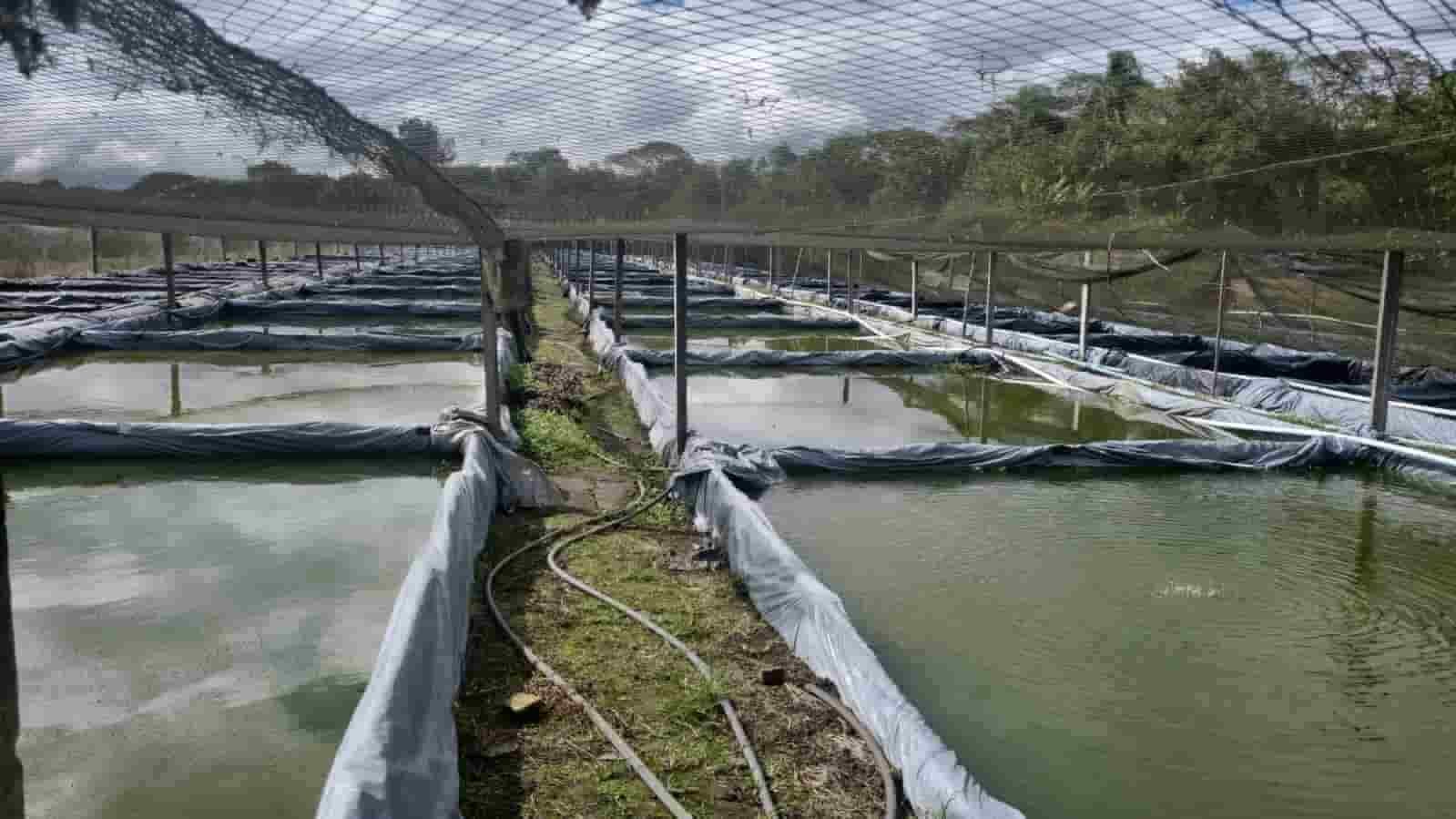
🐳 Monster Vats
Analyzing massive continuous turnovers inside large open-air mud farm vats.
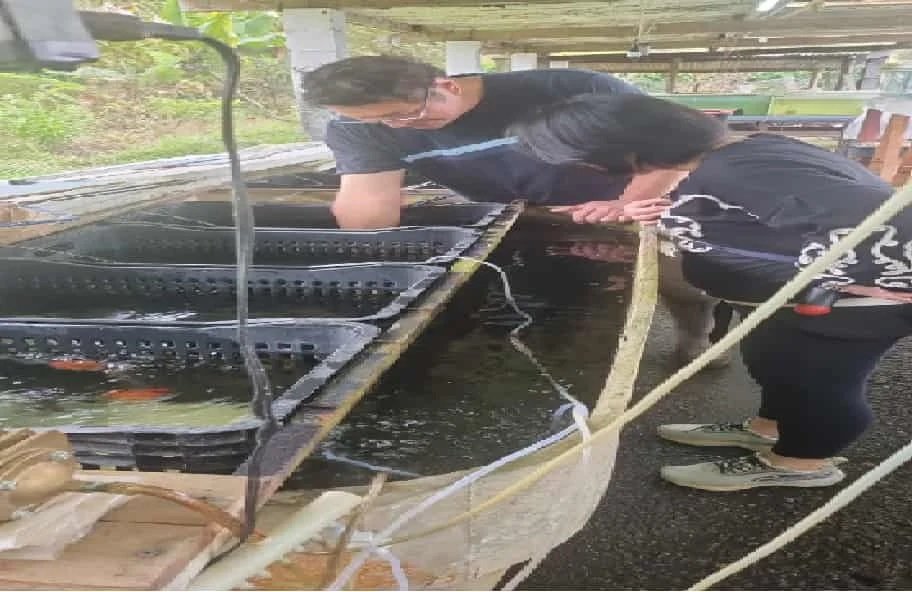
🤝 True Alliances
Working hand-in-hand with regional facility operations to target elite fancy bloodlines.
Read also: How to Set Up a Dual Canister Filter
A deeply technical piece of content that perfectly complements this post — absolutely worth the read.