
There is no sound more terrifying to an aquarium owner than the slow, rhythmic drip-drip-drip coming from inside your cabinet in the middle of the night. If you’ve ever woken up in a cold sweat dreading a flooded living room, you know that keeping your filtration watertight is the key to absolute peace of mind. Performing proper O Ring Maintenance for Canister Filters is the absolute thin line between a beautiful, crystal-clear aquatic display and a ruined hardwood floor that costs thousands to replace.
Many beginners treat their canister filter like a set-it-and-forget-it appliance, stuffed away in the dark of their wooden stand. But those heavy-duty motors and baskets are holding back dozens of gallons of pressurized water with nothing but a tiny, circular piece of rubber. Over my eight years of keeping messy fancy goldfish in my massive 100-gallon display tank, I have learned the hard way that ignoring this tiny rubber ring is the most expensive mistake you can make.
In 30 Seconds
If you are in a rush, here is the raw, unfiltered truth from the repair bench: never open your canister without lubing the main gasket.
Always use 100% pure food-grade silicone lubricant; petroleum jelly (like Vaseline) will chemically degrade the rubber and cause a blowout.
Inspect the ring for micro-tears every single time you clean the media, and replace the O-ring annually to prevent catastrophic leaks.
Why the Humble O-Ring Fails Under Pressure
To understand why your filter leaks, you have to understand the basic physics of a pressurized seal. When your canister filter’s motor head clamps down onto the canister body, it doesn’t just rest there. It compresses the rubber O-ring into a specially designed groove, creating a watertight barrier that resists the pressure generated by the pump.
In my day job as a professional seamstress, I spend hours aligning seams and making sure the tension on my thread matches the fabric perfectly. If the tension is off by even a millimeter, the seam puckers or snaps under pressure. An aquarium O-ring acts exactly like a seam; if it is twisted, dry, or pinched, the tension is unevenly distributed. Once that happens, the pressurized water will find the weakest point and push its way out.
Furthermore, running long-distance trail races has taught me that preparation is everything. You don’t run an ultra-marathon without lubing your feet to prevent friction; similarly, you cannot run a high-pressure canister filter without proper lubrication on your seals. Over time, constant exposure to water, debris, and cleaning cycles strips away the factory lubricant, causing the rubber to dry out, stretch, and eventually crack.
The Golden Rules of O Ring Maintenance for Canister Filters
If you want your filter to last for decades without a single drop of water escaping, you must build a bulletproof maintenance habit. Let’s break down the exact technical steps to keep those critical rubber barriers in pristine condition.
Step 1: Clean and Inspect with Precision
Every time you open your canister for a media rinse, you must completely remove the main motor head O-ring and any smaller O-rings on the double-tap valves. Wash them in lukewarm tap water—never hot water, which can warp the rubber. Gently run your fingers along the entire circumference of the ring, feeling for tiny cracks, flat spots, or grit.
Step 2: Choose the Right Lubricant
This is where most hobbyists completely destroy their equipment. You must only use 100% pure silicone lubricant. This specialized grease keeps the rubber supple, prevents it from binding when you clamp the motor head down, and fills in microscopic imperfections in the plastic groove.
The Reality of the Battlefield
In the aquarium world, manufacturers love to boast about “leak-free designs” and “tool-free maintenance clips” that make filter cleanings look like a breeze. But once you get these units onto the workshop bench, you quickly realize how fragile these promises are in real-world practice.
Premium canister filters feature massive, heavy-duty motor heads that promise unmatched water turnover. However, these heavy motor heads are incredibly awkward to align, and if you clamp down the plastic clips clumsily, you will easily pinch the main O-ring and flood your entire living room floor.
Similarly, those fancy quick-disconnect valve systems are praised for making maintenance painless. But, the tiny internal O-rings inside these cheap plastic quick-connect taps are incredibly fragile, and they frequently dry out and rip after only a few months of use, spraying water directly out of the cabinet.
Even high-end silicone main gaskets, which are marketed as long-lasting and superior to standard rubber, have a major flaw. Although they are highly flexible and resist drying out, the silicone material is incredibly soft, meaning a single trapped piece of ceramic filter media can easily slice right through the gasket, rendering it completely useless in seconds.
The Anatomy of a Classic Rookie Mistake
Let’s talk about a scenario I see constantly. A well-meaning hobbyist buys a brand-new, high-output canister filter. They run it for a few months, and the water is sparkling clean. Eventually, the flow slows down, so they decide it is time for a quick cleaning. They pop the clips, rinse the sponges, throw the motor head back on, and clamp it down dry.
Because the rubber O-ring was completely dry, it didn’t slide smoothly into its groove. Instead, it twisted slightly as the heavy motor head compressed it. Two hours later, while they are fast asleep, the twisted section of the rubber splits under the constant pressure. They wake up at 5 AM to find their expensive hardwood floors warped and ruined because they skipped a simple ten-second lubrication step.
Gaskets Compared
Understanding the material of your seal helps you predict how it will behave over years of service. Here is how the most common O-ring materials stack up on the bench.
| Material Type | Durability | Flexibility | Chemical Resistance | Risk of Pinching |
|---|---|---|---|---|
| Silicone | High | Excellent | High | Moderate (Very Soft) |
| Nitrile (NBR) | Moderate | Good | Moderate | High (Stiffens quickly) |
| EPDM Rubber | High | Moderate | High | Low (Highly Rigid) |
Pros and Cons of Different O-Ring Lubricants
To keep your filter seals running smoothly, you must choose the right lubrication method. Here is the unfiltered truth on what works and what will ruin your gear.
Pure Silicone Grease (Food Grade)
- • The Good Side: It leaves a thick, water-resistant protective barrier that keeps rubber supple for months, prevents pinching, and guarantees a watertight seal.
- • The Negative Point: It is incredibly sticky and acts as a magnet for loose hair, sand, and filter debris, requiring you to wipe the O-ring completely clean during every single maintenance cycle.
Cheap Petroleum Jelly (Vaseline)
- • The Good Side: It is extremely cheap, readily available in almost every household, and immediately stops a minor drip in an emergency situation.
- • The Negative Point: It is a petroleum-based product that chemically attacks rubber and silicone, causing the O-ring to stretch out, turn into mush, and catastrophically fail within a few weeks.
Troubleshooting Checklist for Filter Seals
Before you plug your filter back into the wall, run through this comprehensive checklist to ensure you don’t end up with a flooded room.
- Inspect the main gasket for flat spots before initiating O Ring Maintenance for Canister Filters. Insider note: Run your thumb along the ring; if you feel any flat edges instead of a perfect round profile, pitch it in the trash.
- Clean the plastic receiving groove on the canister body. Insider note: Dirt and grit love to hide in the corners of the groove; scrape it out with a plastic toothpick, never metal.
- Apply a thin, shiny layer of pure silicone grease to the entire ring. Insider note: You don’t need a massive glob; just enough to make the rubber look wet and slick.
- Stretch the O-ring gently to check for micro-cracks. Insider note: Pull the ring slightly under a bright light; tiny dry-rot cracks will show up immediately when the rubber is under tension.
- Never use a screwdriver to pry an O-ring out. Insider note: One slip of a metal screwdriver will gouge the plastic housing, leaving a permanent channel that water will leak through forever.
- Verify that the motor head sits completely flat before locking the clips. Insider note: If one side is sitting higher, your O-ring is likely pinched or out of its groove.
- Inspect the double-tap quick-disconnect valve O-rings. Insider note: These tiny rings dry out twice as fast as the main gasket because they are constantly twisted during shutoffs.
- Listen for a hissing or sucking sound when priming the filter. Insider note: A hiss means air is being sucked in past a dry O-ring, which will eventually turn into a water leak when the power cuts out.
- Keep a spare O-ring taped to the inside of your aquarium stand. Insider note: When a gasket fails on a Saturday night when shops are closed, you will thank your lucky stars you had a backup ready.
- Wipe down the sealing surface of the motor head. Insider note: Water can bypass the gasket if there is a film of slime or algae on the plastic mating surface.
- Check the clamp clips for tension. Insider note: If a clip snaps down too easily without resisting, the plastic has stretched, and it won’t compress the O-ring enough to seal.
- Run a paper towel around the canister head joint 10 minutes after startup. Insider note: A slow leak might not be visible immediately, but a dry paper towel will instantly show dampness.
👇 Looking for more performance cheats? Check out our field-tested tactical blueprints:
The Goldfish Ecosystem Blueprint
Complete your advanced technical training loop by exploring our core evergreen resources.
How to Feed Goldfish for Maximum Lifespan
A deep breakdown of digestive tract mechanics, bloating prevention, and premium sinking diets.
How to Maintain a 100 Gallon Goldfish Tank
Large-scale system parameters. Deep sand bed mechanics, nitrogen cycling, and bioload management.
Ultimate Guide to Goldfish Tank Filtration
Heavy-duty hardware configurations. Optimizing parallel canisters, bio-media setups, and automation.
FAQ: Real Talk from the Repair Bench
Can I use vegetable oil or cooking spray to lubricate my O-ring?
Absolutely not. Vegetable oils go rancid, turn into a sticky, smelly glue, and will rapidly degrade both rubber and silicone seals. It is an absolute trap that will ruin your filter and foul your aquarium water.
How often should I replace my canister filter’s main O-ring?
Once a year. I don’t care if it still looks fine to the naked eye. Rubber degrades, loses its elasticity, and takes a permanent “set” under constant compression. Spend the pocket change on a replacement before you end up paying for a new floor.
My filter is leaking right after a cleaning. Can I just tighten the clamps more?
No, and if you try, you will snap the plastic clamps off the motor head. If it is leaking, the O-ring is either pinched, dirty, or dry. Take it apart, clean the groove, lubricate it, and try again. Forcing it will only break expensive parts.
What is the best way to get a stuck O-ring out of its groove?
Use a dull plastic tool like an old credit card or a plastic guitar pick. Slide it under the ring and lift gently. Using butter knives or screwdrivers is a surefire way to scratch the plastic channel and ruin the filter body permanently.
Why does my canister filter build up air inside if the seal isn’t leaking water?
Because O-rings can act as a one-way valve. The suction side of the pump can pull microscopic amounts of air past a dry or degraded seal, even if the pressure isn’t high enough to push water out. Lubricate the ring to fix this.
Are third-party replacement O-rings safe to use?
Generally, yes, if they are made of high-quality nitrile or silicone and are the exact correct size. However, watch out for cheap bulk hardware store rings; they are often treated with industrial chemical mold-release agents that are highly toxic to your fish.
Why is my brand-new filter leaking straight out of the box?
Because manufacturers often ship filters with completely dry gaskets to prevent them from gathering dust in the warehouse. If you assemble it dry, the gasket will pinch. Always apply silicone grease before your very first run.
Can I use plumbing Teflon tape to wrap a leaky O-ring?
No. Teflon tape is designed for threaded metal pipe joints, not dynamic compressed rubber seals. Wrapping an O-ring in tape will prevent it from seating properly in its groove and will actually guarantee a catastrophic blowout.
🛡️ │ WHY TRUST SKYTC GOLDFISH CARE CURATION?
At SKYTC, we hold aquatic ecosystem biology and biological parameter handling to a rigorous standard. We are not an automated affiliate review engine; we apply hands-on tests and serious filtration engineering workflows to ensure every recommendation guarantees the health and maximum lifespan of your fish with absolute safety.
✓ Engineering:
Structural experience backed by heavy-duty filtration math, continuous hydraulic turnover metrics, and robust mechanical support for large-scale coldwater systems.
✓ Expertise:
Focuse on preventative biological husbandry and premium nutrition. Thoroughly auditing biological media, sinking feeds, and elements that completely neutralize ammonia spikes.
✓ Authority:
Curation signed by real keepers running a balanced 100-gallon display ecosystem for over 8 years, pairing daily practical benchwork with direct wholesale breeder insights.
✓ Trust:
Product selections built on unfiltered transparency—exposing actual electrical draws, heat dissipation issues, and hidden costs before any Amazon recommendations.
📸 Our Journey in the Real World
From daily living room tank turn rates to macro-scale breeding setups.

🏠 The 100G Lab
Where we torture test every hardware option, pellet line, and filter layout live.

🏃♀️ Grit & Eye
Marathon endurance meets the precise, millimeter structural focus of a seamstress.
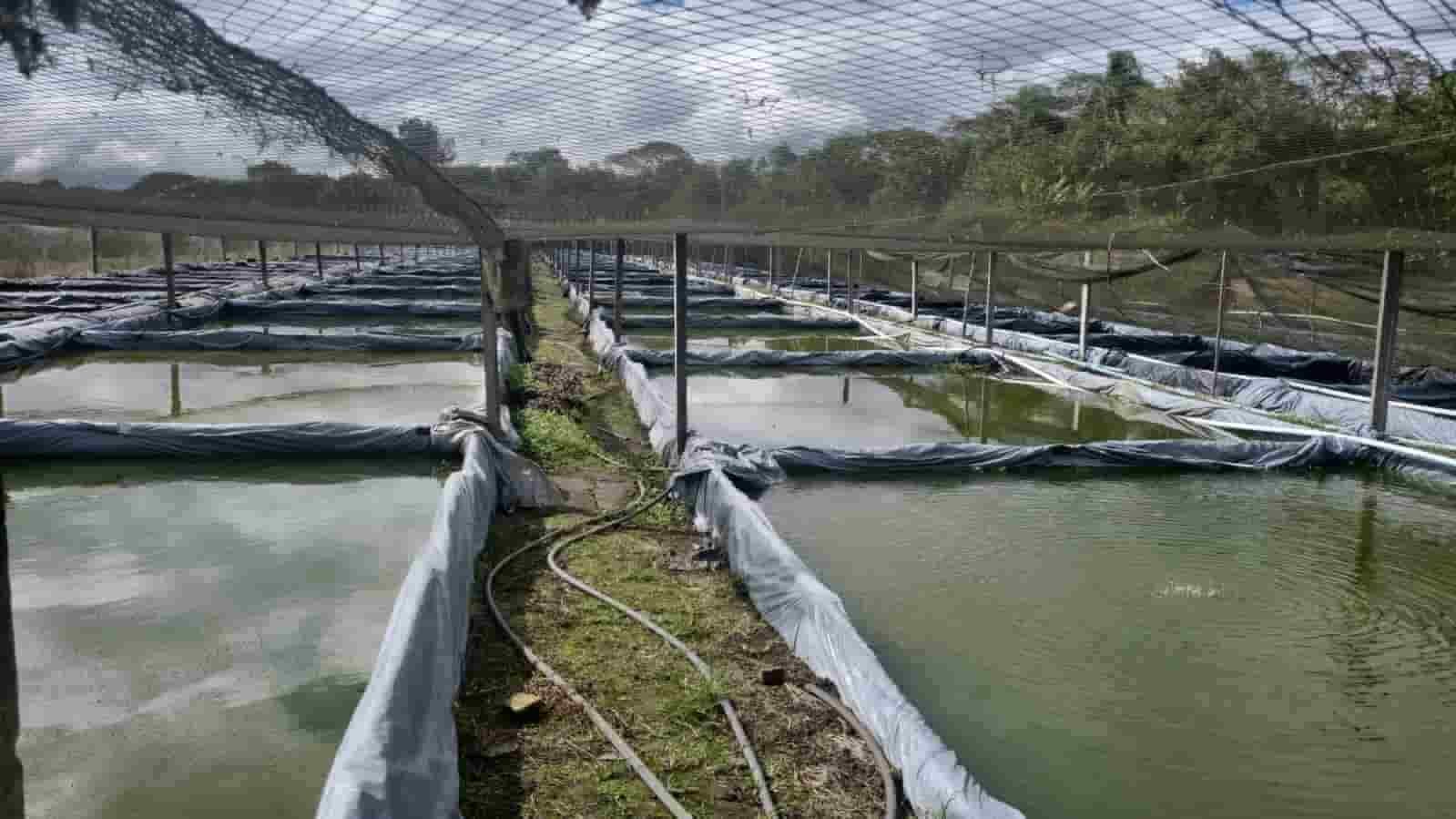
🐳 Monster Vats
Analyzing massive continuous turnovers inside large open-air mud farm vats.
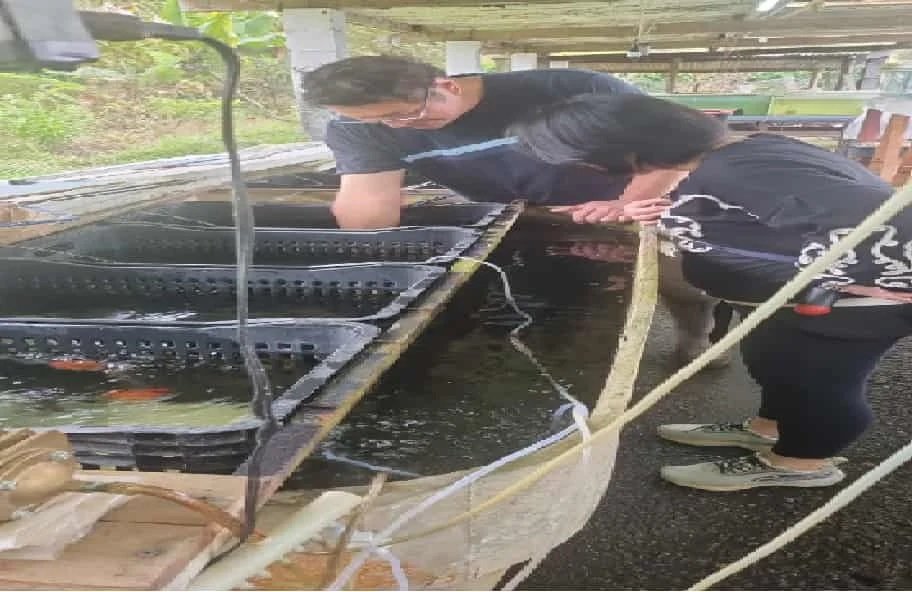
🤝 True Alliances
Working hand-in-hand with regional facility operations to target elite fancy bloodlines.
Read also: Preventing Canister Filter Leaks Tech
A deeply technical piece of content that perfectly complements this post — absolutely worth the read.