
If you are tired of watching your aquarium fish get blasted across the tank by a high-velocity jet nozzle, or sick of seeing a film of greasy surface scum gather in your quiet corners, finding the best spray bars for canister outputs will completely transform your aquarium’s circulation. It is incredibly frustrating to invest in a powerful canister filter only to realize its default outflow acts like a pressure washer, stressing your livestock and creating massive dead zones. Getting the flow right isn’t just about clean water; it is about replicating natural currents so your fish can live stress-free.
As a professional seamstress who spent years meticulously spacing stitches to keep tension even across delicate fabrics, I apply that exact same logic to fluid dynamics. In my spare time, I run long-distance trails, which teaches you that sustained, steady energy wins over chaotic, explosive bursts. In my own 100-gallon (400-liter) goldfish tank, managing the water current is a constant balancing act. Goldfish are heavy waste producers but absolute garbage swimmers; they need massive filtration but cannot handle aggressive currents. Spacing out your outflow energy evenly is the key to a healthy, thriving ecosystem.
We are going to throw away the marketing brochures and dissect the actual physics of spray bar design. From adjusting hole sizing to balancing pump backpressure, this guide breaks down the science of water distribution. You will learn how to customize, install, and troubleshoot your output system to achieve crystal-clear water with zero dead spots.
In 30 Seconds: The Quick Verdict
Stop using those circular jet nozzles that turn your aquarium into an absolute whirlpool.
A quality spray bar is the single best way to distribute canister outflow over a wide area, maximizing oxygen exchange and eliminating stagnant corners without blowing your fish around.
If you want the absolute toughest setup, ditch the cheap green plastic tubes and opt for a modular dark acrylic or a stainless steel spray bar—they look cleaner, don’t grow ugly algae inside, and won’t crack when you twist them for cleaning.
Just make sure you don’t restrict your flow too much; if your pump starts buzzing, your spray bar holes are too small or clogged, and you are actively frying your canister’s motor.
The Physics of Even Water Distribution
A standard canister filter dumps all its returned water through a single, narrow plastic pipe. This creates a high-velocity jet stream that works fine for a few feet but rapidly loses its energy, leaving the rest of the tank stagnant.
A spray bar solves this by distributing that same volume of water across a long, perforated pipe. By spreading the outflow, you drastically reduce the velocity of the water while keeping the overall volume (GPH) high.
This creates a gentle, sweeping current that circulates the entire tank instead of a localized torrent. It mimics the natural flow of a slow-moving river, which is highly beneficial for almost all aquatic species.
Understanding Backpressure and Pump Wear
When you restrict water flow, you build up pressure inside the canister head. If your spray bar has too few holes, or if the holes are too narrow, the water cannot escape fast enough.
This backpressure forces your filter’s magnetic impeller to work much harder, generating excess heat and friction. Over time, this constant strain will warp the impeller shaft, cause the motor to hum loudly, and drastically shorten the life of your expensive filter.
The ideal spray bar has a combined hole surface area that slightly exceeds the inner cross-sectional area of the filter’s main output hose. This allows the water to escape freely with minimal resistance, protecting your motor while maximizing your tank’s circulation.
The Reality of the Battlefield
The aquarium industry is flooded with cheap accessories that look fantastic in studio photos but fail miserably under real-world conditions. Let’s look at what actually happens when these materials meet water over the long haul.
- Green Modular Plastic Spray Bars: These budget-friendly snap-together kits are highly praised for their extreme customizability and ease of installation. However, the hard reality flaw is that the cheap, brittle plastic degrades rapidly under UV light and water exposure, causing the connection joints to dry out, split, and leak high-pressure water right out of the top of your tank.
- Clear Acrylic Spray Bars: These polished, clear pipes boast a virtually invisible, high-end aesthetic that blends seamlessly into minimalist aquascapes. But the frustrating reality is that they scratch incredibly easily during routine cleaning, and they show internal green algae and brown mulm buildup almost instantly, turning your “invisible” pipe into an eyesore within days.
- Stainless Steel Outputs: Matte steel spray bars are praised for their indestructible construction and sleek, professional look. But in practical reality, unless you buy verified marine-grade 316 steel, cheap knockoffs will slowly rust at the weld points, leaching toxic heavy metals into your water column and poisoning your invertebrates.
- Rubber Suction Cups: The heavy-duty rubber hangers included in most kits are praised for their strong initial grip on dry glass. However, the harsh reality is that water submersion causes them to stiffen into hard, useless plastic discs within a few months, letting your heavy spray bar slip down and blow sand all over your plants.
Designing the Ideal Flow for Sensitive Livestock
Different fish have wildly different tolerance levels when it comes to water movement. If you keep high-bodied, fancy goldfish like Orandas or Ryukins, flow management is a matter of life and death.
My 100-gallon (400-liter) tank runs on massive canister filtration because goldfish are absolute waste machines. If I used standard output nozzles, my poor fancy goldfish would be pinned against the glass, exhausted from fighting the current.
By installing a long, customized spray bar across the entire back wall, I can run high turnover rates while keeping the physical water movement gentle and manageable. It distributes the water’s kinetic energy, giving them plenty of calm zones to rest.
Conversely, if you run a high-energy planted tank, you need a gentle, sweeping circular current to distribute liquid CO2 and liquid fertilizers evenly to every single leaf. A spray bar mounted just below the surface creates a rolling downward current that carries nutrients all the way to the substrate without uprooting delicate carpeting plants.
Comparative Table: Spray Bar Materials & Designs
| Material | The Good Side | The Negative Point | Best Suited For |
|---|---|---|---|
| ABS Plastic (Black/Green) | Cheap, highly modular, and very easy to cut to size with a simple hand saw. | Brittle over time; cheap plastic joints easily slip apart under high pump pressure. | Standard Hobbyist Setups |
| Polished Acrylic (Clear) | Virtually invisible in the water, providing a beautiful minimalist look. | Scratches easily when scrubbed, and shows ugly internal algae slime instantly. | Showroom Aquascapes |
| Stainless Steel (316 Grade) | Indestructible, resists algae adhesion, and looks incredibly high-end. | Heavy, expensive, and cannot be cut or adjusted without specialized metal tools. | Modern Planted Tanks |
| DIY Schedule 40 PVC | Extremely cheap, thick-walled, and allows you to drill custom hole sizes easily. | Thick, bulky, and looks like ugly industrial plumbing inside your living room. | Breeding Racks & Fish Rooms |
Customizing Your Spray Bar for Maximum Efficiency
If you buy a pre-made spray bar, do not assume it is perfectly optimized for your specific canister filter. You will often need to tune it to achieve the perfect balance of flow and pressure.
Adjusting the Hole Sizes
If the water pressure shooting out of the holes is too intense, you do not need to turn down your filter’s motor. Simply grab a drill and expand the existing holes by one or two sizes.
Increasing the diameter of the holes reduces the velocity of the water leaving the bar, softening the current. Use a brad-point wood drill bit to do this; standard metal bits have aggressive angles that will easily crack brittle acrylic or ABS plastic.
Controlling the Flow Direction
For maximum oxygenation, point the spray bar holes slightly upward toward the surface of the water. This creates a gentle, rolling ripple across the surface, which breaks surface tension and maximizes gas exchange.
If you want to eliminate bottom debris, point the holes slightly downward and toward the front glass. This creates a sweeping current that carries heavy detritus toward your filter intake, keeping your substrate clean.
Hypothetical Error Scenario
Picture this: You buy a powerful, high-end canister filter for your medium-sized tank. You hook up the included spray bar, but realize it is slightly too long to fit.
Instead of cutting the plastic tube cleanly, you decide to wrap heavy-duty aquarium tape around the last four holes to block them off. Within three days, your filter begins to emit a loud, grinding rattle.
By blocking off those holes, you created massive backpressure that forced the magnetic impeller to slip on its shaft, overheating the motor housing. You end up burning out a expensive filter motor simply because you choked the output instead of trimming the tube with a basic hacksaw.
Fine-Tuning Your Output Flow Checklist
- Use the best spray bars for canister outputs to distribute pump pressure evenly across the surface. Insider Note: If your fish are constantly swimming against a harsh current, your spray bar holes are too small or too few; drill them out immediately.
- Verify that the combined area of the spray bar holes matches your intake hose diameter. Insider Note: Choking the outflow is the fastest way to burn out a magnetic impeller.
- Position the bar just below the water line to maximize surface agitation. Insider Note: You do not need splashing bubbles; a gentle, consistent surface roll is far more effective for gas exchange.
- Secure the spray bar using high-quality silicone suction cups with locking clips. Insider Note: Standard rubber suction cups will harden and fail within six months; search for heavy-duty silicone alternatives.
- Clean the internal spray bar holes with a dedicated pipe brush during every water change. Insider Note: Snails and organic slime love to nest inside the tube, slowly choking your flow.
- Use a clean hacksaw to trim plastic spray bars to your exact tank width. Insider Note: Always sand the cut edge smooth to prevent loose plastic shavings from entering your pump.
- Ensure the end cap of the spray bar is tightly secured. Insider Note: High-pressure pumps will pop loose end caps right off, shooting a high-velocity stream of water straight at your glass.
- Angle the holes slightly upward at a 45-degree angle. Insider Note: This creates a perfect rolling current that pulls stagnant bottom water up to the surface.
- Check for microbubbles coming out of the spray bar ports. Insider Note: If you see microbubbles, you have a micro-leak on your canister’s intake side, not the output.
- Never use metal spray bars in marine or brackish water setups. Insider Note: Saltwater will corrode even high-quality steel, releasing toxic copper or iron compounds.
- Mount the spray bar along the entire back wall for rectangular tanks. Insider Note: Side-wall mounting creates a localized whirlpool; back-wall mounting creates a gentle, front-to-back rolling flow.
- Keep a spare end cap in your spare parts drawer. Insider Note: These tiny plastic plugs are incredibly easy to lose during sink cleanings, rendering the entire bar useless.
👇 Looking for more performance cheats? Check out our field-tested tactical blueprints:
The Goldfish Ecosystem Blueprint
Complete your advanced technical training loop by exploring our core evergreen resources.
How to Feed Goldfish for Maximum Lifespan
A deep breakdown of digestive tract mechanics, bloating prevention, and premium sinking diets.
How to Maintain a 100 Gallon Goldfish Tank
Large-scale system parameters. Deep sand bed mechanics, nitrogen cycling, and bioload management.
Ultimate Guide to Goldfish Tank Filtration
Heavy-duty hardware configurations. Optimizing parallel canisters, bio-media setups, and automation.
Frequently Asked Questions
Does a spray bar reduce the overall GPH of my canister filter?
No, a properly designed spray bar does not reduce GPH. It simply distributes the water’s kinetic energy over a wider area. If your flow drops significantly, your spray bar holes are too small or clogged.
Should the spray bar be fully submerged or above the water?
Keep it fully submerged, about one inch below the surface. Placing it above the water creates annoying splashing noises, drives out carbon dioxide too quickly, and creates excessive salt creep or mineral scale on your lids.
How do I clean algae out of a long, narrow spray bar?
Do not try to flush it with tap water. Use a flexible wire pipe brush designed for aquarium tubing. Push it through the entire length of the bar to scrape away the baked-on organic slime.
Why is water only shooting out of the first few holes of my bar?
This happens when your spray bar is too long or has too many holes for your pump’s output capacity. The water loses pressure before it reaches the end. Seal a few end holes or shorten the bar.
Can I paint my DIY PVC spray bar to make it look better?
Yes, but only use verified, aquarium-safe plastic paint. Let it cure completely for at least forty-eight hours. Personally, I avoid painted PVC entirely because the paint eventually flakes off under constant water friction.
Why is my canister filter humming loudly after installing a spray bar?
The bar is restricting your pump’s output, creating excessive backpressure. Your impeller is struggling against the resistance. Expand the exit holes with a drill to relieve the pressure immediately.
Is a spray bar better than a lily pipe for a planted tank?
Lily pipes are designed to create a gentle, localized vortex to skim the surface. Spray bars are vastly superior for distributing nutrients and liquid CO2 evenly throughout the entire tank volume without leaving dead spots.
Can I run a spray bar vertically in the corner of my tank?
Yes, vertical mounting is an excellent way to create a gentle circular current around the perimeter of the tank. It is highly effective in tall, hexagonal, or deep cube tanks where surface mounting doesn’t reach the bottom.
🛡️ │ WHY TRUST SKYTC GOLDFISH CARE CURATION?
At SKYTC, we hold aquatic ecosystem biology and biological parameter handling to a rigorous standard. We are not an automated affiliate review engine; we apply hands-on tests and serious filtration engineering workflows to ensure every recommendation guarantees the health and maximum lifespan of your fish with absolute safety.
✓ Engineering:
Structural experience backed by heavy-duty filtration math, continuous hydraulic turnover metrics, and robust mechanical support for large-scale coldwater systems.
✓ Expertise:
Focuse on preventative biological husbandry and premium nutrition. Thoroughly auditing biological media, sinking feeds, and elements that completely neutralize ammonia spikes.
✓ Authority:
Curation signed by real keepers running a balanced 100-gallon display ecosystem for over 8 years, pairing daily practical benchwork with direct wholesale breeder insights.
✓ Trust:
Product selections built on unfiltered transparency—exposing actual electrical draws, heat dissipation issues, and hidden costs before any Amazon recommendations.
📸 Our Journey in the Real World
From daily living room tank turn rates to macro-scale breeding setups.

🏠 The 100G Lab
Where we torture test every hardware option, pellet line, and filter layout live.

🏃♀️ Grit & Eye
Marathon endurance meets the precise, millimeter structural focus of a seamstress.
🐳 Monster Vats
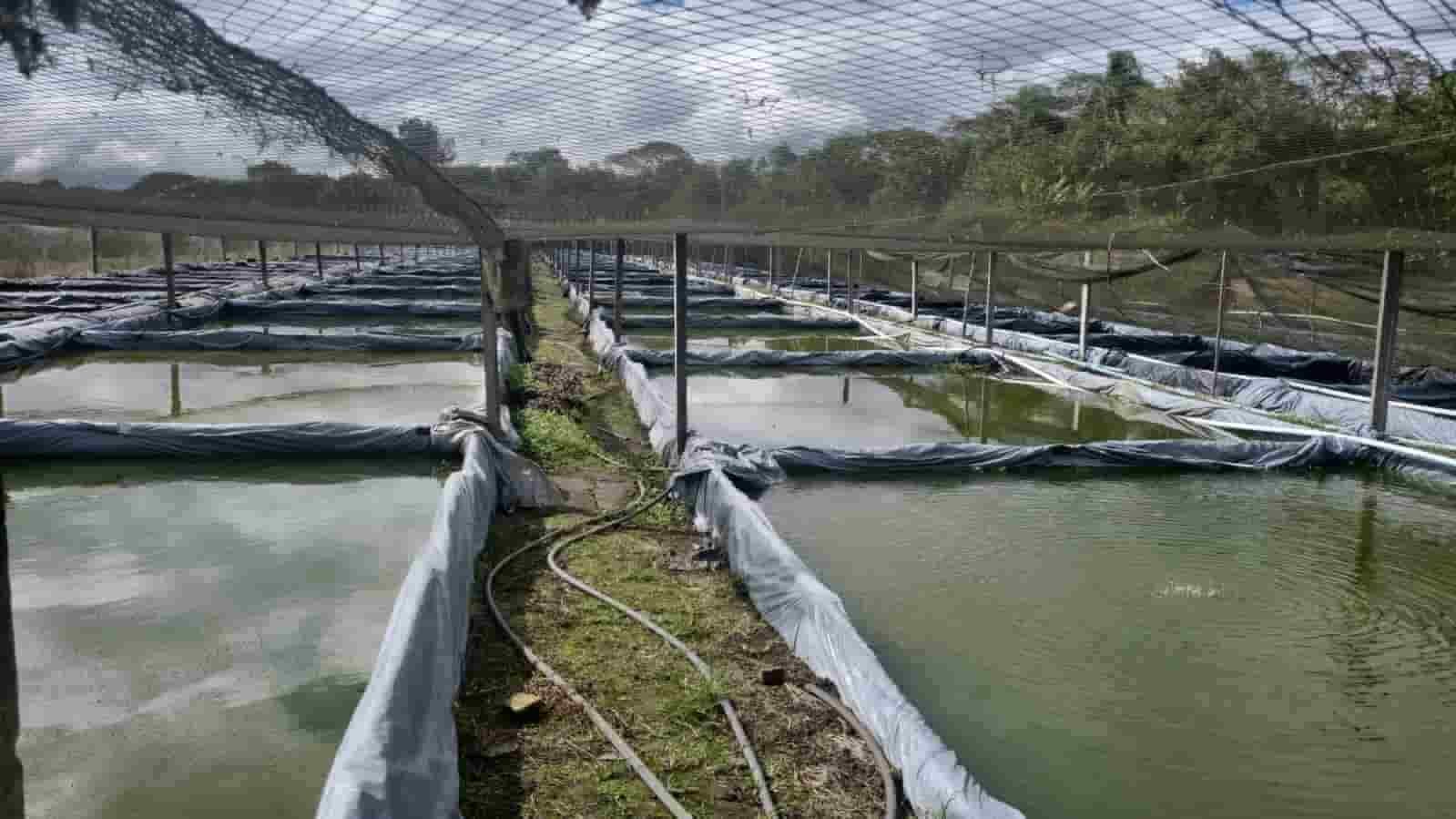
Analyzing massive continuous turnovers inside large open-air mud farm vats.

🤝 True Alliances
Working hand-in-hand with regional facility operations to target elite fancy bloodlines.
Read also: O Ring Maintenance for Canister Filters
A deeply technical piece of content that perfectly complements this post — absolutely worth the read.