
Staring at a gorgeous, clear glass aquarium while holding a bag of gorgeous new fish is a magical moment, but rushing this process is the fastest way to trigger a heartbreaking toxic shock. If you don’t build a robust biological filter first, you are sentencing your aquatic pets to swim in their own invisible, burning waste, which is why mastering how to cycle a large goldfish tank is the single most important milestone of your hobby. It can feel incredibly overwhelming to translate complex biological nitrogen cycles into daily steps, but getting this right is your ticket to a lifetime of stress-free pet ownership.
As a professional seamstress, I spend my days carefully weaving distinct threads together to form a strong, seamless garment; if even one thread is loose, the entire fabric pulls apart. In my spare time, I train for long-distance trail runs, which has taught me that endurance and patience are far more valuable than a frantic, unstable sprint. When I set up my massive 100-gallon (400-liter) goldfish tank, I treated the biological setup exactly like a long race. I spent eight years observing how these heavy-waste producers respond to biological filtration, and I can tell you that a rushed biological cycle always ends in disaster.
We are going to demystify the science of beneficial bacteria, guide you through the transition from toxic ammonia to harmless nitrates, and show you exactly how to prep your water. No complex chemistry degrees are required. Let’s look at the actual, raw steps to build a bulletproof biological engine that handles anything your goldfish throw at it.
In 30 Seconds: The Quick Verdict
Stop dumping fish into a brand-new tank on day one—it is a surefire way to kill them with invisible ammonia burns.
Cycling is simply the process of growing beneficial bacteria inside your filter to convert toxic fish waste into harmless nitrates.
The absolute safest, most humane method is a fishless cycle using pure liquid ammonia or high-quality fish food as a simulated waste source.
You will feed the tank ammonia, monitor your nitrite spike, and wait until both drop to absolute zero within 24 hours, leaving you with nitrates.
This biological process takes anywhere from three to six weeks, and there are absolutely no magic bottled shortcuts that will bypass this physical timeline.
The Core Biology Behind the Nitrogen Cycle
Every living creature produces waste, and goldfish are notorious for being absolute ammonia factories. They don’t just excrete ammonia in their feces; they also release it continuously through their gills as they breathe. In a closed glass box, this ammonia accumulates rapidly, burning their delicate gills, melting their fins, and destroying their immune systems.
Phase 1: The Ammonia Eaters
To make your tank safe, nature uses specialized, invisible bacteria called Nitrosomonas. These microscopic helpers live on the surfaces inside your filter, consuming toxic ammonia and converting it into a secondary chemical compound called nitrite.
While this conversion is a great first step, nitrite is actually just as toxic as ammonia. It enters your goldfish’s bloodstream and prevents their red blood cells from carrying oxygen, causing them to slowly suffocate from the inside out.
Phase 2: The Nitrite Converters
Once your Nitrosomonas bacteria population is established and producing nitrites, a second colony of bacteria called Nitrospira begins to grow. These bacteria feed exclusively on nitrites, converting them into a much safer chemical called nitrate.
Nitrates are only harmful to your goldfish in massive accumulations, and you can easily manage them with regular, weekly water changes. When your filter can convert three ppm of raw ammonia into nitrate within twenty-four hours, your tank is officially cycled.
The Reality of the Battlefield
In the aquarium industry, we are constantly bombarded with “miracle” products that promise to cycle your tank overnight. But if you want to keep your fish alive and healthy, you need to know which products actually deliver and which ones are absolute traps.
- Quick-Start Bottled Bacteria: These liquid starter cultures are highly praised for supposedly allowing you to add heavy-waste fish to your tank instantly. However, the hard reality flaw is that most of these bottles sit in frozen or boiling shipping trucks for weeks, killing off the live bacteria and leaving you with nothing but expensive, dead organic water that actually spikes your ammonia levels.
- Cheap Paper Test Strips: Paper multi-test strips are praised for their fast, dry-touch results and affordable pricing. But in real-world practice, they are notoriously inaccurate, easily ruined by ambient room humidity, and often read zero ammonia when your water is actually toxic enough to burn your fish’s gills.
- Sleek Ceramic Filter Rings: Highly porous ceramic biological rings are praised for providing massive surface areas for bacteria colonization. But the frustrating reality is that the tiny microscopic pores clog up with goldfish slime and solid waste within weeks, turning your expensive bio-media into smooth, useless clay blocks unless you run a heavy mechanical pre-filter.
- Pre-Seeded Sponge Filters: Buying pre-cycled sponge filters from a local shop is highly praised for transferring live, mature bacteria colonies instantly. But the hard reality is that you run an extremely high risk of introducing unwanted pests like snails, planaria, or deadly pathogens directly into your sterile new setup.
Choosing Your Cycling Method: Fishless vs. Fish-In
There are two primary ways to cycle a tank, but one is vastly superior if you care about the well-being of your livestock.
Why Fishless Cycling is the Gold Standard
Fishless cycling involves adding a synthetic source of ammonia to your empty tank to feed the bacteria. This allows you to build a massive, robust colony of biological helpers without exposing live fish to toxic chemical burns.
It is 100% safe, incredibly stress-free, and allows you to make mistakes without killing your pets. You can easily raise the ammonia levels to high concentrations to build a giant biological filter that can handle the massive waste of goldfish from day one.
The Exhausting Nightmare of Fish-In Cycling
Fish-in cycling uses live fish to produce ammonia. While it sounds easy, it is a absolute nightmare in practice. Goldfish produce so much waste that you will be forced to perform massive, daily water changes for six weeks straight to keep the ammonia levels below toxic thresholds.
It is physically exhausting, requires running back and forth with endless buckets, and subjects your new pets to permanent gill damage and chronic stress. Avoid this lazy method at all costs.
Step-by-Step Guide: How to Cycle a Large Goldfish Tank
Follow this precise, logical blueprint to cycle your tank using the fishless ammonia method.
Step 1: Set Up Your Gear and Treat the Water
Fill your aquarium with tap water and turn on your heaters, filters, and aerators. You must add a high-quality water conditioner to neutralize chlorine and chloramines immediately.
Chlorine is designed to kill bacteria; if you forget to treat your water, you will kill off any beneficial bacteria trying to colonize your filter media before they even start.
Step 2: Dose Your Ammonia Source
Add pure, unsconsented liquid ammonia or ammonium chloride to your tank until your liquid test kit reads between two and three ppm.
Make sure your liquid ammonia has no surfactants, dyes, or perfumes added—shake the bottle, and if it foams up like soap, do not use it.
Step 3: Wait and Test Daily
Keep your water temperature warm, around seventy-eight degrees Fahrenheit, as beneficial bacteria multiply much faster in warm water.
Test your ammonia levels every day. Within a week or two, you will notice the ammonia level begin to drop, accompanied by a sudden spike in your nitrite levels.
Step 4: Feed the Bacteria
When your ammonia drops below one ppm, dose it back up to two ppm to keep your bacteria colony fed.
Soon, your nitrites will peak at incredibly high levels, and your nitrates will begin to rise. This is a sign that both colonies of bacteria are growing and actively working.
Step 5: The Final Breakthrough
The cycle is complete when you can dose two ppm of ammonia into the tank, and twenty-four hours later, both ammonia and nitrite read absolute zero.
Your nitrates will be incredibly high at this point. Perform a massive seventy-five percent water change to lower the nitrates below twenty ppm before finally adding your goldfish.
Cycling Methods & Timelines
| Cycling Method | Time Required | Effort Level | Safety for Livestock | The Big Drawback |
|---|---|---|---|---|
| Pure Liquid Ammonia | 3 to 4 Weeks | Medium | 100% Safe (No Fish) | Requires precise measuring |
| Fish Food Decay | 4 to 6 Weeks | Low | 100% Safe (No Fish) | Creates messy mold at the bottom |
| Seeded Media Swap | 1 to 2 Weeks | Low | 100% Safe (No Fish) | Requires access to an established tank |
| Fish-In Cycling | 4 to 6 Weeks | Extremely High | Dangerous / Cruel | Requires massive daily water changes |
Common Mistakes to Avoid
Understanding the potential pitfalls of the cycling process will save you from resetting your progress or losing your fish.
The Tap Water Rinse Disaster
Picture this common scenario: You are three weeks into your cycle, and you notice your mechanical filter pads are getting a bit dirty. You take your bio-media and rinse it thoroughly under the kitchen tap to clean it.
Within twelve hours, the chlorine in your tap water completely sterilizes your filter, killing off the beneficial bacteria you spent weeks growing. Your cycle is instantly reset to day one, and you have to start the entire process over again. Always rinse your filter media in a bucket of dirty tank water, never under the tap.
Over-Medicating the Tank
If you notice a minor issue and dump antibiotics into your cycling tank, you will wipe out your nitrifying bacteria. Most common aquarium medications are broad-spectrum and will kill your beneficial filter bacteria just as easily as they kill pathogens.
Biological Cycling Troubleshooting Checklist
- Execute the perfect fishless method when planning how to cycle a large goldfish tank. Insider Note: Never use live goldfish to cycle a tank; it is unnecessary, cruel, and will permanently scar their gills.
- Verify that your water conditioner neutralizes both chlorine and chloramines. Insider Note: Chloramine is a bonded chemical that standard cheap dechlorinators cannot break, leaving free chlorine to sterilize your filter.
- Maintain water temperatures around seventy-eight degrees Fahrenheit during the cycle. Insider Note: Bacteria multiply twice as fast in warm water; you can drop the temp back down once you add your cold-water goldfish.
- Keep your aquarium water heavily aerated during the entire process. Insider Note: Nitrifying bacteria require massive amounts of dissolved oxygen to convert ammonia into nitrates.
- Check your pH levels to ensure they stay above seven. Insider Note: If your pH drops below six, your beneficial bacteria will go dormant, completely stalling your cycle.
- Use a reliable liquid test kit for all your chemical readings. Insider Note: Throw your test strips in the trash; they are completely useless for monitoring the delicate transitions of a cycle.
- Only wash your filter sponges in squeezed-out tank water. Insider Note: Municipal tap water contains enough chlorine to instantly wipe out weeks of bacterial growth.
- Avoid running your UV sterilizers while your cycle is establishing. Insider Note: UV light will kill free-floating bacteria before they can colonize your filter media.
- Dose your ammonia levels back up only when they drop below one ppm. Insider Note: Over-dosing ammonia above five ppm will actually stall the cycle by poisoning the bacteria.
- Add a pinch of crushed coral to your filter if your water is soft. Insider Note: Soft water lacks the carbonate hardness (KH) that bacteria consume as fuel to process waste.
- Keep your aquarium lights turned off during the cycle. Insider Note: Bacteria do not need light to grow, but high nutrients and warm water under bright lights will trigger a massive algae bloom.
- Conduct a massive water change only after the cycle is fully complete. Insider Note: Doing large water changes mid-cycle can stall the process by removing the food source the bacteria need to grow.
👇 Looking for more performance cheats? Check out our field-tested tactical blueprints:
The Goldfish Ecosystem Blueprint
Complete your advanced technical training loop by exploring our core evergreen resources.
How to Feed Goldfish for Maximum Lifespan
A deep breakdown of digestive tract mechanics, bloating prevention, and premium sinking diets.
How to Maintain a 100 Gallon Goldfish Tank
Large-scale system parameters. Deep sand bed mechanics, nitrogen cycling, and bioload management.
Ultimate Guide to Goldfish Tank Filtration
Heavy-duty hardware configurations. Optimizing parallel canisters, bio-media setups, and automation.
Frequently Asked Questions
How can I speed up my goldfish tank cycle?
The absolute fastest way to speed up a cycle is to take a piece of dirty, established filter media from a friend’s healthy tank and place it directly into your new filter. This seeds your system with live, active bacteria instantly.
Why is my ammonia level not dropping after two weeks?
If your ammonia is stalled, check your pH. If your pH has dropped below six, your bacteria have gone dormant. Perform a small water change to restore the minerals and lift the pH back up.
What pH is best for growing beneficial bacteria?
Nitrifying bacteria thrive in slightly alkaline water with a pH between 7.4 and 8.0. If your water is highly acidic, the biological cycling process will slow down significantly.
Can I cycle a tank with the lights turned off?
Yes, beneficial bacteria are completely non-photosynthetic and grow best in dark environments. Keeping your lights off during the cycle is actually recommended to prevent massive algae outbreaks.
Why is my water cloudy during the cycling process?
Cloudy water is a completely normal “bacterial bloom.” It means millions of free-swimming bacteria are multiplying in the water column as they search for surfaces to colonize. It will clear up on its own.
Does chlorine kill beneficial bacteria instantly?
Yes. Even a brief exposure to chlorinated tap water can kill off a significant portion of your live bacteria colony, completely stalling or resetting your cycle.
Can I use goldfish to cycle my tank if I do daily water changes?
You can, but it is an absolute nightmare. Goldfish produce so much waste that you will be forced to do massive water changes daily for a month, and your fish will still suffer chronic stress.
How do I know when my biological cycle is completely finished?
Your cycle is officially complete when you can add two ppm of ammonia to your tank, and twenty-four hours later, both ammonia and nitrite read absolute zero, leaving you with only nitrates.
🛡️ │ WHY TRUST SKYTC GOLDFISH CARE CURATION?
At SKYTC, we hold aquatic ecosystem biology and biological parameter handling to a rigorous standard. We are not an automated affiliate review engine; we apply hands-on tests and serious filtration engineering workflows to ensure every recommendation guarantees the health and maximum lifespan of your fish with absolute safety.
✓ Engineering:
Structural experience backed by heavy-duty filtration math, continuous hydraulic turnover metrics, and robust mechanical support for large-scale coldwater systems.
✓ Expertise:
Focuse on preventative biological husbandry and premium nutrition. Thoroughly auditing biological media, sinking feeds, and elements that completely neutralize ammonia spikes.
✓ Authority:
Curation signed by real keepers running a balanced 100-gallon display ecosystem for over 8 years, pairing daily practical benchwork with direct wholesale breeder insights.
✓ Trust:
Product selections built on unfiltered transparency—exposing actual electrical draws, heat dissipation issues, and hidden costs before any Amazon recommendations.
📸 Our Journey in the Real World
From daily living room tank turn rates to macro-scale breeding setups.
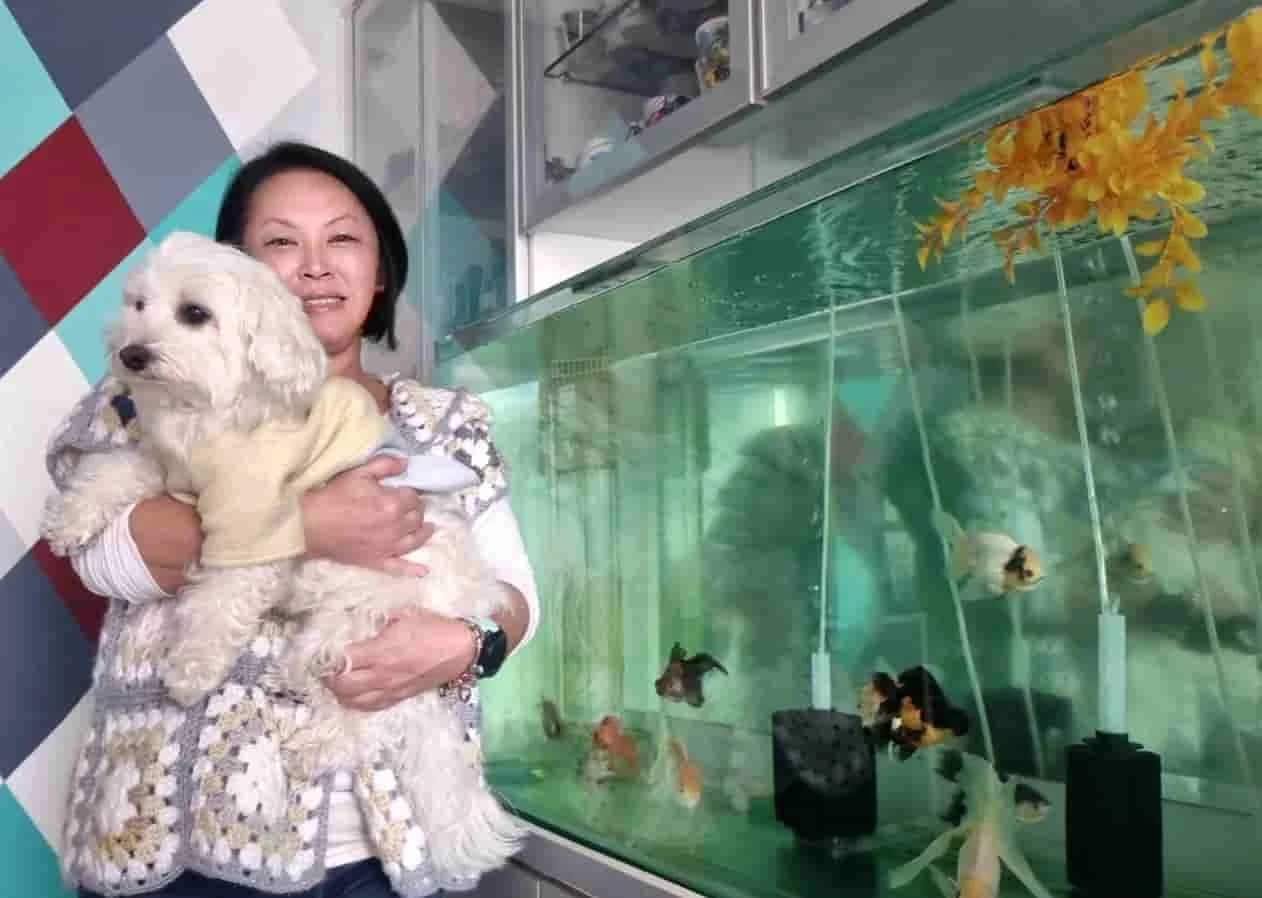
🏠 The 100G Lab
Where we torture test every hardware option, pellet line, and filter layout live.
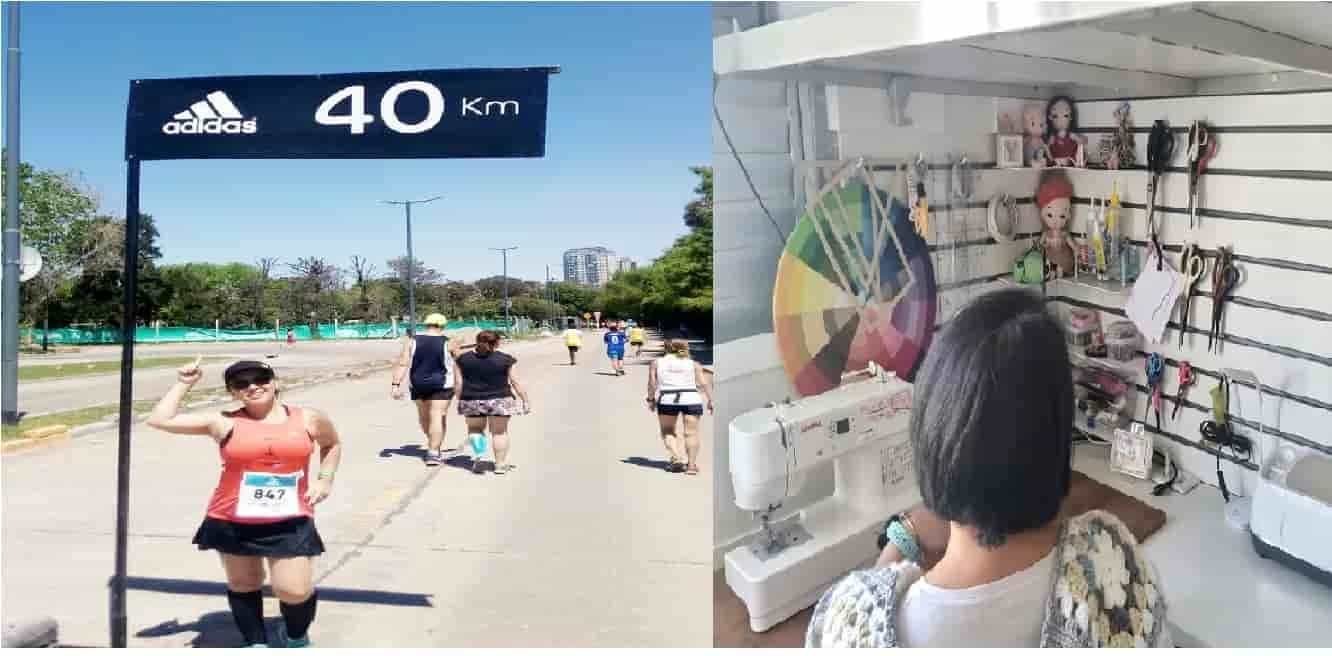
🏃♀️ Grit & Eye
Marathon endurance meets the precise, millimeter structural focus of a seamstress.
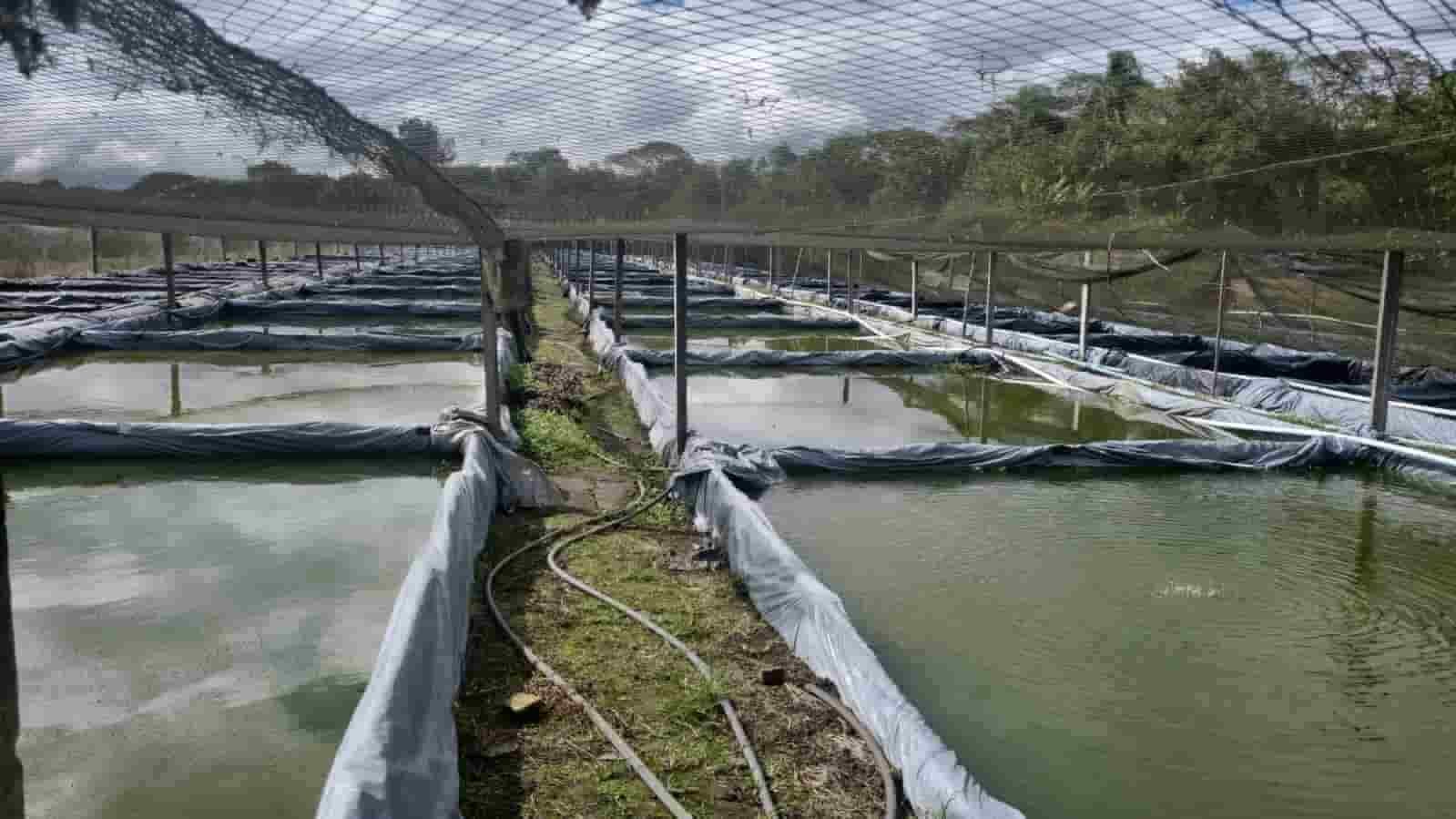
🐳 Monster Vats
Analyzing massive continuous turnovers inside large open-air mud farm vats.
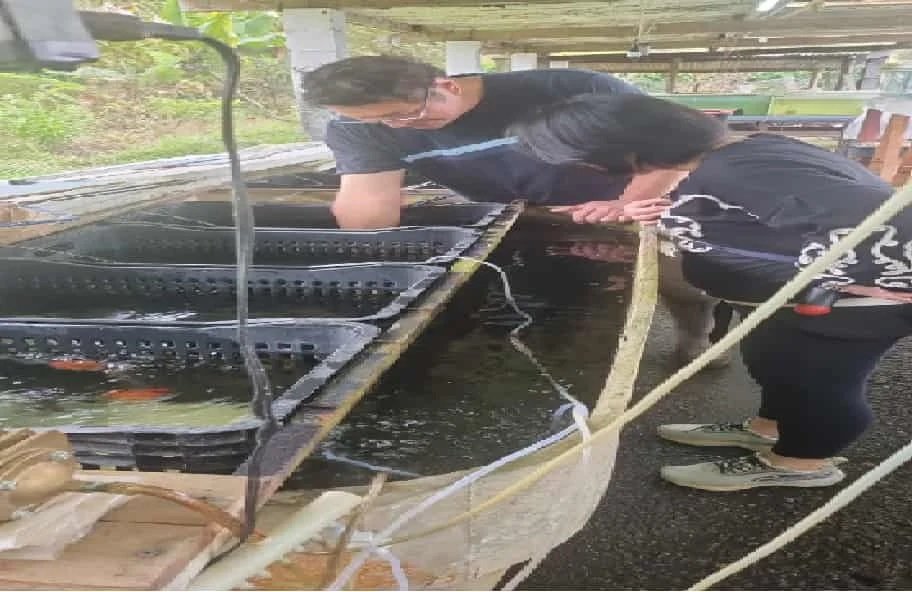
🤝 True Alliances
Working hand-in-hand with regional facility operations to target elite fancy bloodlines.
Read also: Testing Floor Load Capacity for Tanks
A deeply technical piece of content that perfectly complements this post — absolutely worth the read.