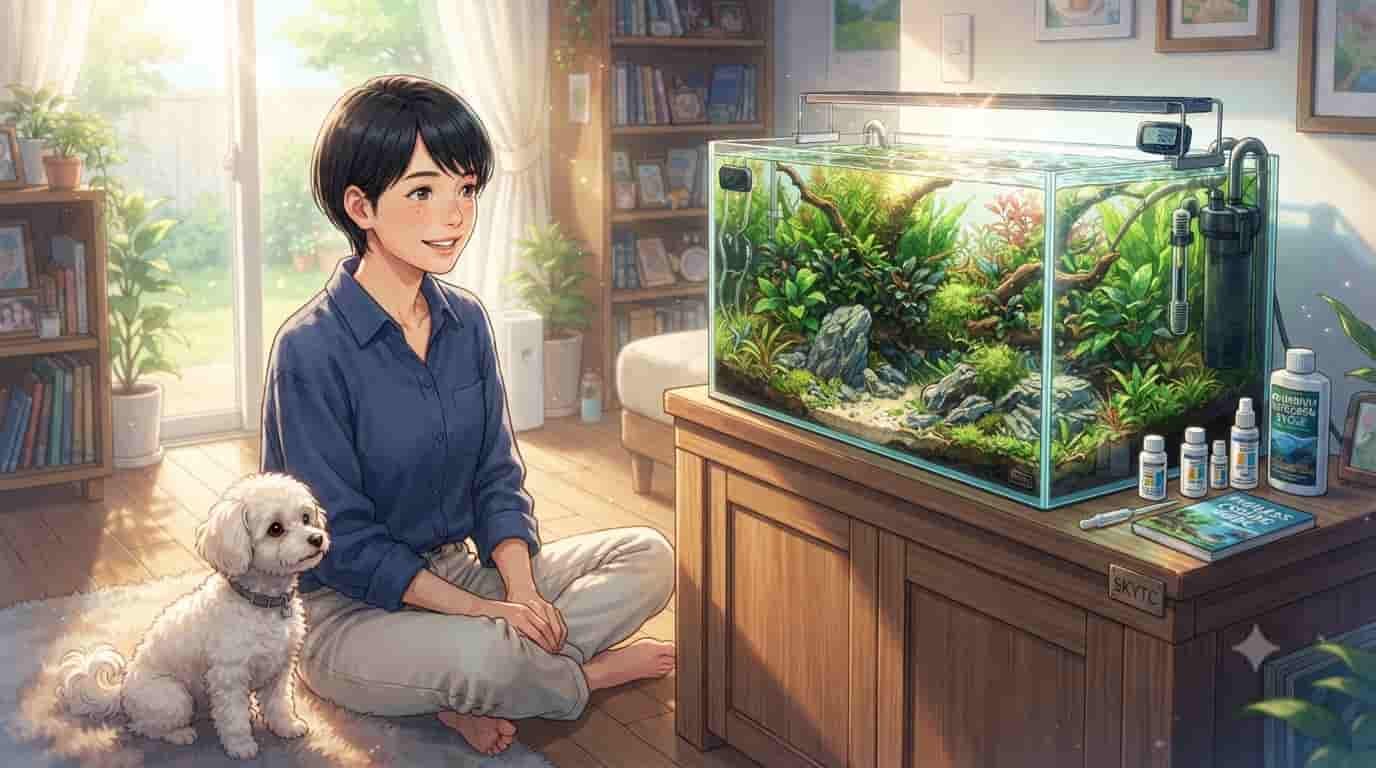
Starting a massive aquarium can feel overwhelming, but following a proper fishless cycling guide for 100 gallons is the absolute best way to protect your future stock from lethal ammonia spikes before introducing a single creature. Setting up a 100-gallon (400-liter) tank gives you incredible water volume stability, yet building a robust biological filter requires patience and precise control of the nitrogen cycle.
As someone who has maintained a 100-gallon goldfish display for over eight years, I can tell you that biological filtration is very much like stitching a complex garment or pacing for a long-distance marathons. When I am not stitching custom patterns as a professional seamstress or logging miles on weekend runs, I am meticulously testing my tank chemistry to ensure my bulky fancy goldfish thrive. Skimping on the initial biological build leads to absolute disaster every single time.
By taking the time to cycle your glass box without live animals, you save hundreds of dollars in lost livestock, eliminate late-night emergency water changes, and achieve absolute peace of mind knowing your biological filter can instantly process heavy waste.
In 30 Seconds
Here is the counter-talk summary without any fluff:
1. Dose pure ammonium chloride to hit 2.0 to 4.0 ppm in your 100-gallon tank.
2. Keep your water warm at 82°F (28°C) and aerate aggressively to speed up bacterial growth.
3. Monitor daily using liquid drop tests, not cheap paper test strips.
4. Wait for ammonia to convert to nitrite, and eventually for both to drop to 0 ppm within 24 hours.
5. Perform a massive 80% water change to clear accumulated nitrates before adding your fish.
Bottom line: Bottled bacteria can speed up the process, but pure ammonia dosing and relentless patience are the only guarantees against tank crashes.
Why Fishless Cycling is Essential for a 100-Gallon Aquarium
Cycling with live fish is an outdated, cruel practice that subjects livestock to burnt gills, permanent organ damage, and painful deaths. In a 100-gallon system, a single mature fancy goldfish produces a massive amount of solid waste and dissolved ammonia. Without established colonies of Nitrosomonas and Nitrobacter bacteria residing inside your filter media, toxic ammonia accumulates rapidly.
The total water volume of a 400-liter tank offers a wonderful safety margin against sudden temperature swings, but it also misleads beginners into believing that ammonia concentrates slowly. In reality, heavy waste producers spike toxins long before a raw filter bed can catch up. Establishing your bio-filter before introducing livestock ensures that your bacterial bed is mature enough to consume full waste loads on day one.
Executing a fishless cycle allows you to intentionally push ammonia levels far higher than any living creature could tolerate. This high concentration feeds the growing micro-organisms aggressively, building a massive safety net of beneficial bacteria capable of handling heavy feeding schedules standard in high-performance goldfish setups.
The Reality of the Battlefield
Marketing departments love to promise that you can add fish instantly simply by pouring a bottle of magic liquid into your filter. That promise completely falls apart in real-world application.
High-end canister filters deliver unmatched biological capacity and crystal-clear water, but their plastic intake valves are prone to cracking, and their rubber quick-disconnect O-rings frequently dry out and flood living room floors if you do not grease them with silicone oil. Similarly, expensive biological media rings offer massive surface area claims, however cheap generic ceramic rings crumble into powder after six months, clogging your pump impellers and stalling water circulation.
Bottled nitrifying bacteria can jumpstart a cycle, but if the bottle sat in a freezing delivery truck or hot warehouse during transport, you are paying top dollar for useless, dead organic water that will only drive up your ammonia readings without establishing live colonies.
Essential Equipment and Bio-Media Setup
Building a rock-solid bio-filter in a large aquarium requires dedicated hardware designed to move water continuously across vast biological surface areas. For a 100-gallon display, dual canister filters or a below-tank sump system are standard choices.
Sump systems provide unmatched water volume and effortless access for cleaning, however they are notoriously noisy if you do not assemble custom silencer pipes, and the acrylic baffles can unstick over time under water pressure. Canister filters operate almost silently, but dragging a heavy, water-filled canister to the bathroom sink for monthly maintenance quickly becomes a grueling workout.
Your filter media must prioritize high-porosity sintered glass or matrix-style stones over simple foam sponges. Mechanical sponges trap large detritus, but dense bio-media provides millions of microscopic pores where anaerobic and aerobic nitrifying colonies establish permanent housing.
Step-by-Step Fishless Cycling Guide for 100 Gallons
To successfully navigate the cycle, you need pure reagent-grade ammonium chloride solution, a high-quality master liquid test kit, a submersible heater, and an extra air pump with bubbling airstones.
Step 1: Establishing Baseline Parameters and Dosing Ammonia
Fill your 100-gallon tank with tap water treated with a heavy-duty dechlorinator that neutralizes chlorine and chloramines. Turn on your filters and air pumps. Crank your tank heater to 82°F (28°C), as nitrifying bacteria replicate significantly faster in warm water than in cool ambient room temperatures.
Dose pure liquid ammonium chloride until your master test kit registers exactly 3.0 to 4.0 ppm of ammonia. Do not guess measurements. For a 100-gallon volume, start conservatively, mix the water thoroughly for thirty minutes, and test before adding additional drops.
Step 2: Managing the Nitrite Spike
Around day seven to fourteen, ammonia levels will begin to fall, accompanied by a steep rise in nitrites. Nitrites are equally toxic to fish, causing blood suffocation by preventing oxygen transport. Keep dosing small amounts of ammonia every few days to keep the target level around 1.0 to 2.0 ppm, feeding the initial bacterial colony while waiting for second-stage nitrifying bacteria to catch up.
During this phase, your water might develop a faint cloudy haze. This is a harmless heterotrophic bacterial bloom. Do not panic, do not execute water changes, and do not turn off your filtration system.
Step 3: Achieving Full Nitrogen Cycle Clearance
Your cycle is officially complete when your system can fully process 3.0 ppm of synthetic ammonia down to 0 ppm ammonia and 0 ppm nitrite within a strict 24-hour window, leaving behind only nitrates. Once this benchmark is achieved, lower your heater temperature back to your normal livestock target, turn off secondary heat boosters, and prepare for stocking.
Hypothetical Error Scenario: How a Stalled Cycle Happens
Consider the story of an eager hobbyist named Dave. Dave sets up a magnificent 100-gallon tank, installs an expensive canister filter, and doses his water with ammonium chloride. On day ten, he notices high nitrite readings and panics. Assuming something is terribly wrong, Dave performs a massive 90% tap water change, forgetting to add tap water conditioner.
The raw chlorine in the fresh tap water immediately sterilizes his delicate, growing bacterial colonies. Frustrated by the lack of progress three days later, Dave scrubbed his filter sponges under hot tap water, washing away what little bio-film had survived. Dave spent three extra weeks stuck in a continuous loop of ammonia spikes simply because he reacted to normal cycle phases with aggressive, panicked intervention.
Biological Ammonia Sources vs Bottled Bacteria Comparison
| Parameter | Pure Liquid Ammonia | Fish Food Decay Method | Bottled Bacteria Starters |
|---|---|---|---|
| Precision | Exact PPM Control | Unpredictable Spikes | No Ammonia Source Included |
| Clarity Impact | Stays Crystal Clear | Foul Odors & Mold | Temporary Cloudiness |
| Cycle Speed | Fast and Consistent | Very Slow Breakdown | Varies by Storage Quality |
| Overall Reliability | Highest Success Rate | Messy & Inaccurate | Hit or Miss Performance |
Troubleshooting Checklist
- Re-read this fishless cycling guide for 100 gallons whenever your ammonia levels stall for more than five consecutive days.
- Confirm that your tap water treatment removes both chlorine and chloramines completely.
- Keep water temperatures elevated near 82°F (28°C) throughout the biological seeding phase.
- Ensure your tank water pH remains above 7.0; nitrifying bacteria stall completely if pH drops below 6.5.
- Increase surface agitation using high-output air pumps to supply maximum dissolved oxygen.
- Avoid using chemical filter media like activated carbon or ion-exchange resins while cycling.
- Test water parameters exclusively with liquid drop reagent kits, discarding outdated paper test strips.
- Top off evaporated tank water strictly with dechlorinated water to avoid concentration shifts.
- Maintain a steady ammonia source; starving the tank for over 48 hours will cause bacteria to die off.
- Perform a large 80% water change right before introducing fish to dilute accumulated nitrates below 20 ppm.
👇 Looking for more performance cheats? Check out our field-tested tactical blueprints:
The Goldfish Ecosystem Blueprint
Complete your advanced technical training loop by exploring our core evergreen resources.
How to Feed Goldfish for Maximum Lifespan
A deep breakdown of digestive tract mechanics, bloating prevention, and premium sinking diets.
How to Maintain a 100 Gallon Goldfish Tank
Large-scale system parameters. Deep sand bed mechanics, nitrogen cycling, and bioload management.
Ultimate Guide to Goldfish Tank Filtration
Heavy-duty hardware configurations. Optimizing parallel canisters, bio-media setups, and automation.
Frequently Asked Questions
Why has my ammonia reading stopped dropping after two weeks of steady progress?
Check your pH immediately. As nitrifying bacteria consume ammonia, they process carbonates and drop your KH levels. If your pH crashes below 6.8, the biological engine shuts down completely. Add a pinch of baking soda to boost carbonate hardness, bring your pH back above 7.2, and your bacterial activity will resume within hours.
Can I speed up the cycle by taking media from my old small tank?
Yes, seeded bio-media is aquarium gold. Transferring mature ceramic rings or sponges from an established, disease-free filter instantly seeds your new media. However, do not let that mature media dry out or sit in unchlorinated water for more than twenty minutes during the transfer, or the resident bacteria will die.
Is it normal for a 100-gallon aquarium to turn milky white during cycling?
It is completely normal. That white haze is a massive bloom of free-swimming heterotrophic bacteria feeding on excess nutrients in the water column. Stop adding unnecessary additives, leave your filtration running, and do not perform water changes. It will clear up naturally in two to three days once parameters stabilize.
How much nitrate is too much before I add my live fish?
Nitrates above 80 ppm during the cycling process will slow down your bacterial colony growth. Once your cycle finishes, your nitrates might read well over 100 ppm. Perform a massive 80% to 90% water change using temperature-matched dechlorinated water to drop nitrate levels strictly below 20 ppm prior to adding livestock.
Why shouldn’t I just use raw shrimp or fish food to generate ammonia?
Decaying organic matter like fish food or raw seafood produces uncontrollable mold, terrible foul odors, and unpredictable ammonia spikes. It also clogs up brand-new filter sponges with slime. Pure ammonium chloride gives you pinpoint drop-by-drop precision without polluting your glass box with rotting sludge.
What happens if I accidentally overdose ammonia above 6.0 ppm?
Extremely high ammonia concentrations are toxic even to nitrifying bacteria and will stall your cycle indefinitely. If you accidentally dump too much liquid ammonia into your 400-liter system, perform an immediate 50% water change to bring the concentration back down into the ideal 3.0 to 4.0 ppm working range.
Should I keep my tank lights on while cycling the filter?
Keep your aquarium lights completely off during the entire cycling process. Nitrifying bacteria thrive in total darkness, while bright LED lights combined with high nitrate and phosphate levels will trigger a massive, stubborn green water algae outbreak long before your bio-filter matures.
How long can mature beneficial bacteria survive in a tank without an ammonia source?
Established nitrifying colonies can go dormant and survive without ammonia for several days, but after 48 to 72 hours without food, population loss begins. If you are waiting to buy your fish after your cycle finishes, keep feeding the tank 1.0 ppm of synthetic ammonia daily to keep the filter at peak performance.
🛡️ │ WHY TRUST SKYTC GOLDFISH CARE CURATION?
At SKYTC, we hold aquatic ecosystem biology and biological parameter handling to a rigorous standard. We are not an automated affiliate review engine; we apply hands-on tests and serious filtration engineering workflows to ensure every recommendation guarantees the health and maximum lifespan of your fish with absolute safety.
✓ Engineering:
Structural experience backed by heavy-duty filtration math, continuous hydraulic turnover metrics, and robust mechanical support for large-scale coldwater systems.
✓ Expertise:
Focuse on preventative biological husbandry and premium nutrition. Thoroughly auditing biological media, sinking feeds, and elements that completely neutralize ammonia spikes.
✓ Authority:
Curation signed by real keepers running a balanced 100-gallon display ecosystem for over 8 years, pairing daily practical benchwork with direct wholesale breeder insights.
✓ Trust:
Product selections built on unfiltered transparency—exposing actual electrical draws, heat dissipation issues, and hidden costs before any Amazon recommendations.
📸 Our Journey in the Real World
From daily living room tank turn rates to macro-scale breeding setups.
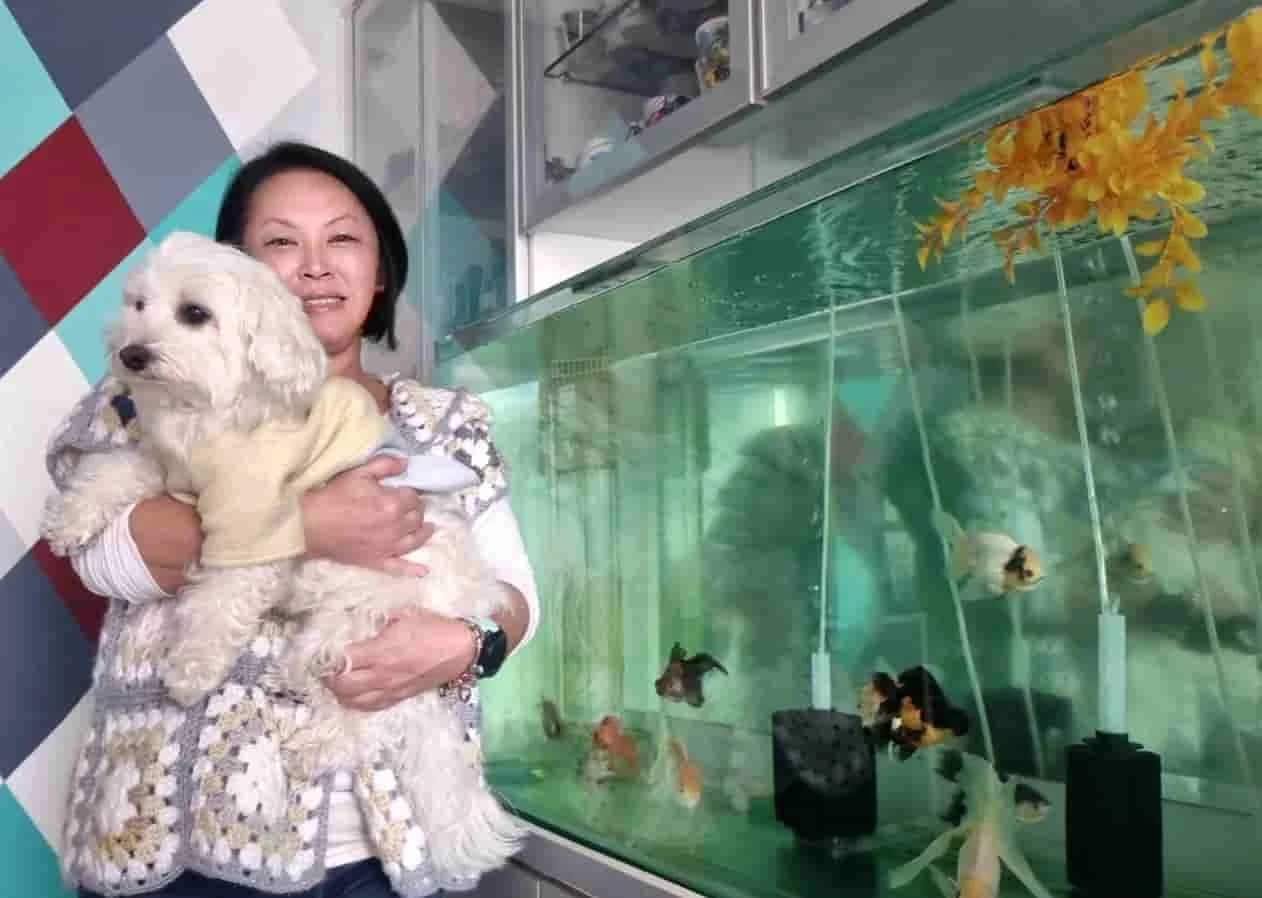
🏠 The 100G Lab
Where we torture test every hardware option, pellet line, and filter layout live.
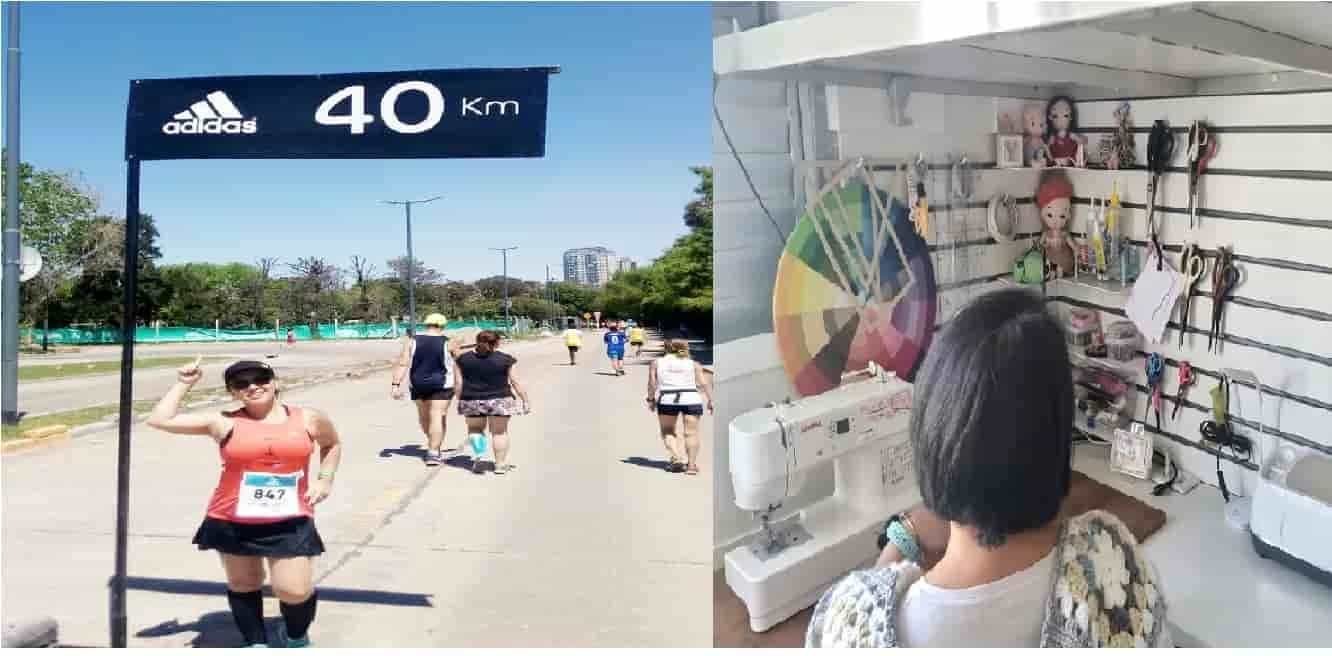
🏃♀️ Grit & Eye
Marathon endurance meets the precise, millimeter structural focus of a seamstress.
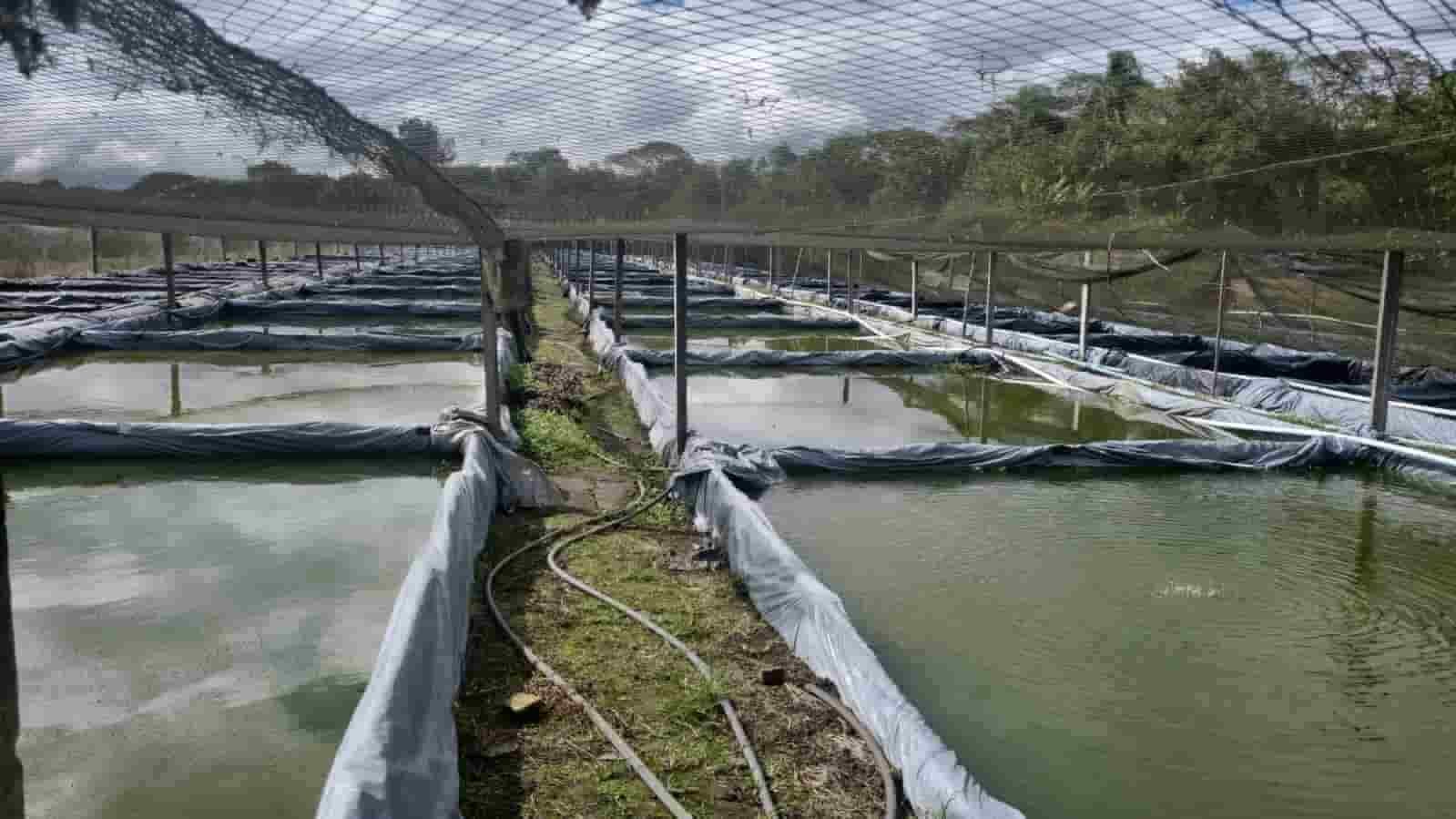
🐳 Monster Vats
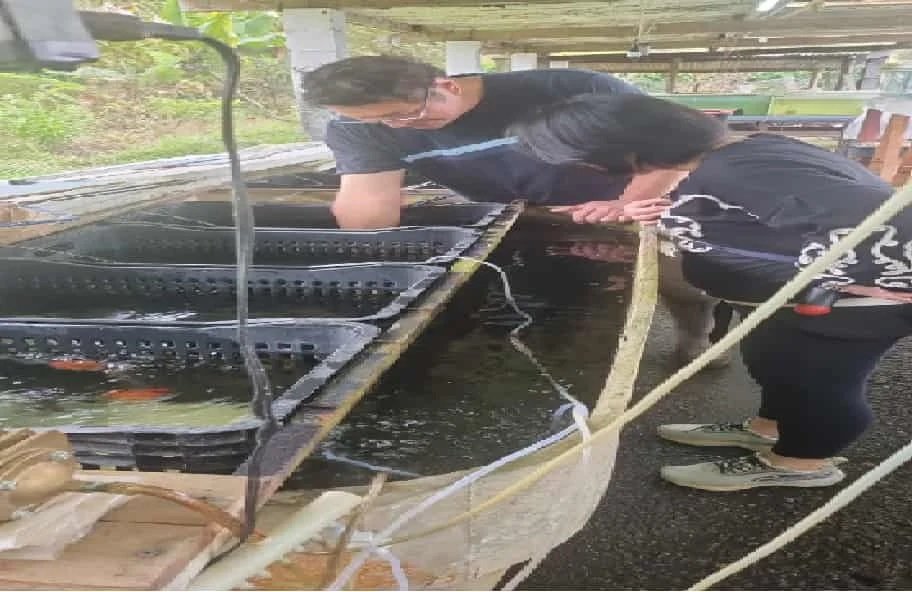
Analyzing massive continuous turnovers inside large open-air mud farm vats.
🤝 True Alliances
Working hand-in-hand with regional facility operations to target elite fancy bloodlines.
Read also: How to Cycle a Large Goldfish Tank
A deeply technical piece of content that perfectly complements this post — absolutely worth the read.