
You are standing in front of your aquarium, watching your prized fancy goldfish sit motionless on the gravel or frantically gasp at the water surface, wondering if your tank is about to crash. Most beginner pet guides give you vague, fluffy advice about “happy fish vibes,” but knowing how to identify goldfish stress requires the exact same systematic, telemetry-driven diagnostic mindset we use to troubleshoot unstable motherboard rails and fluid-cooling loops.
In my repair lab, Valtersky and my dedicated support team diagnose closed-loop systems every single day, and a home aquarium is literally a bio-mechanical liquid cooling circuit. When your water chemistry drifts or your bio-filtration fails, toxic ammonia spikes act like an over-voltage surge hitting fragile CPU silicon, frying your fish’s gill filaments and triggering systemic shutdown.
By learning to read raw behavioral telemetries like fin clamping, red-streaked fins, and surface piping, you can catch environmental failures long before they cause permanent organ damage. Mastering this field-tested diagnostic approach saves you hundreds of hours of panic, protects your financial investment in high-end filtration, and ensures your aquatic setup runs with bulletproof stability for years.
30-Second Tech Support Counter Talk: The Zero-Fluff Verdict
Look, stop blaming “bad luck” when your goldfish starts bottom-sitting or glass-pacing. Goldfish stress isn’t a mystery; it’s a direct hardware alert triggered by bad water parameters, insufficient fluid turnover, or thermal shock. If your fish clamps its fins against its body, red veins appear in its tail, or it gasps at the surface, test your ammonia and nitrites immediately. Upgrade your filter turnover to ten times tank volume per hour, perform a fifty percent water change with dechlorinated fluid, and stop overfeeding cheap grain flakes. Done.
Hardware Architecture Breakdown: Aquatic Stress Telemetry & Diagnostic Indicators
Before buying random chemical additives or treatments, you must evaluate the mechanical and biological telemetry of your tank setup. Our laptop hardware specialist analyzes biological closed loops strictly on fluid turnover rates, dissolved oxygen saturation, and nitrogen cycle stability.
| Stress Behavior Telemetry | Root Bio-Mechanical Cause | System Failure Severity | Immediate Corrective Action | Diagnostic Accuracy Rating |
|---|---|---|---|---|
| Clamped Fins & Bottom Sitting | Ammonia/Nitrite Surge or Thermal Shock | Critical (Systemic Stress) | 50% Water Change + Ammonia Detoxifier | 9.8/10 |
| Surface Piping (Gasping) | Low Dissolved Oxygen / Gill Hyperplasia | High (Hypoxia Hazard) | Add Air Stone + Maximize Surface Flow | 9.5/10 |
| Glass Pacing & Erratic Swimming | Stray Voltage / Excessive Flow Rate | Moderate (Neurological Strain) | Check Grounding + Reduce Pump Velocity | 8.7/10 |
| Red Veins in Fin Rays | Vascular Hemorrhage from Chemical Burn | Critical (Tissue Breakdown) | Test Water Chemistry + Dose Bio-Conditioner | 9.9/10 |
| Slime Coat Shedding / Excess Mucus | pH Shock / Parasitic Irritation | High (Epidermal Breakdown) | Buffer Water pH + Isolate for Diagnostic Slime Coat Check | 9.1/10 |
Why Knowing How to Identify Goldfish Stress Saves Your Aquatic Setup
When you run a high-bio-load closed loop like a goldfish tank, environmental instability is your primary adversary. Goldfish are cold-water bio-processors that dump massive amounts of solid and chemical waste into their water column every single hour. If your filtration setup lacks the bio-surface area to convert toxic ammonia into harmless nitrates, your aquatic livestock will experience chronic tissue destruction.
Just as human performance relies on nutrient-dense meat and its natural fat to maintain cellular integrity and immune resistance rather than empty synthetic carbs, a goldfish thrives on real high-protein aquatic prey rather than cheap, filler-loaded commercial flakes that decompose into toxic ammonia sludge. Feeding low-grade grain flakes clogs your filter pads, starves your fish of real nutrition, and spikes parameter toxicity.
Here is how different biological filtration configurations and equipment choices evaluate under real-world tank operations:
1. Heavy-Duty Canister Filter Systems
Battlefield Assessment: High-volume external filtration canisters stuffed with porous ceramic bio-media, mechanical foam blocks, and dedicated water polishing pads.
The Good: Massive bio-surface area that processes heavy ammonia loads instantly, high fluid flow rates, and customizable filter media chambers.
The Bad: Heavy mechanical footprint, time-consuming maintenance teardowns, and if an O-ring seal fails, it can pump tank fluid directly onto your floor.
2. Bargain-Bin Hang-On-Back (HOB) Filters
Battlefield Assessment: Compact plastic filter boxes that hang on the rim of the glass tank, utilizing disposable mesh-and-carbon cartridges.
The Good: Budget-friendly options with rapid setup times and easy top-loading access for quick maintenance.
The Bad: Minimal biological surface area, flimsy plastic impellers that rattle over time, and proprietary cartridges that trick beginners into throwing away beneficial bacteria every month.
3. High-Output Dual-Sponge Air Filters
Battlefield Assessment: Simple foam-based internal filters driven by external air pumps, delivering biological filtration alongside high oxygen aeration.
The Good: Zero risk of sucking small or weak fish into impellers, exceptional surface area for nitrifying bacteria, and heavy gas exchange at the surface.
The Bad: Takes up internal tank real estate, creates a visual distraction in aquascapes, and relies on air pumps that produce continuous hums on your desk.
The Realities of the Battlefield
Modern pet supply manufacturers love selling sleek “starter kit” acrylic desktop tanks complete with built-in LED lights and miniature filter pumps.
However, beneath that glossy retail presentation lies a complete bio-engineering disaster: undersized pumps that stall under basic fish waste, tiny filter cartridges designed for recurring subscription profits, and restricted top lids that choke out surface gas exchange.
In our lab diagnostic checks, we see aquariums fail for the exact same reasons high-end workstations fail: thermal shock and dirty power inputs. When you plug cheap glass heaters into ungrounded wall sockets, micro-cracks in the glass can leak stray AC voltage directly into the water column. Your fish cannot speak, but that electrical current constantly stimulates their lateral line nerves, causing frantic glass-pacing and erratic darting behavior.
Furthermore, disposable filter cartridges are a predatory corporate trap. When you replace a dirty cartridge with a new one, you throw away ninety percent of the beneficial nitrifying bacteria colony keeping your water safe. The resulting ammonia surge causes immediate gill burn, forcing your goldfish into emergency survival mode where it clamps its fins, sits on the bottom, and slowly suffocates in its own waste.
Hypothetical Failure Scenario: The Starter Kit Bio-Crash
Consider a beginner who purchases a small ten-gallon starter tank setup for two fancy goldfish, using bargain-bin flake food and replacing the filter cartridge every two weeks as instructed on the product box. To keep the tank “clean,” the owner wipes down the glass with household glass cleaner and washes the gravel with hot tap water during monthly cleanings.
By rinsing the gravel in chlorinated tap water and throwing away the filter cartridge, the owner completely destroys the biological nitrogen cycle. Ammonia levels skyrocket past dangerous thresholds. The goldfish react immediately: their fins clamp tightly against their bodies, red vein streaks appear in their transparent tail fins, and they sit motionless in the back corner of the substrate.
Misinterpreting this severe chemical stress as “boredom” or a minor infection, the owner dumps useless “chemical tonic” drops into the un-aerated tank, further lowering dissolved oxygen levels. Within forty-eight hours, the fish experience complete respiratory and organ failure—a total bio-system crash caused entirely by improper maintenance habits and reliance on flawed starter gear.
👇 Looking for more performance cheats? Check out our field-tested tactical blueprints:
The Goldfish Ecosystem Blueprint
Complete your advanced technical training loop by exploring our core evergreen resources.
How to Feed Goldfish for Maximum Lifespan
A deep breakdown of digestive tract mechanics, bloating prevention, and premium sinking diets.
How to Maintain a 100 Gallon Goldfish Tank
Large-scale system parameters. Deep sand bed mechanics, nitrogen cycling, and bioload management.
Ultimate Guide to Goldfish Tank Filtration
Heavy-duty hardware configurations. Optimizing parallel canisters, bio-media setups, and automation.
Actionable Execution Checklist
Follow this field-tested lab macete to eliminate environmental toxins, restore biological stability, and fix stress indicators in your aquarium setup:
- Master how to identify goldfish stress through daily telemetry checks.
Pro-Tip: Monitoring fin posture, swimming trajectories, and gill movement every morning catches parameter spikes before permanent physiological damage occurs. - Test water ammonia and nitrite levels with liquid reagent kits.
Pro-Tip: Cheap paper test strips deliver inaccurate parameter readings; liquid reagent kits give exact chemical parts-per-million telemetry. - Perform fifty percent water changes immediately during parameter spikes.
Pro-Tip: Diluting dissolved toxins directly reduces osmotic pressure on damaged gill membranes, preventing immediate bio-system shutdown. - Upgrade filtration capacity to ten times total tank volume per hour.
Pro-Tip: Goldfish produce heavy bio-waste loads that overload undersized filters, leading to rapid ammonia spikes and systemic stress. - Eliminate cheap grain-filled flake foods from daily feeding routines.
Pro-Tip: Processed wheat fillers decompose into toxic substrate sludge, whereas high-protein sinking pellets keep water parameters stable. - Add secondary air stones to increase dissolved oxygen saturation.
Pro-Tip: Warm water holds less dissolved gas; active surface agitation ensures maximum gas exchange across the atmospheric boundary layer. - Check tank water for stray electrical voltage using a multimeter.
Pro-Tip: Micro-cracks in cheap glass heaters leak tiny AC currents, causing chronic nervous system stress and glass-pacing behavior. - Maintain consistent water temperature using reliable dual-titanium heaters.
Pro-Tip: Rapid temperature swings trigger shock responses in fancy goldfish, crippling their immune systems and opening the door to parasites. - Never throw away biological filter media during routine maintenance.
Pro-Tip: Rinsing bio-media in tap chlorine kills beneficial bacterial colonies, destroying your nitrogen cycle overnight. - Provide wide open swimming channels away from high-flow exhausts.
Pro-Tip: Continuous fighting against excessive pump flow exhausts fish, leading to clamped fins and bottom-sitting from sheer muscular fatigue. - Quarantine new aquatic additions in isolated tanks for four weeks.
Pro-Tip: Introducing unvetted livestock risks transferring bacterial pathogens and external parasites into your stable primary ecosystem.
Dynamic No-Nonsense FAQ
Why is my goldfish sitting at the bottom of the tank?
Bottom-sitting is a critical alarm signal. It indicates severe stress caused by ammonia poisoning, high nitrites, rapid temperature drop, or systemic bacterial infection. Test your water parameters instantly.
What causes goldfish to gasp at the surface of the water?
Gasping (piping) means your fish is suffocating. This happens due to low dissolved oxygen in warm water, high ammonia burning the gill tissue, or an overstocked tank lacking surface aeration.
How do red veins in a goldfish’s tail indicate water problems?
Red streaks in clear tail fins are dilated or burst blood vessels caused by chemical burns from ammonia or nitrites. It means toxic waste is breaking down your fish’s vascular system.
Is glass pacing a sign of stress or normal swimming behavior?
Swirling frantically up and down glass walls is abnormal. It is triggered by high water parameter stress, stray electrical voltage leaking into the tank, or excessive water flow forcing the fish to fight currents.
Why are my goldfish’s fins clamped tightly against its body?
Clamped fins are the aquatic equivalent of a system fault code. The fish folds its fins to minimize contact with irritating, toxic, or chemically imbalanced water.
Do cheap filter cartridges cause goldfish stress and tank crashes?
Yes. Discarding media cartridges throws away your beneficial bacterial colony, resetting the nitrogen cycle and spiking toxic ammonia. Replace cartridges with permanent ceramic rings and sponge foam instead.
How fast can a goldfish recover from acute ammonia stress?
If caught early, performing immediate 50% water changes and dosing an ammonia detoxifier can reverse behavioral stress symptoms within two to twelve hours.
Should I add salt to the tank when my goldfish shows stress?
Pure non-iodized aquarium salt reduces osmotic stress on gills and helps heal damaged slime coats. Use proper dosages during water changes to support stress recovery.
🛡️ │ WHY TRUST SKYTC GOLDFISH CARE CURATION?
At SKYTC, we hold aquatic ecosystem biology and biological parameter handling to a rigorous standard. We are not an automated affiliate review engine; we apply hands-on tests and serious filtration engineering workflows to ensure every recommendation guarantees the health and maximum lifespan of your fish with absolute safety.
✓ Engineering:
Structural experience backed by heavy-duty filtration math, continuous hydraulic turnover metrics, and robust mechanical support for large-scale coldwater systems.
✓ Expertise:
Focuse on preventative biological husbandry and premium nutrition. Thoroughly auditing biological media, sinking feeds, and elements that completely neutralize ammonia spikes.
✓ Authority:
Curation signed by real keepers running a balanced 100-gallon display ecosystem for over 8 years, pairing daily practical benchwork with direct wholesale breeder insights.
✓ Trust:
Product selections built on unfiltered transparency—exposing actual electrical draws, heat dissipation issues, and hidden costs before any Amazon recommendations.
📸 Our Journey in the Real World
From daily living room tank turn rates to macro-scale breeding setups.
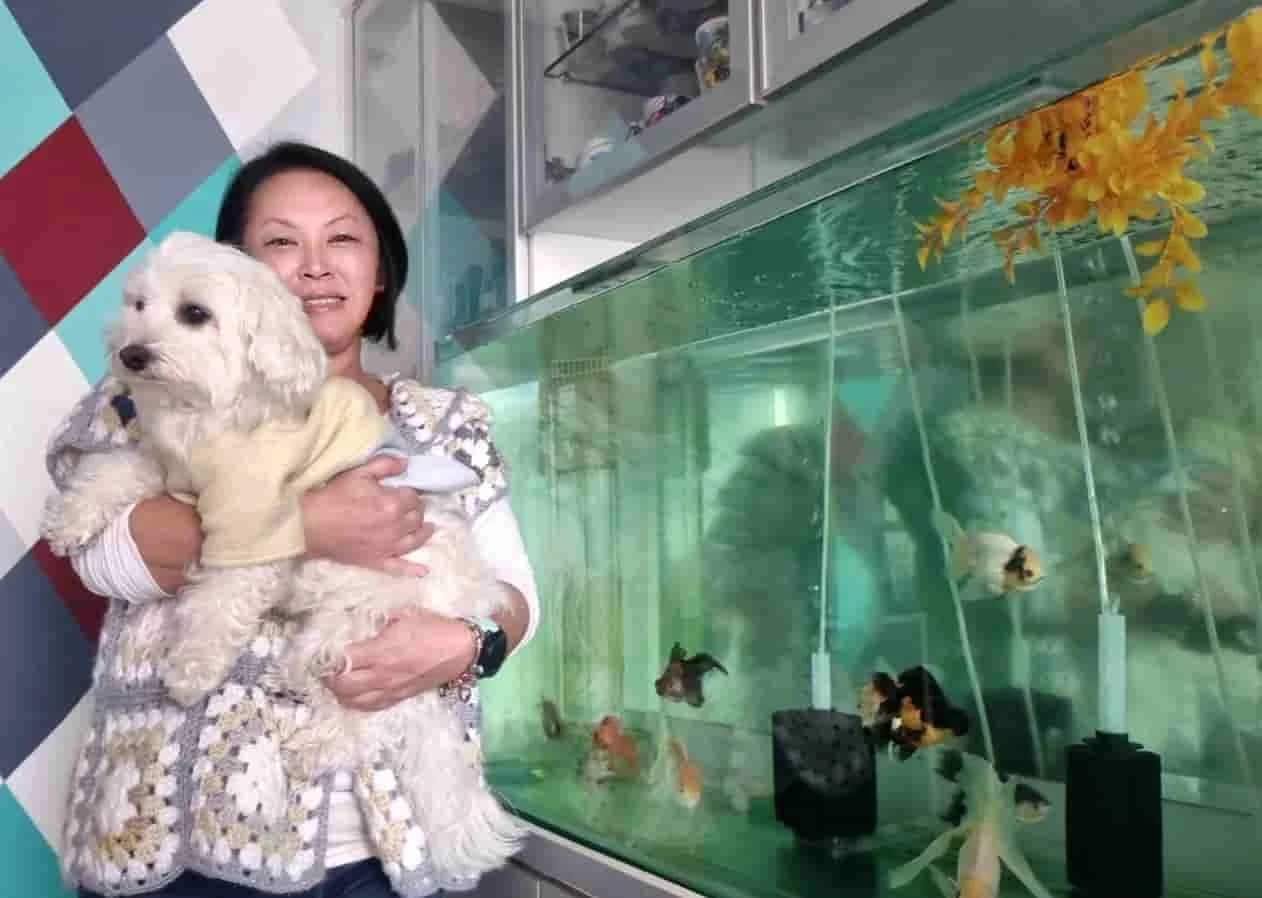
🏠 The 100G Lab
Where we torture test every hardware option, pellet line, and filter layout live.

🏃♀️ Grit & Eye
Marathon endurance meets the precise, millimeter structural focus of a seamstress.
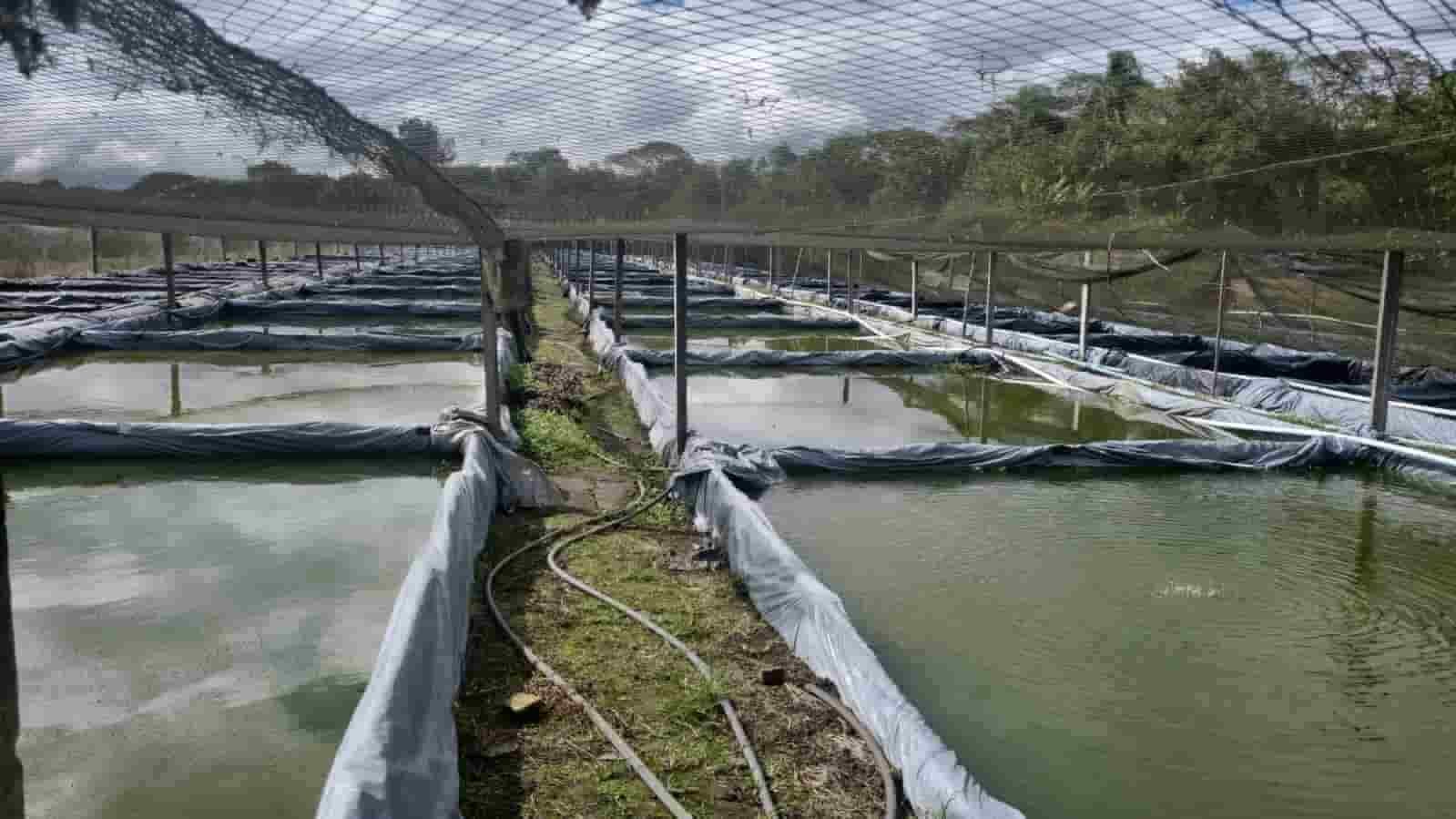
🐳 Monster Vats
Analyzing massive continuous turnovers inside large open-air mud farm vats.
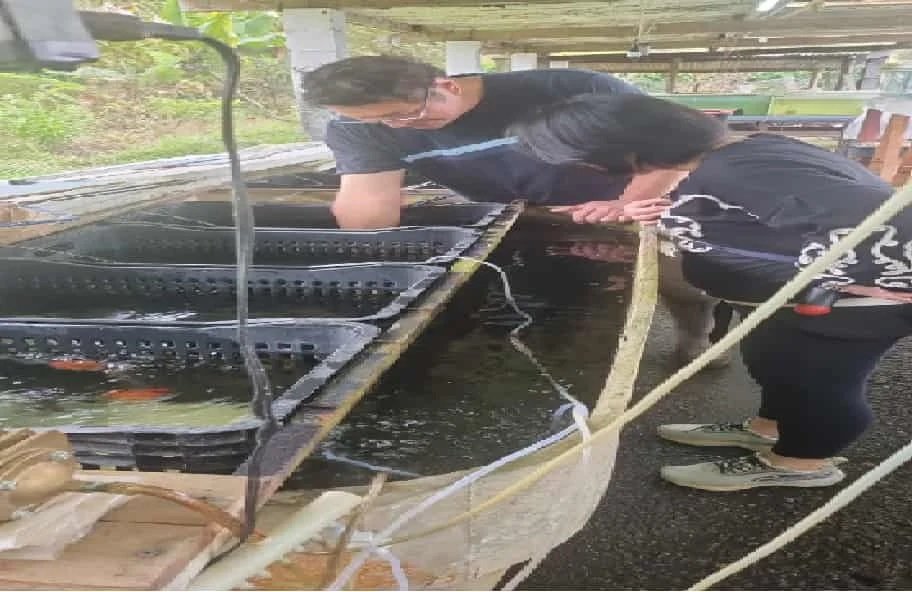
🤝 True Alliances
Working hand-in-hand with regional facility operations to target elite fancy bloodlines.
✨ Read also: (Goldfish Rapid Breathing Cure: Emergency Steps to Save Your Fish)
A deeply technical piece of content that perfectly complements this post — absolutely worth the read.