
You are staring into a massive four-hundred-liter glass enclosure, watching water swirl endlessly through your canister pumps, wondering if your biological filter is actually operational or if adding livestock will turn your setup into a floating graveyard. Staring at cloudy water and guessing parameter levels is stressful, but reading the true signs your 100 gallon tank is cycled requires the exact same systematic, telemetry-driven diagnostic approach we use to verify high-throughput fluid loops and motherboard power rails.
In my repair bay, Valtersky and my dedicated support team treat a large 100-gallon aquarium as a massive closed-loop bio-fluid processing reactor. When you initiate a cycle, you are building an invisible, living microscopic filter matrix inside your canister media; if you stock your system before that biological substrate establishes full load capacity, toxic ammonia surges will fry fish gills like an over-voltage surge hitting raw silicon.
By mastering chemical telemetry testing—verifying complete two-parts-per-million ammonia processing within twenty-four hours—you eliminate guesswork and build a bulletproof aquatic ecosystem. Taking control of this lab-tested verification process saves you hundreds of hours of panic water changes, protects your financial investment in expensive livestock, and guarantees long-term system stability.
30-Second Tech Support Counter Talk: The Zero-Fluff Verdict
Look, stop guessing whether your 100-gallon tank is ready based on clear water or arbitrary calendar weeks. Your tank is cycled ONLY when your bio-filter can convert two full parts-per-million of pure ammonia down to absolute ZERO ammonia and ZERO nitrite within twenty-four hours flat, leaving only nitrate behind. Test with liquid reagent kits, verify full processing speed under load, and stop trusting cheap paper test strips or fake one-day bottled magic. Done.
Hardware Architecture Breakdown: Cycling Telemetry & Diagnostic Stages
Before purchasing expensive fish or delicate plants, you must evaluate the mechanical and biological telemetry of your filtration setup. Our laptop hardware specialist analyzes biological closed loops strictly on nitrogen conversion speed, bio-surface area density, and fluid turnover rates.
| Cycling Diagnostic Stage | Ammonia Processing (ppm) | Nitrite Processing (ppm) | Nitrate Accumulation Rate | Bio-System Readiness Rating |
|---|---|---|---|---|
| Raw Uncycled System | 2.0+ ppm (Unprocessed) | 0.0 ppm (No Bacteria) | 0.0 ppm | Critical (0/10) |
| Nitrosomonas Spike Phase | Drops Slowly | Peak High (Unprocessed) | Minimal Trace | Unstable (3/10) |
| Nitrobacter Expansion Phase | 0.0 ppm | Drops Slowly | Moderate Rise | Transitioning (6/10) |
| Fully Cycled Bio-Matrix | 0.0 ppm (Processed < 24h) | 0.0 ppm (Processed < 24h) | Steady Accumulation | Exceptional (10/10) |
| Stalled Bio-Cycle (Low pH) | Stuck > 1.0 ppm | Stuck > 1.0 ppm | Unreported / Zero | Failed (1/10) |
Why Recognizing the Signs Your 100 Gallon Tank Is Cycled Prevents Total Bio-Collapse
When operating a large 100-gallon aquatic system, bio-load capacity is governed entirely by two distinct species of nitrifying bacteria: Nitrosomonas, which oxidizes highly toxic ammonia into nitrite, and Nitrobacter, which converts hazardous nitrite into relatively benign nitrate. If either bacterial group is undersized, your closed loop suffers chemical toxicity surges.
Just as human cellular repair and immune endurance rely on real nutrient-dense meat and its natural fat to maintain structural integrity rather than synthetic carb fillers, beneficial nitrifying bacteria require clean mineralized water, high dissolved oxygen, and steady nitrogen fuel to build resilient bio-films across porous ceramic media. Skimping on filtration surface area or rushing the biological timeline causes instant system collapse.
Here is how the primary cycling methodologies and biological boosters evaluate under real-world testing conditions:
1. Lab-Grade Pure Ammonium Chloride Dosing
Battlefield Assessment: Dosing pure, un-scented ammonium chloride fluid to precisely measure nitrogen conversion speed without risking live animal welfare.
The Good: Provides a measurable, controllable chemical baseline that allows you to stress-test canister filter media under heavy simulated load conditions.
The Bad: Requires daily liquid parameter testing and disciplined patience while waiting for slow-growing bacterial colonies to multiply.
2. Seeded Bio-Media from Established Systems
Battlefield Assessment: Transferring mature ceramic rings or foam sponges from a healthy, disease-free donor tank directly into the new canister filter.
The Good: Instantly introduces millions of active nitrifying bacteria, slashing total cycling duration down to a fraction of standard timeframes.
The Bad: Puts your new setup at risk of inheriting hitchhiker parasites, unwanted bacterial pathogens, or stubborn algae spores from the donor system.
3. Commercial Bottled Nitrifying Bacteria
Battlefield Assessment: Off-the-shelf liquid formulas containing dormant nitrifying bacterial spores designed to jumpstart bio-filter colonization.
The Good: Provides a helpful booster shot of beneficial microbes during initial tank filling and canister filter setup.
The Bad: Extreme temperature exposure during warehouse shipping or long shelf storage can render bottled bacteria completely inactive before application.
The Realities of the Battlefield
Modern aquarium brands advertise “instant-cycle” bottled treatments and miracle paper test strips promising instant livestock stocking within twenty-four hours.
However, beneath those shiny marketing labels lies a harsh biological reality: paper test strips give notoriously inaccurate parameter readings, bottled bacteria often die in transit under high temperatures, and stocking a 100-gallon ecosystem prematurely triggers catastrophic ammonia surges that destroy fish gill tissue.
In our lab diagnostic checks, we see large aquariums fail for the exact same reasons high-performance workstations crash: unmonitored parameter drift and cheap testing tools. Paper test strips absorb ambient room humidity, leading to false zero readings when your tank actually harbors lethal nitrite levels. Relying on inaccurate strips is like diagnosing motherboard power phase voltages with a toy meter.
Furthermore, nitrifying bacteria consume dissolved carbonates (KH) as fuel during the nitrogen conversion process. If your source water lacks adequate carbonate hardness, the water pH will suddenly crash below 6.5, instantly stalling bacterial metabolism. The bacteria do not die, but they enter complete dormancy, causing ammonia to pile up unchecked in your 100-gallon system.
Hypothetical Failure Scenario: The Instant-Stock Disaster
Consider a beginner who fills a new 100-gallon tank, installs a canister filter with basic plastic bio-balls, adds a bottle of “instant cycle” liquid, and waits three days because the water appears crystal clear. Assuming the tank is fully ready, the owner purchases a full load of expensive fancy goldfish or cichlids and feeds them heavily twice a day.
Because the microscopic bacterial colony inside the canister filter is barely established, the massive influx of fish waste overwhelms the system within forty-eight hours. Ammonia levels spike past three parts-per-million. The fish react immediately: gasping at the surface, clamping their fins, and showing dark chemical burns along their tail rays.
Panicking, the owner dumps random chemical “clarifiers” into the water and performs a massive cold tap-water change without dechlorinating, destroying whatever tiny bacterial colony existed. The result: severe livestock loss, hundreds lost in premium investment, and a completely stalled bio-system that must be rebuilt from scratch.
👇 Looking for more performance cheats? Check out our field-tested tactical blueprints:
The Goldfish Ecosystem Blueprint
Complete your advanced technical training loop by exploring our core evergreen resources.
How to Feed Goldfish for Maximum Lifespan
A deep breakdown of digestive tract mechanics, bloating prevention, and premium sinking diets.
How to Maintain a 100 Gallon Goldfish Tank
Large-scale system parameters. Deep sand bed mechanics, nitrogen cycling, and bioload management.
Ultimate Guide to Goldfish Tank Filtration
Heavy-duty hardware configurations. Optimizing parallel canisters, bio-media setups, and automation.
Actionable Execution Checklist
Follow this field-tested lab macete to verify your biological filtration, prevent parameter stalls, and guarantee your large system is fully cycled:
- Verify signs your 100 gallon tank is cycled using liquid tests.
Pro-Tip: A tank is only fully cycled when it processes two parts-per-million of ammonia to zero ammonia and zero nitrite within twenty-four hours. - Dose lab-grade ammonium chloride to establish baseline nitrogen loads.
Pro-Tip: Dosing synthetic ammonia allows you to stress-test your canister filter bio-media capacity without endangering live fish. - Maintain water temperature at twenty-six degrees Celsius during cycling.
Pro-Tip: Warmer temperatures accelerate nitrifying bacterial metabolic rates, speeding up colony expansion across porous ceramic media. - Run high-throughput canister filtration with porous sintered glass media.
Pro-Tip: Sintered glass media offers exponentially greater surface area per cubic inch compared to smooth plastic bio-balls. - Use liquid reagent test kits instead of paper test strips.
Pro-Tip: Paper strips degrade rapidly when exposed to ambient room humidity, yielding false zero readings during dangerous ammonia spikes. - Maintain water carbonate hardness to prevent dangerous pH stalls.
Pro-Tip: Nitrifying bacteria consume carbonates during ammonia oxidation; if KH drops to zero, water pH crashes and halts bacterial metabolism. - Increase air stone aeration to maximize dissolved oxygen levels.
Pro-Tip: Nitrification is a heavy oxygen-consuming biological reaction; high aeration prevents hypoxic zones inside dense canister filters. - Avoid running chemical carbon or UV sterilizers while cycling.
Pro-Tip: Carbon can bind active trace minerals and UV light neutralizes free-floating bacterial spores trying to colonize media. - Transfer seeded media from healthy established systems when possible.
Pro-Tip: Adding mature ceramic rings introduces established nitrifying colonies, drastically reducing initial setup duration. - Perform a large water change before introducing first livestock.
Pro-Tip: High nitrate accumulation at the end of a cycle must be diluted down below twenty parts-per-million to prevent nitrate shock. - Stock initial livestock gradually over several weeks.
Pro-Tip: Adding fish in small batches allows the nitrifying bacterial colony to scale up its population naturally without triggering spikes.
Dynamic No-Nonsense FAQ
How long does it take to cycle a 100-gallon aquarium?
From scratch, a fishless cycle typically takes four to six weeks. Using mature seeded media from an established filter can reduce this timeline down to seven to ten days.
Can I tell if my 100-gallon tank is cycled just by clear water?
Absolutely not. Clear water means nothing. Ammonia and nitrite are completely invisible, odorless dissolved chemicals. Only liquid chemical reagent tests can confirm zero toxicity.
What liquid test parameters prove a 100-gallon tank is fully cycled?
Dosing 2.0 ppm of ammonia must result in 0.0 ppm Ammonia, 0.0 ppm Nitrite, and a readable presence of Nitrate within exactly twenty-four hours.
Why did my ammonia drop to zero but my nitrites remain high?
Nitrite-oxidizing bacteria (Nitrobacter) grow much slower than ammonia-oxidizing bacteria. Your cycle is midway through; continue waiting until nitrites drop to absolute zero.
Why did my 100-gallon aquarium cycle stall completely?
Cycles usually stall because water carbonate hardness (KH) was exhausted, causing pH to crash below 6.5, or because ammonia exceeded 5.0 ppm, which inhibits bacterial growth.
Are bottled nitrifying bacteria worth buying for large aquariums?
They can help jumpstart the process, but they are not a one-day miracle. Always verify processing speed with ammonium chloride before adding livestock.
Should I do water changes while fishless cycling a 100-gallon tank?
Only if ammonia exceeds 5.0 ppm, nitrites exceed 5.0 ppm, or pH drops below 6.8. Otherwise, leave the water alone to let bacterial colonies build undisturbed.
What should I do if nitrites spike after adding my first fish?
Perform an immediate 50% water change, dose a quality water conditioner that binds nitrite temporarily, stop feeding for two days, and monitor liquid test parameters daily.
🛡️ │ WHY TRUST SKYTC GOLDFISH CARE CURATION?
At SKYTC, we hold aquatic ecosystem biology and biological parameter handling to a rigorous standard. We are not an automated affiliate review engine; we apply hands-on tests and serious filtration engineering workflows to ensure every recommendation guarantees the health and maximum lifespan of your fish with absolute safety.
✓ Engineering:
Structural experience backed by heavy-duty filtration math, continuous hydraulic turnover metrics, and robust mechanical support for large-scale coldwater systems.
✓ Expertise:
Focuse on preventative biological husbandry and premium nutrition. Thoroughly auditing biological media, sinking feeds, and elements that completely neutralize ammonia spikes.
✓ Authority:
Curation signed by real keepers running a balanced 100-gallon display ecosystem for over 8 years, pairing daily practical benchwork with direct wholesale breeder insights.
✓ Trust:
Product selections built on unfiltered transparency—exposing actual electrical draws, heat dissipation issues, and hidden costs before any Amazon recommendations.
📸 Our Journey in the Real World
From daily living room tank turn rates to macro-scale breeding setups.
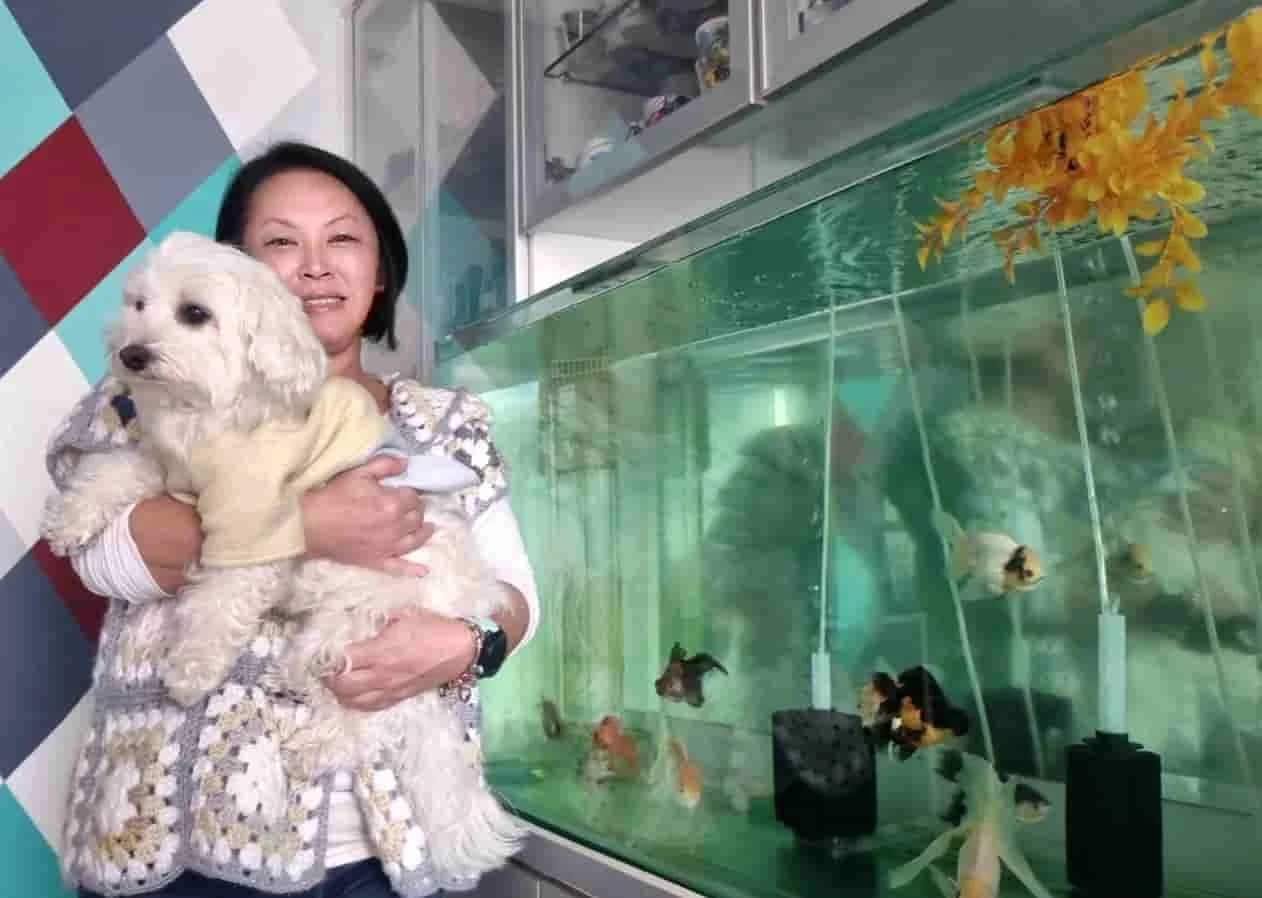
🏠 The 100G Lab
Where we torture test every hardware option, pellet line, and filter layout live.

🏃♀️ Grit & Eye
Marathon endurance meets the precise, millimeter structural focus of a seamstress.
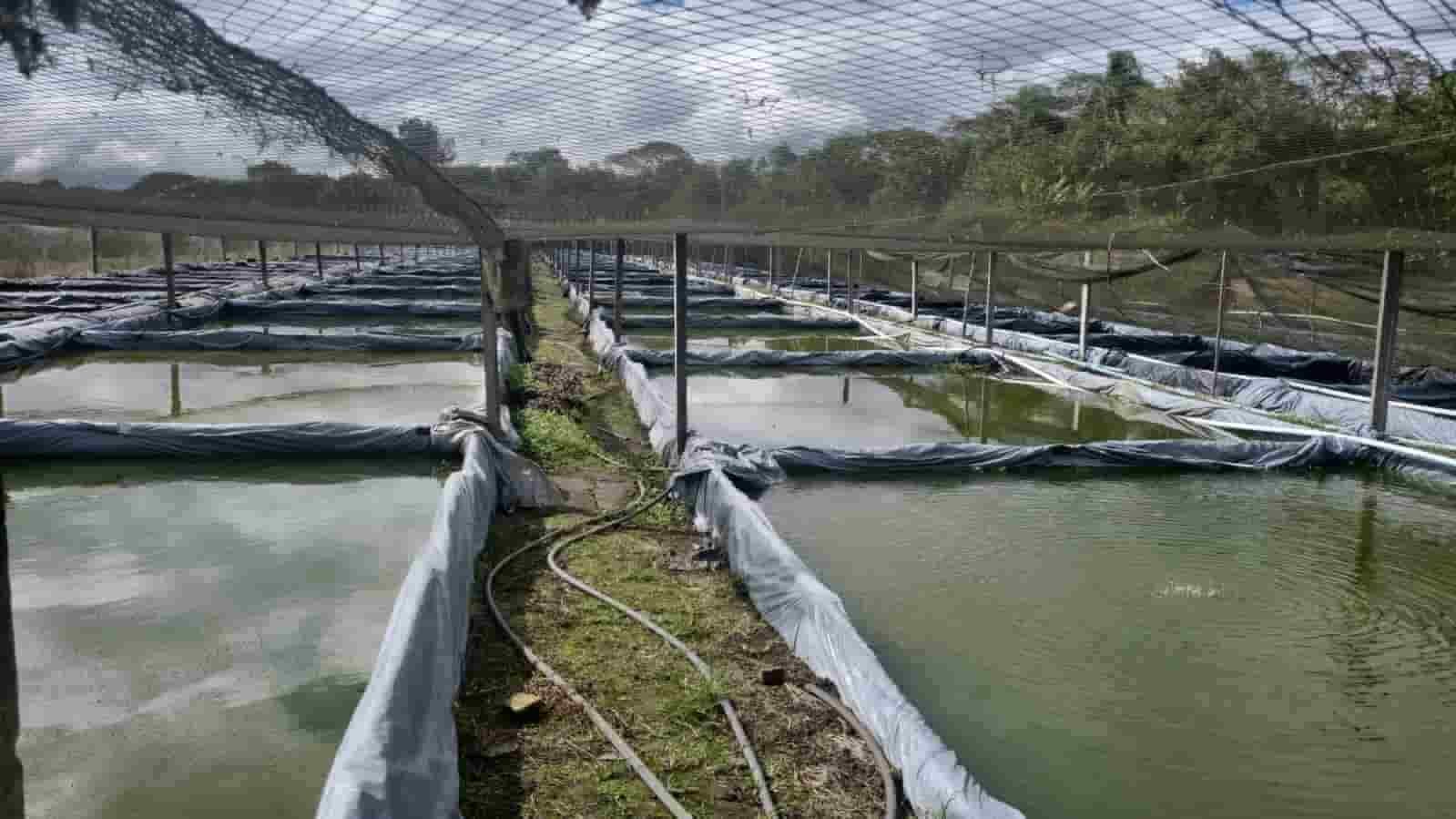
🐳 Monster Vats
Analyzing massive continuous turnovers inside large open-air mud farm vats.
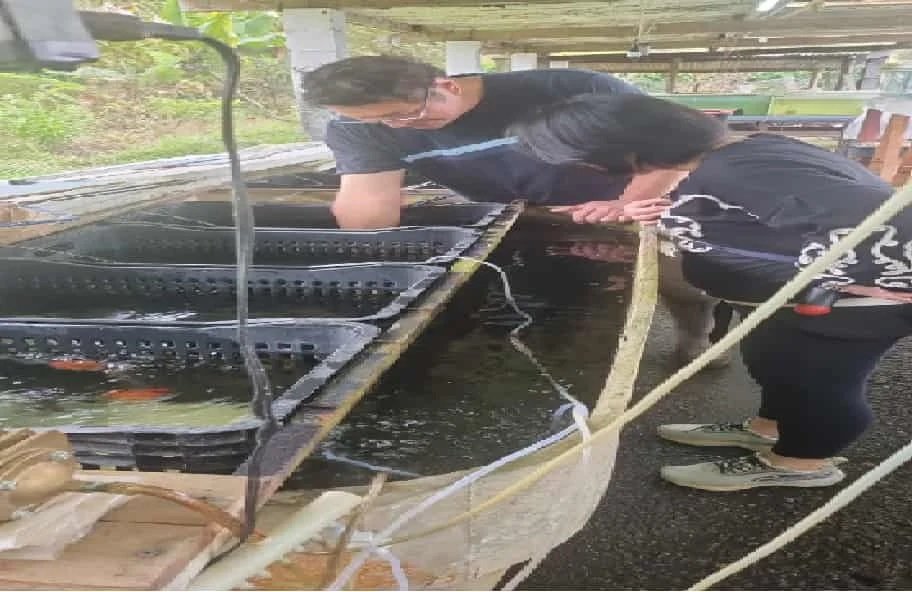
🤝 True Alliances
Working hand-in-hand with regional facility operations to target elite fancy bloodlines.
✨ Read also: (How to Speed Up Large Aquarium Cycling: The Raw 100-Gallon Blueprint)
A deeply technical piece of content that perfectly complements this post — absolutely worth the read.