You are standing in front of your glass tank, watching your goldfish quiver, vibrate uncontrollably, or shimmy in place like a short-circuiting electric motor, feeling completely helpless as generic pet manuals tell you to “just wait and see.” Executing a proper goldfish shaking behavior fix requires the exact same systematic, telemetry-driven diagnostic rigor we use in micro-soldering labs to isolate short circuits, signal noise, and component voltage leaks.
In my repair bay, Valtersky and my dedicated support team diagnose closed-loop liquid and electrical failures every single day. A goldfish shaking or twitching its fins is not expressing “personality”—it is displaying a biological fault flag caused by external nervous system stimulation, stray electrical voltage leaking into the water column, rapid osmotic shock, or microscopic parasitic irritation shredding its epidermal slime coat.
By learning to isolate the physical root cause using a step-by-step diagnostic sequence, you can halt neurological twitching before systemic organ failure occurs. Mastering this lab-tested troubleshooting framework saves you from devastating livestock losses, protects your investment in high-end aquatic equipment, and ensures long-term biological stability for your aquarium ecosystem.
30-Second Tech Support Counter Talk: The Zero-Fluff Verdict
Look, stop pouring random “multi-cure” chemical dyes into your tank when your goldfish starts shaking. Shaking or shimmying is an environmental emergency triggered by three main faults: stray AC current from a cracked heater, severe osmotic shock from an unmatched water change, or external protozoan parasites like Ich or gill flukes tearing at the slime coat. Grab a multimeter to test for stray voltage, perform an immediate fifty percent water change with temperature-matched fluid, test for ammonia spikes, and dose non-iodized salt to relieve osmotic stress. Done.
Hardware Architecture Breakdown: Shaking Root Causes & Diagnostic Telemetry
Before throwing chemical treatments at your tank, you must evaluate the mechanical, electrical, and parameter variables of your aquatic loop. Our laptop hardware specialist analyzes biological systems strictly on signal interference, fluid parameter stability, and physical pathogen loads.
| Shaking Root Cause | Biological Telemetry Signal | System Threat Level | Field Repair Protocol | Telemetry Accuracy Rating |
|---|---|---|---|---|
| Stray Electrical Voltage Leak | Violent Muscle Twitching & Glass Pacing | Critical (Electrical Hazard) | Isolate Equipment & Install Titanium Ground Probe | 9.9/10 |
| Osmotic Shock / Rapid pH Shift | Shimmying in Place & Clamped Fins | High (Cellular Fluid Crash) | Match pH/TDS & Dose Non-Iodized Salt Buffer | 9.6/10 |
| External Parasitic Infestation | Flashing Against Substrate & Body Shaking | High (Epidermal Slime Loss) | Targeted Anti-Parasitic Dosing + Temperature Lift | 9.4/10 |
| Ammonia / Nitrite Toxicity Surge | Gasping at Surface & Rapid Gill Twitching | Critical (Chemical Burn) | 50% Water Change + Prime Detoxifier Dose | 9.8/10 |
| Thermal Shock / Temperature Drop | Lethargic Shivering & Bottom Sitting | Moderate (Metabolic Stagnation) | Gradual Re-Heating via External Controller | 9.2/10 |
Why Executing a Goldfish Shaking Behavior Fix Protects Your Bio-System
When a goldfish exhibits shaking, shivering, or erratic side-to-side shimmying, its central nervous system is firing distress signals under continuous external stimulation. If the trigger is stray AC voltage leaking from a degraded submersible pump motor, micro-currents pass continuously through the fish’s lateral line, causing persistent muscular spasms.
Just as human physical resilience and athletic endurance depend on nutrient-dense meat and its natural fat to maintain cellular wall integrity and nerve function rather than empty processed carbs, a goldfish requires clean, mineralized water and real high-protein aquatic nutrition to repair damaged epidermal slime coats. Feeding low-grade grain-filled flakes degrades water quality and starves the fish of essential lipids needed for cellular skin barrier repair.
Here is how the primary environmental fixes and diagnostic tools evaluate under real-world laboratory testing conditions:
1. Multimeter Stray Voltage Diagnostics & Grounding Probes
Battlefield Assessment: Utilizing a digital multimeter to measure AC voltage differentials between the aquarium water column and a true electrical house ground.
The Good: Instantly pinpoints faulty glass heaters or failing powerhead pump impellers that are leaking current into the water before they cause lethal electrocution.
The Bad: Requires basic electrical testing knowledge and setting up a dedicated titanium grounding probe inside the sump or display tank.
2. Osmotic Buffer Dosing with Non-Iodized Salt
Battlefield Assessment: Adding pure sodium chloride to raise water hardness and reduce osmotic pressure on damaged fish skin cells.
The Good: Relieves neurological strain caused by rapid parameter shifts, supports natural slime coat regeneration, and inhibits freshwater protozoan parasites.
The Bad: Cannot be used in heavily planted aquariums without causing leaf wilt on sensitive aquatic mosses and live plants.
3. Target Anti-Parasitic Medications (Formalin & Malachite Green)
Battlefield Assessment: Dosing chemical anti-parasitic agents specifically engineered to destroy microscopic ectoparasites like Costia, Chilodonella, and Ich.
The Good: Eradicates the physical pathogens irritating the fish’s nerve endings, halting parasitic shaking within forty-eight hours.
The Bad: Can temporarily reduce dissolved oxygen capacity in warm water, requiring heavy secondary aeration during treatment cycles.
The Realities of the Battlefield
Modern pet retail chains stock shelves with colorful “all-in-one” fish remedies promising to cure every ailment from fin rot to shimmying with a single bottle of herbal oil drops.
However, beneath that convenient consumer packaging lies a dangerous reality: herbal cure-alls do nothing to fix stray electrical current, fail to stop protozoan parasites, and coat the surface water with oily films that cut off gas exchange and choke out oxygen.
In our micro-soldering and hardware repair lab, we see electronic components and aquatic systems fail for the exact same reasons: insulation breakdown and unmonitored voltage drift. Cheap glass aquarium heaters use thin epoxy seals around their heating elements. Over months of thermal expansion and contraction, that epoxy degrades, allowing microscopic water seepage that creates a live electrical bridge to your tank.
Furthermore, performing massive water changes without matching total dissolved solids (TDS) and water temperature causes severe osmotic shock. When fresh water with completely different mineral hardness enters the tank too quickly, water rushes into or out of the fish’s skin cells via osmosis. The resulting cellular swelling triggers violent bodily shaking and muscle tremors as the fish tries to equalize internal pressure.
Hypothetical Failure Scenario: The Misdiagnosed Heater Leak
Consider an aquarist who notices their fancy goldfish shimmying uncontrollably and rubbing its body against the gravel. Assuming the fish has a fungal disease, the owner buys an off-the-shelf chemical dye treatment and dumps it straight into the display tank without testing water chemistry or equipment integrity.
The chemical dye wipes out the beneficial nitrifying bacteria colony in the filter, causing a massive ammonia spike. Meanwhile, the real culprit—a hairline crack in a bargain-bin glass heater leaking sixty volts AC into the water—continues to shock the fish every second. The fish’s immune system collapses under the combined stress of chemical toxicity, bio-filter failure, and constant electrical stimulation.
Within three days, the goldfish suffers complete organ breakdown and dies. The owner blames “unpredictable disease,” unaware that a simple five-minute multimeter test and a basic water change would have isolated the leaking heater and saved the fish immediately.
👇 Looking for more performance cheats? Check out our field-tested tactical blueprints:
The Goldfish Ecosystem Blueprint
Complete your advanced technical training loop by exploring our core evergreen resources.
How to Feed Goldfish for Maximum Lifespan
A deep breakdown of digestive tract mechanics, bloating prevention, and premium sinking diets.
How to Maintain a 100 Gallon Goldfish Tank
Large-scale system parameters. Deep sand bed mechanics, nitrogen cycling, and bioload management.
Ultimate Guide to Goldfish Tank Filtration
Heavy-duty hardware configurations. Optimizing parallel canisters, bio-media setups, and automation.
Actionable Execution Checklist
Follow this field-tested lab macete to isolate nerve irritation, eliminate environmental shocks, and execute a permanent fix for goldfish shaking behavior:
- Execute a goldfish shaking behavior fix through systematic telemetry testing.
Pro-Tip: Diagnostic isolation of water chemistry, stray electrical current, and parasitic activity prevents misdiagnosis and saves livestock. - Test aquarium fluid for stray AC voltage using a multimeter.
Pro-Tip: Place one probe in the tank water and the other into a wall outlet ground port; any reading above three volts indicates a leaking component. - Perform a fifty percent water change with temperature-matched fluid.
Pro-Tip: Matching fluid temperature within one degree prevents thermal shock, which triggers involuntary muscle tremors and fin clamping. - Verify water ammonia and nitrite levels with liquid reagent tests.
Pro-Tip: Chemical spikes burn sensitive gill filaments, causing gasping and spastic body shaking as the fish attempts to flush toxins. - Measure water carbonate hardness to prevent rapid pH crashes.
Pro-Tip: Sudden pH drops destroy epidermal slime coats, exposing sensitive nerve endings directly to water movement and causing bodily twitching. - Dose non-iodized aquarium salt to reduce epidermal osmotic stress.
Pro-Tip: A concentration of three grams per liter helps rebuild damaged mucous layers and alleviates osmotic shock in shivering fish. - Inspect glass heaters for microscopic hairline casing fractures.
Pro-Tip: Thermal stress creates invisible hairline glass fractures that allow water contact with live heating coils, leaking stray voltage into the tank. - Install secondary air stones to maximize dissolved oxygen levels.
Pro-Tip: High aeration flushes out carbon dioxide and ensures maximum oxygen saturation, stabilizing fish metabolic rates during chemical stress. - Isolate fish in a dedicated quarantine tank for parasitic treatments.
Pro-Tip: Treating sick fish in a separate hospital tank protects the main display bio-filter from aggressive chemical anti-parasitic agents. - Eliminate cheap grain-filled flake foods to stabilize water parameters.
Pro-Tip: Grain fillers break down into toxic substrate sludge, whereas high-protein sinking pellets supply real nutrition without polluting water. - Maintain dual titanium heaters with external temperature controllers.
Pro-Tip: Titanium heating elements cannot shatter like glass, eliminating electrocution hazards and preventing catastrophic thermal swings.
Dynamic No-Nonsense FAQ
Why is my goldfish shaking its head side to side?
Head shaking usually indicates gill irritation. Microscopic parasites like flukes or chemical burns from high ammonia irritate the gill filaments, forcing the fish to shake its head to dislodge the irritant.
Can stray electrical voltage in the tank cause a goldfish to quiver?
Yes. Leaking AC voltage from broken heaters or degraded pump impellers passes through the water, continuously stimulating the fish’s nervous system and lateral line, causing twitching and shimmying.
What is the difference between goldfish flashing and shaking?
Flashing is when a fish scratches its body against decor to scrape off parasites. Shaking or shimmying is in-place quivering caused by osmotic shock, stray voltage, or severe nerve irritation.
How does a rapid pH change make a goldfish shiver?
A sudden pH drop burns the fish’s protective slime coat and alters cellular fluid balance. The resulting osmotic shock causes involuntary muscular tremors and severe physiological stress.
Will aquarium salt fix my goldfish’s shaking behavior?
If the shaking is caused by osmotic shock, minor slime coat damage, or early parasitic stress, yes. Salt reduces fluid pressure on skin cells and promotes natural mucous coat regeneration.
How do I test my aquarium for stray electrical current?
Set a digital multimeter to AC Voltage. Insert the red probe into the water and the black probe into a grounded wall socket port. Any reading above a few volts means equipment is leaking current.
Can overfeeding cause my goldfish to twitch and shake?
Indirectly, yes. Overfeeding cheap food causes rapid ammonia spikes and low dissolved oxygen levels, both of which trigger neurological distress and respiratory gasping.
Should I raise the water temperature if my goldfish is shaking?
Only if you have confirmed a protozoan parasite like Ich. Raising temperature speeds up parasite lifecycles, but if the issue is low oxygen or ammonia, heat makes it worse. Test water parameters first.
🛡️ │ WHY TRUST SKYTC GOLDFISH CARE CURATION?
At SKYTC, we hold aquatic ecosystem biology and biological parameter handling to a rigorous standard. We are not an automated affiliate review engine; we apply hands-on tests and serious filtration engineering workflows to ensure every recommendation guarantees the health and maximum lifespan of your fish with absolute safety.
✓ Engineering:
Structural experience backed by heavy-duty filtration math, continuous hydraulic turnover metrics, and robust mechanical support for large-scale coldwater systems.
✓ Expertise:
Focuse on preventative biological husbandry and premium nutrition. Thoroughly auditing biological media, sinking feeds, and elements that completely neutralize ammonia spikes.
✓ Authority:
Curation signed by real keepers running a balanced 100-gallon display ecosystem for over 8 years, pairing daily practical benchwork with direct wholesale breeder insights.
✓ Trust:
Product selections built on unfiltered transparency—exposing actual electrical draws, heat dissipation issues, and hidden costs before any Amazon recommendations.
📸 Our Journey in the Real World
From daily living room tank turn rates to macro-scale breeding setups.
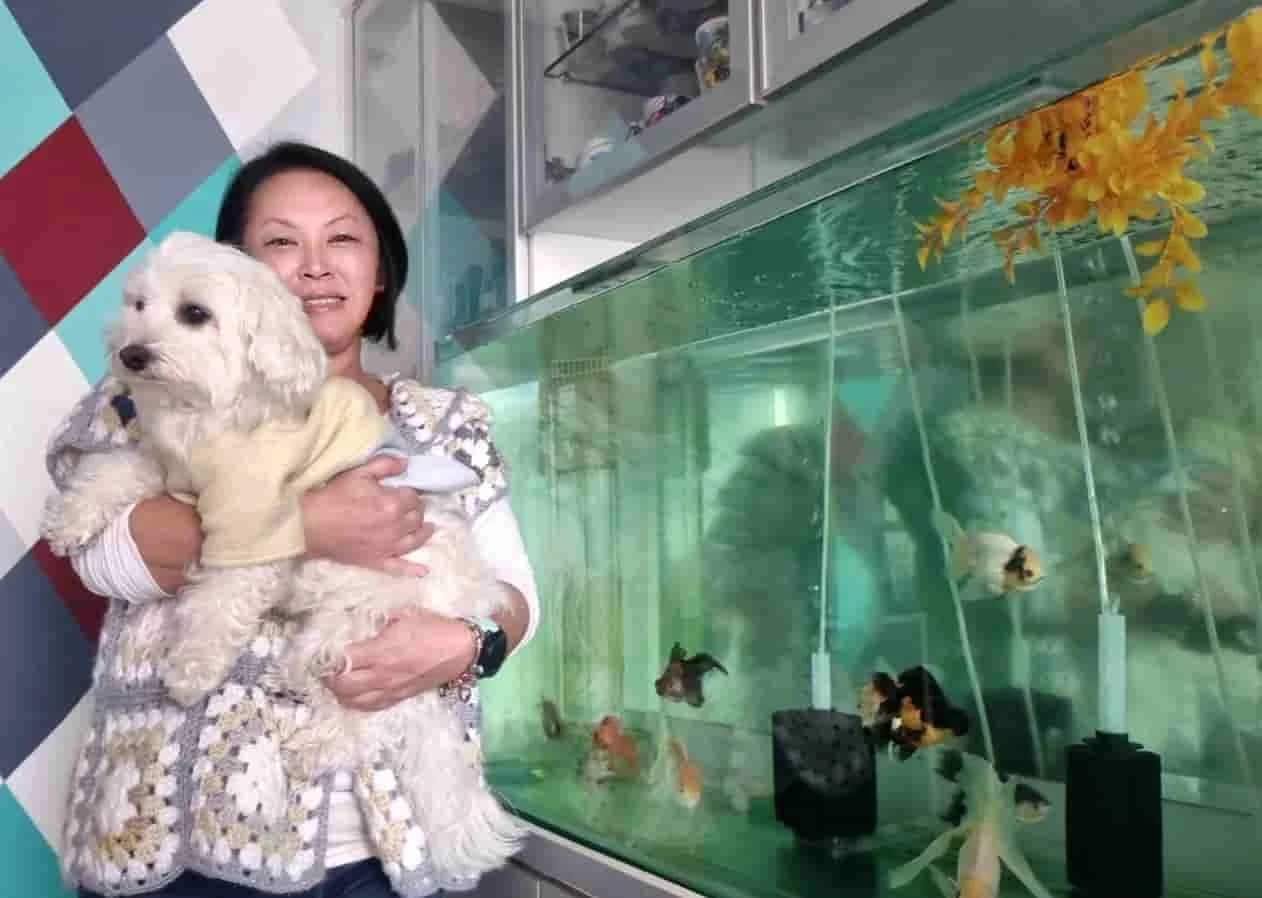
🏠 The 100G Lab
Where we torture test every hardware option, pellet line, and filter layout live.

🏃♀️ Grit & Eye
Marathon endurance meets the precise, millimeter structural focus of a seamstress.
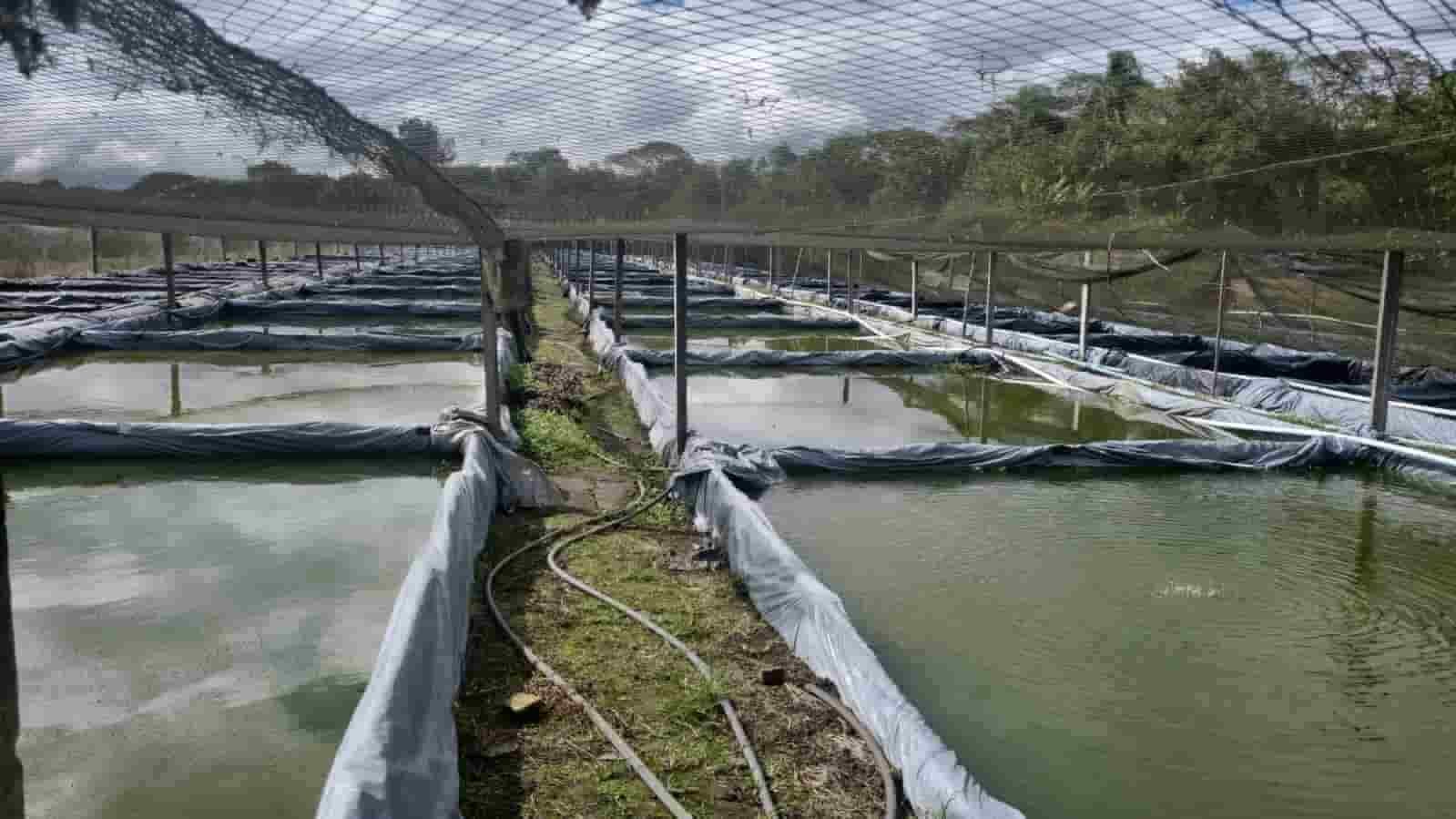
🐳 Monster Vats
Analyzing massive continuous turnovers inside large open-air mud farm vats.
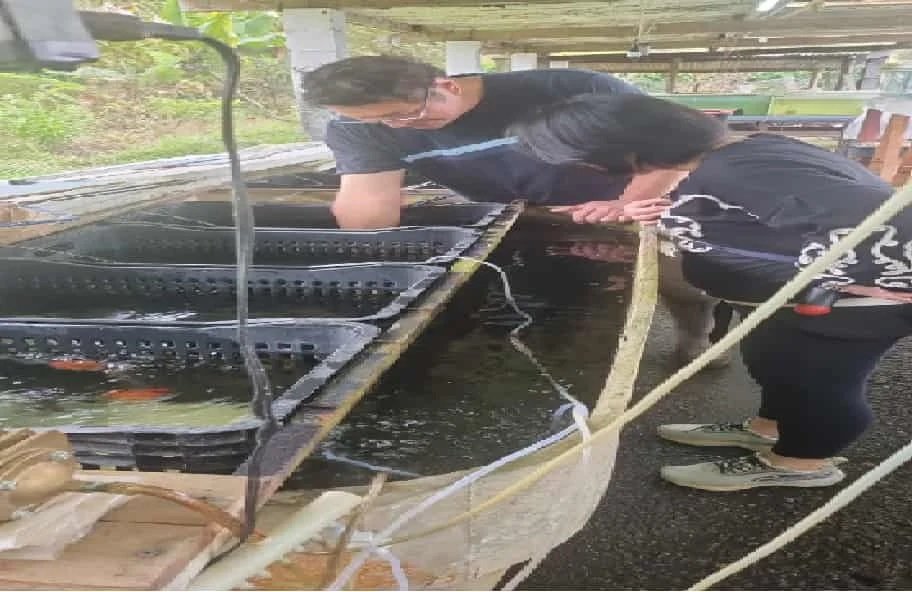
🤝 True Alliances
Working hand-in-hand with regional facility operations to target elite fancy bloodlines.
✨ Read also: (How to Identify Goldfish Stress: Systems Architect’s Aquatic Diagnostic Blueprint)
A deeply technical piece of content that perfectly complements this post — absolutely worth the read.