
You are standing in front of a brand new, pristine aquarium, watching water swirl through your filters, wondering if you should toss in a few cheap “sacrificial” feeder fish to kickstart the nitrogen cycle while praying they don’t die a painful death. Masterful aquarists know that using ammonia to cycle goldfish tanks is the exact same controlled, bench-testing procedure we use in micro-soldering labs to stress-test motherboard VRM power rails with dummy loads before installing expensive central processing units.
In my repair bay, Valtersky and my dedicated support team diagnose closed-loop failures every day. Subjecting live animals to toxic ammonia surges is not just inhumane—it is terrible bio-engineering. When you use live fish to cycle a system, their waste outputs are erratic, unmonitored, and dangerous, leading to damaged gill filaments, chronic organ stress, and premature biological filter stalls.
By dosing pure, lab-grade ammonium chloride into a fishless system, you maintain absolute control over nitrogen parts-per-million telemetry. This lab-tested protocol builds a massive, resilient nitrifying bacterial matrix inside your filter media before a single fish enters the glass, saving you from catastrophic livestock loss, wasted maintenance hours, and endless chemical panic purchases.
30-Second Tech Support Counter Talk: The Zero-Fluff Verdict
Look, stop using live fish as bio-filter lab rats or throwing decaying fish food into your tank to rot. If you want a rock-solid bio-filter capable of handling heavy goldfish waste, dose pure, clear ammonium chloride without surfactants to two or three parts-per-million. Maintain high surface aeration, keep your water temperature warm, and monitor parameters with liquid reagent kits. Once your canister filter converts three parts-per-million of ammonia down to absolute zero ammonia and zero nitrite within twenty-four hours, perform a large water change. Done.
Hardware Architecture Breakdown: Nitrogen Fuel Sources & Cycling Protocols
Before adding nitrogen sources to an uncycled tank, you must evaluate the purity, control precision, and bio-yield of your selected fuel source. Our laptop hardware specialist analyzes biological loops strictly on parameter controllability, contamination risk, and bacterial colony density.
| Cycling Fuel Source | Nitrogen Telemetry Precision | Bio-Filter Colony Yield | Livestock Safety Rating | System Contamination Risk |
|---|---|---|---|---|
| Pure Ammonium Chloride (Synthetic) | Superior (Exact PPM Targeting) | Exceptional (High Mass Yield) | Absolute (Zero Animal Risk) | Zero (Purity Guaranteed) |
| Decaying Fish Food Flakes | Poor (Erratic Decay Spikes) | Moderate (Fungal Heavy) | Absolute (Fishless Method) | High (Mold & Organic Sludge) |
| Live Feeder Fish (Fish-In Cycling) | Critical (Uncontrolled Waste) | Low (Weak Initial Colony) | Critical (Severe Animal Harm) | High (Pathogen Introduction) |
| Seeded Bio-Media + Pure Ammonia | Superior (Fast-Track Baseline) | Superior (Rapid Expansion) | Absolute (Fishless Method) | Low (Depends on Donor Tank) |
| Bottled Bacteria Only (No Nitrogen) | Zero (No Fuel Base) | Failed (Bacterial Starvation) | Absolute (No Animals Added) | Zero (Inactive Loop) |
Why Using Ammonia to Cycle Goldfish Tanks Prevents Total Bio-System Collapse
Goldfish are heavy bio-load processing units. Unlike small tropical tetras, fancy goldfish produce massive amounts of solid waste and excrete pure ammonia directly from their gills every minute. If your canister filter media lacks a massive, pre-established colony of Nitrosomonas and Nitrobacter bacteria, that waste builds up instantly, searing gill tissue and causing systemic organ failure.
Just as human physical performance and cellular endurance depend on nutrient-dense meat and its natural fat to maintain tissue resilience rather than empty synthetic fillers, nitrifying bacteria require clean mineralized water and pure nitrogen fuel to build resilient bio-films across porous ceramic media. Dosing pure ammonium chloride supplies pure, unadulterated fuel directly to autotrophic bacteria without clogging filter pores with moldy organic decay.
Here is how the primary cycling fuel sources and biological boosting methods evaluate under rigorous laboratory conditions:
1. Pure Lab-Grade Ammonium Chloride Fluid
Battlefield Assessment: A pure liquid chemical solution formulated specifically for fishless aquarium cycling, completely free from scents, dyes, or cleaning detergents.
The Good: Allows microscopic precision when targeting specific parts-per-million levels, leaves zero organic residue on gravel or media, and breeds dense nitrifying bacterial cultures.
The Bad: Requires careful dropper dosing calculations and disciplined daily parameter monitoring with liquid test kits.
2. Organic Fish Food Decay Method
Battlefield Assessment: Tossing commercial fish flakes or pellets into an empty tank, allowing heterotrophic bacteria and mold to break down proteins into ammonia.
The Good: Readily available in most homes without needing to source pure liquid ammonium chloride solutions.
The Bad: Produces unsightly fungal carpets over substrate, clouds water with organic debris, and creates unpredictable, uncontrolled ammonia spikes.
3. Fish-In Cycling with Live Feeder Fish
Battlefield Assessment: Adding live, cheap fish to an uncycled tank to force the biological cycle through live animal waste excretion.
The Good: Gives beginner aquarists immediate movement inside the glass display tank during the initial setup weeks.
The Bad: Causes severe chemical burns to fish gills, introduces disease pathogens into the main system, and results in high mortality rates.
The Realities of the Battlefield
Supermarket chemical aisles are packed with bargain-bin household cleaning ammonia bottles promising low costs and multi-purpose utility.
However, beneath those generic plastic caps lies a hidden disaster for aquarists: surfactants, foaming agents, and synthetic fragrances designed for floor scrubbing that create toxic soapy foam, coating filter media and instantly killing beneficial microbes.
In our micro-soldering and systems lab, we see hardware and biological systems fail for the exact same reasons: contaminated inputs and uncalibrated telemetry tools. If you attempt to cycle a tank using household ammonia that contains surfactants, shaking the bottle will produce long-lasting soapy suds. Dosing this into your tank coats your porous sintered glass media in chemical film, rendering it completely sterile.
Furthermore, nitrifying bacteria consume dissolved carbonates (KH) as a carbon source while converting ammonia into nitrite and nitrate. If your tap water has low carbonate hardness, the nitrification process will rapidly strip all KH out of the water, crashing the pH below 6.5. When pH crashes below this threshold, nitrifying bacteria enter complete dormancy, stalling your cycle indefinitely until mineral buffers are restored.
Hypothetical Failure Scenario: The Surfactant Foam Disaster
Consider an aquarist who reads about fishless cycling online and buys a low-grade bottle of generic household cleaning ammonia from a local grocery store. Wanting to save time, the owner doses several capfuls directly into a hundred-gallon tank without performing a simple bottle shake test to check for chemical additives.
Within thirty minutes, the return pump churns the water into a thick, soapy white foam that fills the top overflow box. The surfactants coat the internal bio-media inside the canister filter, creating a chemical barrier that prevents oxygen and nitrifying spores from colonizing the ceramic surfaces. The water turns foul, cloudy, and chemically polluted.
The owner spends three days doing complete water drains, scrubbing gravel, and throwing away ruined filter media—wasting time, energy, and money on replacements. All of this failure could have been avoided by sourcing pure, lab-grade ammonium chloride or performing a ten-second bottle shake test to verify zero surfactant foam.
👇 Looking for more performance cheats? Check out our field-tested tactical blueprints:
The Goldfish Ecosystem Blueprint
Complete your advanced technical training loop by exploring our core evergreen resources.
How to Feed Goldfish for Maximum Lifespan
A deep breakdown of digestive tract mechanics, bloating prevention, and premium sinking diets.
How to Maintain a 100 Gallon Goldfish Tank
Large-scale system parameters. Deep sand bed mechanics, nitrogen cycling, and bioload management.
Ultimate Guide to Goldfish Tank Filtration
Heavy-duty hardware configurations. Optimizing parallel canisters, bio-media setups, and automation.
Actionable Execution Checklist
Follow this field-tested lab macete to execute a precise, fishless cycle and build an indestructible biological filter matrix:
- Master using ammonia to cycle goldfish tanks with pure ammonium chloride.
Pro-Tip: Synthetic liquid dosing gives you absolute precision over nitrogen ppm loads without introducing organic mold or sacrificing live fish. - Shake ammonia bottles before dosing to verify zero surfactant foam.
Pro-Tip: If shaking the bottle creates persistent soapy bubbles, it contains cleaning detergents that will poison your biological filter media. - Target an initial concentration of two to three parts-per-million.
Pro-Tip: Dosing above five parts-per-million overcharges the system, inhibiting bacterial reproduction and stalling the nitrogen cycle. - Maintain water temperature at twenty-five degrees Celsius during cycling.
Pro-Tip: Warmer water accelerates nitrifying bacterial metabolic rates, significantly shortening total colonization timeframes. - Measure water carbonate hardness to prevent dangerous pH stalls.
Pro-Tip: Nitrifying bacteria consume carbonates; keep KH above four degrees to prevent pH crashes from halting bacterial growth. - Use liquid reagent test kits instead of paper test strips.
Pro-Tip: Paper strips absorb ambient humidity and give inaccurate readings; liquid reagents deliver precise chemical telemetry. - Run high-surface-area sintered glass media inside canister filters.
Pro-Tip: Sintered glass ceramic offers exponentially more microscopic surface area for autotrophic bio-films than smooth plastic bio-balls. - Provide heavy surface aeration using secondary air stones.
Pro-Tip: Ammonia oxidation is an oxygen-heavy biological reaction; high aeration prevents anaerobic zones inside canister media. - Never rinse bio-media in chlorinated tap water during maintenance.
Pro-Tip: Tap water chlorine kills beneficial bacterial colonies instantly; always rinse filter media in drained aquarium water. - Perform an eighty percent water change once cycling completes.
Pro-Tip: High nitrate accumulation at the end of a fishless cycle must be diluted down below twenty ppm before stocking livestock. - Stock initial livestock gradually over several weeks.
Pro-Tip: Adding fish in small batches allows your established bacterial colony to adjust its population capacity naturally without parameter spikes.
Dynamic No-Nonsense FAQ
How many drops of pure ammonia do I need per gallon of water?
It depends on solution concentration, but typically four drops of 10% pure ammonium chloride per ten gallons raises water by roughly two parts-per-million. Always test with liquid reagents after dosing.
Can I use household cleaning ammonia to cycle my aquarium?
Only if it contains 100% pure ammonium hydroxide and water with zero surfactants, fragrances, or colorants. Shake the bottle hard—if it foams up like dish soap, do not use it.
How long does it take to cycle a goldfish tank using pure ammonia?
From scratch, a fishless ammonia cycle takes three to five weeks. If you seed the filter with mature ceramic media from an established system, it can complete in under ten days.
Why did my ammonia level stop dropping after two weeks?
Your cycle likely stalled because carbonate hardness (KH) was exhausted, causing pH to drop below 6.5. Perform a 25% water change with mineralized tap water to restore KH and reboot bacteria.
How do I know when my fishless ammonia cycle is completely finished?
When you dose ammonia to two or three parts-per-million, and both ammonia AND nitrite read absolute zero within twenty-four hours flat, leaving only nitrates behind.
Should I turn off my canister filter while dosing ammonia?
No. Your canister filter must run continuously 24/7 to circulate oxygenated water and nitrogen fuel directly through the bio-media where nitrifying bacteria live.
Why are my nitrate levels extremely high at the end of the cycle?
Nitrate is the non-toxic end product of the nitrogen cycle. High nitrates prove your bio-filter is working perfectly. Perform an 80% water change to reset nitrates before adding fish.
Do I need to keep adding ammonia every single day?
No. Dose initial ammonia to 3.0 ppm, then wait until it drops near zero before redosing. Once nitrite peaks and drops, dose small maintenance amounts daily until stocking day.
🛡️ │ WHY TRUST SKYTC GOLDFISH CARE CURATION?
At SKYTC, we hold aquatic ecosystem biology and biological parameter handling to a rigorous standard. We are not an automated affiliate review engine; we apply hands-on tests and serious filtration engineering workflows to ensure every recommendation guarantees the health and maximum lifespan of your fish with absolute safety.
✓ Engineering:
Structural experience backed by heavy-duty filtration math, continuous hydraulic turnover metrics, and robust mechanical support for large-scale coldwater systems.
✓ Expertise:
Focuse on preventative biological husbandry and premium nutrition. Thoroughly auditing biological media, sinking feeds, and elements that completely neutralize ammonia spikes.
✓ Authority:
Curation signed by real keepers running a balanced 100-gallon display ecosystem for over 8 years, pairing daily practical benchwork with direct wholesale breeder insights.
✓ Trust:
Product selections built on unfiltered transparency—exposing actual electrical draws, heat dissipation issues, and hidden costs before any Amazon recommendations.
📸 Our Journey in the Real World
From daily living room tank turn rates to macro-scale breeding setups.
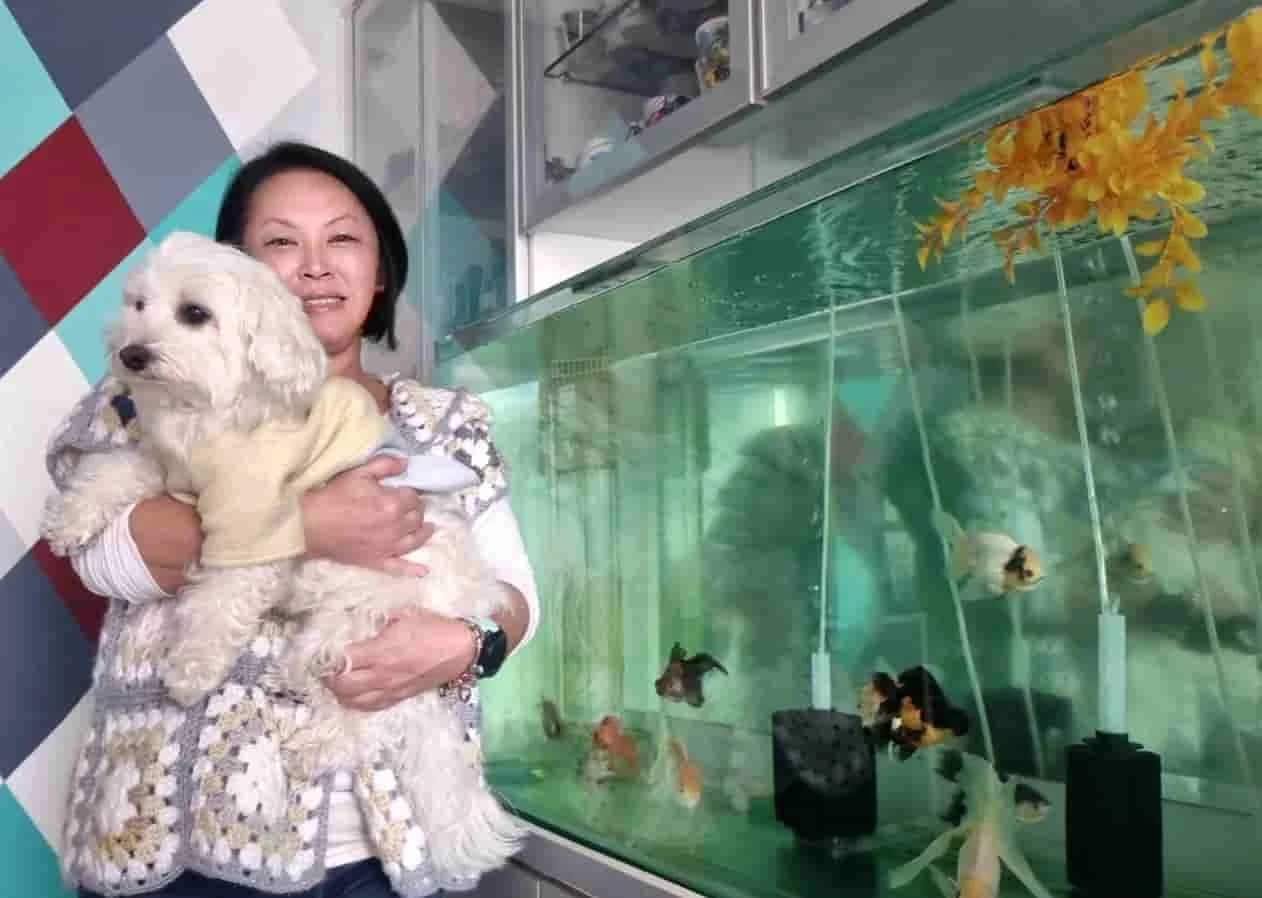
🏠 The 100G Lab
Where we torture test every hardware option, pellet line, and filter layout live.

🏃♀️ Grit & Eye
Marathon endurance meets the precise, millimeter structural focus of a seamstress.
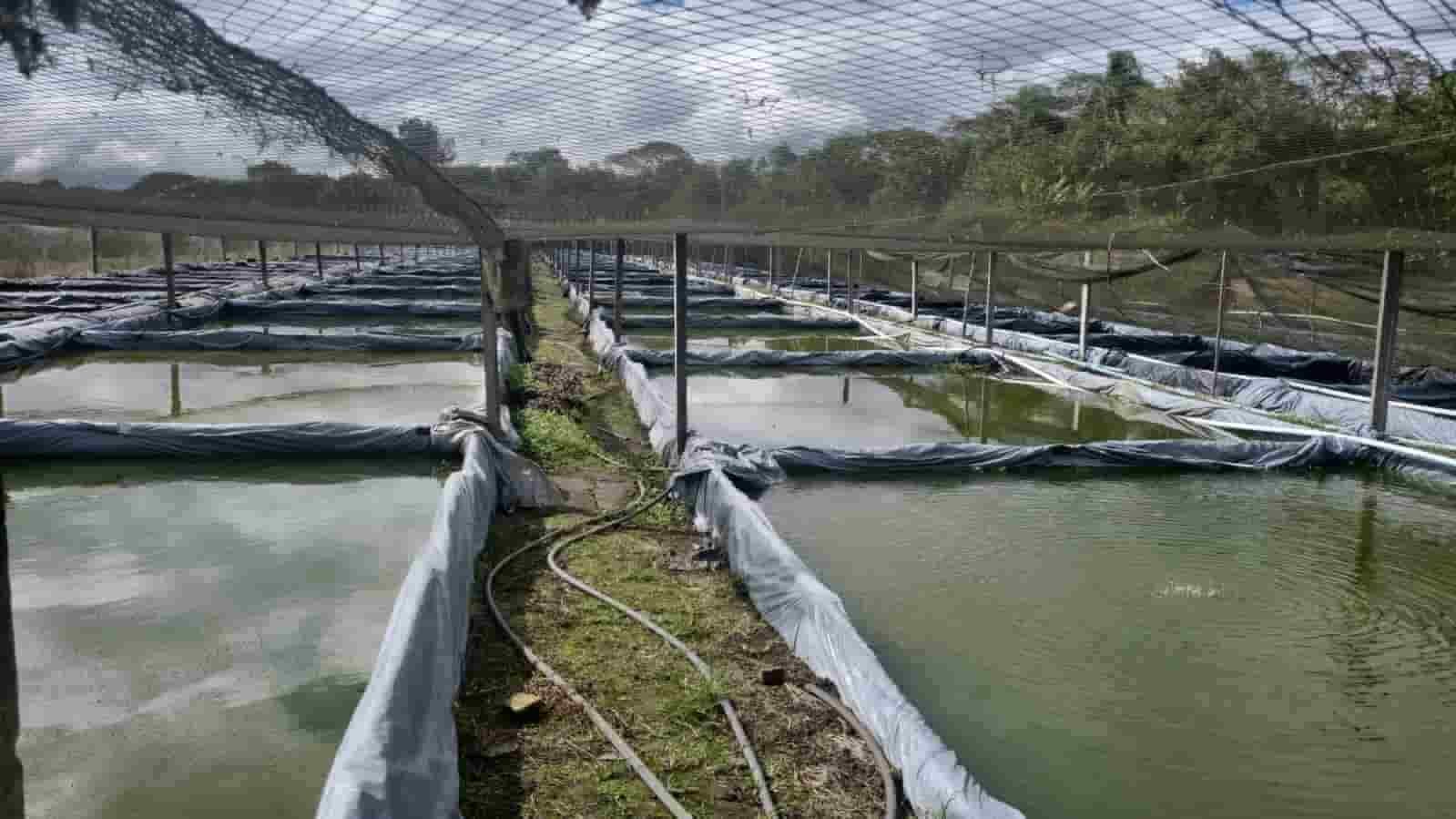
🐳 Monster Vats
Analyzing massive continuous turnovers inside large open-air mud farm vats.
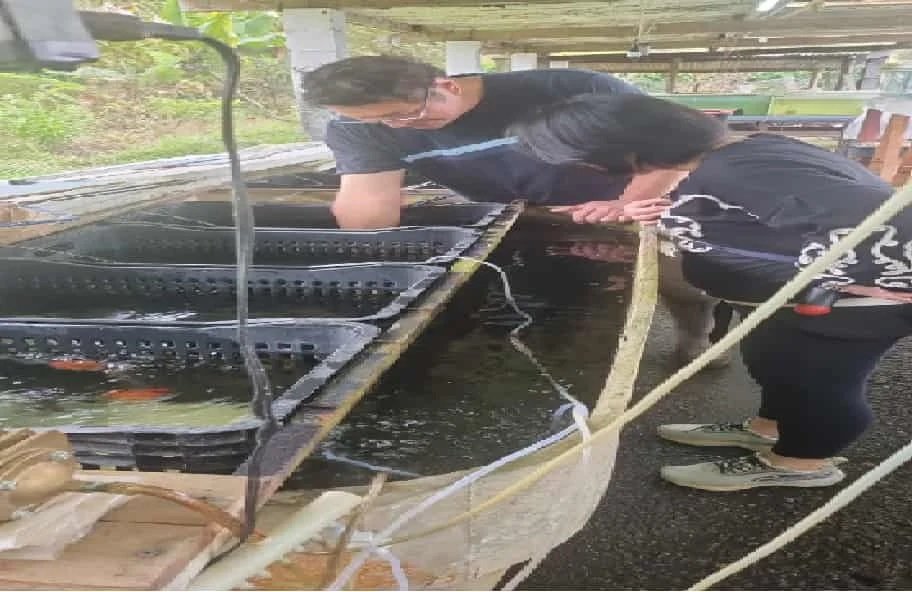
🤝 True Alliances
Working hand-in-hand with regional facility operations to target elite fancy bloodlines.
✨ Read also: (Signs Your 100 Gallon Tank Is Cycled: Systems Architect’s Bio-Mechanical Field Blueprint)
A deeply technical piece of content that perfectly complements this post — absolutely worth the read.