
If you hunt, field-trial, or walk an active English Springer Spaniel through thick brambles, you know the heart-stopping panic when their tail disappears into dense cover and they go completely silent. Evaluating the top gps trackers for springer spaniels is not about buying sleek, fragile consumer gadgets built for pampered city lapdogs; it is about securing real-time telemetry that survives water, mud, and high-velocity hunting drives. I travel constantly with my Maltese, Murphy, but back home our SkyTC field-testing network includes dedicated giant-breed handlers, hunting dog trainers, and multi-pet households across our community who physically stress-test pet technology in brutal field conditions.
Springer Spaniels possess an insatiable prey drive and an obsessive desire to flush game out of dense cover. Standard Bluetooth tags and low-grade cellular clips shatter on impact with heavy branches, lose signal under thick tree canopies, or tear clean off flimsy collars, leaving you helpless in the field.
By fitting your spaniel with a heavy-duty, IP68-rated satellite or cellular GPS unit mounted to an industrial collar harness, you gain uninterrupted live tracking across rugged terrain. You save hours of frantic searching, protect your financial investment, and preserve your hunting dog’s physical safety during high-velocity field work.
30-Second Summary: The Tactical Counter Verdict
Look, stop attaching flimsy bargain-bin Bluetooth tags or fragile plastic clip-ons to a high-velocity hunting dog’s collar. Springer Spaniels dive headfirst into blackberry brambles, mud, and freezing water, which will instantly tear off low-grade hardware or drown unsealed electronics. For reliable tracking in dense cover, invest in a dedicated satellite RF collar or a high-refresh cellular GPS tracker mounted with heavy-duty rivets. Pair this high-tech hardware with biological endurance fuel rich in clean raw meat and natural animal fat to keep your working spaniel’s stamina high and coat water-resistant during intense field tracking.
Evaluating GPS Tracker Tech: Springer Spaniel Field Metrics
Let’s compare how leading GPS tracking technologies hold up against the extreme brush penetration, water submersion, and high activity radius of Springer Spaniels.
| Tracker Architecture | Brush & Impact Resistance | Canopy Signal Penetration | Real-Time Update Refresh | Field Durability ROI |
|---|---|---|---|---|
| Dedicated RF / Satellite Handheld Collar | Extreme (Armor-Plated) | Direct Satellite / Radio Link | 2.5 – 5 Seconds | Exceptional / Heavy-Duty |
| Cellular LTE-M Collar Unit (Premium Tier) | High (Rivet Mount) | Varies by Cell Tower | 10 – 30 Seconds | High-End Setup |
| Bargain-Bin Rubber Clip-On Cellular Tag | Zero (Tears Off Instantly) | Weak Internal Antenna | 1 – 5 Minutes | Low-Grade / Waste of Money |
| Crowdsourced Bluetooth Location Disc | Poor (Flimsy Plastic) | Zero (Requires Nearby Phone) | Unreported | Useless in Wilderness |
| Hybrid VHF / Cellular Working Collar | Heavy-Duty Reinforced | High Dual-Link | Custom Intervals | Varies by Model / Pro Tier |
Battlefield Assessment: Dissecting Tracking Hardware
1. Dedicated RF Satellite Handheld Systems
The Good: Provides instant 2.5-second refresh rates in deep wilderness without needing cellular service or mobile tower coverage.
The Bad: Requires carrying a bulky handheld receiver unit and an extended collar antenna that can snag on low-hanging thickets if not strapped down properly.
2. Rivet-Mounted Cellular LTE-M Trackers
The Good: Sits flush against heavy nylon or biothane collars, eliminating dangling hardware that snags on dense brush while offering nationwide range.
The Bad: If your Springer flushing drive takes them into deep drainage canyons or zero-cell valleys, signal updates freeze completely.
3. Cheap Clip-On Bluetooth Discs
The Good: Ultra-lightweight form factor that fits onto lightweight collars for indoor or suburban backyard containment.
The Bad: Completely useless in hunting environments; the thin plastic housing cracks on impact with rocks, and signal relies entirely on nearby smartphones.
The Realities of the Battlefield
The pet gear market is flooded with sleek, colorful GPS tags marketed with glossy hunting footage and promises of total peace of mind. But the hard negative reality is that ninety percent of these consumer-grade devices shatter or short-circuit the second an aggressive gun dog dives into thick brambles or swims through icy marshland. Soft silicone rubber boots tear off, micro-USB rubber seals pop open under water pressure, and cheap plastic clips snap under high-G force accelerations.
Manufacturers boast about multi-day battery life and long-range geofencing alerts. But under real-world trail and swamp conditions—where cold weather drains lithium-ion cells rapidly and thick tree canopies block weak antennas—advertised battery specs drop by more than half. If your tracker updates every five minutes to save battery, your high-velocity spaniel can be half a mile away in dense cover before you even receive a boundary breach notification.
Working gun dogs burn massive calorie loads during long tracking sessions in cold terrain. But relying solely on carb-heavy commercial kibble leads to sudden energy crashes in the field. Fueling your Springer Spaniel with clean raw meat and natural animal fat delivers dense lipid energy, preserves lean muscle tissue, and promotes a thick, water-repellent coat that protects their skin from sharp thorn bushes during field work.
The Hypothetical Failure Scenario: The Bramble Patch Disappearance
Consider Spaniel owner Dave. Dave buys a bargain-bin clip-on cellular tracker online because it advertises easy collar attachment and basic app tracking. He clips the lightweight plastic unit onto his Springer’s soft fabric collar using a rubber ring and takes his dog hunting near a dense riverbed.
A pheasant flushes into a thick briar patch. The Springer Spaniel dives headfirst into the thorn bushes at full speed. As the dog pushes through the dense brambles, a thick branch catches under the rubber ring clip, ripping the plastic tracker off the collar in two seconds.
The dog keeps running after the bird. Dave opens his smartphone app, only to see the tracker location stationary inside the briar patch while his dog is voice-silent three ridges away. Dave spends four agonizing hours searching in the dark for a lost gun dog while the discarded tracker sits silent in the mud. This total operational failure happened because Dave trusted flimsy consumer accessories for a high-drive working breed.
👇 Looking for more performance cheats? Check out our field-tested tactical blueprints:
The Best GPS Dog Trackers with No Monthly Fees
Real battlefield testing: How to keep your dog 100% safe without getting trapped in expensive subscriptions.
Best Smart Litter Boxes: Honest Testing & Review
Say goodbye to the scoop. We test the internal mechanics, odor control, and safety of top smart litter boxes.
Best Smart Feeding & Interactive Toys for City Pets
How to keep your companion happy, engaged, and fed while managing a busy, away-from-home routine.
Actionable Execution Checklist for the Top GPS Trackers for Springer Spaniels
- Deploy top gps trackers for springer spaniels now.
Pro-Tip: Choose heavy-duty rivet-mounted cellular hardware or dedicated satellite RF collars engineered specifically for high-velocity gun dogs. - Rivet the tracking chassis directly to Biothane collars.
Pro-Tip: Avoid dangling keyrings or rubber clips; flush collar mounting prevents thorn bushes from catching and ripping the unit off. - Verify IP68 water submersion ratings before field use.
Pro-Tip: Ensure the tracker casing can handle continuous submersion in marshland water without degrading internal battery housing seals. - Fuel your hunting spaniel with clean raw meat daily.
Pro-Tip: Species-appropriate raw muscle tissue provides bioavailable amino acids and dense protein required for rapid muscular recovery after hard hunts. - Add clean natural animal fats for working endurance.
Pro-Tip: Unoxidized animal lipids supply high-calorie sustained metabolic energy and promote dense, water-repellent coat growth for brush protection. - Set update refresh rates to five seconds during hunts.
Pro-Tip: Slow update intervals allow fast spaniels to cover hundreds of yards in dense cover before boundary breach alerts trigger. - Test satellite RF handhelds before entering deep wilderness.
Pro-Tip: Cellular coverage drops completely in mountain canyons; satellite radio links ensure continuous offline telemetry regardless of cell towers. - Avoid buying crowdsourced Bluetooth location tags for field work.
Pro-Tip: Bluetooth discs lack internal GPS chips and require nearby smartphones, making them completely useless in remote hunting terrain. - Pre-charge all lithium collar batteries before cold hunts.
Pro-Tip: Freezing swamp water and cold marsh temperatures accelerate battery discharge; start every field day at one hundred percent power. - Clean dirt and mud off charging contact pins weekly.
Pro-Tip: Corrosive swamp water and grit damage magnetic charging ports, causing connection failures if not cleaned with isopropyl alcohol. - Inspect collar webbing and buckle hardware before every run.
Pro-Tip: High-impact brush hunting degrades collar stitching over time; replace frayed nylon or cracked biothane before equipment drops off.
Dynamic No-Nonsense FAQ
Are cellular GPS trackers reliable for hunting Springer Spaniels?
Only in areas with strong cell coverage. In deep wilderness canyons, cellular tags drop signal completely, making dedicated RF satellite collars necessary.
Why do clip-on GPS trackers fall off during field hunts?
Because low-grade plastic clips and rubber boots cannot handle high-G impact when a spaniel dives into thick blackberry brambles or dense brush.
Can I feed raw meat to my working hunting spaniel?
Absolutely. Clean raw meat and natural animal fats supply unoxidized lipid energy and bioavailable protein essential for long-duration field endurance.
What IP rating is required for a gun dog GPS tracker?
Demand IP68 or higher. Spaniels swim through icy swamps and heavy mud; lower IP ratings allow water ingress that destroys internal circuits.
How fast should a GPS tracker refresh location during tracking?
Set refresh rates between 2.5 and 10 seconds during active field runs. Longer intervals leave you searching far behind a fast-moving dog.
Are crowdsourced Bluetooth tags safe for lost dog recovery?
No. They are useless gimmicks in the wilderness because they possess zero internal GPS receivers and rely entirely on nearby cellphones.
How do I prevent my spaniel’s tracker from snagging on branches?
Mount the unit flush against a wide Biothane or heavy nylon collar using steel rivets or integrated collar pass-through slots.
Is a subscription fee necessary for cellular GPS tracking?
Yes. Cellular units require monthly network access plans. Satellite RF handheld units cost more upfront in premium tier setups but require zero cellular fees.
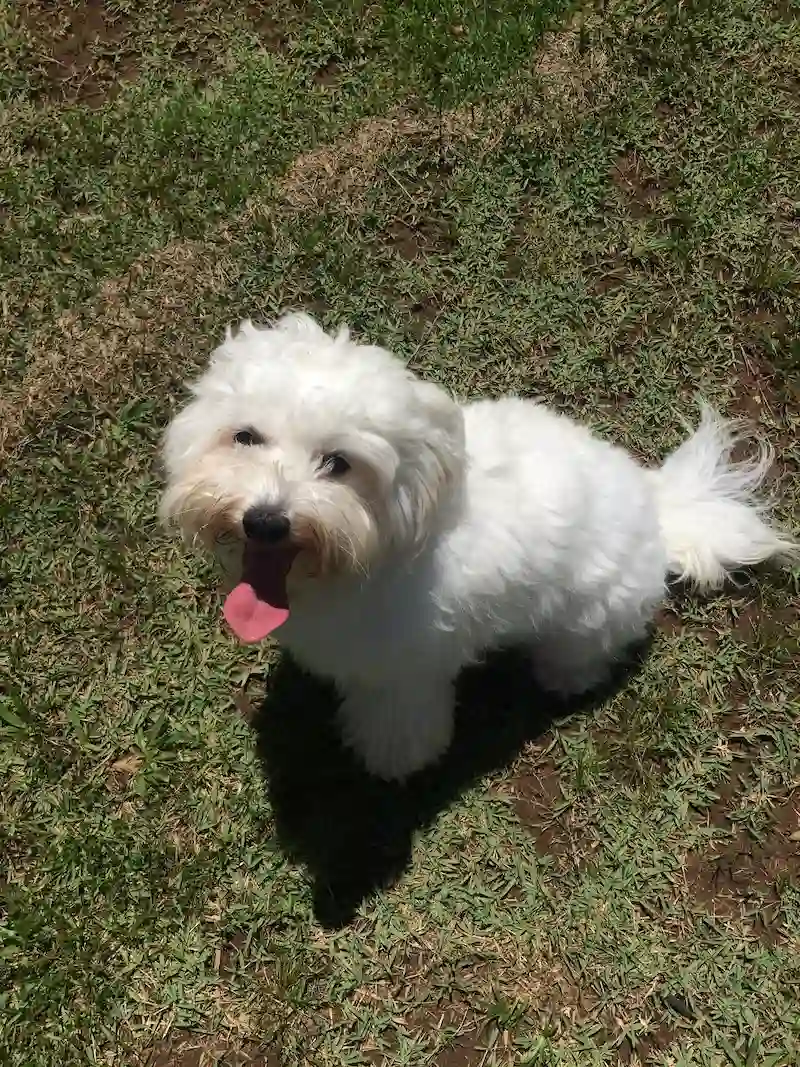 Murphy
 Valtersky
Meet Valtersky & Murphy
FOUNDER OF TEAM SKYTC
At SKYTC, Meet Valtersky & Murphy FOUNDER OF TEAM SKYTCAt SKYTC, cutting-edge pet technology meets real-world testing. We merge Murphy’s hands-on companion trials with Valtersky’s precise analysis—combining over 25 years of structural engineering background with health-tech experience.To guarantee reliability for all breeds, we collaborate with a trusted network of experienced large-breed tutors and active dog handlers who stress-test heavy-duty gear in rugged conditions. We raise the bar for review standards so your best friend gets only the safest, most functional, and highly reliable hardware on the market.
✨ Read also: (Best GPS Trackers for Weimaraners: Field-Tested Tech for High-Velocity Gun Dogs)
A deeply technical piece of content that perfectly complements this post — absolutely worth the read.