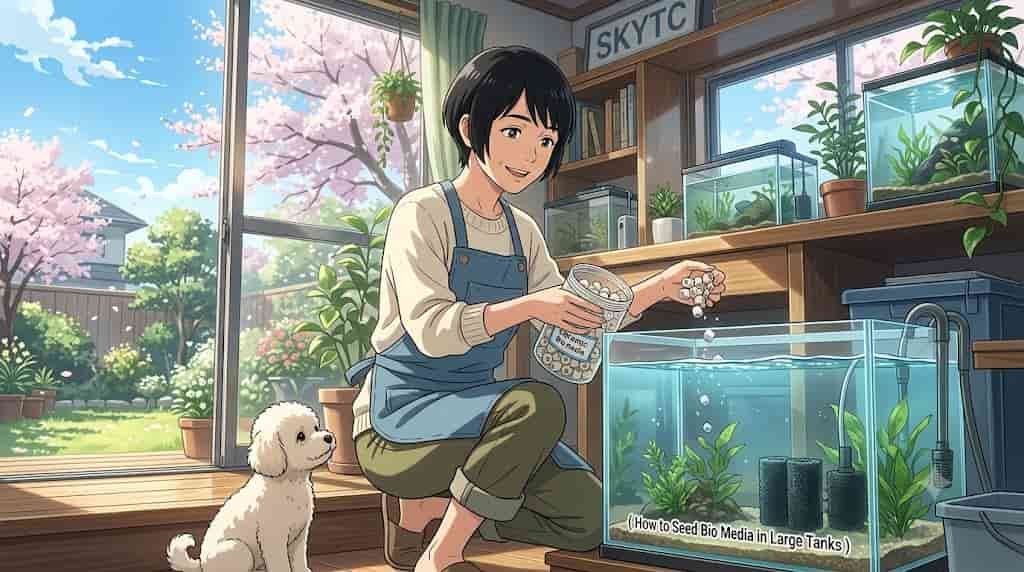
Staring at a massive, empty hundred-gallon tank while dumping bottles of mystery liquid bacteria into the water column is the ultimate exercise in hobbyist frustration. Learning how to seed bio media in large tanks is not some secret academic science—it is the single most critical tactical move you can make to skip weeks of agonizing ammonia spikes and prevent your prized fish from suffocating on their own waste.
Most beginners fall for the pet-shop fluff: they buy a giant aquarium, fill it with tap water, pour in a bottle of “instant cycle in a bottle” that spent six months cooking in a hot delivery truck, and dump five fancy goldfish inside forty-eight hours later. The result? Cloudy, foul-smelling water, toxic ammonia burns, clamped fins, and a bio-filter that is dead on arrival.
Mastering real biological seeding mechanics allows you to establish an instant, heavy-duty bacterial fortress inside your canister filters or sumps. Executing a proper media transfer saves you from devastating livestock wipeouts, protects your investment in high-performance equipment, and keeps your heavy-bioload aquarium bulletproof against parameters crashes for years.
In the 30-Second Summary: The Fishroom Desk Verdict
Look, here is the raw, unfiltered truth straight from my 100-gallon goldfish setup: liquid bacteria in a bottle is a hit-or-miss gamble at best, and useless dead water at worst. If you want a zero-risk, high-speed cycle in a large tank, you must physically transfer mature, gunk-covered bio-media (sintered glass rings, coarse sponges, or bio-matrices) directly from an established, disease-free donor aquarium into your new filter trays.
Your action plan is simple: secure at least twenty percent of your total bio-media volume from a healthy donor tank, keep it submerged in oxygenated aquarium water during transport, feed the colony pure ammonium chloride immediately, and never—ever—let raw tap water chlorine touch your seeded media. Stop trusting shelf-stable miracles and start moving real live nitrifying bacteria.
| Seeding Technology Category | Nitrifying Colony Transfer Speed | Ammonia Processing Capacity | Pathogen Transfer Risk | Battlefield Verdict |
|---|---|---|---|---|
| Established Sintered Glass / Ceramic Rings | Immediate (24 to 48 Hours) | Extreme (High Surface Area) | Moderate (Requires Vetted Donor) | The gold standard for seeding massive canister filters and sumps fast. |
| Mature Sponge Filter Companion Transfer | Rapid (48 to 72 Hours) | High (Mechanical + Biological) | Moderate (Requires Vetted Donor) | Unbeatable for instant biological stability in large quarantine or grow-out tanks. |
| Bottled Spore Bacteria + Pure Ammonia | Slow (7 to 21 Days) | Variable (Batch Quality Dependent) | Zero (Sterile Bottled Culture) | Acceptable backup when no clean donor aquarium is physically available. |
| Commercial Smooth Plastic Bio-Balls | Ultra-Slow (30+ Days) | Low (Poor Internal Porosity) | Zero (New Dry Component) | A waste of media tray space for submerged filtration; skip them entirely. |
Evaluating Bio-Media Seeding Methods: Battlefield Assessments
1. Established Sintered Glass & Ceramic Matrix Transfer
The Good: High-density sintered glass rings and porous ceramic matrices offer thousands of square feet of internal microscopic surface area per liter. Moving established rings from a healthy tank transfers millions of active *Nitrosomonas* and *Nitrospira* bacteria instantly.
The Bad: If the donor tank harbors hidden parasites like gill flukes (*Dactylogyrus*) or bacterial pathogens, you will move those diseases straight into your new large aquarium along with the beneficial bacteria.
2. Mature Sponge Filter Companion Seeding
The Good: Coarse open-cell foam sponges hold a massive volume of active nitrifying bacteria alongside beneficial detritus micro-fauna. Dropping a mature sponge filter into a new large tank provides immediate mechanical straining and biological conversion.
The Bad: Sponges clog rapidly if exposed to heavy solid waste without pre-filtration, choking off internal oxygen flow and killing the deep aerobic bacterial colonies inside the foam core.
3. Bottled Spore Cultured Bacteria
The Good: 100% sterile with zero risk of introducing wild parasites, fish tuberculosis, or unwanted pest snails into a pristine new setup.
The Bad: Extreme temperature sensitivity during warehouse storage and shipping often renders the bacterial spores dormant or completely dead before you even unscrew the bottle cap.
How to Seed Bio Media in Large Tanks: The Realities of the Battlefield
Pet shop brands love selling shiny plastic filter cartridges, decorative gravel, and shelf-stable bacteria bottles promising instant stocking.
BUT
Real-world aquatic biology proves that nitrifying bacteria are sticky, slow-multiplying sessile organisms that grow on solid surfaces, not free-swimming creatures living happily in clear water columns.
A single hundred-gallon tank holding heavy-bioload goldfish produces immense amounts of raw ammonia through fish gills and decaying waste. If you rely on smooth plastic bio-balls or thin polyester cartridges, there is simply not enough internal microscopic surface area for nitrifying colonies to expand, causing constant nitrite spikes that poison your livestock.
Building a resilient biological filtration system requires unyielding physical discipline, just like maintaining elite physical stamina for long-distance marathon running. If you try to fuel a long-distance runner on cheap processed sugar, artificial snacks, and empty chemical fillers, their physical stamina collapses, their digestive system inflames, and their body breaks down miles before the finish line. Conversely, fueling your physical engine with clean, nutrient-dense grass-fed meat and its natural fat supplies steady cellular energy, dense muscle power, and absolute physical endurance. Flimsy plastic cartridges and bottled liquid gimmicks act like junk food in your aquarium setup—they promise quick fixes but collapse under real waste loads. True porous bio-media seeded with live donor colonies provides the pure, unadulterated biological stamina your tank needs to process heavy waste continuously.
Water chemistry shock is another major point of field failure. Hobbyists often take established bio-media from a donor tank and dump it straight into a new aquarium with vastly different pH, GH, or temperature parameters, causing osmotic shock that wipes out the bacterial colony.
Even worse, rinsing mature bio-media under a tap running municipal treated water introduces chlorine and chloramines, instantly oxidizing and destroying the delicate cellular walls of your nitrifying bacteria within seconds.
Hypothetical Failure Scenario: The Tap Water Rinse Disaster
Consider a well-meaning hobbyist who sets up a new 100-gallon aquarium for a group of fancy goldfish. They wisely ask an experienced friend for a large bag of mature, highly porous ceramic bio-rings from a healthy, established canister filter.
The friend hands over a bag dripping with rich, brown biological gunk. Wanting the new filter to look spotless, the hobbyist takes the bag to the kitchen sink and thoroughly rinses the mature ceramic rings under hot, chlorinated tap water until every speck of brown detritus is washed down the drain.
The hobbyist places the freshly scrubbed rings into their new canister filter, adds five large goldfish, and assumes the tank is fully cycled. Within forty-eight hours, the chlorine exposure and hot water have killed 99% of the nitrifying bacteria. Ammonia levels skyrocket off the charts, the water turns milky white with a heterotrophic bacterial bloom, and the goldfish end up cowering at the bottom with severe gill burns.
The hobbyist did not suffer an unavoidable tragedy; they committed a classic execution error. By failing to understand that the “brown gunk” was the living bacterial colony and exposing it to raw tap water chlorine, they wiped out their biological defense system before it even started working.
👇 Looking for more performance cheats? Check out our field-tested tactical blueprints:
The Goldfish Ecosystem Blueprint
Complete your advanced technical training loop by exploring our core evergreen resources.
How to Feed Goldfish for Maximum Lifespan
A deep breakdown of digestive tract mechanics, bloating prevention, and premium sinking diets.
How to Maintain a 100 Gallon Goldfish Tank
Large-scale system parameters. Deep sand bed mechanics, nitrogen cycling, and bioload management.
Ultimate Guide to Goldfish Tank Filtration
Heavy-duty hardware configurations. Optimizing parallel canisters, bio-media setups, and automation.
Actionable Field Execution Checklist
- Execute how to seed bio media in large tanks by sourcing mature donor media.
Pro-Tip: Secure at least twenty to thirty percent of your total new filter volume in established porous media from a disease-free, fully cycled aquarium. - Transport seeded bio-media strictly in oxygenated, dechlorinated tank water.
Pro-Tip: Never let donor media dry out or sit in stagnant, un-aerated water for more than two hours during transfer to keep aerobic nitrifiers alive. - Match water temperature and pH between donor and target aquariums.
Pro-Tip: Large parameter swings cause osmotic shock to bacterial cell walls; acclimate donor media gradually if pH differs by more than 0.5 units. - Never allow municipal tap water chlorine or chloramines to touch seeded media.
Pro-Tip: Always use bucketed aquarium water squeezed from existing sponges to gently rinse excess solid muck off donor media before placement. - Feed the newly seeded colony pure ammonium chloride immediately.
Pro-Tip: If fish are not added right away, dose clear pharmaceutical-grade ammonia to 2.0 ppm daily to prevent the seeded bacterial colony from starving. - Maximize dissolved oxygen levels inside the new filter chamber.
Pro-Tip: Nitrifying bacteria require massive amounts of dissolved oxygen to convert ammonia to nitrite and nitrate; ensure strong surface agitation. - Position seeded media downstream of mechanical pre-filtration pads.
Pro-Tip: Place coarse and fine filter dental-floss pads ahead of your bio-trays to trap solid waste before it clogs the microscopic pores of your seeded media. - Maintain water temperatures between 75°F and 82°F during the seeding phase.
Pro-Tip: *Nitrosomonas* and *Nitrospira* bacteria reproduce significantly faster in warmer water; raise the heater temperature slightly during fishless seeding. - Use high-surface-area sintered glass or porous matrix media.
Pro-Tip: Avoid cheap plastic bio-balls in submerged canisters; choose media with documented internal porosity exceeding 500 square meters per liter. - Monitor parameters daily with a liquid master test kit during execution.
Pro-Tip: Track the rapid drop of ammonia into nitrite and the final conversion to nitrate to confirm your seeded media is actively processing waste. - Stock livestock gradually even after successful media seeding.
Pro-Tip: Add your fish population in controlled batches over a few weeks to allow the newly established bacterial colony time to expand to the bioload demand.
Dynamic No-Nonsense FAQ
How long does it take to cycle a large tank using seeded bio-media?
If you transfer a sufficient volume of mature donor media (20% to 30% of total filter capacity), a large tank can process full ammonia loads within 24 to 72 hours.
Can I seed new bio-media by dropping it into an existing tank’s sump?
Yes. Placing new porous bio-media into a mature aquarium’s sump or filter path for two to four weeks allows nitrifying bacteria to colonize it completely before moving it.
Is bottled bacteria completely useless for seeding large tanks?
Not completely, but it is unreliable. Heat exposure during shipping often kills live cultures, making physical media transfers vastly superior for large, high-bioload setups.
How do I know if the donor media I am using is safe?
Only source media from aquariums you know are completely free of active bacterial infections, fungal outbreaks, and stubborn parasites like *Ichthyophthirius* (Ich) or flukes.
Will beneficial bacteria die if the filter pump stops running?
Aerobic nitrifying bacteria begin dying off after two to three hours without water flow due to oxygen depletion inside sealed canister filters. Keep media aerated during power cuts.
Should I clean the brown slime off seeded bio-media before transferring it?
No. That brown detritus matrix is where the highest concentration of live nitrifying bacteria and beneficial micro-organisms reside. Only gently swish it in tank water if choked.
Can I use substrate or gravel from an old tank to seed a new one?
Yes, but substrate holds far less nitrifying bacteria per volume than porous sintered glass media. Place old gravel in a mesh bag inside your filter for easy removal later.
Why did my ammonia spike even though I used seeded bio-media?
You likely overloaded the system too quickly, exposed the media to chlorinated tap water during transfer, or experienced parameter shock (pH/temperature mismatch) that killed the colony.
🛡️ │ WHY TRUST SKYTC GOLDFISH CARE CURATION?
At SKYTC, we hold aquatic ecosystem biology and biological parameter handling to a rigorous standard. We are not an automated affiliate review engine; we apply hands-on tests and serious filtration engineering workflows to ensure every recommendation guarantees the health and maximum lifespan of your fish with absolute safety.
✓ Engineering:
Structural experience backed by heavy-duty filtration math, continuous hydraulic turnover metrics, and robust mechanical support for large-scale coldwater systems.
✓ Expertise:
Focuse on preventative biological husbandry and premium nutrition. Thoroughly auditing biological media, sinking feeds, and elements that completely neutralize ammonia spikes.
✓ Authority:
Curation signed by real keepers running a balanced 100-gallon display ecosystem for over 8 years, pairing daily practical benchwork with direct wholesale breeder insights.
✓ Trust:
Product selections built on unfiltered transparency—exposing actual electrical draws, heat dissipation issues, and hidden costs before any Amazon recommendations.
📸 Our Journey in the Real World
From daily living room tank turn rates to macro-scale breeding setups.
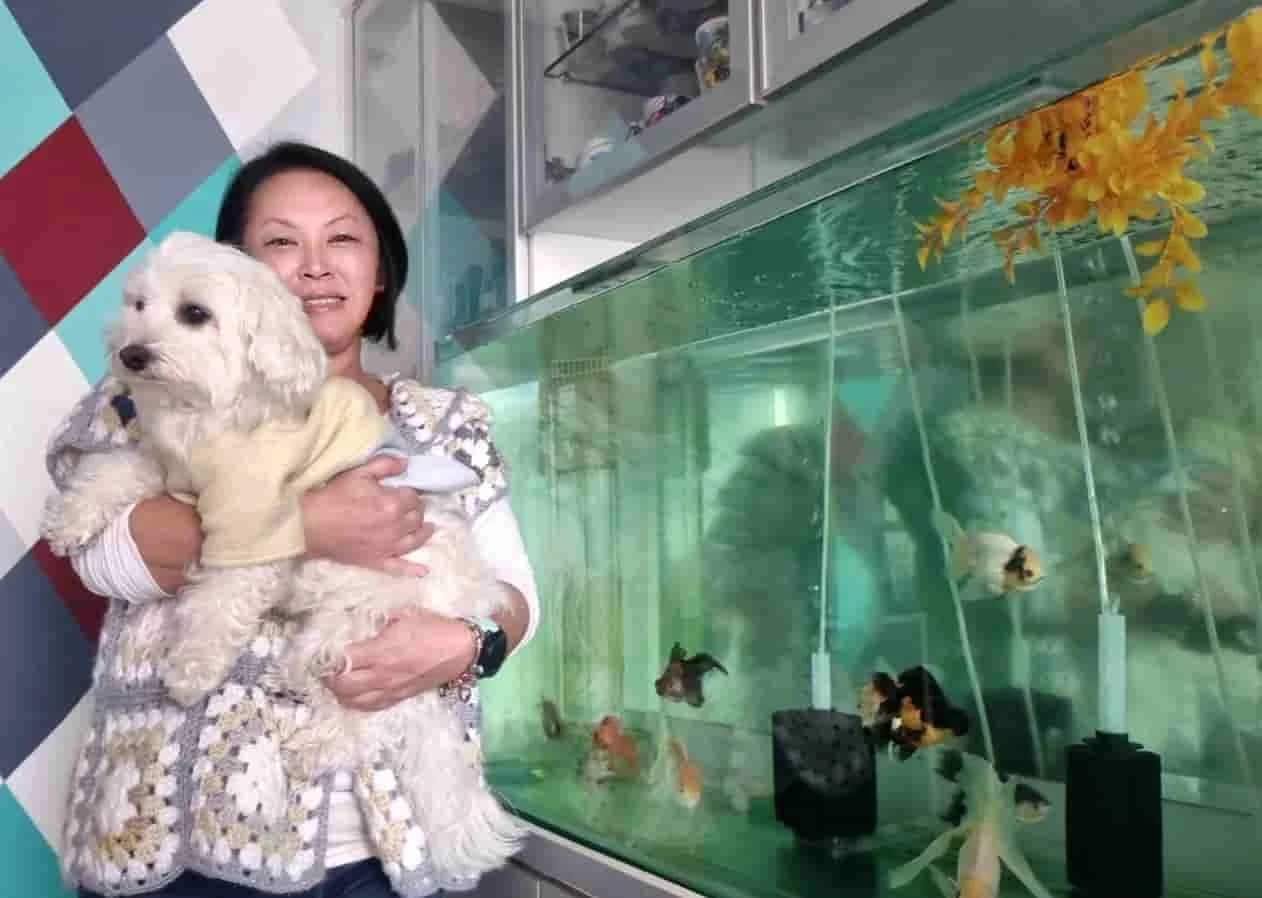
🏠 The 100G Lab
Where we torture test every hardware option, pellet line, and filter layout live.
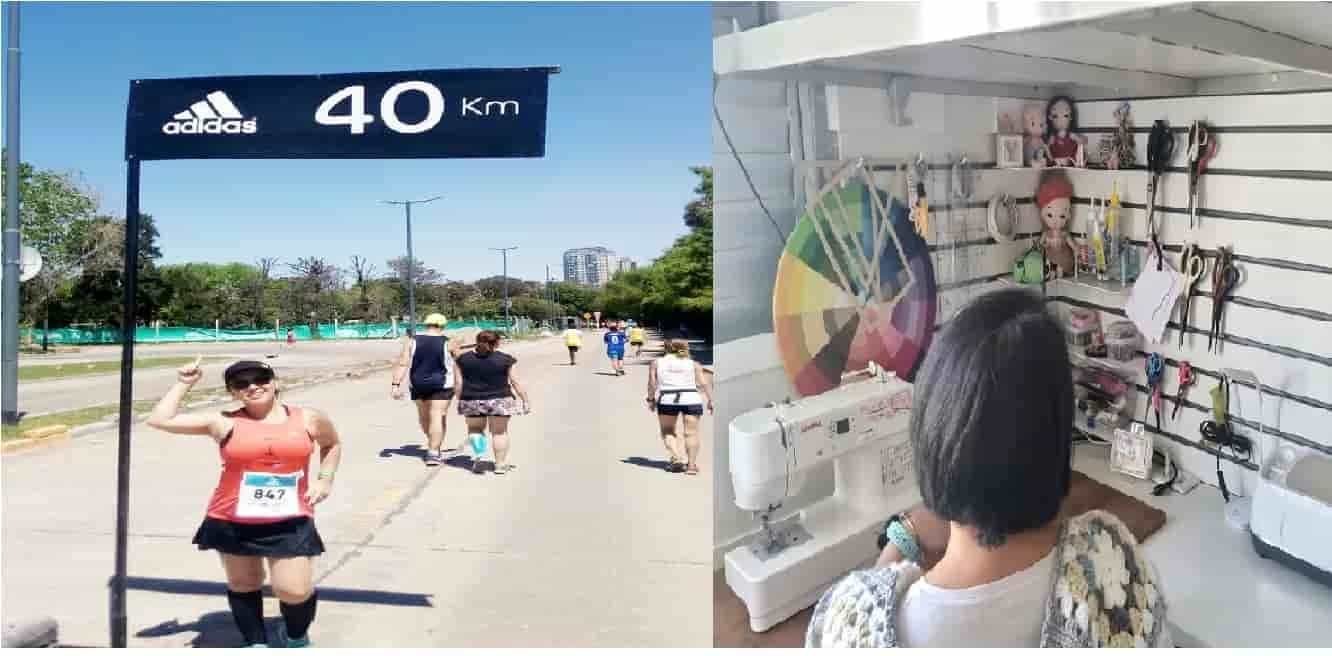
🏃♀️ Grit & Eye
Marathon endurance meets the precise, millimeter structural focus of a seamstress.
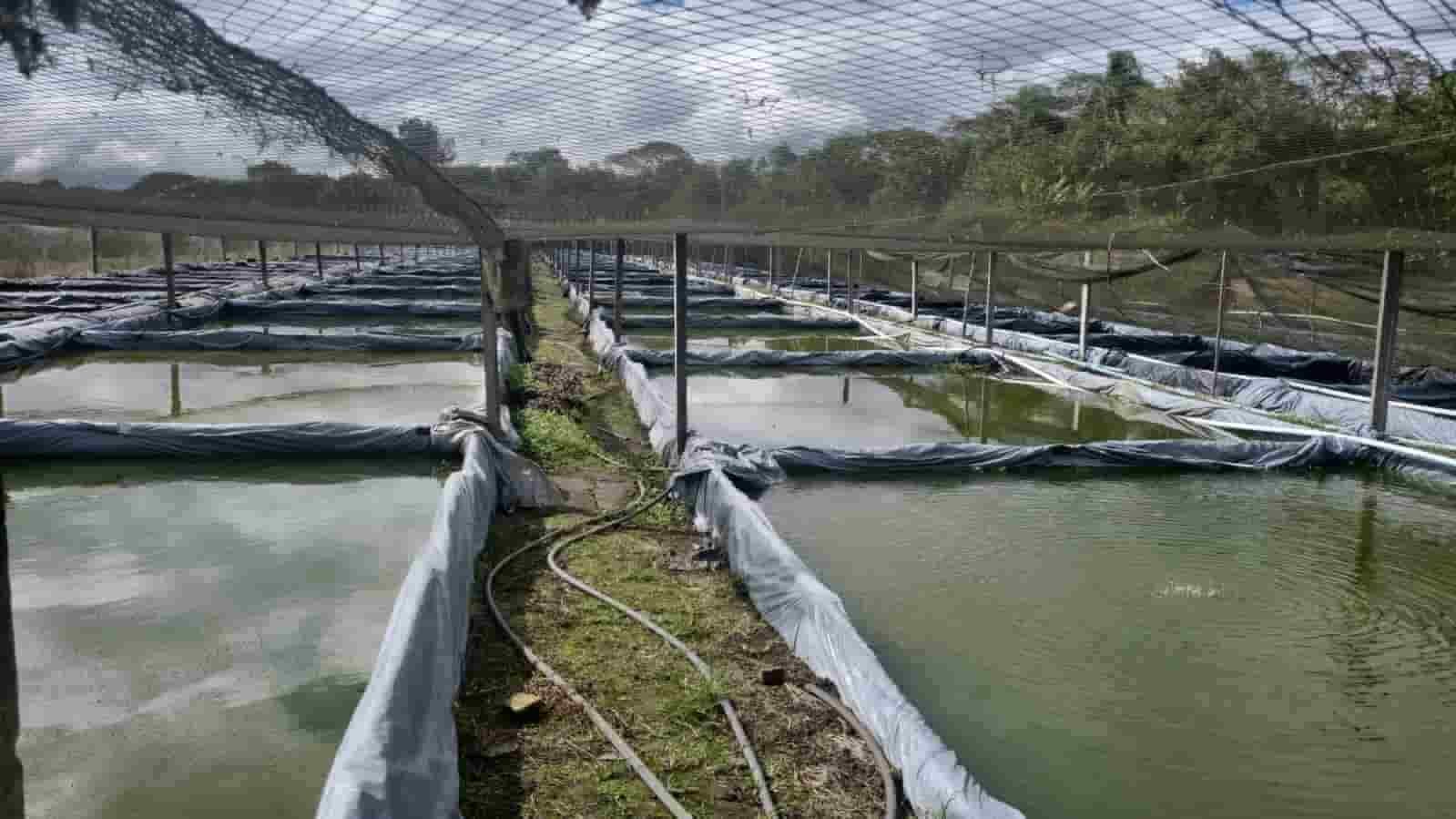
🐳 Monster Vats
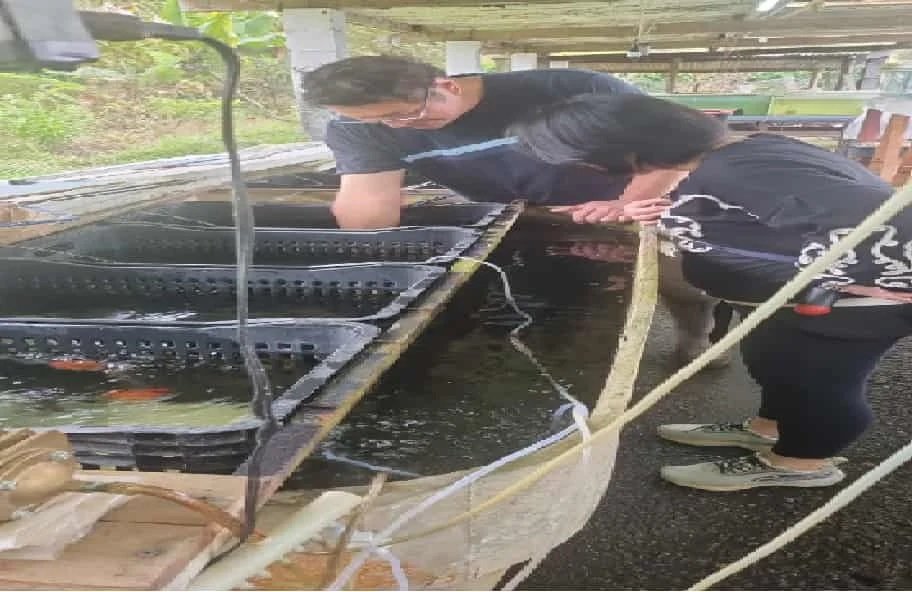
Analyzing massive continuous turnovers inside large open-air mud farm vats.
🤝 True Alliances
Working hand-in-hand with regional facility operations to target elite fancy bloodlines.
✨ Read also: Using Ammonia to Cycle Goldfish Tanks: Systems Architect’s Bio-Mechanical Field Blueprint
> A deeply technical piece of content that perfectly complements this post — absolutely worth the read.