
Facing nitrite spikes in large goldfish tanks is a brutal rite of passage that leaves even experienced keepers staring at gasping fish in sheer panic. You walk up to your display tank, notice your prized fancy goldfish hovering near the surface or lying limply on the bottom, and your test tube turns an alarming shade of deep purple.
The sheer volume of waste produced by heavy-bioload fish in a 400-liter setup can overwhelm your biological filtration before you even realize what happened. Nitrite binds to hemoglobin in fish blood, turning it into methemoglobin and starving their tissues of oxygen—literally suffocating them in crystal-clear water.
I have spent 8 years maintaining a heavy 100-gallon goldfish display while balancing a career as a professional seamstress and training for long-distance runs; I do not have time for fluffy pet-store myths or useless chemical Band-Aids. Master this tactical recovery protocol and you will save your livestock, protect your biological cycle, and regain complete peace of mind without burning out or wasting money.
30-Second Tech Support Summary (Read This If Your Fish Are Dying Right Now)
Stop panicking and execute immediate triage. Nitrite is a silent killer that binds to fish blood. Drop feeding completely right now. Perform a 50% water change with temperature-matched, dechlorinated water. Add pure sodium chloride (aquarium salt) at a ratio of 1 gram per liter to block nitrite uptake at the gills. Boost aeration to maximum with heavy-duty air stones. Do not touch your bio-media, do not swap out filter pads, and do not waste money on miracle bottled solutions that turn into sludge. Follow the field checklist below to stabilize your system permanently.
Why Large Systems Collapse Under Heavy Bioloads
Goldfish are absolute waste factories. Unlike slim tropical fish, goldfish lack a true stomach, meaning food passes quickly through their digestive tract and results in massive metabolic output.
When you feed low-grade carbohydrate fillers found in bargain-bin flakes, fish expel massive amounts of solid waste and ammonia. Conversely, when you feed high-purity gel foods packed with real meat and natural animal fat, the fish digest nutrients far more efficiently, drastically reducing metabolic waste and keeping the nitrogen cycle stable.
Ammonia gets converted into nitrite by Nitrosomonas bacteria. The second phase of the cycle relies on slow-growing Nitrospira bacteria to convert toxic nitrite into relatively harmless nitrate.
These nitrite-oxidizing bacteria grow significantly slower than ammonia-eaters. In a large setup, a sudden increase in feeding, a stalled canister filter, or cleaning bio-media in tap water wipes out these fragile colonies, triggering an aggressive, lethal spike.
Battlefield Assessment: Emergency Mitigation Gear
Here is an honest breakdown of the gear and strategies available when your biological filtration collapses under pressure.
| Emergency Gear / Strategy | Primary Function | Efficiency Rating | The Good | The Bad |
|---|---|---|---|---|
| Sodium Chloride (Aquarium Salt) | Blocks nitrite toxicity at gill receptor sites | High | Instantly prevents brown blood disease without killing beneficial bacteria. | Does not lower actual test kit nitrite levels; requires precise dosage math. |
| Concentrated Water Conditioners | Temporarily binds nitrite molecules for 24-48 hours | Moderate | Buys critical time for livestock during peak emergency spikes. | Creates a false sense of security; does not fix the biological failure. |
| Sintered Glass Bio-Media | Provides massive surface area for beneficial bacteria | High | Houses massive colonies of slow-growing nitrite-oxidizing nitrifiers. | Easily gets clogged with heavy detritus if mechanical pre-filtration fails. |
| Bottled Nitrifying Bacteria | Introduces live bacterial cultures into the system | Variable | Can speed up biological recovery after a catastrophic crash. | Bargain-bin bottles often contain dead cultures from poor warehouse storage. |
| High-Output Commercial Air Pumps | Maximizes dissolved oxygen levels in water | Critical | Directly offsets tissue hypoxia caused by blood-bound nitrite toxins. | Adds operational noise and causes surface water splashing if unmanaged. |
How to Stop Nitrite Spikes in Large Goldfish Tanks Before They Kill
When you spot elevated readings on your liquid test kit, seconds count. The single biggest mistake beginners make is panicking and flushing out their entire filtration system under hot tap water.
Chlorine and chloramines in tap water instantly sanitize whatever remaining Nitrospira colonies you have left. That turns a manageable bump in the road into total biological nuclear fallout.
Instead, employ the ultimate lab macete: chloride ions. Common sodium chloride (pure aquarium salt or non-iodized food-grade salt) is the single most effective shield against nitrite poisoning.
Chloride ions compete directly with nitrite ions at the fish’s gill lamellae. By maintaining a 10:1 ratio of chloride to nitrite, you completely block nitrite from entering the bloodstream, effectively neutralizing its lethality while your biological filter catches up.
The Realities of the Battlefield
High-end canister filters are marketed as heavy-duty powerhouses capable of handling massive 100-gallon display tanks with zero effort. They feature whisper-quiet impellers, multi-stage media baskets, and impressive turnover rates on paper.
BUT…
The hard negative reality is that goldfish detritus acts like wet cement inside closed canister trays. The moment mechanical fine pads get saturated with solid waste, water bypasses the media trays entirely, choking off oxygen to your bio-media and suffocating the slow-growing nitrite-converting bacteria in a matter of hours.
Chemical additives promising an “instant cycle within 24 hours” are another toxic trap that catches desperate keepers. While they sound amazing in pet-shop advertisements, many budget bottles contain dormant heterotrophic bacteria rather than true autotrophic nitrifiers, leading to massive bacterial blooms that strip oxygen out of the water column and accelerate fish suffocation.
👇 Looking for more performance cheats? Check out our field-tested tactical blueprints:
The Goldfish Ecosystem Blueprint
Complete your advanced technical training loop by exploring our core evergreen resources.
How to Feed Goldfish for Maximum Lifespan
A deep breakdown of digestive tract mechanics, bloating prevention, and premium sinking diets.
How to Maintain a 100 Gallon Goldfish Tank
Large-scale system parameters. Deep sand bed mechanics, nitrogen cycling, and bioload management.
Ultimate Guide to Goldfish Tank Filtration
Heavy-duty hardware configurations. Optimizing parallel canisters, bio-media setups, and automation.
Hypothetical Failure Scenario: The Clean Freak Disaster
Let us walk through a classic scenario I see all too often in the hobby. Meet Dave. Dave owns a beautiful 100-gallon tank with four massive Orandas.
Dave notices his tank looks a bit cloudy on a Sunday afternoon. Wanting to give his fish a pristine environment, he decides to perform a massive deep clean.
He drags his canister filter to the kitchen sink, rinses all the ceramic rings directly under scalding tap water until they shine like new, scrubs down the glass walls with a harsh sponge, and replaces every single filter pad simultaneously.
To reward his fish, Dave dumps a double portion of cheap flake food into the tank. By Tuesday evening, his goldfish are sitting at the bottom, gasping heavily, with dark, inflamed gills. Dave tests his water and finds ammonia at zero, but nitrite is off the charts. Dave just wiped out his entire biological engine in under twenty minutes.
Practical Execution Field Checklist
- Neutralize nitrite spikes in large goldfish tanks using aquarium salt.
Expert Tip: Calculate a 0.1% salt concentration (1 gram per liter) to immediately block nitrite absorption at the gill lamellae without stressing freshwater fish. - Stop feeding all goldfish immediately during an active spike.
Expert Tip: Healthy adult goldfish can comfortably fast for several days; halting food eliminates new ammonia production at the absolute source. - Perform a 50 percent emergency water change with temperature-matched water.
Expert Tip: Always match the incoming water temperature within one degree to avoid thermal shock, which severely weakens compromised fish. - Increase tank aeration using heavy-duty air stones immediately.
Expert Tip: Nitrite reduces blood oxygen capacity, so maximizing surface agitation helps fish extract every bit of available dissolved oxygen. - Dose a concentrated tap water conditioner to bind toxins.
Expert Tip: Quadrupling the standard dose of a quality conditioner detoxifies nitrite for up to 48 hours while your biological filter catches up. - Rinse dirty filter media only in drained aquarium water.
Expert Tip: Never use tap water; the chlorine instantly decimates slow-growing Nitrospira colonies crucial for converting nitrite into nitrate. - Feed high-protein gel food made with real meat and natural fat.
Expert Tip: Diets high in quality meat and natural fat produce dense waste that settles quickly, preventing filter clogging and biological crashes. - Install coarse pre-filter sponges on all filter intake tubes.
Expert Tip: Pre-filters trap heavy solid waste before it reaches your bio-media, preventing anaerobic dead zones inside canister filters. - Monitor nitrite parameters twice daily using liquid master test kits.
Expert Tip: Paper test strips are notoriously inaccurate; liquid reagents give you precise color readings needed for emergency decision-making. - Add high-density sintered glass media to expand bacterial habitat.
Expert Tip: Sintered glass provides thousands of square feet of biological surface area per liter, far outperforming cheap plastic bio-balls. - Maintain steady water temperature to support bacterial metabolism.
Expert Tip: Beneficial nitrifying bacteria multiply fastest between 75°F and 82°F; cold water significantly slows down biological recovery times.
Dynamic No-Nonsense FAQ
Can nitrite spikes kill goldfish in a matter of hours?
Yes. High nitrite levels destroy the oxygen-carrying capacity of blood. If levels spike drastically and aeration is low, heavy-bioload fish will suffocate rapidly.
Why is my nitrite high but my ammonia is zero?
Your ammonia-oxidizing bacteria are working fine, but your nitrite-oxidizing bacteria are slacking or depleted. Nitrite oxidizers reproduce much slower, creating an inevitable backlog of toxic nitrite.
Should I throw away dirty biological filter media during a spike?
Absolute suicide move. Throwing away media means throwing away whatever living nitrifiers you have left. Swapping media during a spike turns a temporary bump into a total system reboot.
Are bottled bacteria products a complete waste of money?
Most low-tier bottled bacteria are pure junk filled with dead biomass from sitting on hot delivery trucks. Unless you buy fresh, refrigerated, proven bacterial cultures, save your cash and rely on salt, water changes, and patience.
How long does it take for a nitrite spike to resolve?
Anywhere from 4 days to 3 weeks depending on water temperature, bioload, and how badly the bacterial colony was damaged. Be patient, change water daily, and do not reintroduce food too early.
Will aquarium salt harm my bio-filter or goldfish?
No. Low-dose sodium chloride (0.1% to 0.3%) is completely safe for goldfish and does not harm nitrifying bacteria. It is the cheapest, most reliable tactical cheat code against nitrite poisoning.
Are chemical water-clearing resins worth buying for nitrite drops?
Total waste of hard-earned cash. Ion-exchange resins saturate in minutes in hard water and do nothing to establish long-term biological stability. Stick to proper filtration maintenance and water changes.
Does feeding floating flake food make nitrite spikes worse?
Absolutely. Flake foods crumble, dissolve quickly, and are packed with cheap carbohydrate fillers that goldfish cannot digest. Unabsorbed fillers rot rapidly in substrate, releasing massive organic waste loads into the water column.
🛡️ │ WHY TRUST SKYTC GOLDFISH CARE CURATION?
At SKYTC, we hold aquatic ecosystem biology and biological parameter handling to a rigorous standard. We are not an automated affiliate review engine; we apply hands-on tests and serious filtration engineering workflows to ensure every recommendation guarantees the health and maximum lifespan of your fish with absolute safety.
✓ Engineering:
Structural experience backed by heavy-duty filtration math, continuous hydraulic turnover metrics, and robust mechanical support for large-scale coldwater systems.
✓ Expertise:
Focuse on preventative biological husbandry and premium nutrition. Thoroughly auditing biological media, sinking feeds, and elements that completely neutralize ammonia spikes.
✓ Authority:
Curation signed by real keepers running a balanced 100-gallon display ecosystem for over 8 years, pairing daily practical benchwork with direct wholesale breeder insights.
✓ Trust:
Product selections built on unfiltered transparency—exposing actual electrical draws, heat dissipation issues, and hidden costs before any Amazon recommendations.
📸 Our Journey in the Real World
From daily living room tank turn rates to macro-scale breeding setups.
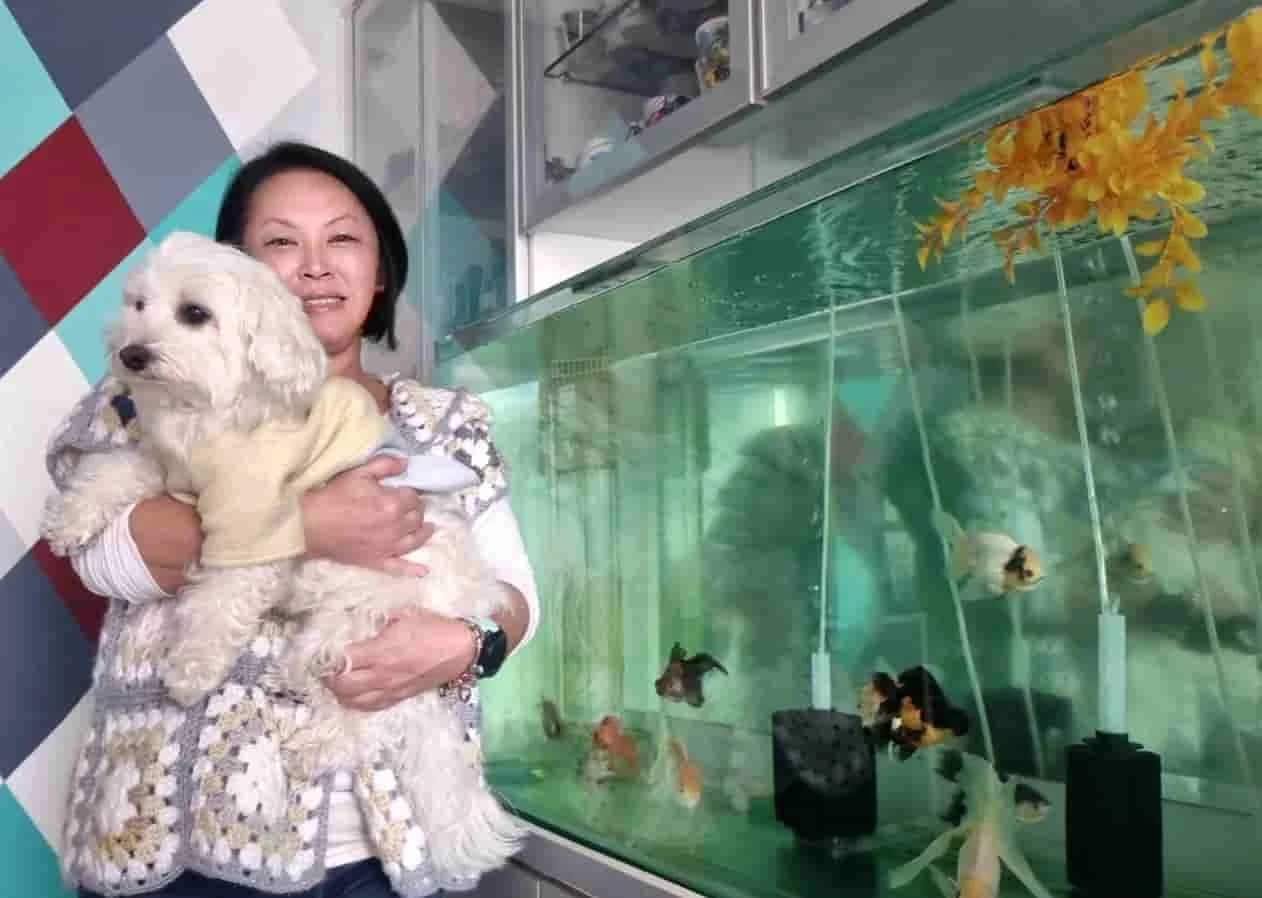
🏠 The 100G Lab
Where we torture test every hardware option, pellet line, and filter layout live.

🏃♀️ Grit & Eye
Marathon endurance meets the precise, millimeter structural focus of a seamstress.
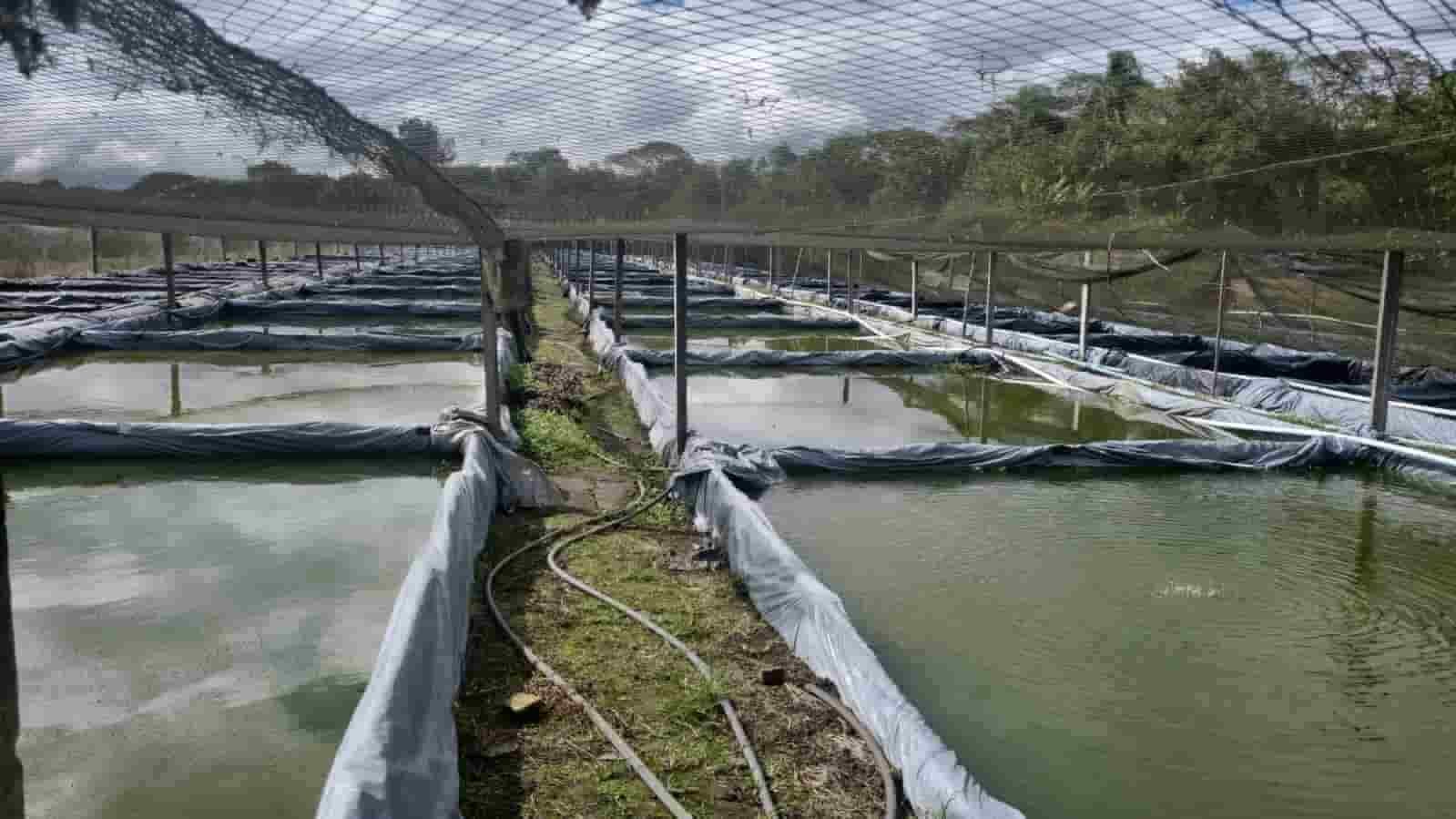
🐳 Monster Vats
Analyzing massive continuous turnovers inside large open-air mud farm vats.
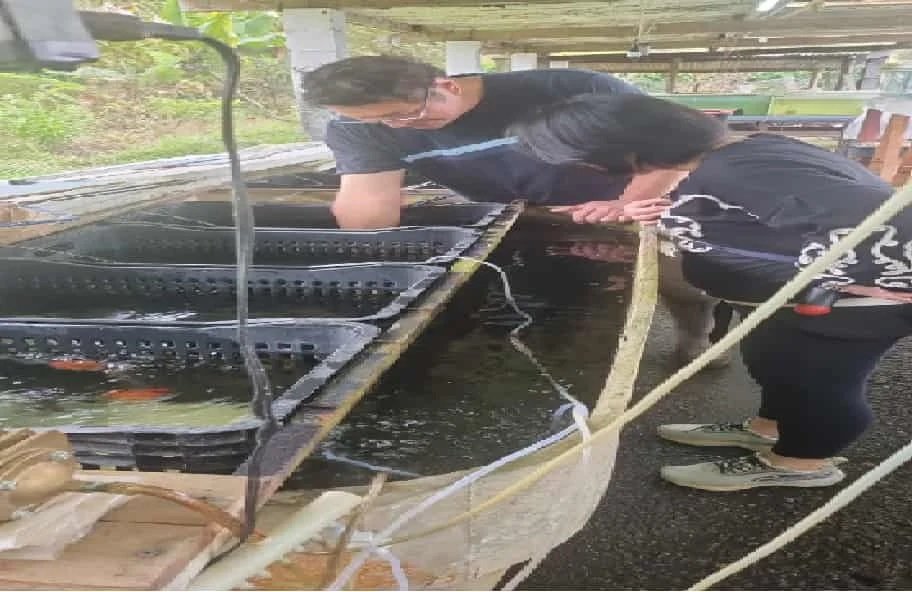
🤝 True Alliances
Working hand-in-hand with regional facility operations to target elite fancy bloodlines.
✨ Read also: How to Seed Bio Media in Large Tanks: The Unfiltered Bio-Filter Blueprint
A deeply technical piece of content that perfectly complements this post — absolutely worth the read.