
Learning how to clean sump filter socks fast is the difference between enjoying a sparkling 100-gallon display tank and contemplating throwing your entire setup out the window. You walk into your living room, hear the ominous gurgling of a flooded sump basin, and find dirty, foul-smelling filter socks overflowing waste back into your biological chamber.
Standard mechanical filter socks act like fine-mesh traps, pulling heavy fish waste, uneaten food, and detritus out of your water column before it breaks down into liquid ammonia. But when those socks clog every 48 hours, standing over a utility sink with a garden hose for 45 minutes becomes an exhausting nightmare that drains all the fun out of the hobby.
As a professional seamstress and long-distance runner maintaining a heavy 100-gallon goldfish display for 8 continuous years, I do not have time for slow hand-scrubbing or useless pet-shop tricks. Master this field-tested, rapid cleaning protocol to batch-clean filter socks in minutes, save your household washing machine, and keep your aquarium crystal clear effortlessly.
30-Second Tech Support Counter Talk (Cut The Fluff Verdict)
Stop hand-scrubbing individual filter socks under tap water—it is a massive waste of time and leaves deep organic waste trapped in the fabric weave. The fastest, most hygienic way to clean sump filter socks is batch washing in a dedicated washing machine cycle. Collect 10 to 15 dirty socks in a dry bucket, turn them inside out, and run a hot water cycle with standard unscented household bleach (zero detergents, softeners, or fragrances). Run a secondary rinse cycle with a double dose of aquarium dechlorinator, then air-dry completely. Keep at least two full rotation sets on hand so you can swap dirty socks in 10 seconds flat.
How to Clean Sump Filter Socks Fast: Fabrics, Microns, and Waste Dynamics
Before you start cleaning, you must understand how filter sock materials interact with aquatic waste. Filter socks are primarily manufactured from two distinct materials: felt and nylon mesh.
Nylon Mesh Socks feature a smooth, woven plastic thread structure. They are extremely easy to rinse under a faucet in 30 seconds, but they only trap coarse particles (200 to 400 microns). Fine organic silt passes right through them, leaving your display water slightly hazy.
Felt Socks use a dense, 3D fiber network that traps ultra-fine particulate matter down to 100 or 200 microns, producing polished, crystal-clear water. However, felt acts like a sponge for bacterial slime and organic waste, trapping detritus deep within its core where simple faucet pressure cannot reach it.
Your fish’s diet directly impacts how fast felt socks blind and clog. When you feed low-grade carbohydrate flakes filled with wheat fillers, the food disintegrates into microscopic sludge that blinds felt pores within 24 hours. Conversely, feeding high-protein gel food made with real meat and natural animal fat creates firm, cohesive waste that gets captured cleanly in 200-micron felt without melting into micro-sludge.
Battlefield Assessment: Filter Sock Cleaning Methods
To clean socks efficiently without damaging fabric seams or poisoning your livestock, evaluate the operational trade-offs of each cleaning method.
| Cleaning Method | Turnaround Time | Labor Intensity | The Good | The Bad |
|---|---|---|---|---|
| Washing Machine Bleach Batch Cycle | 45 Minutes | Ultra Low | Thoroughly sterilizes deep felt pores and strips organic waste completely. | Requires a dedicated cycle and double dechlorinator rinse to ensure fish safety. |
| High-Pressure Outdoor Hose Blast | 10 Minutes | High | Fast physical detritus removal without using chemical bleach agents. | Messy outdoor water spray; fails to dissolve deep bacterial bio-films inside felt. |
| Manual Bucket Soak & Scrub | 30 Minutes | High | Safe for small setups with zero risk of household washing machine cross-contamination. | Highly labor-intensive; leaves residual organic matter buried in fabric fibers. |
| Hydrogen Peroxide Wash Cycle | 60 Minutes | Low | Non-toxic oxidation that breaks down organic waste without harsh chlorine smells. | More expensive tier investment over time; slower oxidation speed than pure bleach. |
| Pressure Washer Jet Cleaning | 5 Minutes | Moderate | Blasts away 100% of visible detritus in seconds through pure kinetic force. | Can tear thin felt seams or ruin low-grade plastic retaining rings if aimed too close. |
The Realities of the Battlefield
Modern 100-micron felt filter socks are praised in high-end saltwater and freshwater aquaristics for crystal-clear water clarity, pulling invisible particulate matter out of the water column with incredible precision.
BUT…
The hard negative reality is that fine 100-micron felt socks blind completely within 24 to 36 hours when processing heavy-bioload fish waste. Once blinded, filthy water overflows over the plastic ring, dumping concentrated sludge straight into your biological chamber and transforming your high-end sump into a foul-smelling septic pit.
Bargain-bin filter socks constructed with glued seams rather than heavy industrial stitching are another failure point. The moment you place cheap glued socks into a washing machine or hit them with water pressure, the seams split open, letting un-filtered waste bypass your mechanical stage entirely.
Hypothetical Failure Scenario: Dave’s Scented Detergent Disaster
Let us walk through a classic scenario I see all too often in the hobby. Meet Dave. Dave owns a 100-gallon display tank and gets tired of his sump socks overflowing every two days.
Wanting to clean his filter socks fast, Dave tosses four dirty felt socks into his family washing machine along with his daily laundry. To make sure they “smell fresh,” Dave adds a heavy scoop of scented laundry detergent and fabric softener.
After the wash cycle finishes, Dave pulls out the bright white socks and immediately snaps them back into his sump filter. Within 15 minutes, synthetic surfactants and fragrance chemicals dissolve into his water column.
His return pump blasts chemical foam throughout his 100-gallon display. His fancy goldfish begin swimming erratically, gasping at the surface as chemical surfactants destroy their delicate mucous membranes and gill linings. Dave destroyed his entire display ecosystem in a matter of minutes because he used household laundry additives on aquatic filtration gear.
👇 Looking for more performance cheats? Check out our field-tested tactical blueprints:
The Goldfish Ecosystem Blueprint
Complete your advanced technical training loop by exploring our core evergreen resources.
How to Feed Goldfish for Maximum Lifespan
A deep breakdown of digestive tract mechanics, bloating prevention, and premium sinking diets.
How to Maintain a 100 Gallon Goldfish Tank
Large-scale system parameters. Deep sand bed mechanics, nitrogen cycling, and bioload management.
Ultimate Guide to Goldfish Tank Filtration
Heavy-duty hardware configurations. Optimizing parallel canisters, bio-media setups, and automation.
Practical Execution Field Checklist
- Learn how to clean sump filter socks fast using batch washing.
Expert Tip: Collecting 10 to 15 dirty socks in a dry bucket allows you to run efficient weekly machine cycles instead of daily hand-washing. - Turn filter socks inside out before starting any wash cycle.
Expert Tip: Exposing the inner felt lining ensures water pressure and bleach directly contact buried organic detritus and bacterial slime. - Use standard unscented household bleach without additives.
Expert Tip: Pure sodium hypochlorite dissolves organic waste and oxidizes pathogens rapidly without leaving dangerous chemical residues. - Never add laundry detergents or scented fabric softeners.
Expert Tip: Synthetic surfactants coat felt fibers and poison aquatic life instantly when reintroduced to the aquarium sump. - Run a secondary rinse cycle with liquid water dechlorinator.
Expert Tip: Dosing a double portion of tap water conditioner during the final rinse neutralizes residual chlorine traces completely. - Select 200-micron felt socks for heavy-bioload goldfish displays.
Expert Tip: 200-micron felt provides the optimal balance between micro-particle trapping and operational run-time before overflowing. - Feed high-protein gel foods made with real meat and natural fat.
Expert Tip: Diets high in quality meat and natural fat produce firm waste that drops cleanly into socks without dissolving into micro-sludge. - Air-dry washed filter socks completely before storing them.
Expert Tip: Allowing socks to dry thoroughly for 48 hours evaporates any trace chlorine gas remnants lingering in the deep fabric mesh. - Maintain a three-set rotation of filter socks at all times.
Expert Tip: Having clean spare sets ready allows you to perform 10-second sock swaps during routine daily checks without delay. - Rinse heavy solid detritus outdoors before machine washing.
Expert Tip: Blasting off large waste clumps with a garden hose prevents sand and heavy sludge from clogging your washing machine pump. - Inspect plastic retaining rings for cracks or structural warping.
Expert Tip: Cracked plastic rings allow dirty water to bypass filter socks entirely, polluting downstream biological media.
Dynamic No-Nonsense FAQ
Can I wash sump filter socks in my regular washing machine?
Yes, provided you use zero detergent, zero fabric softener, and only plain, unscented household bleach. Always run an extra rinse cycle with water dechlorinator before air drying.
Is bleach safe to use when cleaning aquarium filter socks?
辦It is completely safe if done correctly. Bleach (sodium hypochlorite) breaks down rapidly into harmless salt and water as it dries, and neutralizes instantly with standard tap water dechlorinators.
How often should I change filter socks in a 100-gallon tank?
Swap filter socks every 2 to 4 days, or the moment water begins rising to the top edge of the plastic ring. Letting socks overflow dumps concentrated rotting waste into your bio-chamber.
Are mesh filter socks better than felt filter socks?
Mesh socks are much easier to rinse by hand under a faucet, but they only trap large particles. Felt socks capture fine micro-detritus for polished water, but require machine washing to unclog deep pores.
Why do my clean filter socks cause micro-bubbles in my display tank?
Residual air trapped inside dry felt fibers releases micro-bubbles into the sump flow. Submerge new or dry socks in a bucket of tank water for two minutes before placing them into your sump holders.
Can I use vinegar instead of bleach to clean filter socks?
Vinegar dissolves mineral deposits, but it fails to dissolve deep organic fish waste and bacterial slime. Plain unscented bleach is far superior for stripping organic matter from felt fibers.
What happens if I forget to dechlorinate washed filter socks?
Residual chlorine trapped in the felt will leach into your sump, destroying beneficial nitrifying bacteria colonies and causing a dangerous ammonia spike in your display tank.
Is a pressure washer safe for cleaning felt filter socks?
Pressure washers clean fast, but holding the nozzle closer than 12 inches can rip felt seams and destroy plastic retaining rings. Stick to washing machine batch cycles for fabric longevity.
🛡️ │ WHY TRUST SKYTC GOLDFISH CARE CURATION?
At SKYTC, we hold aquatic ecosystem biology and biological parameter handling to a rigorous standard. We are not an automated affiliate review engine; we apply hands-on tests and serious filtration engineering workflows to ensure every recommendation guarantees the health and maximum lifespan of your fish with absolute safety.
✓ Engineering:
Structural experience backed by heavy-duty filtration math, continuous hydraulic turnover metrics, and robust mechanical support for large-scale coldwater systems.
✓ Expertise:
Focuse on preventative biological husbandry and premium nutrition. Thoroughly auditing biological media, sinking feeds, and elements that completely neutralize ammonia spikes.
✓ Authority:
Curation signed by real keepers running a balanced 100-gallon display ecosystem for over 8 years, pairing daily practical benchwork with direct wholesale breeder insights.
✓ Trust:
Product selections built on unfiltered transparency—exposing actual electrical draws, heat dissipation issues, and hidden costs before any Amazon recommendations.
📸 Our Journey in the Real World
From daily living room tank turn rates to macro-scale breeding setups.

🏠 The 100G Lab
Where we torture test every hardware option, pellet line, and filter layout live.
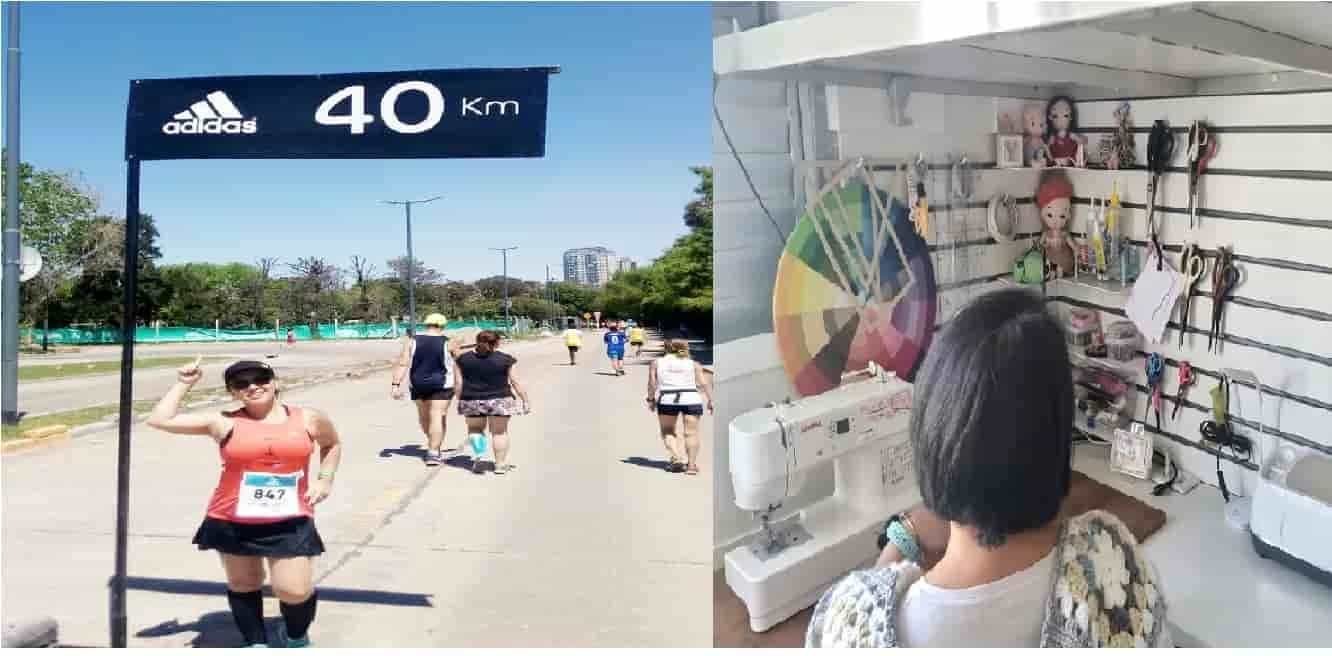
🏃♀️ Grit & Eye
Marathon endurance meets the precise, millimeter structural focus of a seamstress.
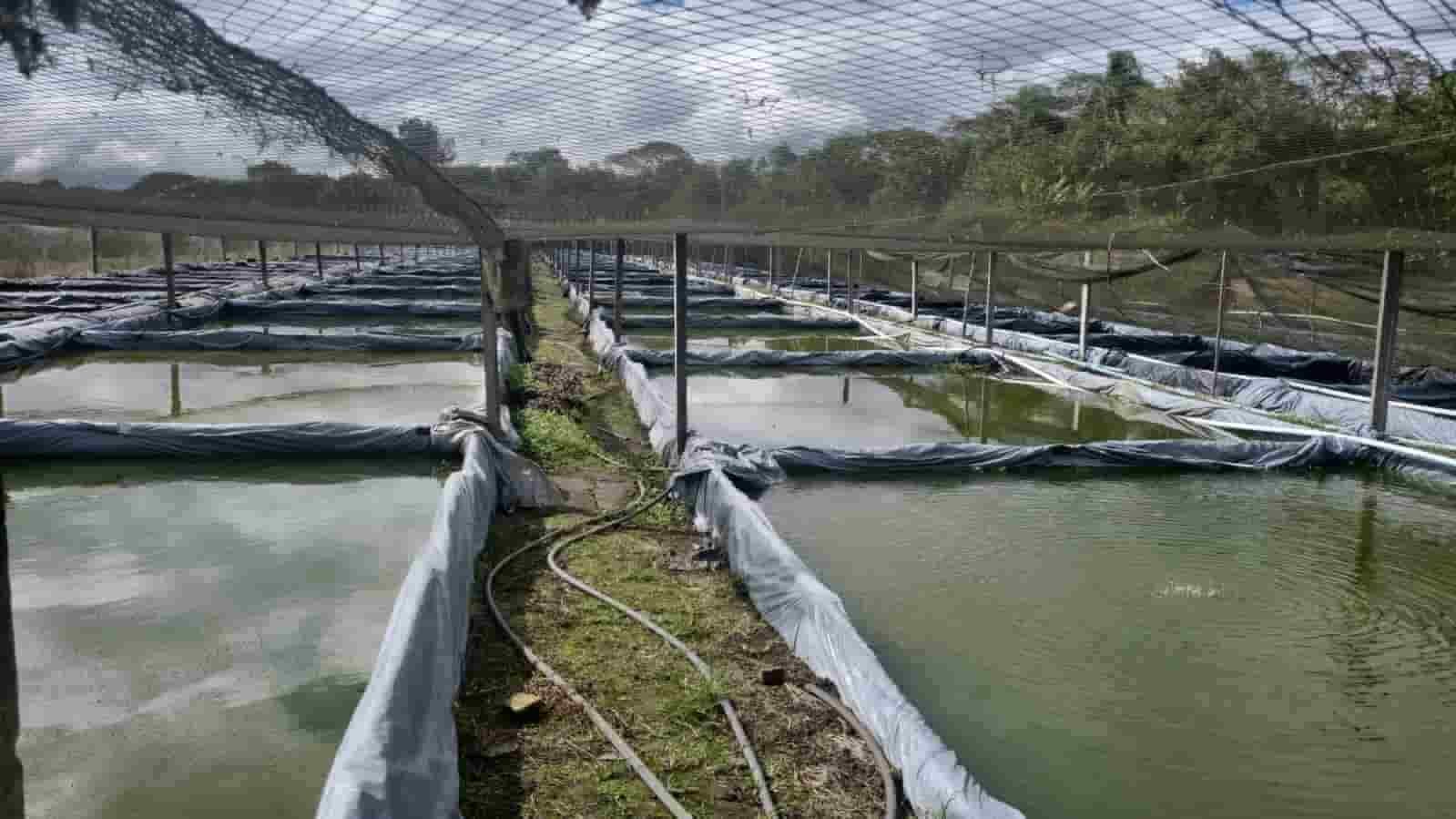
🐳 Monster Vats
Analyzing massive continuous turnovers inside large open-air mud farm vats.
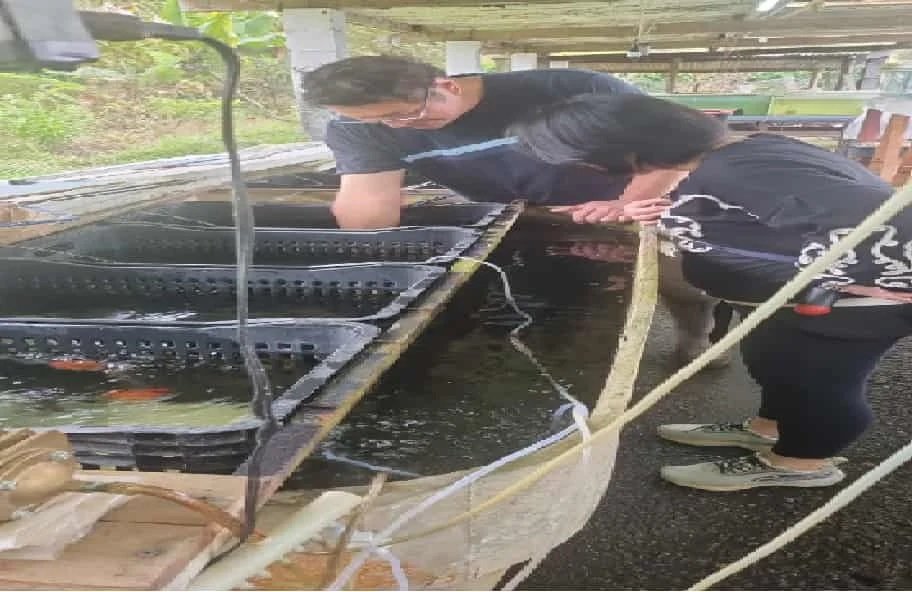
🤝 True Alliances
Working hand-in-hand with regional facility operations to target elite fancy bloodlines.
✨ Read also: Sump Filter Sizing for 100 Gallons: The Raw, Unfiltered Blueprint
A deeply technical piece of content that perfectly complements this post — absolutely worth the read.