
The best goldfish ich treatment steps represent the absolute boundary line between saving your prized fancy goldfish or watching your entire display tank succumb to a devastating white-spot outbreak. You walk up to your aquarium and notice what looks like tiny grains of white salt sprinkled across your goldfish’s fins and body. The fish is twitching, rubbing its sides frantically against the gravel, and clamping its dorsal fin flat against its back in visible distress.
Most pet shop clerks will immediately sell you a bottle of useless “herbal” fix-all remedies or tell you to crank the heater up to high tropical levels. That advice is a toxic trap that kills coldwater fish. As a master goldfish keeper who has managed a heavy-bioload 100-gallon (400-liter) setup for eight years, I can tell you that treating Ichthyophthirius multifiliis (white spot disease) requires relentless biological precision, not panic-driven guesswork or cheap retail gimmicks.
Ich is a protozoan parasite that burrows under the skin epithelium of your fish. Because the parasite is protected by the fish’s own mucus layer during its feeding stage, no chemical or salt bath on earth can touch it while it rests on the body. To eradicate Ich permanently, you must understand its microscopic life cycle, manipulate water chemistry, and strike the parasite during its vulnerable free-swimming phase without suffocating your coldwater livestock.
Running daily 50% water changes and vacuuming substrate across a large 100-gallon display demands serious physical endurance—much like running long-distance marathons. You can’t maintain joint health, physical stamina, or mental sharpness during an active tank crisis on sugar-loaded energy drinks and ultra-processed food. Just as I feed my fancy goldfish high-protein gel food instead of low-grade cereal flakes, I fuel my own body with real, nutrient-dense whole foods like grass-fed meat and natural animal fat—the ultimate tactical cheat code for heavy physical labor and sharp decision-making under stress.
30-Second Tech Support Counter Talk Summary (Click to Expand)
The Final Verdict: Stop dumping herbal oils into your tank and do not raise the water temperature above 80°F (26.5°C) for goldfish. High heat strips oxygen out of coldwater setups and suffocates fancy goldfish faster than the parasite will. Instead, pull your activated carbon media immediately, dose high-grade aquarium salt (pure NaCl) up to a 0.3% concentration (roughly 3 grams per liter) over 24 hours, add two heavy-duty air stones for maximum surface agitation, and vacuum the substrate thoroughly every 48 hours to remove encysted parasites before they hatch.
Technical Comparison Of Goldfish Ich Treatments
| Treatment Protocol | Parasite Life Cycle Disruption | Goldfish Organ/Gill Stress | Physical Labor Demand | Marcia’s Field Verdict |
|---|---|---|---|---|
| Aquarium Salt (0.3% NaCl) + Aeration | High (Disrupts Free-Swimming Theronts) | Low (Relieves Osmotic Stress) | Moderate (Daily Water Salinity Checks) | The gold standard protocol for goldfish; safe and highly effective. |
| Formalin & Malachite Green Dosing | Very High (Kills Free Protozoa Instantly) | High (Strains Damaged Gill Tissue) | Low (Routine Dosing & Carbon Removal) | Excellent lab macete for severe outbreaks, but requires careful dosing. |
| High Heat Only (86°F / 30°C+) | Moderate (Speeds Cycle, Reduces Hatching) | Extremely High (Hypoxia Risk in Coldwater) | Low (Heater Adjustments) | A total disaster for fancy goldfish; starves the water of oxygen. |
| Botanical / Herbal Tonics | Zero (Fails to Kill Encysted Tomonts) | Moderate (Oils Coat Surface Water) | Low (Dumping Bottles) | A complete waste of hard-earned cash; useless retail gimmick. |
Battlefield Assessment: Evaluating Ich Eradication Options
1. Aquarium Salt (Sodium Chloride) Protocol
The Good: Safely destroys free-swimming theronts through osmotic shock, boosts slime coat production, and reduces kidney stress on infected goldfish without damaging biological filter media.
The Bad: Requires precise hydrometer or refractometer measurements to maintain a stable 0.3% salinity level during routine water changes.
2. Formalin & Malachite Green Chemical Dosing
The Good: Rapidly neutralizes swarming free-swimming parasites in the water column before they can bore into uninfected fish tissue.
The Bad: Permanently stains silicone aquarium seals blue, strips oxygen from warm water, and can kill sensitive scaleless or fancy goldfish varieties if over-dosed.
3. Extreme Thermal Treatment (86°F+)
The Good: Accelerates the parasite life cycle so encysted stage drops off the fish faster.
The Bad: Goldfish are coldwater animals whose metabolic oxygen demand spikes as water temperature rises; high heat drastically lowers dissolved oxygen, suffocating already stressed fish.
Why the Best Goldfish Ich Treatment Steps Target the Free-Swimming Stage
Executing the best goldfish ich treatment steps requires a deep understanding of parasite biology. The white spots you see on your goldfish are called trophonts. The trophont feeds on the fish’s skin and red blood cells beneath a protective layer of mucus. Because of this mucus shield, no chemical treatment or salt bath can kill the parasite while it sits on the fish.
Once fully fed, the trophont falls off the fish, sinks to the substrate, and becomes a tomont. The tomont secretes a sticky, hardened cyst wall that attaches firmly to gravel, plants, and filter tubes. Inside this armored cyst, a single parasite divides into up to one thousand microscopic free-swimming daughter parasites called theronts.
When the cyst ruptures, the swarming theronts must find a living host within 48 hours or die. This free-swimming theront stage is the *only* moment in the parasite’s entire life cycle where it is vulnerable to medication and osmotic disruption. Aquarium salt at a 0.3% concentration or chemical agents like Malachite Green disrupt the theront’s delicate cell membrane, causing it to burst before it can attach to your goldfish’s gills.
The Realities of the Battlefield
Pet shop sales clerks love recommending commercial “herbal” remedies that promise to cure white spot disease in forty-eight hours without changing water parameters or removing filter media. Out in the real world, those promises fall flat, leaving fish to suffer as parasites multiply rapidly beneath the gravel.
Commercial activated carbon cartridges are included in almost every starter kit filter. BUT if you leave activated carbon inside your filter while dosing Malachite Green or Formalin, the carbon absorbs the chemical molecules within thirty minutes, rendering your medication completely useless while the parasite swarms unhindered.
Raising water temperature speeds up the Ich life cycle so parasites drop off the body faster. BUT warm water holds significantly less dissolved oxygen than cool water. If you raise the temperature without adding extra air stones, your goldfish will suffer severe hypoxia because their gills are already clogged and inflamed by feeding trophonts.
Hypothetical Failure Scenario: The Panic Heat Trap
Consider a beginner aquarist named Sarah who notices ten tiny white spots on her prized Ranchu goldfish. Panicked, Sarah reads a generic tropical fish forum and cranks her aquarium heater up to 86°F (30°C). She leaves her activated carbon filter cartridge in place and dumps in a bottle of tea tree oil herbal tonic.
Because the water is now warm, the parasite’s life cycle accelerates rapidly, causing hundreds of encysted tomonts in the gravel to hatch simultaneously into thousands of free-swimming theronts. The herbal oil creates a film across the surface of the warm water, preventing gas exchange. Meanwhile, the activated carbon absorbs what little active ingredients were in the bottle.
Within forty-eight hours, thousands of newly hatched theronts swarm the Ranchu’s gills. Because the warm water lacks dissolved oxygen and the gills are inflamed, the fish collapses to the substrate gasping for air. Sarah wakes up on day three to find her beloved Ranchu dead from acute hypoxia and massive secondary gill invasion—killed by heat and lack of oxygen rather than the parasite itself.
👇 Looking for more performance cheats? Check out our field-tested tactical blueprints:
The Goldfish Ecosystem Blueprint
Complete your advanced technical training loop by exploring our core evergreen resources.
How to Feed Goldfish for Maximum Lifespan
A deep breakdown of digestive tract mechanics, bloating prevention, and premium sinking diets.
How to Maintain a 100 Gallon Goldfish Tank
Large-scale system parameters. Deep sand bed mechanics, nitrogen cycling, and bioload management.
Ultimate Guide to Goldfish Tank Filtration
Heavy-duty hardware configurations. Optimizing parallel canisters, bio-media setups, and automation.
Practical Field Execution Checklist
- Execute the best goldfish ich treatment steps by testing water parameters first.
Expert Tip: Ensure ammonia and nitrite read absolute zero; water pollution inflames gill tissue and doubles parasite mortality rates. - Remove all activated carbon and chemical resins from your filtration system.
Expert Tip: Activated carbon strips liquid medications out of the water column immediately, rendering chemical treatments completely ineffective. - Install two heavy-duty air stones powered by a high-output air pump.
Expert Tip: Parasites target fragile gill lamellae first; maximum surface agitation guarantees high dissolved oxygen levels during treatment. - Dose non-iodized aquarium salt slowly up to a 0.3% concentration (3g per Liter).
Expert Tip: Dissolve the salt in a bucket of tank water first and add it in three equal doses over 24 hours to prevent osmotic shock. - Vacuum the substrate thoroughly every 48 hours using a gravel siphon.
Expert Tip: Physical gravel vacuuming sucks up unhatched tomont cysts from the substrate before they can burst into swarming theronts. - Maintain water temperatures between 72°F and 75°F (22°C – 24°C) for goldfish.
Expert Tip: This temperature range slightly accelerates the parasite cycle without stripping vital dissolved oxygen from coldwater systems. - Replenish salt concentration proportionally after every water change.
Expert Tip: If you remove ten gallons of water, add back exactly enough salt for ten gallons to maintain a constant 0.3% therapeutic barrier. - Continue full treatment for seven days AFTER the last white spot disappears.
Expert Tip: Microscopic tomonts remain in the gravel long after the fish looks clean; stopping treatment early causes an immediate relapse. - Avoid using harsh copper treatments with sensitive fancy goldfish varieties.
Expert Tip: Copper accumulates in organs and can cause permanent kidney damage or swim bladder issues in deep-bodied fancy goldfish. - Isolate new fish in a quarantine tank for three weeks before main display entry.
Expert Tip: Quarantining prevents Ich and other microscopic parasites from ever entering your main 100-gallon display aquarium. - Sustain your physical endurance with grass-fed meat and natural animal fats.
Expert Tip: High-protein whole foods keep your energy stable and joints healthy during physical daily water changes and maintenance routines.
Dynamic No-Nonsense Aquarium FAQ
1. How long does it take for Ich spots to completely disappear from a goldfish?
At standard goldfish temperatures (72°F – 75°F), embedded spots typically fall off the fish within four to seven days. However, falling off does not mean the parasite is dead; it has simply dropped to the gravel to reproduce. You must continue treatment for at least fourteen full days.
2. Can Ich live in an aquarium without fish hosts?
No. Free-swimming theronts must find a living fish host within 48 to 72 hours or they perish. If an aquarium remains completely fishless for two weeks at room temperature, the Ich parasite population will starve and die out entirely.
3. Why shouldn’t I turn my heater up to 86°F (30°C) to treat goldfish Ich?
While 86°F kills Ich in tropical setups, it severely stresses coldwater goldfish. High heat drastically lowers dissolved oxygen levels in the water. Because Ich attacks the gills first, combining oxygen-starved warm water with damaged gills frequently causes fatal suffocation.
4. Will aquarium salt kill my beneficial biological filter bacteria?
No. Nitrifying bacteria (*Nitrosomonas* and *Nitrospira*) easily tolerate a 0.3% salt concentration without any decline in performance. Salt is one of the safest treatments available because it destroys single-celled parasites while leaving your bio-filter intact.
5. Can I use regular kitchen table salt instead of aquarium salt?
Only if it is pure sodium chloride with zero additives. Never use table salt containing yellow prussiate of soda (anti-caking agents) or heavy iodine additions, as these compounds can poison fish. Plain rock salt or solar sea salt without additives is safe.
6. Why did my goldfish get Ich if I haven’t added new fish in months?
Ich can enter tanks on live plants, invertebrate shells, or unsterilized equipment carrying microscopic cysts. Low levels of Ich can also sit dormant in a healthy tank, popping into a full-blown outbreak only when a fish becomes stressed by bad water quality or sudden temperature drops.
7. Do herbal “reef-safe” or “organic” Ich cures actually work?
No, they are a complete waste of money. Most herbal remedies are botanical oils that create a false sense of security while doing nothing to kill encysted tomonts or free-swimming theronts. Stick to proven methods like aquarium salt or Formalin/Malachite Green.
8. Should I dip my goldfish in a concentrated salt bath to remove spots?
A short salt dip will not remove embedded trophont spots because they sit beneath the protective skin mucus layer. Dips only cause immense physical stress to an already weakened fish. Maintain a constant 0.3% salt concentration in the main tank instead.
🛡️ │ WHY TRUST SKYTC GOLDFISH CARE CURATION?
At SKYTC, we hold aquatic ecosystem biology and biological parameter handling to a rigorous standard. We are not an automated affiliate review engine; we apply hands-on tests and serious filtration engineering workflows to ensure every recommendation guarantees the health and maximum lifespan of your fish with absolute safety.
✓ Engineering:
Structural experience backed by heavy-duty filtration math, continuous hydraulic turnover metrics, and robust mechanical support for large-scale coldwater systems.
✓ Expertise:
Focuse on preventative biological husbandry and premium nutrition. Thoroughly auditing biological media, sinking feeds, and elements that completely neutralize ammonia spikes.
✓ Authority:
Curation signed by real keepers running a balanced 100-gallon display ecosystem for over 8 years, pairing daily practical benchwork with direct wholesale breeder insights.
✓ Trust:
Product selections built on unfiltered transparency—exposing actual electrical draws, heat dissipation issues, and hidden costs before any Amazon recommendations.
📸 Our Journey in the Real World
From daily living room tank turn rates to macro-scale breeding setups.
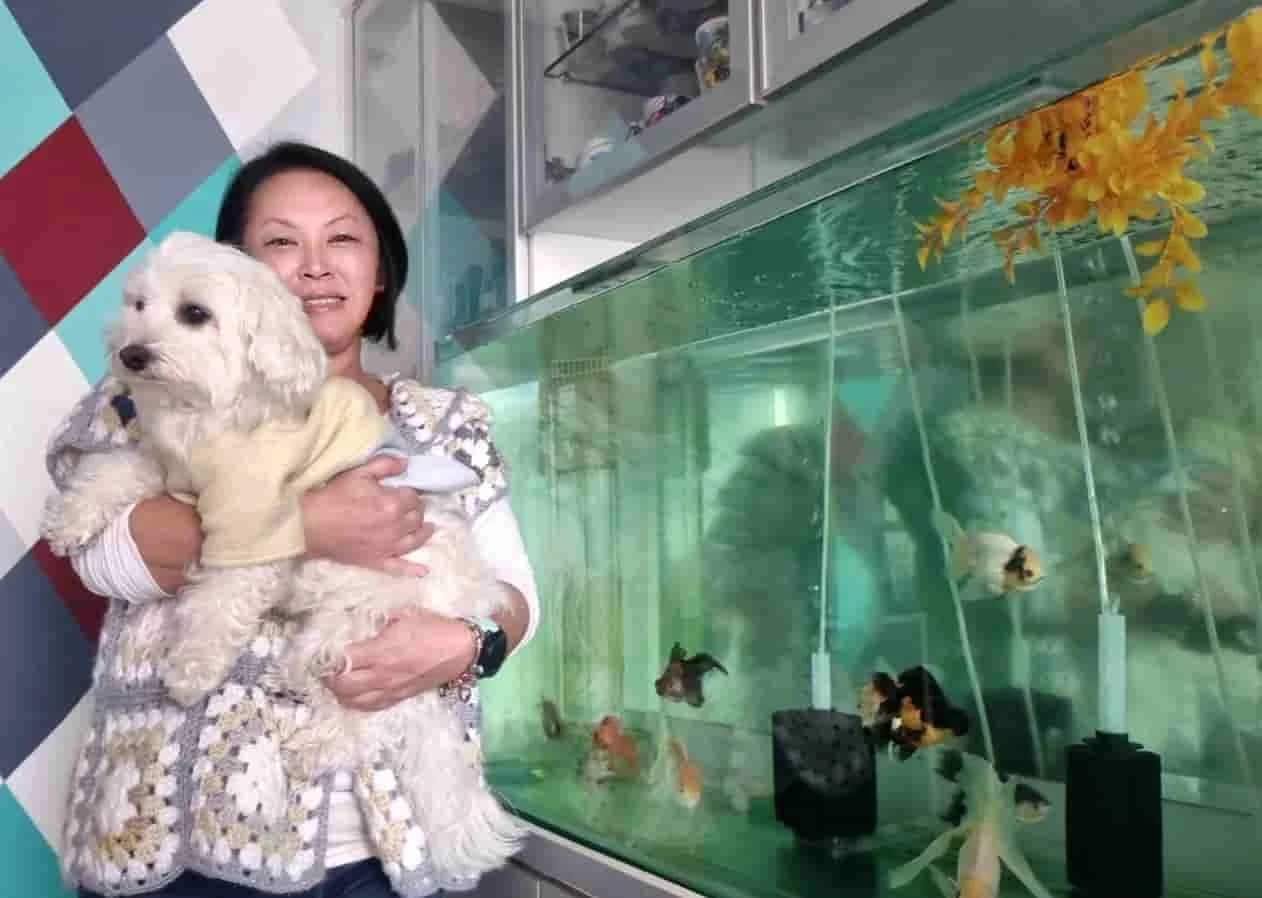
🏠 The 100G Lab
Where we torture test every hardware option, pellet line, and filter layout live.

🏃♀️ Grit & Eye
Marathon endurance meets the precise, millimeter structural focus of a seamstress.
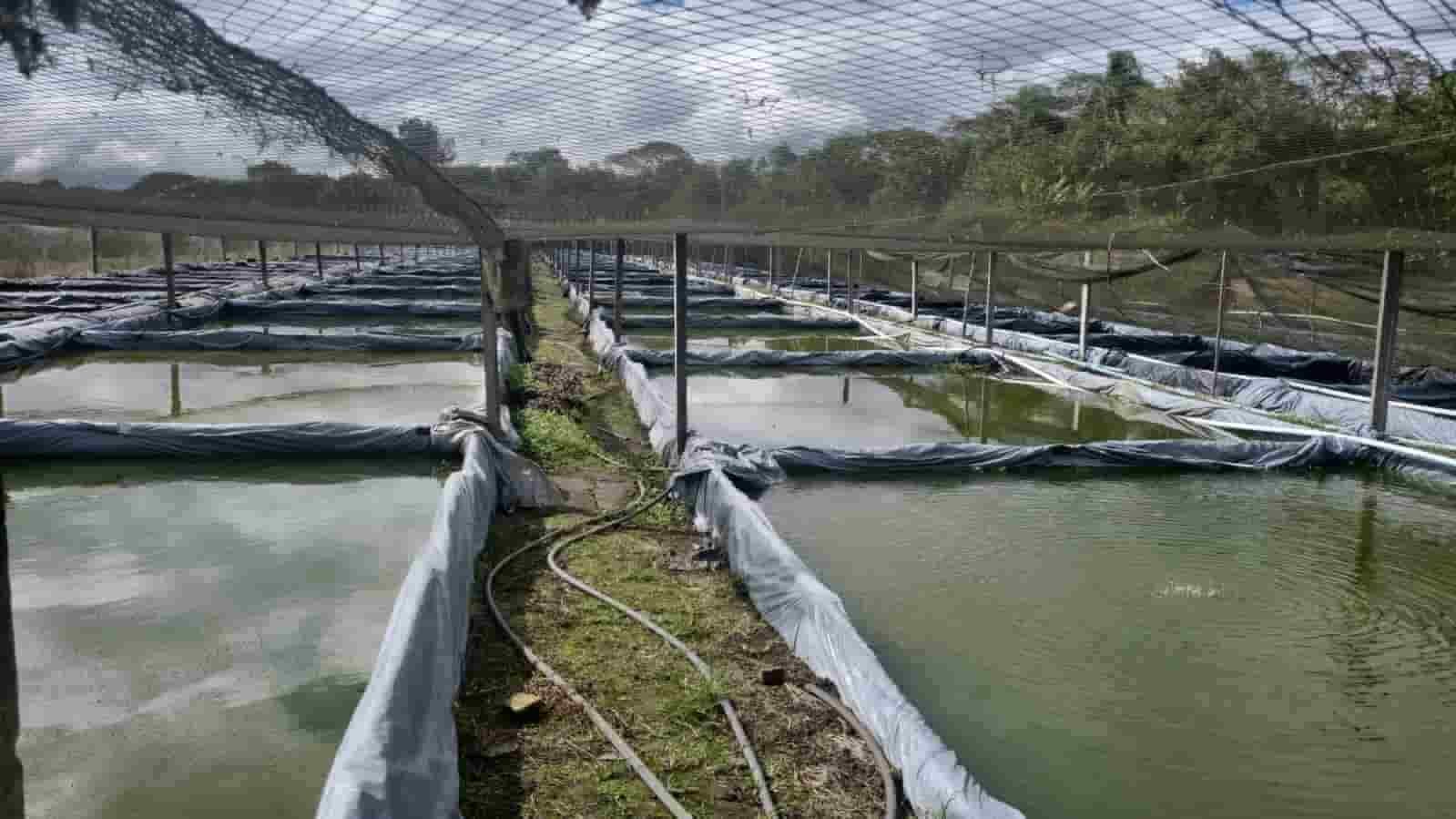
🐳 Monster Vats
Analyzing massive continuous turnovers inside large open-air mud farm vats.
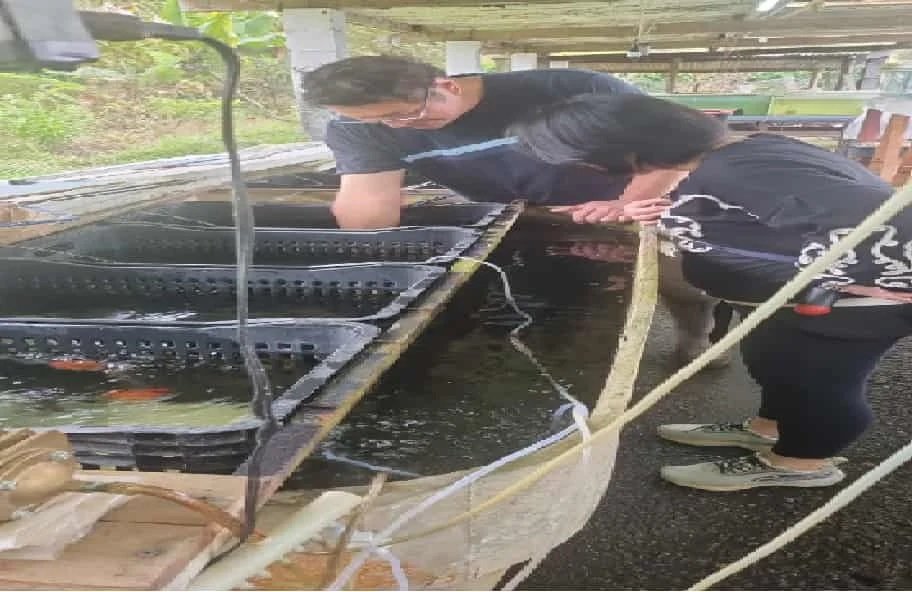
🤝 True Alliances
Working hand-in-hand with regional facility operations to target elite fancy bloodlines.
✨ Read also: Goldfish Lethargy Diagnosis: The Unfiltered Field Guide to Fixing a Sluggish Fish
A deeply technical piece of content that perfectly complements this post — absolutely worth the read.