
Selecting the best biological media for goldfish is the absolute dividing line between maintaining a crystal-clear, zero-toxin aquarium and constantly fighting lethal ammonia spikes, cloudy water, and red-streaked fins. Pet shops love to sell you flashy, low-grade plastic bio-balls or cheap ceramic rings that crumble into dust after two weeks, falsely claiming they can handle the massive waste load of adult fancy goldfish. Goldfish are heavy-bioload eating machines; they produce more solid waste and dissolved ammonia than almost any other freshwater species in the hobby.
As a long-distance runner and professional seamstress managing my own 100-gallon (400-liter) setup, I know that real physical stamina and mental focus require zero-slop foundations. When training for long runs, my physical endurance relies on real bio-available fuel—eating grass-fed ribeye steak, beef marrow, and natural animal fats—rather than seed-oil heavy slop that causes systemic inflammation and brain fog. The exact same biological logic applies to your aquarium filter: if you feed your nitrifying bacteria cheap, low-surface-area plastic media choked in detritus, your nitrogen cycle will collapse under pressure.
By ditching marketing gimmicks and filling your filter trays with high-porosity sintered glass rings, porous ceramic blocks, or fluidised K1 media, you create an unshakeable biological fortress. You will save countless hours of panic-driven water changes, eliminate toxic parameter crashes, protect your investment in prize Orandas or Ranchus, and keep your water rock-solid for years to come.
Best Biological Media for Goldfish
Tech Support Counter Talk Verdict: Cut through the pet-store sales fluff right now. Plastic bio-balls are useless inside canister filters because they require high-oxygen trickling air exposure to function and offer abysmal surface area per liter. Cheap smooth ceramic rings are barely better than smooth gravel. If you want zero ammonia and zero nitrites in a heavy-bioload goldfish tank, you need micro-porous sintered glass rings or high-density sintered ceramic blocks that provide thousands of square meters of usable surface area for nitrifying bacteria (Nitrosomonas and Nitrobacter). Always protect your bio-media with aggressive mechanical pre-filtration sponges, or detritus will coat the pores and suffocate your biological filter.
The Aquatic Biology of Nitrifying Bacteria Colonization
To understand why media selection matters, you must look at how nitrifying bacteria establish colonies inside your filter. Goldfish excrete pure ammonia through their gills during respiration and produce heavy nitrogenous waste through their feces. Autotrophic bacteria—specifically Nitrosomonas (which convert ammonia to nitrite) and Nitrobacter (which convert nitrite to nitrate)—require two things to survive: an oxygen-rich water current and a high-surface-area physical matrix to anchor themselves on.
The usable surface area of bio-media is measured in square meters per liter (m²/L). Smooth plastic or low-grade glass might offer twenty to fifty m²/L, whereas high-grade sintered glass media processed under extreme heat creates interconnected microscopic pore networks yielding over eight hundred to twelve hundred m²/L. That microscopic depth difference allows millions more bacterial cells to colonize a single handful of media, providing the biological capacity required to process heavy goldfish feedings.
Furthermore, deep porous ceramic blocks or dense sintered glass matrices create micro-anoxic zones deep within their internal cores. In these low-oxygen deep pores, facultative anaerobic bacteria can colonize and perform anaerobic denitrification, converting toxic nitrates into harmless nitrogen gas. Cheap plastic media can never achieve this deep biological cycle, leaving you trapped in an endless cycle of high-nitrate water changes.
Battlefield Assessment: Biological Media Performance Matrix
| Media Type / Material Composition | Usable Surface Area (m²/L) | Deep Core Denitrification | Detritus Clogging Resistance | Battlefield Grade |
|---|---|---|---|---|
| Micro-Porous Sintered Glass Rings | High (800 – 1200 m²/L) | Moderate (In Deep Internal Pores) | Moderate (Requires Mechanical Pre-filter) | Apex Institutional Tier |
| High-Density Sintered Ceramic Blocks | Maximum (1000 – 3000 m²/L) | High (Deep Anoxic Core Zones) | Low (Prone to Surface Slurry Coating) | Tactical Standard |
| Fluidized K1 / K3 Moving Bed Media | Moderate (500 – 800 m²/L) | Zero (Fully Aerated / Constant Motion) | Maximum (Self-Cleaning Action) | High-Yield Sump Engine |
| Crushed Volcanic Lava Rock / Pumice | Moderate (200 – 400 m²/L) | Low (Inconsistent Pore Openings) | Low (Traps Debris in Rough Pits) | Budget-Friendly Option |
| Standard Molded Plastic Bio-Balls | Extremely Low (30 – 80 m²/L) | Zero (100% Surface Aeration Only) | High (Wide Open Gaps) | Bargain-Bin Trash |
Battlefield Assessment: Micro-Porous Sintered Glass Rings
The Good: Delivers insane bacterial surface area per cubic inch, accelerating nitrogen cycle stability in compact canister filter trays.
The Bad: Requires a modest tier investment and will slowly erode or disintegrate if violently tumbled in high-flow sumps.
Battlefield Assessment: Fluidized K1 Moving Bed Media
The Good: Constant tumbling action in aerated sump chambers knocks off dead bacterial biofilm, creating a self-cleaning, indestructible bio-reactor.
The Bad: Completely useless inside standard canister filters and requires a dedicated, air-pump-driven sump chamber to fluidize the media.
Battlefield Assessment: Standard Molded Plastic Bio-Balls
The Good: Virtually indestructible, cheap, and impossible to clog with solid organic waste.
The Bad: Provides abysmal surface area inside submerged canister filters, leaving your heavy-bioload tank vulnerable to sudden ammonia spikes.
The Realities of the Battlefield
Commercial filter manufacturers love to sell filter cartridges stuffed with activated carbon and cheap plastic grid inserts. They want you to believe that throwing away your filter cartridge every month and buying a new one is the proper way to maintain an aquarium.
BUT throwing away your filter media throws away your entire nitrifying bacterial colony, triggering a catastrophic mini-cycle that burns your goldfish’s gills with raw ammonia. Furthermore, cheap ceramic rings made from low-tier clay crumbling inside your canister filter release abrasive dust into your water column, grinding down pump impellers and clogging the microscopic pores of good media.
Maintaining heavy aquariums for eight years has taught me that physical fatigue destroys hobbyist consistency. If you fuel your body with cheap processed snacks and seed oils, your joints ache and you put off critical filter maintenance, leading to parameter crashes. Eating nutrient-dense grass-fed beef and natural animal fats gives you the physical stamina to stay disciplined, but you still need high-tier biological media that works tirelessly behind the scenes so your water stays pristine even during heavy feeding cycles.
Hypothetical Failure Scenario: The Clogged Canister Crash
Consider the case of a beginner aquarist who sets up a 55-gallon tank housing three growing Oranda goldfish. He fills his canister filter trays with low-grade plastic bio-balls and a single thin layer of coarse foam, believing the marketing claims on the filter box.
Over three months, the goldfish produce heavy solid waste that passes straight through the thin foam. The solid detritus forms a thick brown slime layer over the plastic bio-balls. Because plastic bio-balls already offer minimal surface area, the suffocating slime layer starves the underlying nitrifying bacteria of dissolved oxygen.
One evening, after feeding a heavy meal of high-protein pellets, the starved biological filter fails completely. Ammonia levels spike rapidly overnight. The aquarist wakes up to find his prized Orandas gasping at the surface with clamped fins and bright red blood streaks running through their tail fins—a catastrophic biological failure caused entirely by using low-grade plastic media without proper mechanical pre-filtration.
Deploying the Best Biological Media for Goldfish
To build an unbeatable biological filtration stack, you must stack your filter media in strict logical sequence: mechanical filtration first, biological filtration second, and chemical filtration (if used) last. Never allow raw, un-filtered aquarium water to touch your high-porosity biological media.
Your water must first pass through coarse, medium, and fine mechanical sponges or filter socks to trap all solid feces and uneaten food. Only after the water is mechanically clear should it enter your sintered glass or high-density ceramic trays. This protects the microscopic pores of your bio-media from detritus slurry, ensuring oxygenated water flows freely over the bacterial colonies.
When performing filter maintenance, never rinse your biological media under cold tap water. The chlorine and chloramines in municipal tap water instantly sanitize and kill your beneficial nitrifying bacteria. Always gently swish your bio-media in a bucket of dirty aquarium water siphoned out during your routine water change to preserve the living biofilm.
👇 Looking for more performance cheats? Check out our field-tested tactical blueprints:
The Goldfish Ecosystem Blueprint
Complete your advanced technical training loop by exploring our core evergreen resources.
How to Feed Goldfish for Maximum Lifespan
A deep breakdown of digestive tract mechanics, bloating prevention, and premium sinking diets.
How to Maintain a 100 Gallon Goldfish Tank
Large-scale system parameters. Deep sand bed mechanics, nitrogen cycling, and bioload management.
Ultimate Guide to Goldfish Tank Filtration
Heavy-duty hardware configurations. Optimizing parallel canisters, bio-media setups, and automation.
Practical Execution Checklist
Deploy the best biological media for goldfish immediately.
Expert Tip: Fill your filter trays with micro-porous sintered glass rings to provide maximum surface area for heavy ammonia loads.
Position heavy mechanical sponges ahead of all biological media trays.
Expert Tip: Intercepting solid feces with mechanical foam prevents detritus slurry from clogging the microscopic pores of your bio-media.
Rinse biological media exclusively in siphoned aquarium water.
Expert Tip: Municipal tap water containing chlorine kills beneficial nitrifying bacteria on contact, triggering dangerous ammonia spikes.
Avoid disposable filter cartridges containing activated carbon.
Expert Tip: Replacing disposable cartridges throws away your biological colony; use permanent sintered media that lasts for years.
Utilize fluidised K1 moving bed media inside aerated sump chambers.
Expert Tip: Constant fluidised motion knocks off old bacterial biofilm, creating a self-cleaning, ultra-efficient biological reactor.
Oversize your biological media volume by at least double tank ratings.
Expert Tip: Goldfish produce massive metabolic waste; extra bio-media volume acts as a buffer against accidental overfeeding spikes.
Inspect ceramic rings for physical crumbling and dust erosion annually.
Expert Tip: Replace degraded or crumbling ceramic media gradually over several months to avoid losing your established nitrifying colony.
Incorporate deep porous ceramic blocks to foster anaerobic denitrification.
Expert Tip: Thick ceramic blocks feature oxygen-deprived inner cores where anaerobic bacteria convert toxic nitrates into nitrogen gas.
Maintain strong surface agitation to super-saturate water with oxygen.
Expert Tip: Nitrifying bacteria consume vast amounts of oxygen while processing ammonia; high aeration maximizes biological efficiency.
Test ammonia and nitrite levels weekly using liquid test kits.
Expert Tip: Liquid test reagents detect minor ammonia leaks long before fish show physical signs of gill burns or stress.
Sustain your physical stamina during tank care with animal fats.
Expert Tip: Fueling your body with grass-fed steak and natural tallow keeps your physical energy high for disciplined aquarium maintenance.
Dynamic No-Nonsense FAQ
How long does it take for nitrifying bacteria to colonize new bio-media?
In a fresh tank, fully colonizing new biological media takes four to six weeks. You can accelerate this process by seeding new sintered glass rings with established media from a healthy tank or dosing high-concentration nitrifying bacterial cultures daily during the cycling phase.
Do I ever need to replace my sintered glass biological media?
Rarely. High-quality sintered glass media lasts for years. You only need to replace it if the physical structure crumbles into dust or if the pores become permanently clogged with calcified mineral deposits after years of hard-water use.
Why are plastic bio-balls bad for canister filters?
Plastic bio-balls are designed for wet/dry trickle filters in commercial hatcheries where air flows freely over the plastic. Submerged inside a sealed canister filter, they offer abysmal surface area per liter and perform poorly compared to porous sintered glass rings.
Can I mix different types of biological media in the same filter?
Yes. Stacking sintered glass rings on top of porous ceramic blocks or combining ceramic rings with lava rock is a great way to maximize surface area and structural flow paths inside your filter trays.
Does chemical media like Matrix or Purigen replace biological media?
No. Chemical media like synthetic resins or activated carbon adsorb specific organic molecules or heavy metals temporarily. They do not replace the living biological colony of nitrifying bacteria required to process daily ammonia.
How do I know if my biological filter media is clogged?
If you see a slow, noticeable decrease in water output flow from your filter return spray bar, or if liquid test kits reveal low-level ammonia spikes in a previously cycled tank, your pre-filter foam or bio-media is clogged with detritus slurry.
Is lava rock a good budget-friendly biological media for goldfish?
Lava rock is acceptable on a tight budget, but it is far from ideal. Its rough, crushed surface has inconsistent pore openings, and its jagged edges can trap heavy detritus that is difficult to rinse out during maintenance.
How much biological media do I need for a 100-gallon goldfish tank?
For a 100-gallon (400-liter) tank housing adult fancy goldfish, aim for at least three to five liters of high-grade sintered glass media. When dealing with heavy bioloads, you can never have too much biological filtration capacity.
🛡️ │ WHY TRUST SKYTC GOLDFISH CARE CURATION?
At SKYTC, we hold aquatic ecosystem biology and biological parameter handling to a rigorous standard. We are not an automated affiliate review engine; we apply hands-on tests and serious filtration engineering workflows to ensure every recommendation guarantees the health and maximum lifespan of your fish with absolute safety.
✓ Engineering:
Structural experience backed by heavy-duty filtration math, continuous hydraulic turnover metrics, and robust mechanical support for large-scale coldwater systems.
✓ Expertise:
Focuse on preventative biological husbandry and premium nutrition. Thoroughly auditing biological media, sinking feeds, and elements that completely neutralize ammonia spikes.
✓ Authority:
Curation signed by real keepers running a balanced 100-gallon display ecosystem for over 8 years, pairing daily practical benchwork with direct wholesale breeder insights.
✓ Trust:
Product selections built on unfiltered transparency—exposing actual electrical draws, heat dissipation issues, and hidden costs before any Amazon recommendations.
📸 Our Journey in the Real World
From daily living room tank turn rates to macro-scale breeding setups.
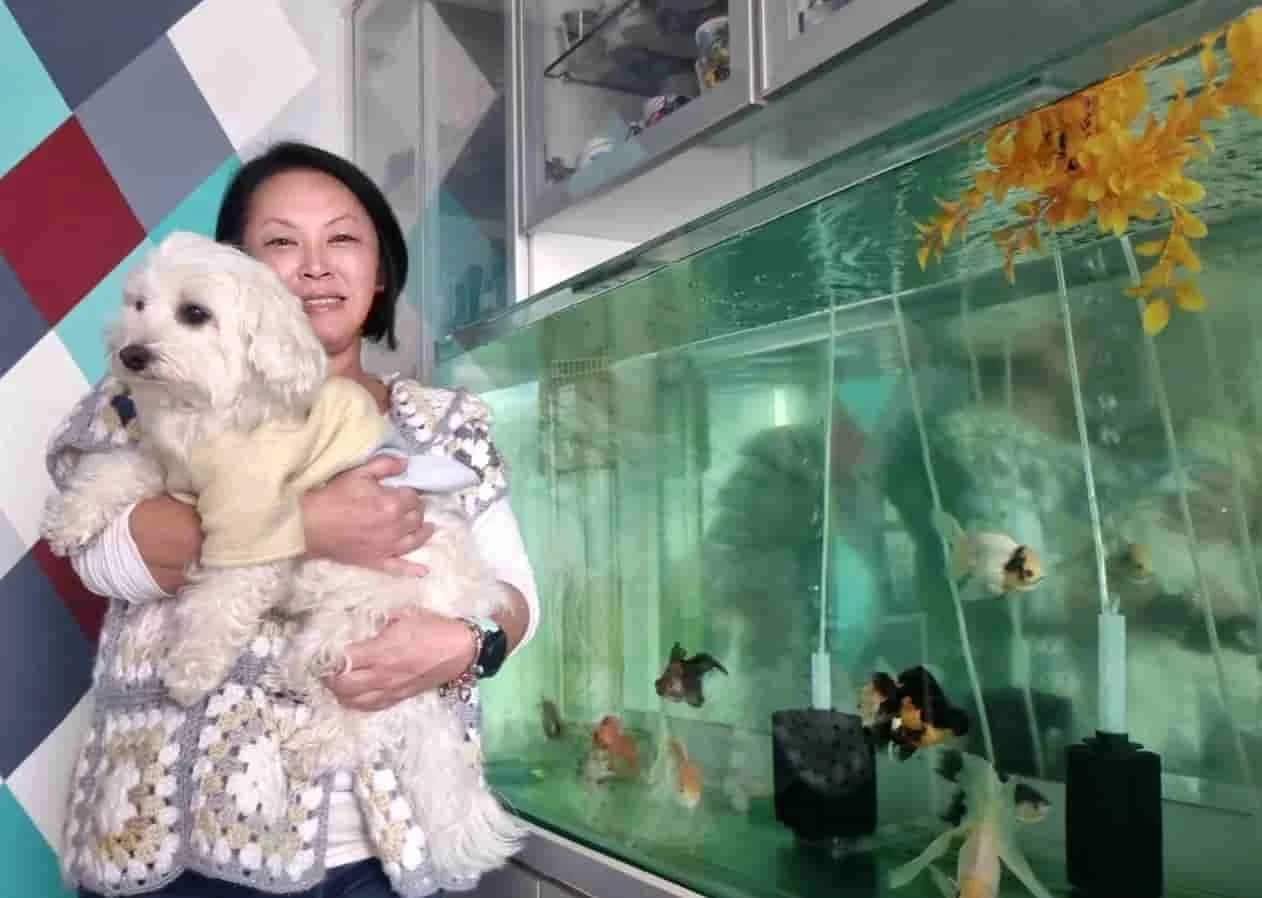
🏠 The 100G Lab
Where we torture test every hardware option, pellet line, and filter layout live.

🏃♀️ Grit & Eye
Marathon endurance meets the precise, millimeter structural focus of a seamstress.
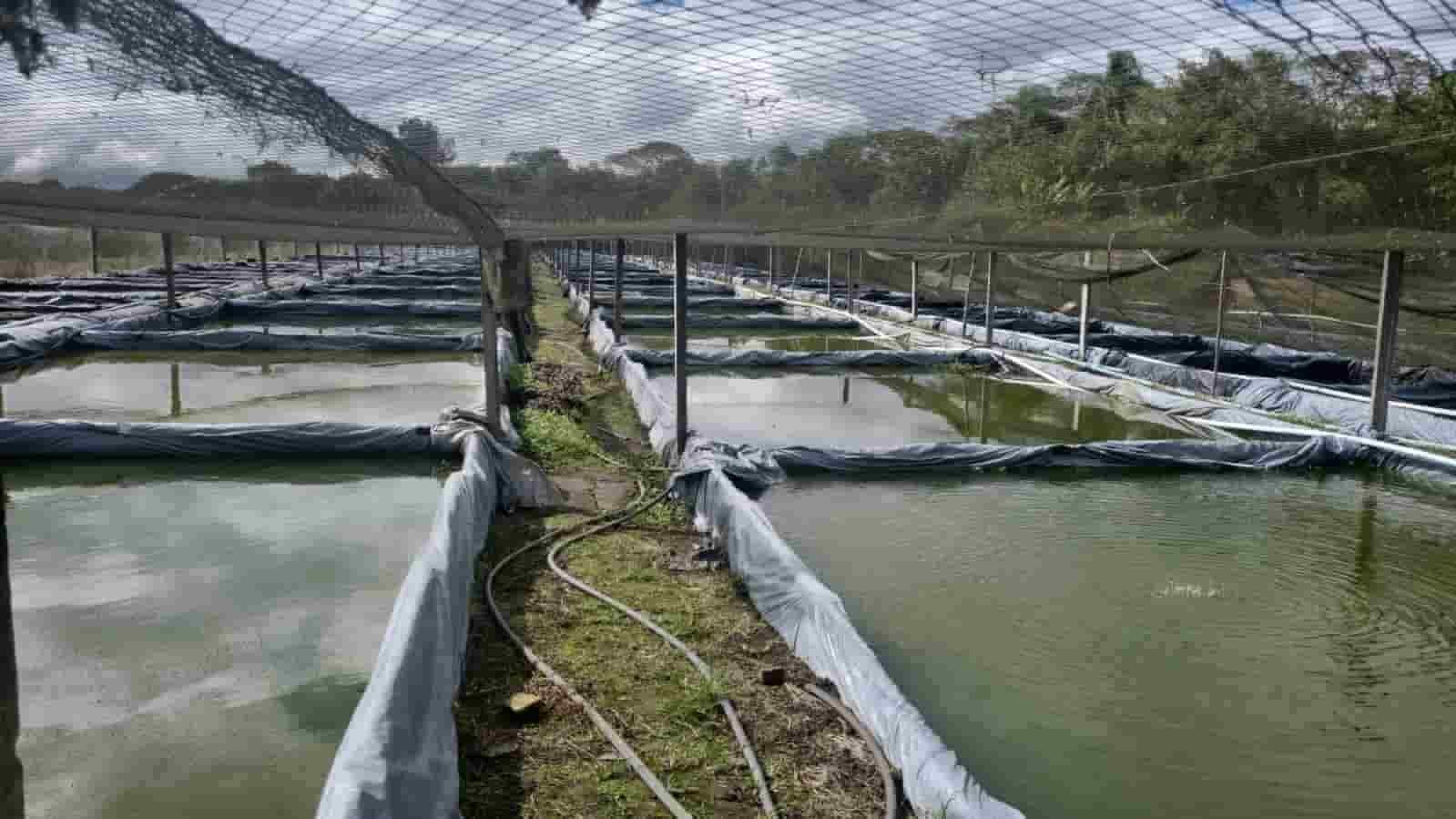
🐳 Monster Vats
Analyzing massive continuous turnovers inside large open-air mud farm vats.
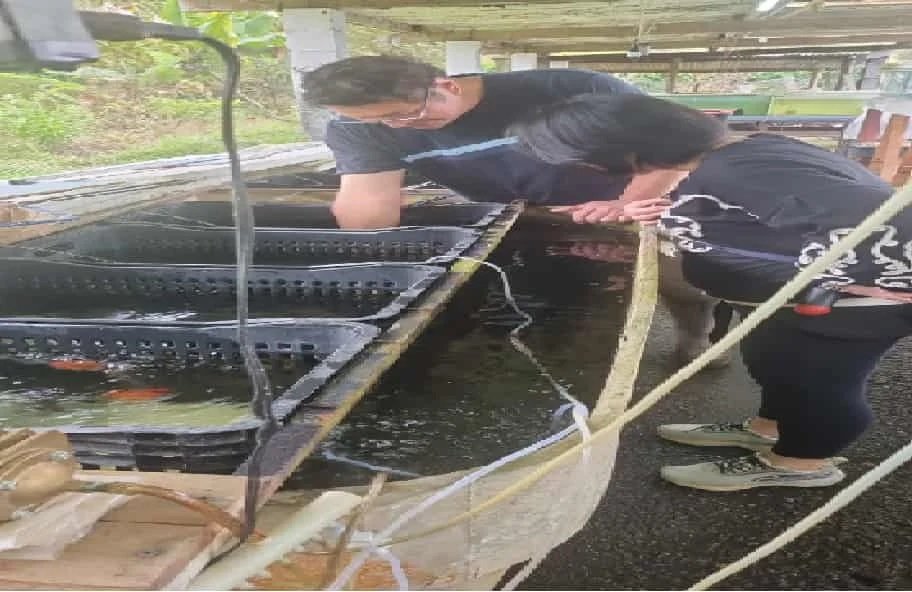
🤝 True Alliances
Working hand-in-hand with regional facility operations to target elite fancy bloodlines.
✨ Read also: Benefits of Sump Filters for Fancies: The Heavy-Bioload Defense Blueprint
> A deeply technical piece of content that perfectly complements this post — absolutely worth the read.