
Staring at a newly unboxed canister filter and a chaotic pile of media trays while your aquarium water turns into cloudy soup is an infuriating rite of passage. Learning how to arrange canister filter media correctly is the single thin line separating a crystal-clear, self-sustaining aquatic engine from a toxic biological crash. Most local pet shops will happily sell you a bargain-bin canister, throw in a random bag of active carbon and coarse sponges, and leave you to figure out why your fish are gasping at the surface two weeks later.
I’ve spent eight years managing a heavy-bioload 100-gallon aquarium packed with messy fancy goldfish, running long-distance trails in my downtime, and treating filter maintenance like precision seamstress work. When you stack your internal filter baskets in the wrong sequence, raw detritus bypasses your mechanical barriers, coats your expensive bio-media in thick brown sludge, and starves your beneficial bacteria of oxygen. The result is instant flow restriction, motor strain, and dangerous water parameter spikes.
By mastering the precise fluid dynamics of tray stacking, you eliminate unnecessary maintenance teardowns, protect your motor impellers from premature burnout, and build a bulletproof biological filter. You step away from constant emergency water changes and gain total control over your aquarium ecosystem, saving hours of weekly labor and securing long-term biological stability.
How to Arrange Canister Filter Media: The 30-Second Field Verdict
Cut through the marketing noise: water MUST hit coarse mechanical foam FIRST, medium-density sponge SECOND, fine poly-floss THIRD, porous biological media FOURTH, and specialized chemical resins LAST. Stacking biological media before mechanical filtration forces heavy waste into porous bio-rings, smothering nitrifying bacteria and causing catastrophic biological failures. Always trace your canister’s internal flow path—whether bottom-to-top, top-to-bottom, or center-out—and arrange your media strictly from coarsest particle capture to finest chemical polishing. Zero shortcuts allowed.
| Media Tier | Primary Function | Optimal Flow Position | Lifespan & Maintenance | Battlefield Drawback |
|---|---|---|---|---|
| Coarse Foam (10-20 PPI) | Traps heavy fish waste & leaf detritus | First (Raw Water Intake) | Rinse monthly; lasts 3-5 years | Fails to stop fine floating dust |
| Medium Sponge (30 PPI) | Captures medium suspended solids | Second (Pre-Bio Stage) | Rinse monthly; lasts 2-3 years | Requires firm squeeze cleaning |
| Fine Poly-Floss Pad | Micro-polishing, water clarity | Third (Directly Before Biomedia) | Replace bi-weekly to monthly | Clogs rapidly; crushes under pressure |
| Sintered Glass Rings | Colonies of Nitrosomonas & Nitrospira | Fourth (Clean Water Zone) | Rinse in tank water; lasts indefinitely | High initial investment tier |
| Plastic Bio-Balls | Wet/Dry gas exchange biological housing | Varies by model | Indefinite lifespan | Poor surface area density in canisters |
| Activated Carbon / Resins | Chemical adsorption, odor & dye removal | Fifth (Final Outlet Basket) | Replace every 30-45 days | Leaches captured toxins when exhausted |
The Mechanical Stage: Stopping Raw Waste at the Front Line
The primary job of mechanical media is to physically intercept fish feces, uneaten food, and decaying plant matter before water enters your biological sanctuary. If you allow heavy solids to penetrate into your bio-matrix, the organic sludge creates localized anaerobic pockets that produce toxic hydrogen sulfide rather than converting ammonia.
The Good: Coarse reticulated foam sponges (10 to 20 PPI) intercept large particulate waste effortlessly without killing your filter’s flow rate or head pressure. They act as heavy-duty armor, taking the brunt of raw debris and protecting delicate downstream media.
The Bad: If you rely solely on coarse foam, fine floating debris will pass right through the open cells, leaving your display tank looking like a dusty snowglobe despite running a high-grade canister.
Following coarse sponges, you must introduce medium-density foam (30 PPI) and fine poly-floss polishing pads. This stepped gradient approach strips increasingly smaller micro-particles from the water column as fluid accelerates through the filter housing.
The Good: Fine synthetic polyfill pads deliver mirror-like water clarity by trapping microscopic detritus down to single-digit micron sizes before water enters the biological trays.
The Bad: Fine polishing pads clog fast in heavy-bioload setups. If packed too tightly, they collapse under suction, causing massive flow restriction and forcing water to find bypass gaps around basket seals.
How to Arrange Canister Filter Media for Maximum Biological Efficiency
Once water is stripped of all physical particulate matter, it enters the biological engine room. Biological media provides physical real estate for millions of aerobic nitrifying bacteria—primarily Nitrosomonas (which convert lethal ammonia to nitrite) and Nitrospira (which convert nitrite to nitrate).
The Good: High-porosity media like sintered glass ceramic rings or porous macroporous matrix substrates offer thousands of square feet of internal biological surface area per gallon. Clean, oxygen-rich water passing over these media zones supports massive bacterial colonies capable of processing heavy waste loads effortlessly.
The Bad: High-porosity media acts like a microscopic sponge for free-floating mud if your mechanical stage fails. Once those microscopic pores glaze over with detritus, internal surface area drops to near zero, causing silent, deadly ammonia spikes.
Many budget-friendly setups include cheap plastic smooth-surfaced bio-balls inside canister baskets. While popular in wet/dry trickling sump systems, placing smooth plastic media inside submerged, low-oxygen canister chambers is a fundamental structural error.
The Good: Plastic bio-balls never degrade, never clog, and can be rinsed infinitely under raw water without structural collapse.
The Bad: Submerged plastic balls yield abysmal microscopic surface area ratios compared to porous sintered glass, wasting precious basket space in small to medium-sized canisters.
Chemical Media & Specialized Resins: The Final Polish
Chemical media operates via molecular adsorption or ion exchange. This media tier is purely optional for routine daily operation, but plays a critical tactical role when pulling out medication residues, foul odors, organic tannins, or heavy dissolved metals.
The Good: Premium chemical adsorbents and macro-porous polymer resins pull dissolved organic compounds out of solution long before they decompose into nitrates, keeping water sparkling clear and odor-free.
The Bad: Chemical media has a strictly limited active surface life. Once chemical binding sites fill up, the media becomes inert or can slow-leach captured contaminants back into your water column if left neglected for months.
The Realities of the Battlefield
High-end canister filter manufacturers love boasting about massive hourly flow rates, multi-stage filtration chambers, and self-priming smart pumps. But real-world mud, heavy goldfish bioloads, and rigid maintenance schedules paint a drastically different picture once these units sit inside your cabinet for six months.
Modern multi-stage canisters offer impressive water volume capacity and sleek stackable trays. BUT bargain-bin plastic baskets buckle under heavy media weight, rubber bypass seals warp over time under thermal cycles, and thin ceramic impeller shafts snap during basic cleaning if you handle them with heavy hands.
High-porosity biological substrates promise infinite biological filtration zones. BUT marketing specs ignore real-world detritus accumulation; without aggressive mechanical pre-filtration, your premium tier biological media becomes an expensive, clogged gravel bed within 45 days of continuous operation.
👇 Looking for more performance cheats? Check out our field-tested tactical blueprints:
The Goldfish Ecosystem Blueprint
Complete your advanced technical training loop by exploring our core evergreen resources.
How to Feed Goldfish for Maximum Lifespan
A deep breakdown of digestive tract mechanics, bloating prevention, and premium sinking diets.
How to Maintain a 100 Gallon Goldfish Tank
Large-scale system parameters. Deep sand bed mechanics, nitrogen cycling, and bioload management.
Ultimate Guide to Goldfish Tank Filtration
Heavy-duty hardware configurations. Optimizing parallel canisters, bio-media setups, and automation.
Hypothetical Failure Scenario: The Reverse-Stacking Nightmare
Consider a beginner hobbyist who sets up a 75-gallon aquarium with a brand-new multi-basket canister filter. Eager to maximize biological filtration, they fill the bottom intake tray with porous ceramic bio-rings, dump a bag of fine poly-floss on top in the middle tray, and place coarse foam at the very top exit basket.
Within 72 hours, raw fish feces, uneaten flake food, and decaying leaf bits rush directly into the bottom tray. The pristine ceramic bio-rings act as a physical sieve, catching heavy detritus. The organic sludge forms a thick brown paste over the microscopic pores, suffocating the nitrifying bacteria colonies from oxygen exposure.
By day five, water flow plummets by 75% as the middle poly-floss pad becomes a dense, water-logged pancake choked with mud. The canister motor starts humming loudly as internal vacuum pressure spikes, pulling air through top O-ring seams. On day seven, toxic ammonia levels jump to 4.0 ppm. The keeper wakes up to stressed fish piping for air, a burnt-out canister pump motor, and a complete biological collapse—all caused by reversing basic media sequence physics.
Practical Field Execution Checklist
- Master how to arrange canister filter media by verifying water flow.
Expert Tip: Never guess your canister’s internal fluid channel; run a brief dry trace or consult technical schematics to identify whether raw water hits the bottom tray or top basket first. - Place coarse reticulated foam in your initial dirty water tray.
Expert Tip: Coarse 10 to 20 PPI foam traps heavy solid waste without dropping motor head pressure or restricting initial intake velocity. - Layer medium-density sponge directly after the coarse mechanical stage.
Expert Tip: Graduating sponge density prevents medium suspended debris from instantly blinding downstream micro-polishing pads. - Install fine poly-floss pads strictly before your biological media.
Expert Tip: Polishing pads strip micro-particulates so porous bio-substrates remain entirely free of organic sludge coatings. - Fill middle and upper baskets with high-porosity sintered glass.
Expert Tip: Sintered glass media provides vastly superior microscopic surface area for heavy bio-loads compared to smooth plastic bio-balls. - Position chemical media exclusively in the final outlet tray.
Expert Tip: Placing chemical resins early subjects them to heavy detritus coating, rendering expensive molecular binding sites useless within days. - Leave two millimeters of clearance around internal basket gaskets.
Expert Tip: Overstuffing media trays warps plastic baskets, allowing unfiltered dirty water to bypass media channels completely. - Rinse all biological media only in extracted aquarium water.
Expert Tip: Washing biomedia under chlorinated tap water instantly vaporizes established nitrifying bacteria colonies. - Apply food-grade silicone grease to main canister O-rings bi-annually.
Expert Tip: Dry rubber gaskets harden under pressure, inviting micro-air leaks, head loss, and catastrophic living room floods. - Purge trapped air bubbles before powering on the motor shaft.
Expert Tip: Gently rocking the filled canister housing during priming prevents air pockets from dry-scoring the delicate ceramic impeller shaft. - Stagger media replacement cycles across several calendar months.
Expert Tip: Never replace mechanical sponges and biological media simultaneously, or you risk triggering an unexpected secondary tank cycle.
Dynamic No-Nonsense FAQ
Should biological media go before or after mechanical foam?
Biological media MUST always go AFTER mechanical foam. Placing biological media before mechanical sponges turns expensive porous media into a sludge trap. Raw debris coats the bio-media, suffocating nitrifying bacteria and destroying biological filtration.
Why does my canister filter lose flow after just two weeks?
Your filter is losing flow because your fine polishing media is choking on heavy solids or your sponges are arranged out of order. If you put fine poly-floss before coarse sponges, the pad turns into a mud block instantly. Re-order your media from coarse to fine.
Are plastic bio-balls worth buying for canister filters?
No. Standard plastic bio-balls are a complete waste of space inside submerged canister filter baskets. They rely on wet/dry air trickling to function efficiently. Use high-porosity sintered glass rings or macroporous matrix media instead to maximize surface area.
How often should I replace activated carbon in a canister?
Replace activated carbon every 30 to 45 days maximum. Once carbon binding sites saturate, it loses all adsorption capacity. If left inside for months, spent carbon simply occupies space that should belong to permanent biological media.
Can I use store-bought synthetic pillow stuffing instead of brand pads?
Yes, provided it is 100% pure polyester polyfill with zero flame retardants, silicone coatings, or chemical additives. Plain synthetic stuffing works identically to premium tier aquarium polishing pads at a small fraction of the replacement investment.
How do I know if my canister flows top-to-bottom or bottom-to-top?
Look at the internal pipe connections. Standard canisters (like classic SunSun, Penn-Plax, or Oase units) push water down an internal side-pipe to the bottom, forcing water UP through trays (bottom-to-top). Specialized units (like Fluval FX series) pull water through perimeter foams top-to-bottom before pumping it up through central baskets. Trace the intake tube destination.
Is chemical media really necessary for a healthy tank setup?
No. Chemical media is entirely optional in a mature, well-maintained aquarium. Unless you are removing active medications, clear water tannins, or heavy dissolved dyes, fill that valuable basket space with extra sintered glass biomedia for raw biological processing power.
What is water bypass and how do I stop it completely?
Water bypass occurs when water squeezes around basket edges or gaps instead of forcing its way through dense filter media. Stop it by ensuring basket rubber seals are seated perfectly, avoiding overstuffed media trays, and using foam pads custom-cut to fit the exact wall radius of your filter canister.
🛡️ │ WHY TRUST SKYTC GOLDFISH CARE CURATION?
At SKYTC, we hold aquatic ecosystem biology and biological parameter handling to a rigorous standard. We are not an automated affiliate review engine; we apply hands-on tests and serious filtration engineering workflows to ensure every recommendation guarantees the health and maximum lifespan of your fish with absolute safety.
✓ Engineering:
Structural experience backed by heavy-duty filtration math, continuous hydraulic turnover metrics, and robust mechanical support for large-scale coldwater systems.
✓ Expertise:
Focuse on preventative biological husbandry and premium nutrition. Thoroughly auditing biological media, sinking feeds, and elements that completely neutralize ammonia spikes.
✓ Authority:
Curation signed by real keepers running a balanced 100-gallon display ecosystem for over 8 years, pairing daily practical benchwork with direct wholesale breeder insights.
✓ Trust:
Product selections built on unfiltered transparency—exposing actual electrical draws, heat dissipation issues, and hidden costs before any Amazon recommendations.
📸 Our Journey in the Real World
From daily living room tank turn rates to macro-scale breeding setups.
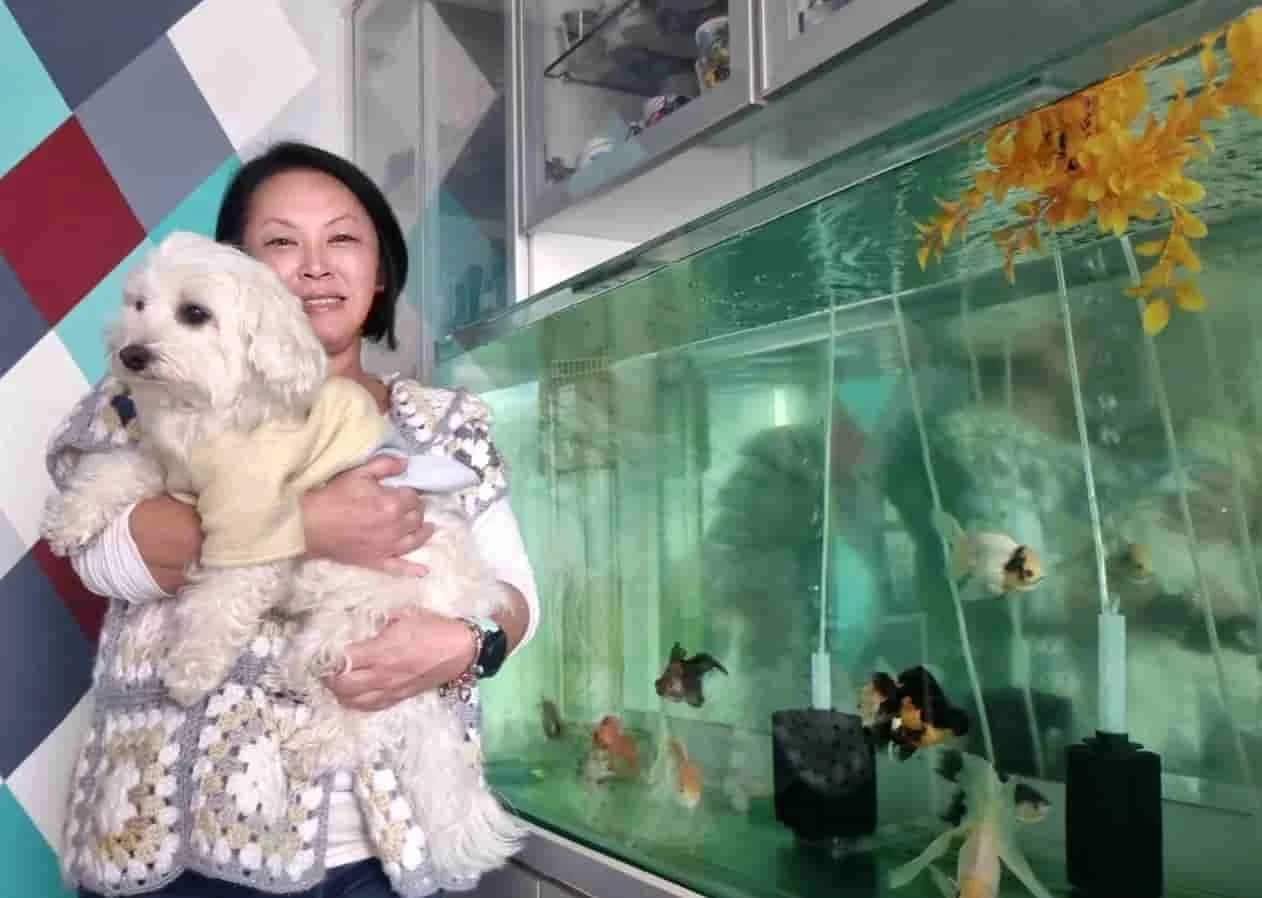
🏠 The 100G Lab
Where we torture test every hardware option, pellet line, and filter layout live.

🏃♀️ Grit & Eye
Marathon endurance meets the precise, millimeter structural focus of a seamstress.
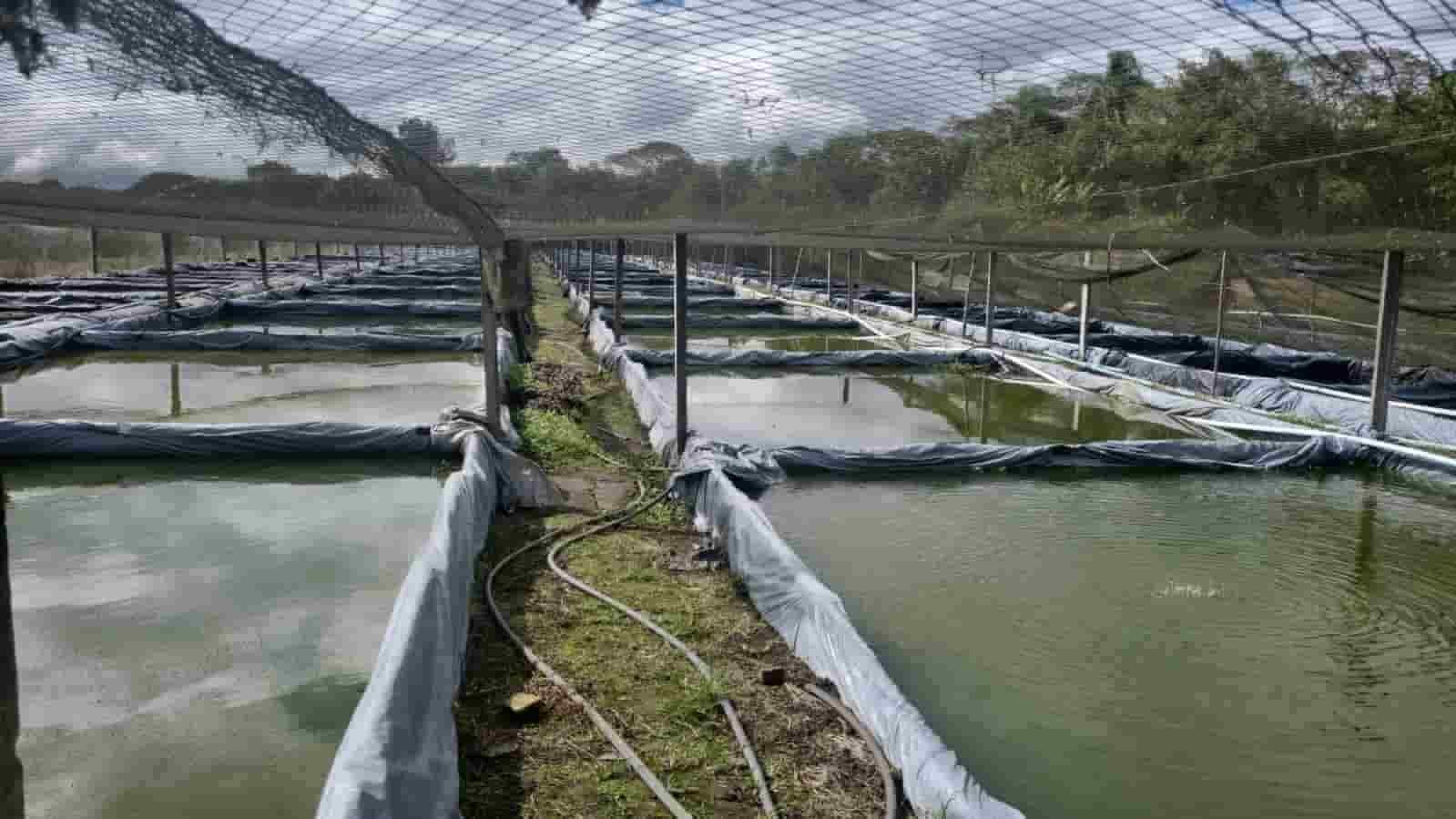
🐳 Monster Vats
Analyzing massive continuous turnovers inside large open-air mud farm vats.
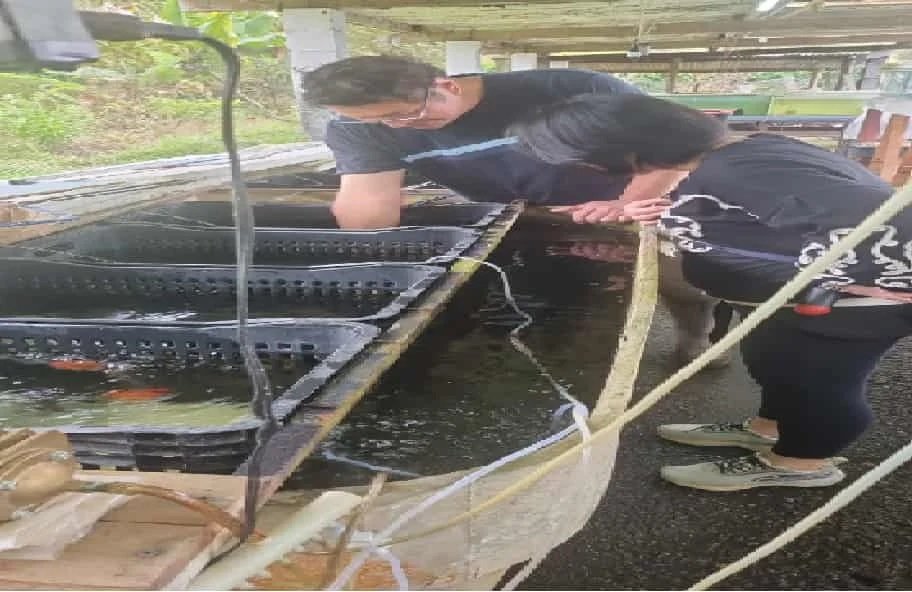
🤝 True Alliances
Working hand-in-hand with regional facility operations to target elite fancy bloodlines.
✨ Read also: Best Biological Media for Goldfish: The Heavy-Bioload Filtration Manual
A deeply technical piece of content that perfectly complements this post — absolutely worth the read.