
Poking a maintenance stick into your aquarium floor only to watch dark grey bubbles burst upward carrying a stomach-turning rotten egg smell is terrifying. Learning how to prevent toxic gas pockets in sand is the ultimate line of defense between maintaining a pristine bottom-dwelling habitat and accidentally triggering a lethal chemical explosion in your display tank. Pet shop clerks will happily sell you bags of silky-fine craft sand, tell you to dump a deep four-inch layer on your tank bottom, and completely omit how anaerobic toxins destroy red blood cells in fancy goldfish.
I’ve spent eight years managing a heavy-bioload 100-gallon setup packed with massive fancy goldfish, running long-distance trails, and applying seamstress-level precision to aquatic engineering. When fine sand compacts under water pressure, oxygenated water cannot penetrate deeper layers. This creates stagnant, oxygen-deprived dead zones where heterotrophic and sulfate-reducing bacteria thrive, turning trapped organic waste into lethal hydrogen sulfide ($H_2S$) gas.
By mastering substrate grain selection, controlling bed depth, and maintaining a non-negotiable routine siphoning schedule, you eradicate anaerobic gas traps permanently. You eliminate mysterious, unexplainable fish mortalities, protect your bio-filtration system, and keep your sand bed sparkling clean with absolute confidence.
How to Prevent Toxic Gas Pockets in Sand: The 30-Second Field Verdict
Cut the corporate sales fluff: keep your sand bed shallow (1.0 to 1.5 inches maximum), use uniform #20 grade pool filter sand (0.45mm–0.55mm grain size), and completely banish ultra-fine play sand from your home. Sift the substrate manually with a wooden chopstick or siphoning rake during bi-weekly water changes, or let heavy-sifting fancy goldfish turn the substrate over naturally. If dark discolorations or sulfur odors develop, gently siphon out the affected pocket while running high-output air stones—do not violently overturn an entire deep bed all at once.
| Substrate Type | Average Grain Size | Anaerobic Gas Risk | Goldfish Foraging Safety | Battlefield Drawback |
|---|---|---|---|---|
| Ultra-Fine Play Sand | Under 0.20 mm | Extremely High | Poor (risk of gill clogging) | Compacts into solid concrete-like layers |
| Pool Filter Sand (#20 Grade) | 0.45 mm – 0.55 mm | Very Low | Optimal for sifting | Requires thorough pre-washing |
| Coarse Heavy Silica Sand | 1.0 mm – 2.0 mm | Moderate | Good | Traps detritus in larger top crevices |
| Deep Soil/Dirted Substrates | Varies by model | High (if over 2 inches) | Unreported / Not recommended | Clouds display water if disturbed by fish |
| Bare Bottom Glass Floor | 0.0 mm | Zero | High (safest bioload option) | Shows visual detritus instantly |
Grain Size Selection: The First Line of Substrate Defense
The physics of sand compaction directly dictate whether oxygenated water can circulate through your substrate or if it seals shut like a tomb. Ultra-fine silica sands pack tightly under hydraulic pressure, locking out dissolved oxygen within 72 hours of submersion.
The Good: Medium-grade silica sand—specifically #20 pool filter sand (0.45mm to 0.55mm)—possesses uniform, rounded grains that naturally maintain microscopic spaces between particles.
The Bad: If you buy cheap bargain-bin play sand or decorative craft sand, the microscopic dust particles settle into every void, sealing the substrate and guaranteeing anaerobic gas formation.
Goldfish are natural bulldozers that constantly scoop up sand, mouth it for micro-fauna, and blast it out through their gills. Grain size selection is just as vital for their physical safety as it is for gas prevention.
The Good: Uniform pool filter sand passes harmlessly through goldfish gill rakers while keeping the top inch of the sand bed constantly agitated and aerated.
The Bad: Angular, sharp-edged architectural sands or crushed quartz can scratch delicate gill filaments and cut internal oral tissues during aggressive feeding frenzies.
Substrate Depth Physics: The Two-Inch Threshold
The total depth of your sand bed determines the boundary between aerobic biological activity and dangerous anaerobic decomposition. Oxygen penetration in standing or slow-moving water drops off exponentially past the first inch of fine substrate.
The Good: Maintaining a shallow sand bed (1.0 to 1.5 inches deep) allows water currents, goldfish foraging, and ambient diffusion to keep the entire substrate layer oxygenated.
The Bad: Piling sand three to five inches deep to create dramatic aquascape slopes invites disaster. The bottom two inches will turn black, go anaerobic, and build up high concentrations of toxic gas.
Heavy hardscape elements like granite boulders, large driftwood trunks, and resin monuments create localized compaction points when placed directly on top of deep sand beds.
The Good: Resting heavy rocks directly on the bare bottom glass before adding sand prevents anaerobic dead zones from forming underneath massive ornaments.
The Bad: Placing heavy decorations over a two-inch sand layer traps organic detritus underneath, creating isolated sulfur pockets that spill toxic gas into the water column if bumped during maintenance.
How to Prevent Toxic Gas Pockets in Sand Through Controlled Maintenance
Preventing hydrogen sulfide gas requires an active maintenance routine rather than passive reliance on filtration. You cannot expect filter intake currents to pull waste out from underneath a packed substrate bed.
During every bi-weekly water change, incorporate manual substrate sifting into your routine. Drag a wooden chopstick or dedicated sand rake through the bed in a grid pattern. This breaks up early bacterial matting and releases tiny micro-pockets of trapped gas long before they concentrate into lethal doses.
When using a vacuum siphon, hold the tube an inch above the sand surface while swirling it in circular motions. This lifts lightweight fish waste into the siphon while letting the heavier sand grains drop cleanly back to the tank floor.
The Realities of the Battlefield
Saltwater aquarists often champion “Deep Sand Beds” (DSB) for natural nitrate reduction through denitrification. BUT translating deep sand bed methodologies to a heavy-bioload freshwater goldfish setup is a catastrophic structural mistake.
Commercial substrate additives promise biological stability across deep sand beds. BUT heavy goldfish waste production overwhelms micro-pore oxygen flow, converting deep organic accumulation into a foul-smelling chemical hazard regardless of added bacterial supplements.
Burrowing organisms like Malaysian Trumpet Snails offer natural substrate tilling. BUT relying exclusively on snails without enforcing manual bed depth limits allows organic sludge to build up in deep, untouched lower corners beyond the snails’ reach.
Hypothetical Failure Scenario: The Aquascape Collapse
Consider a beginner hobbyist who sets up a 55-gallon aquarium. Wanting a lush, contoured look, they dump four inches of ultra-fine craft sand across the entire glass bottom. They place two massive slate rocks right on top of the deep bed and add a group of fancy goldfish.
Over the next six months, the display looks beautiful on the surface. But underneath, fish feces and uneaten food particles migrate down into the packed sand. Starved of oxygen, sulfate-reducing bacteria proliferate, converting trapped organic matter into hydrogen sulfide gas and turning the bottom two inches of sand jet black.
One Saturday, the hobbyist decides to redecorate and lifts the heavy slate rock. A massive bubble of trapped gas bursts to the surface, filling the room with a pungent rotten egg smell. Within three minutes, the free gas dissolves into the water column, binding to the hemoglobin in the goldfish’s bloodstream. The fish begin gasping at the surface, turn pale, and drop to the tank floor. By evening, the entire livestock population is dead—a classic aquascape collapse caused by ignoring basic substrate physics.
👇 Looking for more performance cheats? Check out our field-tested tactical blueprints:
The Goldfish Ecosystem Blueprint
Complete your advanced technical training loop by exploring our core evergreen resources.
How to Feed Goldfish for Maximum Lifespan
A deep breakdown of digestive tract mechanics, bloating prevention, and premium sinking diets.
How to Maintain a 100 Gallon Goldfish Tank
Large-scale system parameters. Deep sand bed mechanics, nitrogen cycling, and bioload management.
Ultimate Guide to Goldfish Tank Filtration
Heavy-duty hardware configurations. Optimizing parallel canisters, bio-media setups, and automation.
Practical Field Execution Checklist
- Execute how to prevent toxic gas pockets in sand by limiting bed depth.
Expert Tip: Maintain sand beds at a maximum depth of 1.0 to 1.5 inches to guarantee passive oxygen diffusion throughout the entire layer. - Select medium-grade #20 pool filter sand for optimal grain size.
Expert Tip: Uniform 0.45mm to 0.55mm rounded grains permit water circulation without packing tight like concrete under hydraulic pressure. - Rake sand beds manually during every second water change cycle.
Expert Tip: Dragging a wooden chopstick through the sand breaks up anaerobic zones before dangerous sulfate reduction can even begin. - Position heavy hardscape rocks directly on bare glass bottoms.
Expert Tip: Placing large decorations on top of deep sand creates trapped anaerobic zones underneath that rot away unseen. - Deploy Malaysian Trumpet Snails to turn substrate layers naturally.
Expert Tip: Burrowing snails act as biological tillers, continuously oxygenating sub-surface layers without disrupting rooted aquatic plants. - Avoid ultra-fine play sand sold in bargain-bin retail outlets.
Expert Tip: Dust-like sand particles lock out oxygen within 72 hours, creating perfect breeding grounds for lethal gas production. - Increase filter outlet circulation across the substrate surface.
Expert Tip: Directing low-level water flow across the sand bed accelerates micro-pore gas exchange and prevents detritus settling. - Siphon organic detritus before it sinks beneath the surface.
Expert Tip: Removing heavy goldfish waste off the top layer prevents organic matter from being buried by fish foraging actions. - Treat dark black substrate patches as active anaerobic hazard zones.
Expert Tip: Gently siphon black sand discolorations out of the tank immediately rather than stirring them blindly into the water column. - Crank up surface aeration when releasing trapped gas pockets.
Expert Tip: Running heavy air stones off-gasses micro-amounts of hydrogen sulfide rapidly while protecting vulnerable fish gills. - Keep goldfish foraging naturally with sinking pellet foods.
Expert Tip: Sinking foods encourage goldfish to constantly turn over the top inch of sand, providing free daily substrate aeration.
Dynamic No-Nonsense FAQ
What causes the rotten egg smell coming from my sand bed?
The rotten egg smell is toxic hydrogen sulfide ($H_2S$) gas. It is produced by sulfate-reducing anaerobic bacteria living in deep, oxygen-starved substrate layers packed with decaying fish waste and organic debris.
Will hydrogen sulfide gas bubbles kill my goldfish instantly?
In large concentrations, yes. $H_2S$ gas binds to blood hemoglobin, blocking cellular oxygen transport and causing rapid suffocation. Small micro-bubbles released during routine stirring off-gas safely if surface aeration is strong.
Is play sand safe for heavy-bioload goldfish setups?
No. Play sand is far too fine and contains inconsistent grain sizes that compact like concrete. It restricts oxygen flow almost immediately, making it a high-risk choice for heavy-bioload goldfish tanks.
How deep can I safely make a sand bed in a freshwater tank?
Keep your sand bed between 1.0 and 1.5 inches deep. Anything deeper than two inches without specialized burrowing fauna or constant manual sifting will develop anaerobic dead zones over time.
Do I need to vacuum sand the exact same way as gravel?
No. Deep gravel vacuuming involves plunging the tube down to the glass floor. With sand, hover the siphon tube an inch above the bed while swirling it to lift light detritus without sucking up heavy sand grains.
Why does sand turn black underneath the top layer?
Sand turns black due to iron sulfide precipitation, which occurs when hydrogen sulfide gas reacts with iron minerals in an oxygen-deprived environment. It is a clear visual warning that your substrate has gone anaerobic.
Are Malaysian Trumpet Snails safe to use with fancy goldfish?
Yes. Malaysian Trumpet Snails have extremely hard shells and hide buried in the sand during daylight hours. Goldfish generally ignore them, allowing the snails to stir sub-surface sand layers safely at night.
Should I completely replace my sand bed if gas pockets form?
Not necessarily. If the gas pocket is localized, gently siphon out the black discolored sand area during a water change. If the entire bed has turned black and smells foul, perform a complete substrate removal while housing your fish in a temporary tub.
🛡️ │ WHY TRUST SKYTC GOLDFISH CARE CURATION?
At SKYTC, we hold aquatic ecosystem biology and biological parameter handling to a rigorous standard. We are not an automated affiliate review engine; we apply hands-on tests and serious filtration engineering workflows to ensure every recommendation guarantees the health and maximum lifespan of your fish with absolute safety.
✓ Engineering:
Structural experience backed by heavy-duty filtration math, continuous hydraulic turnover metrics, and robust mechanical support for large-scale coldwater systems.
✓ Expertise:
Focuse on preventative biological husbandry and premium nutrition. Thoroughly auditing biological media, sinking feeds, and elements that completely neutralize ammonia spikes.
✓ Authority:
Curation signed by real keepers running a balanced 100-gallon display ecosystem for over 8 years, pairing daily practical benchwork with direct wholesale breeder insights.
✓ Trust:
Product selections built on unfiltered transparency—exposing actual electrical draws, heat dissipation issues, and hidden costs before any Amazon recommendations.
📸 Our Journey in the Real World
From daily living room tank turn rates to macro-scale breeding setups.
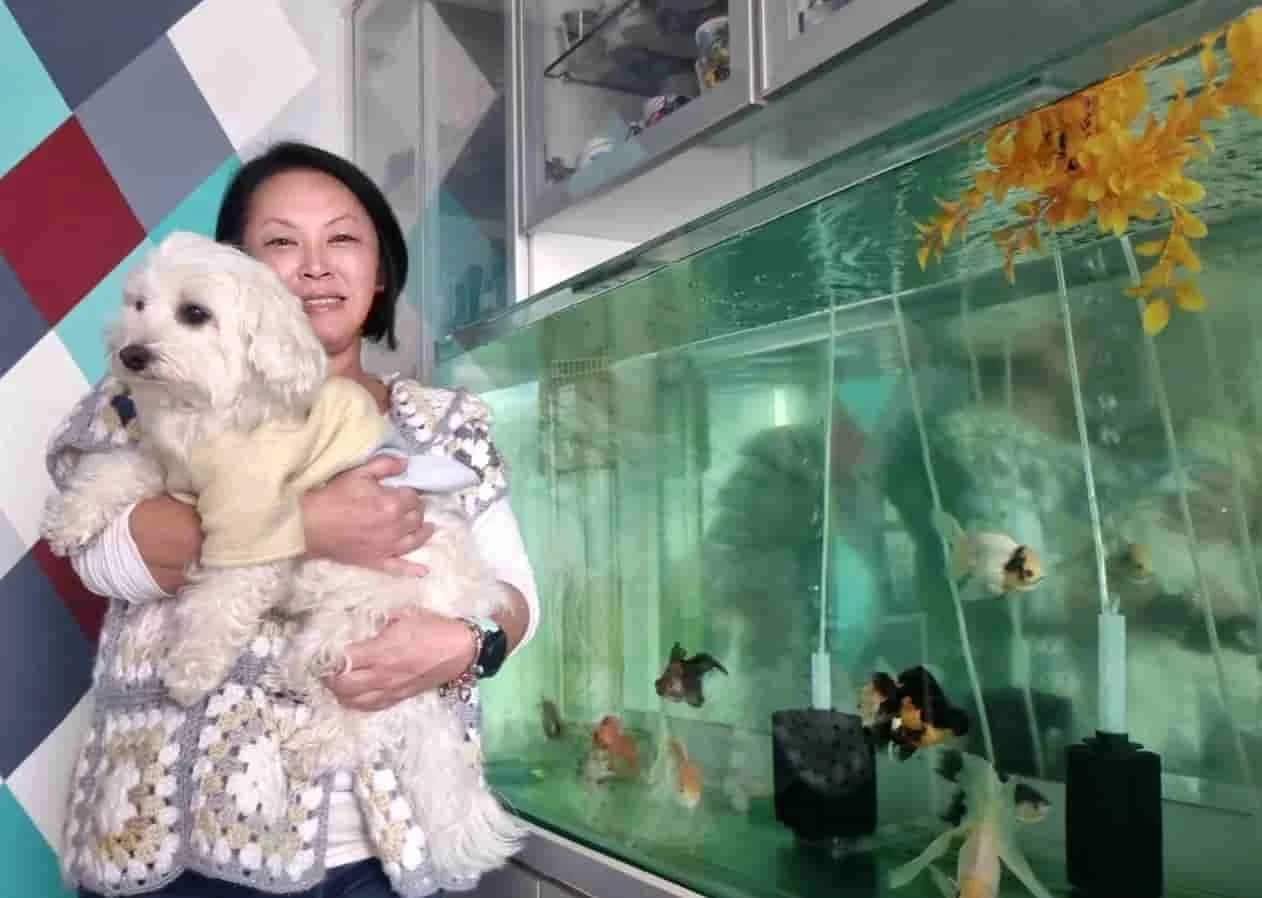
🏠 The 100G Lab
Where we torture test every hardware option, pellet line, and filter layout live.

🏃♀️ Grit & Eye
Marathon endurance meets the precise, millimeter structural focus of a seamstress.
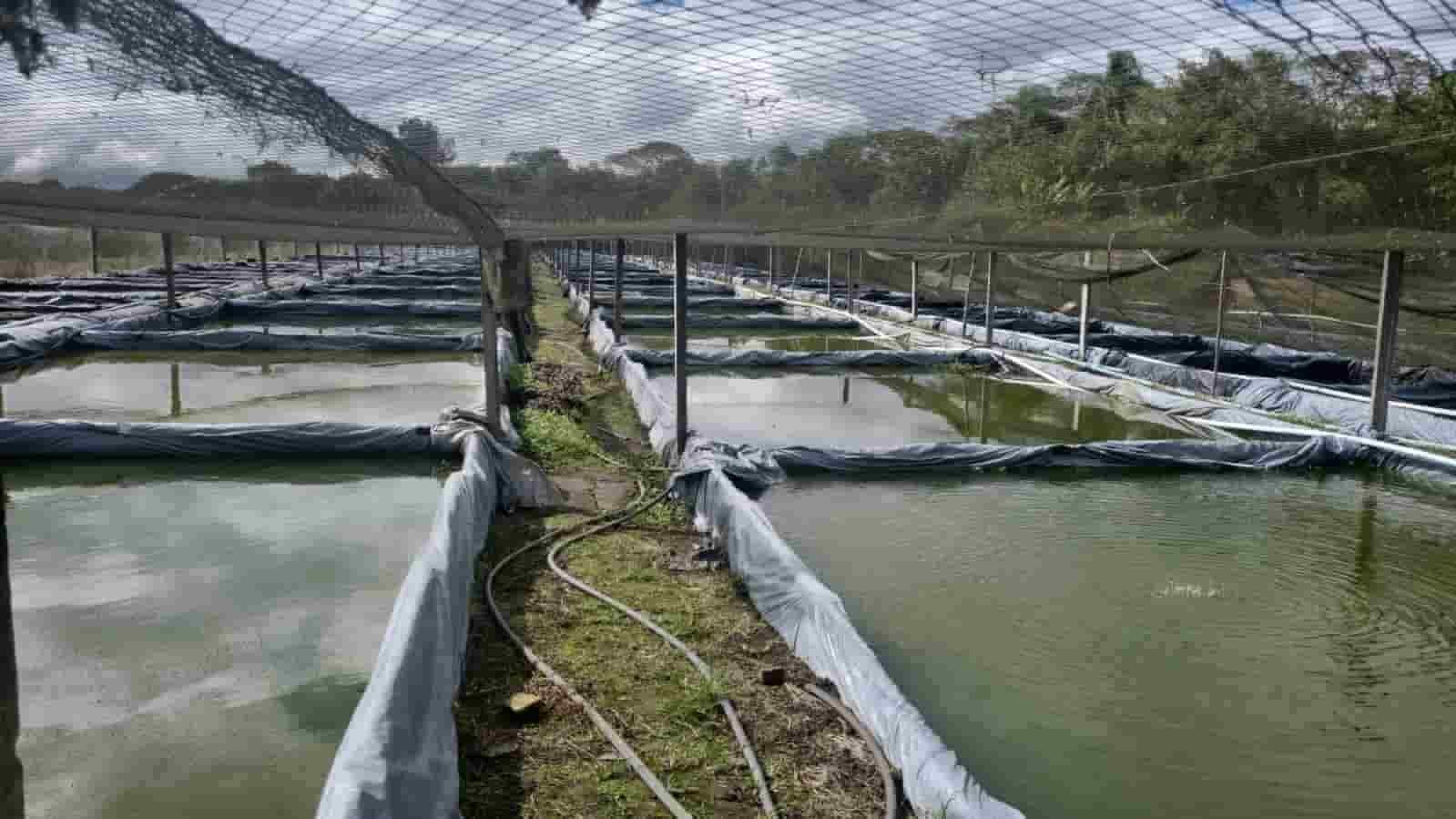
🐳 Monster Vats
Analyzing massive continuous turnovers inside large open-air mud farm vats.
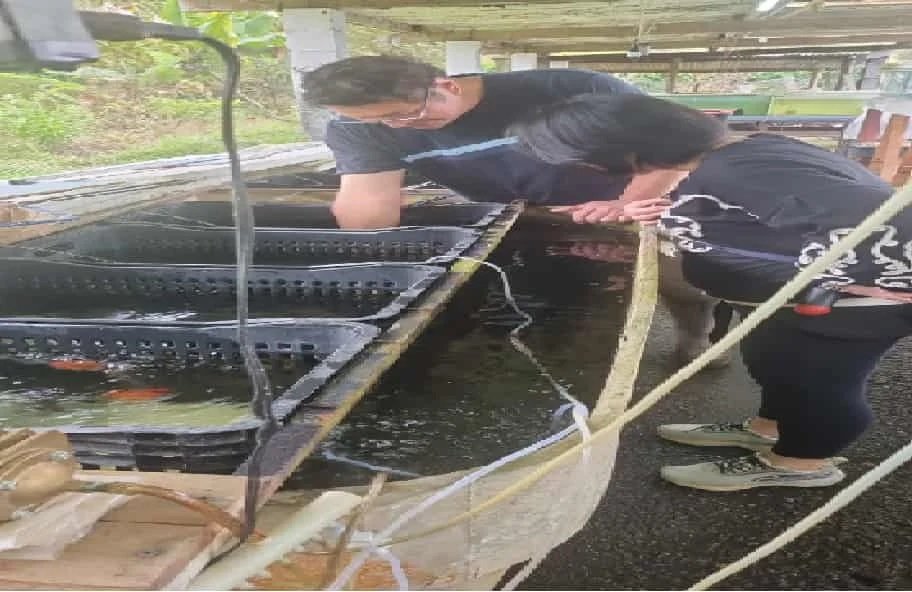
🤝 True Alliances
Working hand-in-hand with regional facility operations to target elite fancy bloodlines.
✨ Read also: Anaerobic Bacteria in Goldfish Tanks: The Unfiltered Deep Bed Manual
A deeply technical piece of content that perfectly complements this post — absolutely worth the read.