
Staring into your aquarium only to see yellow, tea-colored water, foul organic odors, and nitrate levels climbing out of control despite doing back-breaking weekly water changes is exhausting. This unfiltered Seachem Purigen review for goldfish setups slices straight through pet-shop marketing hype to reveal how this synthetic macroporous polymer actually behaves under extreme bioload conditions. Most retail clerks pitch it as a magic eraser that lets you stop doing water changes altogether, completely ignoring the mechanical realities of heavy waste production.
As a goldfish keeper of eight years maintaining a massive 100-gallon display tank packed with messy fancy goldfish, while running long-distance races and tailoring garments as a seamstress, I evaluate aquatic equipment through a lens of durability and zero-fluff efficiency. Goldfish dump massive amounts of nitrogenous waste, dissolved proteins, and organic pigments into the water column daily, rapidly overwhelming standard chemical filter media.
By understanding how synthetic polymer resins physically trap soluble and insoluble organic compounds before they convert into toxic ammonia and nitrates, you can transform your water clarity, reduce maintenance frequency, and safeguard your biological filtration investment. You gain polished, crystal-clear water while avoiding catastrophic regeneration mistakes that kill fish.
Seachem Purigen Review for Goldfish: The 30-Second Field Verdict
Straight counter talk: Seachem Purigen is a tactical cheat code for crystal-clear water, but it is NOT a replacement for regular water changes. Unlike activated carbon, this synthetic polymer specifically adsorbs soluble and insoluble organic nitrogen compounds before bacteria convert them into ammonia, nitrite, and nitrate. In a heavy-bioload goldfish tank, Purigen will exhaust in 4 to 8 weeks (turning dark brown or black) instead of the advertised 6 months. It recharges cleanly in household bleach, BUT if you fail to neutralize residual chlorine with a proper water conditioner (or use amine-based slime coat products that permanently ruin the resin), you will poison your entire tank. Highly recommended for clarity, but handle regeneration with extreme discipline.
| Media Category | Primary Adsorption Target | Goldfish Tank Lifespan | Rechargeable Capacity | Battlefield Drawback |
|---|---|---|---|---|
| Seachem Purigen | Dissolved Organic Proteins & Dyes | 4 to 8 weeks (high bioload) | Yes (Household Bleach Soak) | Bleach toxicity risk if mismanaged |
| Activated Carbon | Toxins, Dyes, & Heavy Metals | 2 to 4 weeks | No (Single Use Only) | Leaches toxins when fully saturated |
| Natural Zeolite | Direct Ammonia Ions ($NH_4^+$) | 1 to 3 weeks | Yes (Salt Water Soak) | Strips salt treatments from water |
| Specialty Nitrate Resins | Nitrate Ions ($NO_3^-$) | Varies by model | Yes (Specific Salt Rinses) | Fails in high-salinity water setups |
| Synthetic Polyfill Floss | Particulate Floating Waste | 1 to 2 weeks | No (Disposable) | Clogs rapidly; zero chemical action |
Adsorption Physics: Synthetic Polymer vs. Activated Carbon
Understanding the molecular difference between synthetic resin media and traditional carbon is critical for managing heavy bioloads. Activated carbon operates via non-selective pore adsorption, grabbing everything from heavy metals and plant fertilizers to organic dyes until its active binding sites clog completely.
The Good: Seachem Purigen consists of spherical macroporous synthetic polymer beads engineered specifically to attract nitrogenous organic compounds. It ignores essential trace minerals while binding dissolved proteins before they rot.
The Bad: Because it is hyper-selective for organic nitrogen, Purigen will not remove heavy metals, copper medications, or mineral salts from your water column. It is an organic polisher, not an all-in-one chemical detoxifier.
Goldfish generate high volumes of organic waste that turn water dull and yellowish. Standard carbon saturates in a heavy goldfish system within a fortnight, becoming an inert brick that occupies valuable filter space.
The Good: Purigen changes color as it fills up, shifting from off-white to tan, dark brown, and finally pitch black. This visual gauge tells you exactly when the media is spent without guesswork.
The Bad: The tiny resin beads (resembling microscopic white caviar) require ultra-fine mesh bags (like Seachem’s The Bag). Placing loose beads in standard coarse mesh bags allows them to spill into your filter and jam motor impellers.
Seachem Purigen Review for Goldfish: Performance in Heavy-Bioload Tanks
In a heavy-bioload aquarium housing large fancy goldfish, biological filtration works overtime. As fish excrete metabolic waste and uneaten food decays, heterotrophic bacteria break down proteins into free ammonia, which nitrifying bacteria process into nitrites and nitrates.
Purigen intervenes at the very top of this cycle. By scavenging soluble and insoluble organic proteins directly out of solution, it starves heterotrophic bacteria of their fuel source. This significantly slows down the rate at which nitrates accumulate between your routine water changes.
However, running Purigen in a goldfish setup requires strict placement rules. It must always sit in the final stage of your filtration system—directly after your coarse sponges, medium foams, and fine poly-floss pads. If raw fish feces or debris hits the Purigen bag directly, organic sludge glazes over the microscopic resin beads, killing its adsorption capacity long before the polymer chemically exhausts.
The Realities of the Battlefield
High-end filter media manufacturers love marketing infinite regeneration cycles, zero-nitrate environments, and crystal-clear water for months on end. But real-world mud, goldfish slime coats, and human maintenance errors present hard realities in home aquariums.
Purigen provides unmatched visual clarity by stripping water tannins and dissolved yellow proteins completely. BUT the tiny polymer beads are so lightweight that high-flow canister filters easily cause water to bypass the media bag entirely if the bag is crammed tightly into a media tray.
The media can be regenerated multiple times by soaking it in a household bleach solution to burn off bound organics. BUT using slime-coat products containing protective amine polymers will permanently foul the resin, producing toxic chloramine gas when later exposed to bleach during regeneration.
Hypothetical Failure Scenario: The Amine Bleach Poisoning
Consider a beginner hobbyist running a 55-gallon fancy goldfish aquarium with a heavy-duty canister filter. They add a bag of Purigen and use a bargain-bin water conditioner that contains synthetic amine-based slime coat additives during weekly maintenance.
After six weeks, the Purigen turns pitch black. The keeper follows the instructions to recharge the media: they soak the bag in a 1:1 household bleach solution for 24 hours until the beads turn bright white again. They give it a brief rinse under the tap, submerge it in a light dechlorinator bath for ten minutes, and toss the bag back into the canister filter.
What they don’t realize is that the amine polymers from their water conditioner permanently bound to the internal structure of the resin. When mixed with bleach, these amines formed non-neutralizable chloramines trapped deep within the micro-beads. Within two hours of restarting the filter, toxic chloramine gas leaches into the display tank. The goldfish begin darting wildly, burning their gills, and gasping at the surface. By morning, the entire tank has suffered acute chemical toxicity—a tragic collapse caused by mismanaging chemical regeneration safety.
👇 Looking for more performance cheats? Check out our field-tested tactical blueprints:
The Goldfish Ecosystem Blueprint
Complete your advanced technical training loop by exploring our core evergreen resources.
How to Feed Goldfish for Maximum Lifespan
A deep breakdown of digestive tract mechanics, bloating prevention, and premium sinking diets.
How to Maintain a 100 Gallon Goldfish Tank
Large-scale system parameters. Deep sand bed mechanics, nitrogen cycling, and bioload management.
Ultimate Guide to Goldfish Tank Filtration
Heavy-duty hardware configurations. Optimizing parallel canisters, bio-media setups, and automation.
Practical Field Execution Checklist
- Deploy this Seachem Purigen review for goldfish to optimize media placement.
Expert Tip: Position Purigen bags in the final stage of your canister filter, directly after fine mechanical pads, to prevent organic sludge from blinding the resin beads. - Utilize high-density micro-mesh bags designed specifically for fine resins.
Expert Tip: Standard media bags have mesh openings far too large, allowing tiny resin beads to spill out and destroy canister motor impellers. - Monitor color shifts from golden-yellow to dark brown-black closely.
Expert Tip: Dark coloration indicates full saturation with organic nitrogenous waste, signaling an immediate need for regeneration or replacement. - Soak exhausted resin in a 1:1 household bleach solution.
Expert Tip: Use plain, non-scented household bleach without thickeners or detergents to oxidation-clean organic waste off the polymer beads. - Rinse bleached resin thoroughly in fresh tap water twice.
Expert Tip: Vigorous rinsing removes the vast majority of surface bleach before applying your chemical neutralizing baths. - Soak regenerated Purigen in double-strength dechlorinator water for eight hours.
Expert Tip: Using a heavy dose of sodium thiosulfate or Prime ensures every trace of chlorine gas embedded inside micro-pores is neutralized. - Test regenerated resin scent before re-introducing it to filter chambers.
Expert Tip: If the mesh bag smells even faintly of bleach or swimming pool water, do not place it in your aquarium; repeat neutralizing soaks. - Avoid stress-coat water conditioners containing protective amine polymers.
Expert Tip: Amine-based slime coat products bind irreversibly to Purigen, reacting with bleach during regeneration to form toxic chloramines. - Maintain regular water change schedules despite pristine water clarity.
Expert Tip: Purigen strips organic precursors but does not remove mineral buildup, heavy metals, or dissolved hormones released by growing fish. - Store reserve Purigen bags in airtight moist containers when inactive.
Expert Tip: Allowing synthetic polymer beads to dry out completely causes them to crack, disintegrate, and lose structural integrity. - Stagger media maintenance to preserve continuous chemical polishing.
Expert Tip: Rotate two separate Purigen bags so one is active in the filter while the other undergoes deep bleaching and neutralizing soaks.
Dynamic No-Nonsense FAQ
Does Seachem Purigen completely eliminate the need for water changes?
No. Absolutely not. While Purigen controls organic dyes and slows down nitrate accumulation by stripping pre-ammonia proteins, it does not remove dissolved mineral salts, heavy metals, or growth-inhibiting hormones. Regular water changes remain non-negotiable.
How long does a bag of Purigen last in a goldfish aquarium?
In a heavy-bioload goldfish setup, Purigen lasts between 4 and 8 weeks before requiring regeneration. The advertised 6-month lifespan applies to lightly stocked tropical tanks, not heavy waste producers like fancy goldfish.
Can Purigen leak trapped pollutants back into the water if ignored?
No. Unlike low-grade activated carbon which can weak-bond and re-release pollutants when exhausted, Purigen holds bound organic molecules tightly within its synthetic polymer structure even after turning dark black.
Is bleach regeneration actually safe for sensitive fancy goldfish?
Yes, provided you follow neutralizing protocols with military discipline. You must soak the bleached bag in a heavy dose of water conditioner (like Seachem Prime) for at least 8 hours and verify zero chlorine smell remains before installation.
Why did my Purigen turn black in less than three weeks?
Rapid darkening means your aquarium has a massive dissolved organic load. This is caused by overfeeding, inadequate mechanical pre-filtration, decaying plants, or heavy fish stocking. Improve mechanical filtration upstream to extend Purigen’s lifespan.
Can I use Purigen alongside activated carbon in the same filter?
You can, but it is redundant. Purigen does a vastly superior job at scavenging organic waste and polishing water. Reserve your filter basket volume for mechanical sponges, high-porosity biomedia, and Purigen.
What happens if Purigen resin beads leak into my canister motor?
The hard synthetic micro-beads will get caught between the magnetic impeller and the pump chamber wall. This causes loud grinding noises, scores the ceramic impeller shaft, and will burn out the filter motor if not cleaned out instantly.
Will Purigen strip beneficial plant fertilizers or trace minerals?
No. Purigen is designed to target nitrogenous organic compounds. It does not adsorb inorganic trace elements, micronutrients, iron, or mineral salts needed for live aquarium plant growth.
🛡️ │ WHY TRUST SKYTC GOLDFISH CARE CURATION?
At SKYTC, we hold aquatic ecosystem biology and biological parameter handling to a rigorous standard. We are not an automated affiliate review engine; we apply hands-on tests and serious filtration engineering workflows to ensure every recommendation guarantees the health and maximum lifespan of your fish with absolute safety.
✓ Engineering:
Structural experience backed by heavy-duty filtration math, continuous hydraulic turnover metrics, and robust mechanical support for large-scale coldwater systems.
✓ Expertise:
Focuse on preventative biological husbandry and premium nutrition. Thoroughly auditing biological media, sinking feeds, and elements that completely neutralize ammonia spikes.
✓ Authority:
Curation signed by real keepers running a balanced 100-gallon display ecosystem for over 8 years, pairing daily practical benchwork with direct wholesale breeder insights.
✓ Trust:
Product selections built on unfiltered transparency—exposing actual electrical draws, heat dissipation issues, and hidden costs before any Amazon recommendations.
📸 Our Journey in the Real World
From daily living room tank turn rates to macro-scale breeding setups.

🏠 The 100G Lab
Where we torture test every hardware option, pellet line, and filter layout live.

🏃♀️ Grit & Eye
Marathon endurance meets the precise, millimeter structural focus of a seamstress.
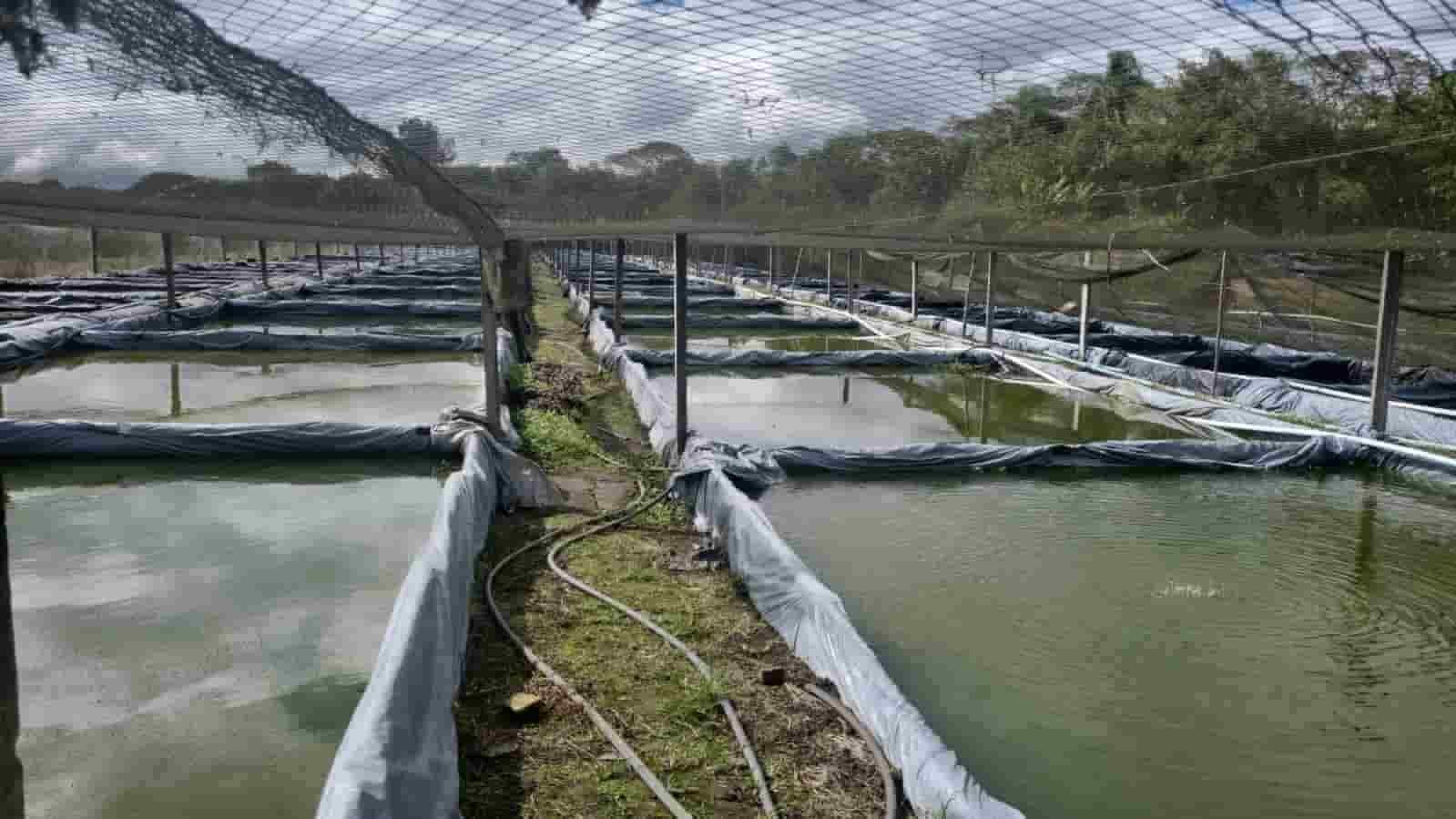
🐳 Monster Vats
Analyzing massive continuous turnovers inside large open-air mud farm vats.
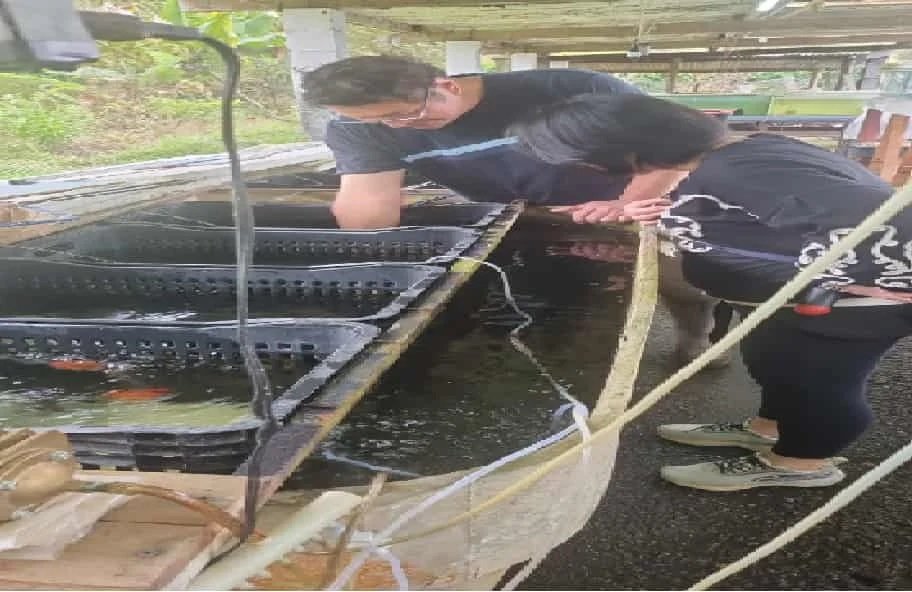
🤝 True Alliances
Working hand-in-hand with regional facility operations to target elite fancy bloodlines.
✨ Read also: How to Arrange Canister Filter Media: The Heavy-Bioload Masterclass
A deeply technical piece of content that perfectly complements this post — absolutely worth the read.