
You unbox a brand-new multi-stage canister filter, pop open the media trays, and stare at bags of shiny plastic spiked spheres and chalky white cylinders. When managing high-waste aquatic setups, choosing between ceramic rings vs bio balls in filters is the single most critical hardware fork in the road.
I have spent eight continuous years managing heavy-bioload 100-gallon wet setups while balancing long-distance marathon training and sewing work. If your filtration media is uncalibrated, you will spend your entire weekend dragging heavy five-gallon buckets across your living room floor instead of enjoying your aquarium.
Pet shop salespeople love pushing whatever bargain-bin accessories are overstocked on their shelves, completely ignoring the fluid dynamics of biological filtration. Sintered ceramics and plastic geometries behave entirely differently under hydraulic pressure, and using the wrong one guarantees chronic nitrite stalls and cloudy, toxic water.
Understanding the exact functional difference between these two media classes gives you bulletproof biological stability, saves you from wasting cash on useless chemical fixes, and protects your lower back and joints from endless emergency tank tear-downs.
The Water Parameter: The Nitrate Cycle
Here is your tech support counter talk recap: cut the nonsense and look at where the water actually moves. Plastic bio-balls are engineered exclusively for emergent, oxygen-saturated trickle towers and wet-dry sumps where water sheets over plastic ribs in the open air. If you submerge plastic bio-balls inside a sealed, pressurized canister filter basket, you are wasting over seventy percent of your chamber volume on useless dead space.
Submerged biological filtration requires high specific surface area per cubic inch. Highly porous sintered ceramic rings feature millions of microscopic interconnected internal pores that house massive colonies of Nitrosomonas and Nitrospira bacteria. Run sintered ceramic rings in submerged canister trays and save plastic bio-balls strictly for overhead trickle filters or dry sump chambers where atmospheric gas exchange occurs.
Ceramic Rings vs Bio Balls in Filters: Technical Media Benchmark
Before packing your filter baskets with random media, examine how different structures perform under continuous heavy-bioload aquatic conditions:
| Biological Media Classification | Specific Surface Area (m²/L) | Optimal Hydraulic Deployment | Pore Blinding & Sludge Susceptibility | Canister Head Pressure Resistance |
|---|---|---|---|---|
| Sintered Glass / Porous Ceramic Rings | 800 – 1200 | Fully Submerged Canister / HOB | Moderate (Requires Mechanical Pre-Filter) | Optimal / Low Hydraulic Drag |
| Smooth Non-Porous Ceramic Rings | 150 – 250 | Mechanical Flow Diffuser / Submerged | Low / Surface Sloughing Only | Negligible Resistance |
| Ribbed Plastic Bio Balls | 50 – 100 | Wet-Dry Trickle / Emergent Sump | Zero Internal Blinding (Open Void) | Near Zero Drag (Bulky Packing) |
| Fluidized Moving Bed Media (K1 Type) | 500 – 800 | Aerated Moving Bed Reactor Chamber | Self-Cleaning via Continuous Agitation | Unreported / Bypass Dependent |
| Porous Ceramic Blocks / Spheres | 1000 – 1400 | Submerged Sump Baffles / Trays | High / Rapid Pore Siltation | Moderate Hydraulic Resistance |
| Crushed Volcanic Lava Pumice | Varies by model | Submerged Coarse Biological Layer | High (Irregular Caverns Trap Debris) | Moderate (Induces Flow Channeling) |
The Bare-Metal Trial: Pros, Cons, and Real-World Wear
Let us break down the physical reality of loading these materials into real-world filter trays, cutting through the marketing hype to expose the practical flaws of each setup.
Sintered Ceramic Rings:
The Good: The biological density is unmatched. A single basket of high-grade sintered ceramic rings provides the same aerobic nitrifying surface area as an entire trash can filled with plastic bio-balls, locking your ammonia and nitrite levels at absolute zero even in overstocked setups.
The Bad: They are brittle. Low-grade ceramic batches shed abrasive mineral dust during shipment, and if you do not run dense mechanical floss upstream, heterotrophic bio-sludge will blind the micropores within six months, cutting biological efficiency in half.
Plastic Bio Balls:
The Good: They are practically indestructible. You can drop them, scrub them with a stiff brush, and run them for thirty years without structural degradation or calcium breakdown, and they never clog under heavy fish waste.
The Bad: Their surface-area-to-volume ratio in a submerged state is pitiful. Packing them into a canister filter is like parking a bicycle inside a warehouse; they occupy massive physical space while providing minimal biological processing power for submerged water streams.
The Wet-Bench Trial: Real Pump and Media Degradation
Manufacturers love boasting about infinite flow ratings and maintenance-free media longevity across controlled lab loops. However, packing dense porous rings into a closed canister loop without balancing mechanical pre-filtration causes rapid hydraulic degradation that destroys hardware.
As biological biofilm thickens across dense ceramic rings, fluid friction increases throughout the media chamber. This friction creates dynamic head pressure loss across the canister motor head, forcing the magnetic impeller to fight continuous hydraulic resistance. Over twelve months, this backpressure accelerates ceramic shaft friction shearing, leading to motor overheating, warped O-rings, and sudden dynamic pump seal leaks.
Conversely, while plastic bio-balls never generate head pressure loss, their hard polypropylene spines rattle against filter basket walls under turbulent pump flow. This micro-vibration scuffs the inner plastic housing of budget-friendly filter units, creating micro-channels where unconditioned water bypasses the biological bed entirely.
The Hypostatical Failure Scenario
Consider the classic beginner mistake: an aquarist sets up a four-stage canister filter on a heavy-bioload tank, fills two entire middle trays with smooth plastic bio-balls, and places fine mechanical polish pads on the very bottom below the media trays.
Within eight weeks, stringy fish waste bypasses the plastic bio-balls completely, coating the biological surfaces in brown slime while failing to convert ammonia efficiently. Panicking over a sudden toxic nitrite spike, the owner rips the canister open and blasts the ceramic rings in the top tray with scalding, chlorinated tap water to get rid of the brown gunk.
The chlorine instantly obliterates the fragile autotrophic bacterial biofilm, while the bio-balls beneath provide zero submerged conversion capacity. The next morning, the tank suffers a total biological crash: water turns milky white, dissolved oxygen plummets, and expensive livestock gasps at the surface from acute ammonia toxicity.
The Filter Cycle: Parametric Water Management Checklist
- Compare ceramic rings vs bio balls in filters before stocking. Expert Tip: Deploy sintered ceramic rings inside submerged canister trays and reserve plastic bio-balls strictly for emergent trickle chambers or wet-dry sump towers.
- Place coarse mechanical foam before your biological media trays. Expert Tip: Intercepting large solid waste particles upstream prevents sticky fish feces from blinding the microscopic pores of expensive sintered ceramic rings.
- Rinse new ceramic media thoroughly before initial tank installation. Expert Tip: Wash away loose ceramic manufacturing dust in a bucket of dechlorinated water to prevent abrasive silica particles from scoring your magnetic pump shaft.
- Leave ninety percent of biological media untouched during cleanings. Expert Tip: Never sanitize biological trays; swish media gently in extracted aquarium water only when sludge visibly impedes hydraulic flow through the basket.
- Never wash biological filter media under chlorinated tap water. Expert Tip: Municipal chlorine and chloramines instantly oxidize and destroy autotrophic nitrifying biofilms, triggering immediate parametric cycle collapse.
- Select sintered glass over smooth glazed ceramic cylinders. Expert Tip: Glazed smooth ceramics offer only outer surface area, whereas sintered glass features extensive internal micropore matrices for maximum bacterial colonization.
- Inspect plastic bio-balls periodically for channeling in trickles. Expert Tip: Ensure water distribution drip plates distribute flow evenly across the entire bio-ball bed to avoid dry zones that kill biological colonies.
- Bag loose ceramic rings inside coarse mesh media bags. Expert Tip: Utilizing zippered nylon media bags speeds up canister teardowns and prevents loose ceramic cylinders from jamming bypass bypass channels.
- Monitor canister output flow for early signs of clogging. Expert Tip: A noticeable drop in spray bar output velocity indicates biological sludge accumulation within ceramic matrices, requiring a gentle maintenance rinse.
- Avoid over-packing filter baskets beyond their structural rim limits. Expert Tip: Forcing media trays shut compresses internal gaskets, warping canister alignment and causing unpressurized water bypass around the biological stages.
- Upgrade media quality before purchasing larger supplemental filter units. Expert Tip: Replacing budget-friendly plastic rings with premium tier sintered glass multiplies your biological capacity fourfold without requiring extra wattage or space.
The Goldfish Ecology: Straight Answers to Filtration Queries
Do ceramic rings ever need to be permanently replaced?
No. High-grade sintered ceramic rings last for years. You only need to replace them if they physically crumble into powder. Swish them in discarded tank water during routine maintenance to purge sludge; discarding them throws your cycle into the trash.
Can I run bio balls and ceramic rings in the same canister filter?
You can, but it is an inefficient use of space. Use your limited canister tray capacity exclusively for high-surface-area sintered ceramic media or coarse mechanical foam. Bio-balls take up too much volume for the minimal submerged bacterial colonization they provide.
Why do smooth ceramic rings perform worse than sintered glass rings?
Smooth ceramics only support bacterial colonization on their slick exterior surface. Sintered glass media is manufactured under high heat to create vast internal cavernous networks, providing up to ten times more usable biological surface area per liter.
Does plastic bio ball media leach toxic chemicals into freshwater?
High-grade polypropylene bio-balls are completely inert and non-toxic. However, avoid bargain-bin unbranded plastics that emit strong chemical odors, as cheap industrial polymers can leach plasticizers and heavy metals directly into your water column.
How do I clean clogged biological media without killing the cycle?
Fill a clean bucket with siphoned tank water during a water change. Remove the media basket, dunk it into the bucket, and gently shake it to dislodge heavy detritus. Never use brushes, tap water, or chemical cleaners on active biological media.
Can bio balls work effectively inside an internal submersible filter?
Not effectively. Small internal power filters have minimal chamber volume. Filling that tiny space with three plastic bio-balls gives you almost zero biological filtration. Pack internal filters with dense open-cell foam or mini sintered rings instead.
How long does it take for new ceramic rings to fully seed with bacteria?
Under standard conditions, nitrifying bacteria require four to six weeks to fully colonize clean ceramic media. You can accelerate this timeline by seeding the new media in an established tank or dosing concentrated autotrophic bacterial cultures.
Will excessive biological media drop my water flow rate to zero?
Media itself rarely halts flow; decaying organic sludge trapped inside unmaintained media is what chokes pumps. As long as you maintain solid mechanical pre-filtration upstream, your canister pump will easily push water through ceramic beds without stalling.
🛡️ │ WHY TRUST SKYTC GOLDFISH CARE CURATION?
At SKYTC, we hold aquatic ecosystem biology and biological parameter handling to a rigorous standard. We are not an automated affiliate review engine; we apply hands-on tests and serious filtration engineering workflows to ensure every recommendation guarantees the health and maximum lifespan of your fish with absolute safety.
✓ Engineering:
Structural experience backed by heavy-duty filtration math, continuous hydraulic turnover metrics, and robust mechanical support for large-scale coldwater systems.
✓ Expertise:
Focuse on preventative biological husbandry and premium nutrition. Thoroughly auditing biological media, sinking feeds, and elements that completely neutralize ammonia spikes.
✓ Authority:
Curation signed by real keepers running a balanced 100-gallon display ecosystem for over 8 years, pairing daily practical benchwork with direct wholesale breeder insights.
✓ Trust:
Product selections built on unfiltered transparency—exposing actual electrical draws, heat dissipation issues, and hidden costs before any Amazon recommendations.
📸 Our Journey in the Real World
From daily living room tank turn rates to macro-scale breeding setups.
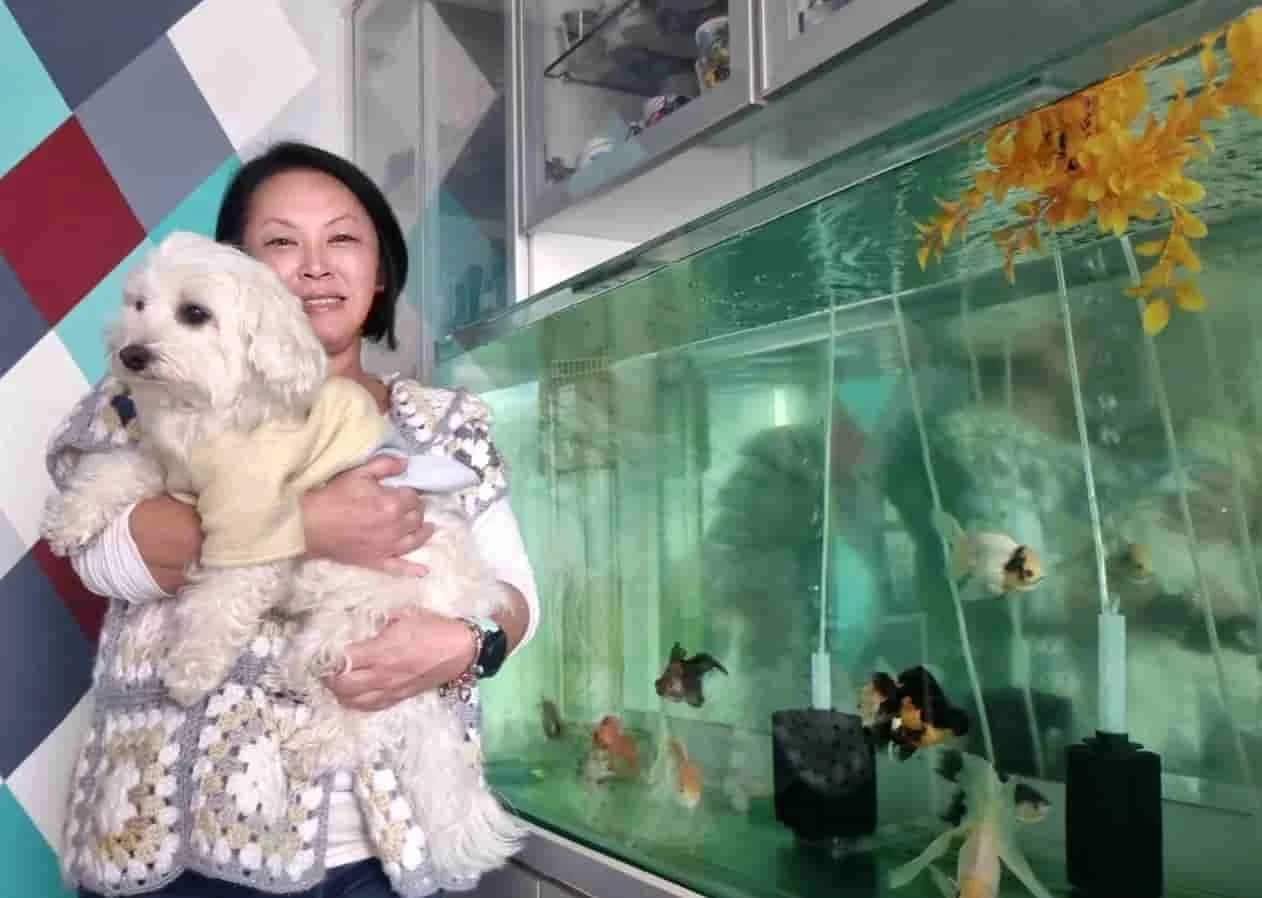
🏠 The 100G Lab
Where we torture test every hardware option, pellet line, and filter layout live.
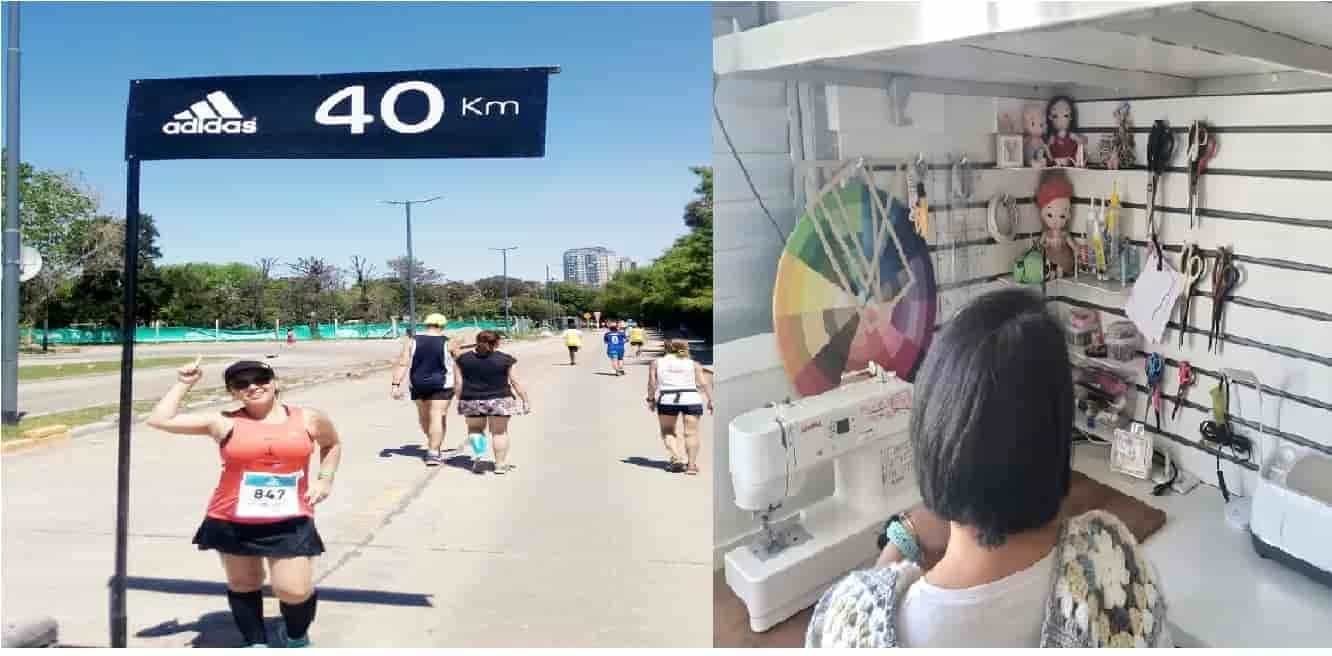
🏃♀️ Grit & Eye
Marathon endurance meets the precise, millimeter structural focus of a seamstress.
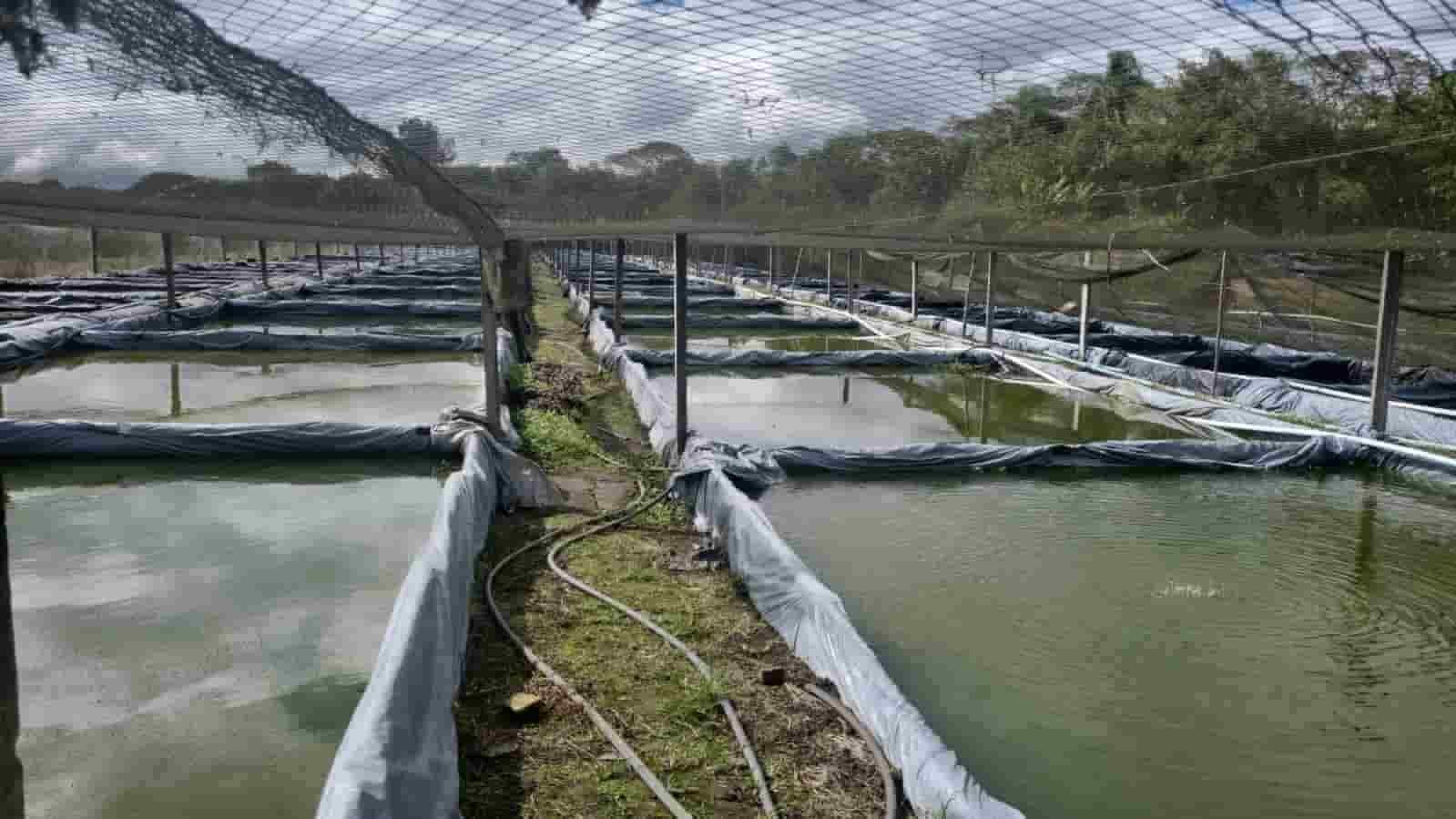
🐳 Monster Vats
Analyzing massive continuous turnovers inside large open-air mud farm vats.
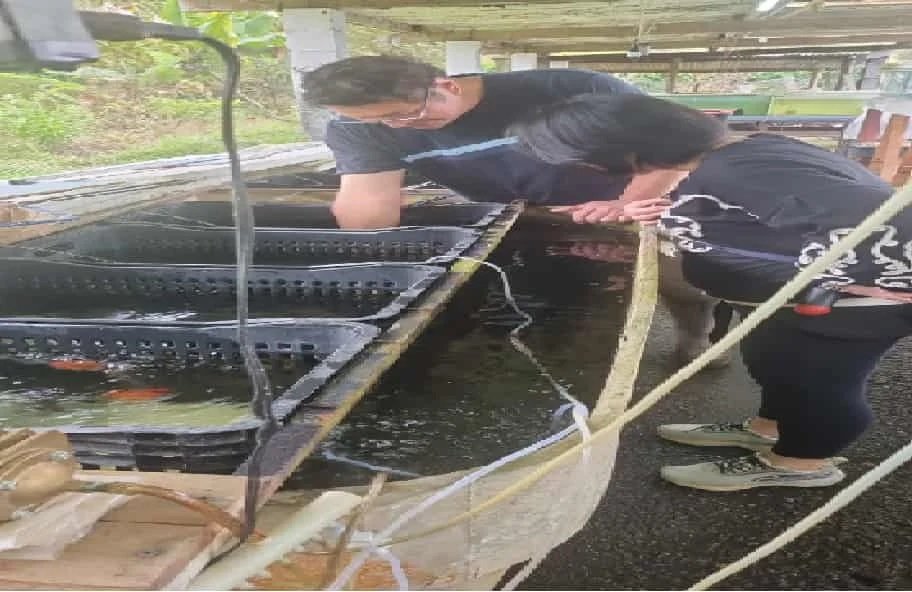
🤝 True Alliances
Working hand-in-hand with regional facility operations to target elite fancy bloodlines.
Heavy-Bioload Filtration Dynamics: Field Reference Link
Read also: Seachem Purigen Review for Goldfish: The Heavy-Bioload Filtration Verdict
CRITICAL BENCH WARNING: Unregulated media resistance induces dynamic canister head pressure loss and magnetic shaft friction shearing, leading to accelerated biological filtration degradation and volatile nitrate cycle crashes under heavy metabolic loads.