
Living with a Turkish Angora is like sharing your home with a supermodel who moonlights as an acrobatic ninja. Sifting through the smart litter boxes for Turkish Angoras is not about chasing sleek lifestyle gimmicks; it is about finding heavy-duty, wide-clearance automated equipment that respects their long, silky coats and athletic, high-energy bathroom habits.
Most commercial automated litter boxes are built like cramped plastic washing machines designed for sedentary, short-haired cats. You plug in a trending enclosed globe, and within forty-eight hours, your Turkish Angora’s magnificent plumed tail has dragged across a dirty waste rim, turning that silky white fur into a localized hygiene disaster.
Even worse, Angoras are exceptionally intelligent and naturally cautious. If a noisy motor grinds, a cheap sensor stalls mid-rotation, or an uncalibrated pinch-point pinches their paws, they will develop instant litter box aversion and turn your expensive Persian rugs into their private bathroom.
By investing in properly engineered automated stations featuring massive entry apertures, seamless non-stick basins, and intelligent multi-zone safety radar, you eliminate daily scooping fatigue, keep that pristine coat free of sticky clay sludge, and protect your cat’s urinary tract health for the next decade.
Flash Exposure: The Canine Instinct Summary
Look, let us cut through the showroom marketing fluff straight at the tech counter: if an automated litter box has a narrow entryway under ten inches, an exposed rake mechanism that grabs fur, or a split-globe chassis that traps urine behind internal seams, keep walking.
Turkish Angoras require three non-negotiable structural baselines: an open-top architecture or extra-large entryway that will not crimp a full-plumed tail, a continuous seamless silicone basin that prevents high-spray leakage into the underlying drive motor, and dual-layer weight-and-radar anti-pinch protection that halts the machine instantly if an agile cat hops back in mid-cycle. Anything less is a high-cost plastic trap waiting to fail.
Why Smart Litter Boxes for Turkish Angoras Demand Massive Internal Clearance and Anti-Fur Jamming
Between traveling constantly and field-testing automated pet technology with our dedicated team at skytc, my Maltese, Murphy, gets plenty of road time, but back at base, my two kittens and our extended multi-pet testing network keep us deeply grounded in real-world feline mechanics. Our field-testing network includes dedicated giant-breed handlers and multi-pet households across our community where long-haired and high-agility cats put equipment through absolute misery.
Turkish Angoras possess a fine, silky single coat without a dense undercoat, meaning loose granules of low-grade clay litter cling via static electricity directly to their hocks and tail plumes. If an automated box forces them to contort in a cramped chamber, they will kick litter into every gear track and drag their hindquarters through residual waste. You need structural clearance and smart sifting mechanics, not marketing hype.
| Automation Architecture | Aperture & Tail Clearance | Fine-Coat Fur Jam Risk | Pinch-Safety Redundancy | Investment Tier Classification |
|---|---|---|---|---|
| Open-Top Sifting Hubs | Maximum (Unrestricted Vertical Space) | Zero (Direct Base Rake / Sift) | High (Optical Light Curtains) | Mid-tier investment |
| Large-Aperture Rotating Globes | High (12+ Inch Entry Port) | Low to Moderate (Sealed Drum) | Extremely High (Radar + Load Cells) | Premium tier investment |
| Continuous Conveyor Waste Pods | Moderate | High (Fur Snag in Track Rails) | Moderate (Mechanical Slip Clutch) | High-end setups |
| Narrow Enclosed Cylinder Drums | Very Poor (Under 9 Inches) | Severe (Static Tail Dragging) | Low (Basic Resistance Trip) | Budget-friendly options |
| Manual Gravity-Lever Sifters | Moderate | Low | Zero (Manual Operation) | Bargain-bin accessories |
The Bare-Metal Trial: Pros, Cons, and Real-World Wear
Let us lay out the bare-metal balance sheet on the major automated litter platforms after months of testing with athletic, long-haired felines.
Large-Aperture Rotating Spherical Stations: The Good: Completely seals odors in an airtight bottom drawer with carbon filtration, cycling silent planetary gears that do not spook high-alert breeds. The Bad: If your Angora is a “high sprayer” who urinates standing up, urine can seep through the silicone liner seams, pooling directly on the internal chassis bearing and causing a foul, corroded mess that requires a total screwdriver teardown to clean.
Open-Top Linear Rake Platforms: The Good: Gives your cat total panoramic vision and zero tail restriction, eliminating claustrophobia and box aversion completely. The Bad: Wet, clay-based clumping litter adheres to the metal rake tines like wet cement, and when the motor forces the rake forward, it sounds like a dying lawnmower, dropping dried litter chunks outside the collection bin.
Water-Flushed Automated Macerator Units: The Good: Washes permanent plastic granules with liquid solution, completely eliminating disposable litter bags. The Bad: If long silky fur sheds into the hopper, it winds around the internal macerator impeller like dental floss, triggering error codes and forcing you to pull apart a waste-filled pump with your bare hands.
The Wear and Tear Sheet: Jaw and Chassis Stress Tests
The consumer pet electronics industry is packed with fragile gadgets engineered with paper-thin ABS plastics and underpowered drive motors. On paper, a miniature self-cleaning pod with a smartphone app looks like the tactical cheat code for busy professionals. But place that unit in a home with an athletic Turkish Angora, and the hard negative reality shatters the glossy showroom specs: cheap optical infrared trip sensors get blinded by airborne bentonite dust within two weeks, leaving the drum frozen upside down.
Low-grade plastic gears strip their teeth the instant an active cat kicks a dense clump of non-clumping plant litter into the drive track. Furthermore, thin silicone floor liners tear open under sharp, unclipped rear claws when an Angora aggressively digs to bury waste, allowing caustic feline urine to eat away at the bare circuit boards housed below the basin.
The Hypostatical Failure Scenario: The Sticky Tail Catastrophe
Consider a busy corporate professional who purchases a bargain-bin enclosed rotating drum for their pristine white Turkish Angora. The owner loads the machine with cheap, high-dust clay litter and heads to the office for a twelve-hour workday.
Around noon, the cat enters the cramped eight-inch opening. Because there is no room to turn around comfortably, the cat eliminates while pressed against the rear wall. The cat steps out, but the unit’s cheap mechanical timer triggers a rotation cycle while the cat is still lingering at the step. The opening rolls upward, catching the cat’s bushy tail plume against the top waste baffle. The cat panics, rips free, and bolts across the house with damp waste smeared deep into its fur, resulting in a terrified feline, ruined upholstery, and an emergency trip to the grooming salon.
👇 Looking for more performance cheats? Check out our field-tested tactical blueprints:
The Best GPS Dog Trackers with No Monthly Fees
Real battlefield testing: How to keep your dog 100% safe without getting trapped in expensive subscriptions.
Best Smart Litter Boxes: Honest Testing & Review
Say goodbye to the scoop. We test the internal mechanics, odor control, and safety of top smart litter boxes.
Best Smart Feeding & Interactive Toys for City Pets
How to keep your companion happy, engaged, and fed while managing a busy, away-from-home routine.
The Core Scan: Durability and Clearance Checklist
- Deploy smart litter boxes for Turkish Angoras with wide apertures.
Expert Tip: Ensure the entry portal measures at least eleven to twelve inches in diameter so your cat’s plumed tail does not brush against the dirty exterior threshold. - Select open-top or high-ceiling units for athletic jumping access.
Expert Tip: Turkish Angoras prefer standing tall and surveying their territory; open-top automated pans eliminate confinement stress completely. - Demand high-durability composite silicone liners resistant to deep scratching.
Expert Tip: Thick, tear-resistant elastomer liners prevent sharp claws from puncturing the membrane and leaking corrosive urine into the lower motor housing. - Pair smart boxes with low-tracking, dust-free crushed tofu or cassava litter.
Expert Tip: Fine clay dust creates static charges on silky single coats, whereas heavy plant-based granules fall cleanly off paws at the exit step. - Verify multi-redundant safety systems combining radar and weight scales.
Expert Tip: Never rely on single-sensor units; dual-sensor arrays halt rotation cycles instantly if a curious cat re-enters the drum mid-sift. - Inspect internal drive gear channels for accumulated litter debris monthly.
Expert Tip: Vacuum out the planetary gear teeth and lubricate contact points with dry PTFE spray to prevent motor burnouts from trapped grit. - Ditch low-grade scented deodorizer blocks packed with artificial chemicals.
Expert Tip: Synthetic fragrances irritate sensitive feline respiratory systems and frequently cause stubborn behavioral elimination outside the box. - Choose waste drawers with physical rubber perimeter gasket seals.
Expert Tip: Tight mechanical seals prevent ammonia vapors from escaping into your living space without requiring noisy, battery-draining fans. - Clean infrared optical sensors with microfiber swabs every fortnight.
Expert Tip: Wiping off accumulated clay dust prevents false-positive pinch alerts that cause automated boxes to lock up while you are away traveling. - Calibrate base weight sensors strictly on solid, uncarpeted flooring.
Expert Tip: Plush carpets dampen load-cell precision, causing safety systems to miscalculate your cat’s presence and creating potential pinch hazards. - Maintain an auxiliary manual litter box during initial automation onboarding.
Expert Tip: Running a backup traditional box for two weeks eliminates territory anxiety while your intelligent Angora studies the new machine’s acoustic signature.
The K9 Stress-Test FAQ: Clear-Cut Field Explanations
Can a Turkish Angora’s long tail get caught in a rotating litter box?
Yes, if you buy cheap units with narrow openings and exposed sifting grates. High-end automated boxes feature generous twelve-inch apertures and downward-dumping chutes that leave zero exposed pinch points for bushy tail plumes to snag on during a cycle.
What type of litter works best in automated boxes for long-haired cats?
Rapid-clumping cassava, crushed walnut shell, or high-grade non-stick micro-bentonite. Avoid lightweight paper pellets that jam sifting grates, and avoid ultra-fine clay dust that turns into static-charged paste on long, silky hind leg fur.
Are enclosed smart litter boxes too small for adult Turkish Angoras?
Most budget-friendly enclosed models are far too cramped. Adult Angoras are long-bodied, high-standing cats that need at least twenty inches of internal spherical depth to turn around comfortably without pressing their coats against the dirty ceiling.
Why does my automated litter box keep pausing mid-cycle?
Ninety percent of the time, airborne litter dust has coated the infrared safety lenses, or your cat’s weight triggered an ultra-sensitive load cell. Wipe the optical eyes with a dry cloth and ensure the unit is sitting flat on hard tile, not uneven carpet.
Can high-spraying cats ruin an automated litter box chassis?
Yes. If the box has a two-piece split drum, urine will run down the vertical seam and pool directly into the motorized drive base. You must choose a box with an unbroken, continuous one-piece liner or an open-top basin if your cat pees horizontally.
Do smart litter box health-tracking apps actually detect feline illness?
Yes, but only for behavioral frequency and weight tracking. If the app logs six visits in three hours with zero weight change, your cat is straining with acute feline lower urinary tract disease (FLUTD), signaling an immediate emergency vet visit.
How noisy are premium automated litter boxes during night cycles?
Quality units operating on brushless DC planetary gear motors emit a low hum under forty decibels—quieter than a modern refrigerator. Cheap units sound like coffee grinders and will terrify high-strung, intelligent cat breeds.
Is a smart litter box worth the premium tier investment for a single cat?
If you value your time and want pristine respiratory and urinary health for your pet, absolutely. It eliminates daily waste exposure, keeps pristine white coats spotless, and stops ammonia buildup from destroying your home’s air quality.
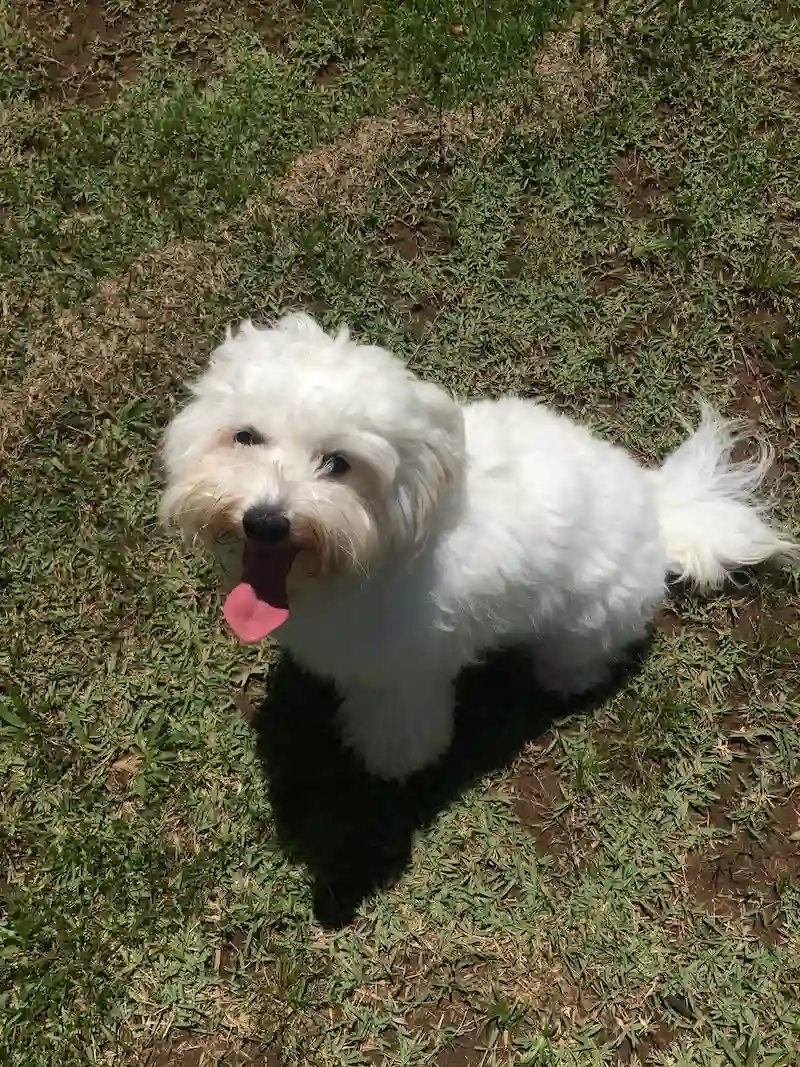 Murphy
 Valtersky
Meet Valtersky & Murphy
FOUNDER OF TEAM SKYTC
At SKYTC, Meet Valtersky & Murphy FOUNDER OF TEAM SKYTCAt SKYTC, cutting-edge pet technology meets real-world testing. We merge Murphy’s hands-on companion trials with Valtersky’s precise analysis—combining over 25 years of structural engineering background with health-tech experience.To guarantee reliability for all breeds, we collaborate with a trusted network of experienced large-breed tutors and active dog handlers who stress-test heavy-duty gear in rugged conditions. We raise the bar for review standards so your best friend gets only the safest, most functional, and highly reliable hardware on the market.
✨ Read also: Best Automatic Litter Boxes for Exotic Cats: Heavy-Duty Field Review
A deeply technical piece of content that perfectly complements this post — absolutely worth the read.