
You sit on your couch, stare into your display tank, and instead of seeing an underwater paradise, you see a suspended snowstorm of dust, floating fish debris, and hazy micro-particulates drifting under your lights. You scrubbed the glass raw, did back-to-back bucket runs, and dumped bottles of useless liquid clarifiers into the water, yet the haze refuses to die. Understanding how to use filter floss for polishing is the exact mechanical dividing line between an amateur tank that looks like liquid soup and an elite aquarium that looks like your fish are floating in mid-air.
As someone who runs a high-bioload 100-gallon tank packed with massive, messy fancy goldfish, I know that mechanical frustration inside and out. Goldfish are biological bulldozers; they sift sand, shred plants, and generate constant fine waste that standard coarse sponges simply let slip right through. When your water stays murky despite running high-end filtration gear, it is almost never a biological capacity issue—it is an unoptimized mechanical trapping failure.
Between long-distance marathon sessions and hours behind my professional sewing machine analyzing industrial textile weaves, I treat water flow like high-tension fabric: if the weave is loose, fine dust shoots straight through; if it is packed improperly, your system chokes out instantly. When you dial in your mechanical polishing stages correctly, you eliminate endless water changes, protect your expensive bio-rings from toxic sludge contamination, and permanently secure high-definition water clarity with minimal maintenance downtime.
The Water Parameter: The Nitrate Cycle
Tech Support Counter Verdict: Fine mechanical filter floss does not cycle your tank, and it does not neutralize dissolved ammonia or nitrites directly. Its sole mechanical mission is raw particulate interception—trapping suspended solid waste down to the 20-to-40-micron range before that muck can dissolve into liquid dissolved organic carbons (DOCs).
If you leave loaded, blackened filter floss cooking inside a closed canister for a month, you are literally running a pressurized nitrate reactor. The trapped organic sludge decays rapidly under high oxygen, spiking your biological processing load, skyrocketing your background nitrates, and suffocating your nitrifying bacteria downstream. Treat polishing floss strictly as an expendable mechanical sediment trap: drop it in, let it lock up particulate haze, and toss it before it rots.
Technical Comparison: Fine Polishing Media vs. Standard Mechanical Media
| Media Classification | Micron Retention | Flow Resistance Penalty | Bi-Weekly Service Demand | Budget Tier |
|---|---|---|---|---|
| 100% Virgin Loose Poly-Fill | 20 – 50 Microns | High (Packs under hydraulic load) | Mandatory Replacement | Budget-friendly options |
| Dual-Density Bonded Pad | 40 – 75 Microns | Moderate | Bi-Weekly Rinse or Replace | Mid-tier standard |
| 30–40 PPI Reticulated Foam | 150 – 300 Microns | Very Low | Zero (Rinse only) | Budget-friendly options |
| 100-Micron Felt Filter Sock | 100 Microns | High (Rapid surface blinding) | Aggressive Bleach/Wash Cycle | Mid-tier standard |
| Macroporous Polymer Resin | Molecular DOCs | Negligible | Chemical Regeneration Required | Premium tier investment |
Mastering How to Use Filter Floss for Polishing Without Choking Your Pump
The biggest trap beginners fall into is treating filter media like a random garbage bin. Mechanical filtration obeys strict fluid dynamics: water must pass from the coarsest porosity down to the tightest micro-weave. If raw aquarium water hits your dense polishing floss first, large fish waste, plant fragments, and uneaten pellets will paste across the fiber surface within six hours, instantly choking your flow rate to a dead trickle.
To lock down that high-definition look, your filter floss must always sit as the absolute last stage of mechanical filtration, immediately preceding your biological media or chemical resins. Coarse foam captures heavy gravel debris, medium 30 PPI sponge strips out floating feces, and the micro-fibers of the floss catch the ultra-fine silt, microscopic algae particles, and floating dust that cause optical glare. Position it incorrectly, and you create structural flow starvation across your entire canister or sump.
The Bare-Metal Trial: Pros, Cons, and Real-World Wear
Loose Virgin Polyester Floss: The tactical cheat code for rapid cloudiness extraction.
The Good: Micro-fine synthetic fibers wedge into tight filter corners, creating an inescapable labyrinth that strips tiny floating debris out of the column within 12 to 24 hours.
The Bad: Lacks structural rigidity; under strong magnetic drive pumps, it compresses into an impenetrable, soggy disc, drastically dropping canister head pressure and triggering motor overheating if ignored.
Dual-Density Bonded Filter Pads: Structural composite mechanical media designed for cut-to-fit trays.
The Good: Features a thermo-bonded coarse top layer that catches grit before the dense bottom layer polishes the flow, preventing premature surface blinding and keeping bypass low.
The Bad: Significantly higher replacement cost than bulk rolls; cannot be packed into irregular filter curves, leaving side bypass gaps where unfiltered water slides around the edges.
Ultra-Dense 100-Micron Felt Socks: Heavy sump mechanical containment.
The Good: Reusable commercial-grade material that creates zero fiber shedding into the water column and handles extreme water volumes in high-bioload sumps.
The Bad: Blinds solid in less than 48 hours in messy goldfish setups, causing rapid overflow bypasses that dump raw detritus directly into the return pump chamber.
The Wet-Bench Trial: Real Pump and Media Degradation
Polyester filter floss delivers unmatched optical clarity under ideal bench tests; however, real-world aquarium conditions rapidly expose severe mechanical failure points when maintenance schedules slip. As the fine micro-fibers trap organic waste, the hydraulic pressure against the pad builds exponentially, pulling loose synthetic strands free from the media matrix. These rogue plastic filaments travel straight into your pump housing, wrapping tightly around the ceramic impeller shaft.
Once synthetic fibers wind behind the magnetic impeller assembly, they induce dynamic shaft friction, destroying the waterproof mechanical seal and scoring the ceramic shaft until the pump rattles like a bucket of bolts. Furthermore, as the media fully clogs, it generates a localized vacuum inside closed canister systems. This vacuum forces unseated canister gaskets to suck in micro-bubbles, cavitating the impeller blades and accelerating premature motor burnout while biological media beds downstream starve of vital dissolved oxygen.
The Classic Rookie Trap: The Overpacked Canister Melt-Down
Picture this classic disaster: Alex gets fed up with hazy water and buys an ultra-dense bag of cheap craft-store polyester batting. He rips open his canister filter, pulls out half the biological ceramic rings, and jams three massive, dense handfuls of compressed poly-fill directly into the bottom intake basket.
Within thirty-six hours, large goldfish waste coats the bottom of that dense wad into an airtight slime barrier. Water pressure has nowhere to go, so it violently forces its way around the plastic basket edges, creating severe hydraulic media bypass. The water coming out of the spray bar is still completely murky because the flow is blowing around the media rather than through it. Worse yet, the canister motor begins to grind loudly under extreme head-pressure starvation, cooking its internal epoxy windings because water is barely crawling past the impeller.
👇 Looking for more performance cheats? Check out our field-tested tactical blueprints:
The Goldfish Ecosystem Blueprint
Complete your advanced technical training loop by exploring our core evergreen resources.
How to Feed Goldfish for Maximum Lifespan
A deep breakdown of digestive tract mechanics, bloating prevention, and premium sinking diets.
How to Maintain a 100 Gallon Goldfish Tank
Large-scale system parameters. Deep sand bed mechanics, nitrogen cycling, and bioload management.
Ultimate Guide to Goldfish Tank Filtration
Heavy-duty hardware configurations. Optimizing parallel canisters, bio-media setups, and automation.
The Filter Cycle: Parametric Water Management Checklist
- Learn how to use filter floss for polishing correctly. Expert Tip: Always place fine floss downstream of your coarse mechanical sponges to prevent immediate particulate blinding and excessive pump strain.
- Select only untreated virgin polyester batting materials. Expert Tip: Never use craft-store batting containing flame retardants, anti-mildew chemicals, or artificial glues that leach fatal toxins into aquatic systems.
- Size your floss pad precisely to your basket dimensions. Expert Tip: Cut pads one centimeter wider than your filter basket walls to eliminate hydraulic perimeter bypass where floating muck avoids the media weave entirely.
- Avoid over-compressing loose poly-fill inside filter trays. Expert Tip: Fluff the fibers gently so water permeates evenly across the entire surface area without creating immediate localized head-pressure bottlenecks.
- Discard soiled filter floss instead of trying to wash. Expert Tip: Fine polyester fibers suffer structural collapse and micro-tear damage after one use; washing them degrades micron retention down to coarse sponge levels.
- Monitor spray bar outflow rates for pressure drops daily. Expert Tip: A noticeable drop in return flow velocity indicates the polishing pad is completely blinded and must be pulled immediately to avoid pump cavitation.
- Isolate biological media from decaying mechanical floss beds. Expert Tip: Trapped waste sitting against porous ceramic rings allows heterotrophic bacterial blooms to physically outcompete your autotrophic nitrifiers for dissolved oxygen.
- Install thin bonded pads in hang-on-back filter channels. Expert Tip: Cut thin rectangular strips to slide behind the main cartridge frame, capturing ultra-fine debris without triggering the unit’s built-in overflow bypass.
- Swap mechanical polishing floss every seven to fourteen days. Expert Tip: In heavy bioload tanks, pulling loaded floss bi-weekly physically removes bound organic waste before it mineralizes into toxic nitrate spikes.
- Inspect the magnetic impeller chamber during every media change. Expert Tip: Look for stray polyester strands wrapped around the rotor shaft to eliminate friction wear and prevent permanent motor block failure.
- Deploy high-density floss specifically after major substrate maintenance. Expert Tip: Run an extra polishing layer for forty-eight hours post-gravel vacuuming to catch stirred-up silicate dust, then pull it to restore maximum flow dynamics.
The Goldfish Ecology: Straight Answers to Filtration Queries
Can I rinse and reuse filter floss multiple times to save money?
No. Throw it straight in the trash. Filter floss is made of microscopic, thermo-bonded synthetic fibers that physically crush, stretch, and mat down under hydraulic water pressure. When you rinse it under a tap, you blow out the internal micron weave and break the fibers. Reusing limp, collapsed floss gives you zero water polishing capability while dramatically increasing the chances of loose plastic fibers shredding into your filter pump shaft.
Where exactly does filter floss sit inside a multi-stage canister?
It must always sit at the very end of your mechanical sequence, directly before your biological media. In bottom-to-top flow canisters, coarse foam goes in the bottom tray, medium sponge in the middle, and your polishing floss sits on top of the medium foam. In top-to-bottom canisters, it sits right under the coarse pre-filter. Placing it at the raw water intake is an immediate guarantee of a clogged, overflowing filter within two days.
Is craft-store polyester quilt batting safe for aquarium filters?
Only if it is 100% pure virgin polyester with zero chemical additives. Many commercial craft battings are coated with toxic flame retardants, silicone lubricants, or chemical mildew inhibitors that will wipe out your nitrifying bacteria and kill your fish within hours. Read the label carefully; if it says “flame resistant,” “anti-microbial,” or feels slick to the touch, keep it far away from your aquarium.
Why does my aquarium water look cloudy right after installing fresh floss?
You failed to pre-rinse the dry pad in clean water before dropping it into your tray. Brand-new dry filter floss contains manufacturing dust, loose polyester micro-fibers, and static charges that instantly blow out of your spray bar into the tank. Always give dry floss a quick rinse in clean dechlorinated water to flush loose manufacturing debris before locking it down inside your filter basket.
How frequently should I replace filter floss in a heavy-bioload tank?
Every seven to fourteen days, absolute maximum. In heavy-waste systems like fancy goldfish or cichlid aquariums, filter floss collects a massive payload of solid fish waste and decaying plant material rapidly. Leaving it inside your filter past two weeks turns that mechanical pad into a biological time-bomb that decays, robs your water of dissolved oxygen, and drives background nitrates through the roof.
Will throwing away dirty filter floss destroy my tank’s nitrogen cycle?
Not at all, assuming your filter is configured properly. Filter floss is an expendable mechanical sediment trap, not your primary biological home. Over 90% of your beneficial nitrifying colonies live inside your highly porous sintered glass media, ceramic rings, and coarse foam blocks. As long as your dedicated biological media remains wet and undisturbed, tossing dirty polishing floss will never trigger an ammonia or nitrite spike.
Can I run filter floss as my only mechanical filtration media?
Absolutely not; that is a complete operational disaster. Filter floss lacks the structural pore space to handle large physical waste. Without a 20 or 30 PPI coarse pre-filter sponge blocking gravel grit, fish feces, and dead plant leaves, raw debris will blind the fine floss fibers within hours. You must run progressive mechanical filtration: coarse foam first, medium foam second, and polishing floss strictly as the final micro-strainer.
Does adding filter floss eliminate the need for chemical water clarifiers?
Yes, and it works infinitely better. Chemical water clarifiers are liquid flocculants that cause tiny suspended dust particles to bind together into larger clumps. These chemicals can coat and irritate sensitive fish gills while doing nothing to physically extract the waste from the water column. Properly placed mechanical filter floss physically traps those exact micro-particles permanently without altering your water chemistry or risking respiratory stress.
🛡️ │ WHY TRUST SKYTC GOLDFISH CARE CURATION?
At SKYTC, we hold aquatic ecosystem biology and biological parameter handling to a rigorous standard. We are not an automated affiliate review engine; we apply hands-on tests and serious filtration engineering workflows to ensure every recommendation guarantees the health and maximum lifespan of your fish with absolute safety.
✓ Engineering:
Structural experience backed by heavy-duty filtration math, continuous hydraulic turnover metrics, and robust mechanical support for large-scale coldwater systems.
✓ Expertise:
Focuse on preventative biological husbandry and premium nutrition. Thoroughly auditing biological media, sinking feeds, and elements that completely neutralize ammonia spikes.
✓ Authority:
Curation signed by real keepers running a balanced 100-gallon display ecosystem for over 8 years, pairing daily practical benchwork with direct wholesale breeder insights.
✓ Trust:
Product selections built on unfiltered transparency—exposing actual electrical draws, heat dissipation issues, and hidden costs before any Amazon recommendations.
📸 Our Journey in the Real World
From daily living room tank turn rates to macro-scale breeding setups.

🏠 The 100G Lab
Where we torture test every hardware option, pellet line, and filter layout live.

🏃♀️ Grit & Eye
Marathon endurance meets the precise, millimeter structural focus of a seamstress.
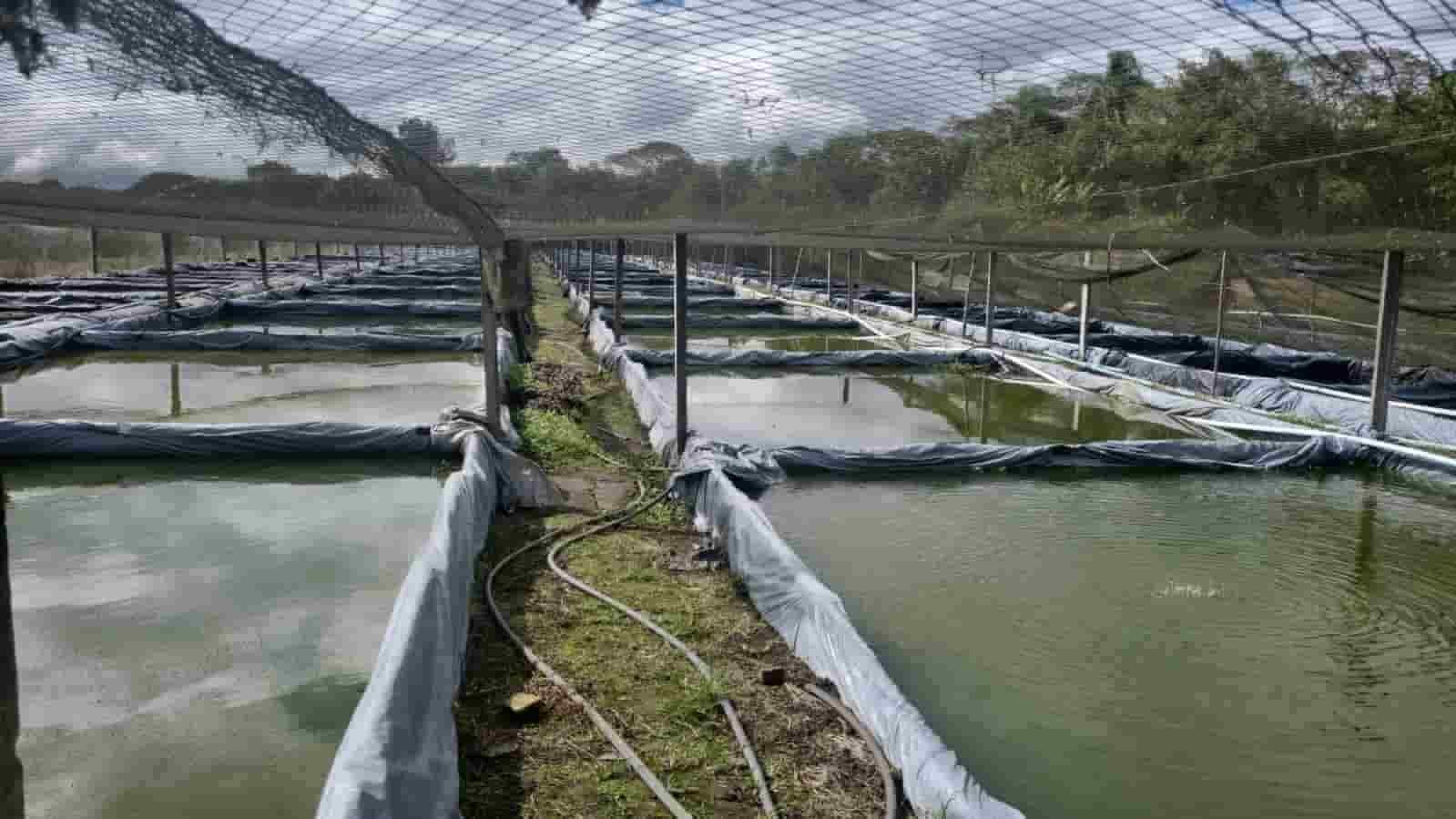
🐳 Monster Vats
Analyzing massive continuous turnovers inside large open-air mud farm vats.
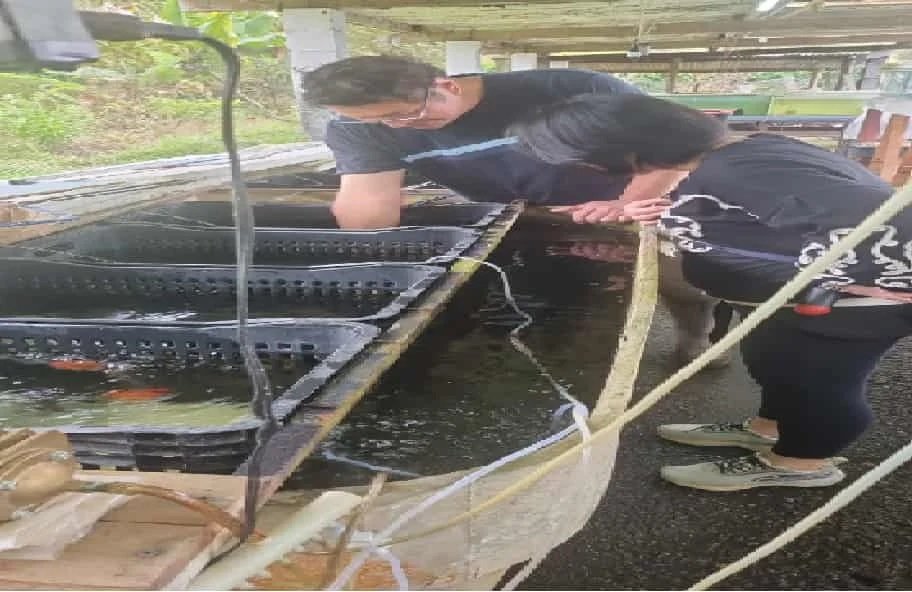
🤝 True Alliances
Working hand-in-hand with regional facility operations to target elite fancy bloodlines.
Read also: Ceramic Rings vs Bio Balls in Filters: The Heavy-Bioload Media Faceoff
WARNING: Improper media stacking sequences create severe hydraulic flow starvation, inducing catastrophic magnetic shaft friction shearing, canister head pressure loss, and rapid biological filtration collapse under sustained heavy bioloads.