
You stand in front of your six-foot aquarium with a bucket in hand, staring down at four inches of packed substrate, wondering how to clean deep sand bed in big tanks without turning your crystal-clear water into a pitch-black toxic swamp. You see those dark, mottled streaks pressing against the front glass, and every forum thread you read screams conflicting horror stories about lethal hydrogen sulfide gas pockets, biological crashes, and destroyed siphon tubes.
Let’s talk straight. I have managed heavy-bioload monsters for 8 years, including my flagship 100-gallon (400-liter) setup packed with massive, messy fancy goldfish. Goldfish are non-stop waste factories that bulldoze the surface sand while packing raw detritus into the sub-layers. In my daily life as a professional seamstress and marathon runner, precision and pacing are everything: pull the wrong thread and the seam rips; push too hard on mile twenty and your legs lock up.
Substrate maintenance in large tanks works under the exact same unforgiving rules. If you plunge your siphon randomly into a compacted deep sand bed, you will unleash anaerobic rot, drop your tank’s dissolved oxygen to zero, and suck pounds of fine silica directly into your expensive filter pumps. Master this systematic mechanical approach, and you’ll save your lower back from endless weekend bucket hauling, prevent catastrophic fish wipes, and keep your large substrate bed immaculate for years without stripping your biological filter.
The Water Parameter: The Nitrate Cycle
Tech Support Counter Verdict: A deep sand bed (DSB) operates on strict oxygen gradient physics. The top half-inch is an oxic zone teeming with aerobic nitrifiers converting ammonia to nitrite, and nitrite to nitrate. Below two inches, oxygen plummets, creating anoxic zones where facultative anaerobes can theoretically break nitrates down into inert nitrogen gas.
However, when heavy fish waste, uneaten protein pellets, and dead plant matter penetrate deep into fine sand, that anoxic zone turns completely anaerobic and sulfidogenic. Sulfate-reducing bacteria take over, generating dissolved hydrogen sulfide ($H_2S$). If you aggressively churn the entire bottom of a massive tank at once, that trapped gas binds instantly with dissolved oxygen, crashing your oxidation-reduction potential (ORP) and suffocating your livestock in minutes. Treat deep sand as an active biological engine: skim the surface relentlessly, but disturb the deep core only in tiny, calculated zones.
Technical Comparison: Deep Sand Bed Maintenance Approaches
| Maintenance Methodology | Anaerobic Core Disturbance | Impeller Ingestion Risk | Organic Extraction Efficiency | Operational Cost Tier |
|---|---|---|---|---|
| Surface Hydro-Swirl Hovering | Zero (Preserves anoxic stratification) | Low (Velocity controlled) | High (Captures loose flocculent) | Budget-friendly options |
| Segmented Deep-Core Siphoning | Controlled (20% tank zone max) | Moderate (Requires pinch-valve) | Maximum (Extracts black detritus) | Mid-tier standard |
| Biological Bioturbation (Snails/Geophagus) | Continuous micro-turnover | Zero | Passive (Prevents compaction) | Budget-friendly options |
| Motorized Substrate Vacuum Sieve | Severe (Induces massive blowouts) | Extreme (Fibers & sand pass mesh) | Moderate (Recirculates fines) | Premium tier investment |
| Manual Blade Sand Raking | High (Uncontrolled gas venting) | Low (Settles before filtration) | Low (Stirs waste into water) | Bargain-bin accessories |
Mastering How to Clean Deep Sand Bed in Big Tanks Without Releasing Toxic Gas
The tactical cheat code for big tanks is the Rotational Quadrant System. Never treat a four-foot or six-foot deep sand bed as a single chore. Divide your tank bottom into four distinct visual zones in your mind. During your weekly water change, you hover-vacuum the top surface of the entire tank to pull out fresh feces, but you only deep-vacuum one single quadrant down to the glass.
By rotating quadrants, you allow the deep biological bed to process interstitial waste without collapsing the entire anaerobic matrix at once. Any localized gas or concentrated ammonia released from that single quadrant is immediately diluted by the remaining 75% of stable water volume and scrubbed by your biological media before it can compromise gill tissue or crash your tank parameters.
The Bare-Metal Trial: Pros, Cons, and Real-World Wear
Wide-Mouth Hydro-Siphon with Flow Pinch-Valve: The industry standard mechanical gravity tool.
The Good: Allows you to create a fluid bed inside the vacuum tube, tumbling sand grains in suspension so heavy detritus lifts out while dense sand falls back down.
The Bad: Stiff vinyl tubing hardens, kinks over tank rims, and if your thumb slips off the hose, you will siphon five pounds of fine silica straight into your drain bucket.
Motorized Battery/Plug-In Gravel Vacuums: Rapid mechanical spot-cleaning accessories.
The Good: Lets you vacuum sand endlessly without draining a single drop of water from your 100-gallon display.
The Bad: Fine sand bypasses the micro-mesh bag, turning the water column into a cloudy chalk storm while silica grit grinds against the internal plastic impeller until it locks solid.
Stainless Steel Sand Rakes and Flatteners: Aquascaping aesthetic tools.
The Good: Levels out unsightly dunes kicked up by powerful powerheads and sifting fish, keeping the foreground looking pristine.
The Bad: Blindly slicing through deep anoxic pockets without an active suction siphon right above the blade releases raw hydrogen sulfide directly into your fishes’ swimming space.
The Wet-Bench Trial: Real Pump and Media Degradation
Fine cosmetic sand delivers a gorgeous, natural look in large display tanks; however, aggressive substrate cleaning without equipment isolation causes severe hardware destruction. When fine silica particles are disturbed into the water column, your canister filters and sump return pumps suck that suspended grit directly into the motor housing. Fine quartz particles do not dissolve—they act like industrial liquid sandpaper against internal components.
Within seconds of grit ingestion, the magnetic impeller assembly suffers severe rotational friction. Sand grains lodge between the magnetic rotor and the epoxy motor well, scoring the ceramic shaft, melting internal plastic bushings, and shredding dynamic rubber O-rings. Furthermore, heavy sand dust coats your high-porosity sintered glass media downstream, physically sealing the micro-pores and starving your beneficial nitrifying colonies of oxygenated flow.
The Classic Rookie Trap: The Full-Tank Deep Trenching Meltdown
Let’s walk through the classic Saturday disaster: Marcus looks at his 125-gallon tank with a 4-inch sand bed that has sat untouched for a year. He grabs a massive siphon tube, cranks his water flow, and aggressively jabs the tube all the way to the bottom glass, systematically churning every square inch of the substrate from left to right.
Within ten minutes, a foul, rotten-egg stench fills the living room. The water turns an oily, greyish-black hue. His large goldfish begin darting erratically, then slam into the glass and hover gasping at the surface. By churning the entire compacted anaerobic bed simultaneously, Marcus dumped a lethal concentration of hydrogen sulfide and organic sludge into the column. The gas instantly wiped out the tank’s dissolved oxygen, poisoned the fish’s blood chemistry, and wrecked his canister filter’s biological bed before he could even refill the tank.
👇 Looking for more performance cheats? Check out our field-tested tactical blueprints:
The Goldfish Ecosystem Blueprint
Complete your advanced technical training loop by exploring our core evergreen resources.
How to Feed Goldfish for Maximum Lifespan
A deep breakdown of digestive tract mechanics, bloating prevention, and premium sinking diets.
How to Maintain a 100 Gallon Goldfish Tank
Large-scale system parameters. Deep sand bed mechanics, nitrogen cycling, and bioload management.
Ultimate Guide to Goldfish Tank Filtration
Heavy-duty hardware configurations. Optimizing parallel canisters, bio-media setups, and automation.
The Filter Cycle: Parametric Water Management Checklist
- Learn how to clean deep sand bed in big tanks safely. Expert Tip: Never churn more than twenty-five percent of your total deep substrate area during a single maintenance session to prevent chemical parameter swings.
- Kill power to all filters before disturbing the substrate. Expert Tip: Shutting off canister filters and wavemakers prevents kicked-up silica sand from entering motor blocks and scoring expensive ceramic shafts.
- Employ the fluid-bed hydro-swirl technique on fine sand. Expert Tip: Hold the siphon tube two inches above the sand and swirl it in circles to lift light fish waste without pulling heavy sand grains up the hose.
- Use a thumb or pinch-valve to regulate siphon velocity. Expert Tip: Crimping the discharge hose slows water speed instantly, allowing accidental sand drafts to fall back down while lightweight detritus continues exiting.
- Inspect glass margins for dark anaerobic metal-sulfide bands. Expert Tip: Black streaks indicate dense organic decay; target these specific wall margins with direct siphon extraction rather than blind, wide-scale stirring.
- Run coarse disposable pre-filter floss after substrate cleaning. Expert Tip: Drop a temporary high-density mechanical pad into your filter for three hours post-maintenance to catch suspended silicate fines, then throw it out.
- Introduce biological sand-sifters to prevent heavy bed compaction. Expert Tip: Malaysian Trumpet Snails burrow continuously through deep sand, venting tiny micro-pockets of gas harmlessly before lethal toxic zones can form.
- Maintain minimum sand grain size above zero-point-five millimeters. Expert Tip: Avoid ultra-fine powdery play sands in heavy-bioload tanks; slightly larger grain diameters allow better interstitial water displacement and reduce compaction.
- Dose a double-strength water conditioner post-deep vacuuming. Expert Tip: Premium conditioners contain active binding agents that help neutralize heavy metal ions and trace sulfites dislodged from disturbed anaerobic sludge.
- Test raw dissolved oxygen levels if water turns hazy. Expert Tip: Decomposing organics consume massive amounts of oxygen; crank high-output air stones immediately if fish show any sign of respiratory stress.
- Keep total sand depth uniform across the entire footprint. Expert Tip: Eliminate massive dead mounds in back corners where detritus settles out of circulation; aim for a stable, level two-to-three-inch profile.
The Goldfish Ecology: Straight Answers to Filtration Queries
Should I completely stir up my deep sand bed every week?
No, absolutely not. Raking or stirring an entire deep sand bed destroys the natural stratified oxygen zones required for complete microbial processing. Weekly maintenance should strictly involve hovering your siphon over the surface to suck up fresh solids. Deep core vacuuming must be done gradually, tackling small sections over several weeks to avoid chemical shock.
How do I know if my sand bed has produced toxic hydrogen sulfide?
Use your eyes and nose. If you see dark black or grey patches forming beneath the surface against the aquarium glass, that is iron sulfide precipitating in an anoxic zone. If you disturb that area and see grey bubbles rise accompanied by a sharp rotten-egg smell, you are dealing with active hydrogen sulfide production that requires immediate, careful localized siphoning.
Will sucking sand into my siphon tube ruin my plumbing drains?
Yes, heavy aquarium sand will settle in household P-traps and create concrete-like plumbing clogs over time. Always siphon wastewater into a large utility bucket first. Let the heavy sand settle to the bottom of the bucket for three minutes, pour the dirty water down the drain, and scoop the settled sand back out into the trash or wash bucket.
Are Malaysian Trumpet Snails a danger to my deep sand setup?
No, they are one of the most effective mechanical maintenance tools available. These snails spend daylight hours burrowing through the substrate, constantly turning over the top two inches of sand. This continuous bioturbation prevents the sand from forming hard, impermeable crusts and stops massive anaerobic gas pockets from building up undetected.
Why does my sand bed keep developing a hard crust on top?
Crusting happens when carbonate minerals, calcium, and fine organic mulm bind together under low water movement. If your tank has dead flow spots, organic waste settles and forms a biological cement over the sand. Increase your bottom water circulation with an adjustable wavemaker to keep waste suspended until your mechanical filters can pull it out.
Can I run a deep sand bed with heavy fancy goldfish?
Yes, but you must stay on top of mechanical pre-filtration. Goldfish constantly sift the top half-inch looking for food, which naturally aerates the surface. However, their high physical waste load will penetrate deep into the substrate if you do not run aggressive mechanical filtration and conduct regular surface hover-siphoning to extract detritus before it sinks.
What should I do if my water turns grey and smells like sulfur after cleaning?
Act immediately: you triggered a gas blowout. Drop high-output air stones into the tank to maximize surface agitation and gas exchange, add a double dose of quality water conditioner to bind toxins, and immediately swap out fifty percent of the water volume. Keep your main filtration off until the heavy suspended silt completely settles out.
Is fine silica sand or coarse gravel better for big heavy-bioload tanks?
Fine sand is vastly superior for waste management if maintained correctly. In coarse gravel, fish feces and uneaten food fall deep into large gaps between stones, rotting out of reach of your filters. In a fine sand bed, solid waste sits directly on top of the dense surface layer, allowing water flow and siphons to sweep it away effortlessly.
🛡️ │ WHY TRUST SKYTC GOLDFISH CARE CURATION?
At SKYTC, we hold aquatic ecosystem biology and biological parameter handling to a rigorous standard. We are not an automated affiliate review engine; we apply hands-on tests and serious filtration engineering workflows to ensure every recommendation guarantees the health and maximum lifespan of your fish with absolute safety.
✓ Engineering:
Structural experience backed by heavy-duty filtration math, continuous hydraulic turnover metrics, and robust mechanical support for large-scale coldwater systems.
✓ Expertise:
Focuse on preventative biological husbandry and premium nutrition. Thoroughly auditing biological media, sinking feeds, and elements that completely neutralize ammonia spikes.
✓ Authority:
Curation signed by real keepers running a balanced 100-gallon display ecosystem for over 8 years, pairing daily practical benchwork with direct wholesale breeder insights.
✓ Trust:
Product selections built on unfiltered transparency—exposing actual electrical draws, heat dissipation issues, and hidden costs before any Amazon recommendations.
📸 Our Journey in the Real World
From daily living room tank turn rates to macro-scale breeding setups.

🏠 The 100G Lab
Where we torture test every hardware option, pellet line, and filter layout live.

🏃♀️ Grit & Eye
Marathon endurance meets the precise, millimeter structural focus of a seamstress.
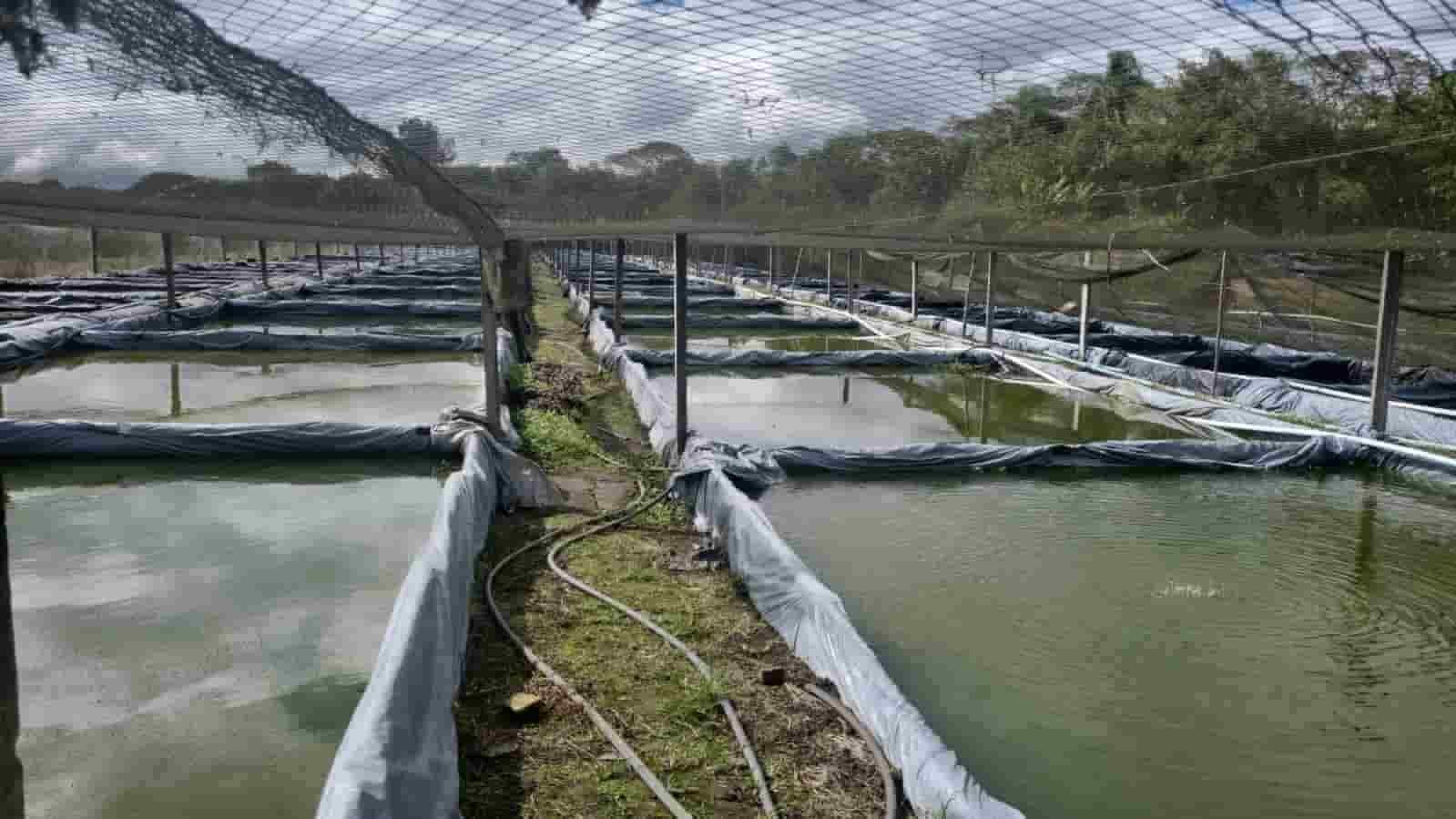
🐳 Monster Vats
Analyzing massive continuous turnovers inside large open-air mud farm vats.
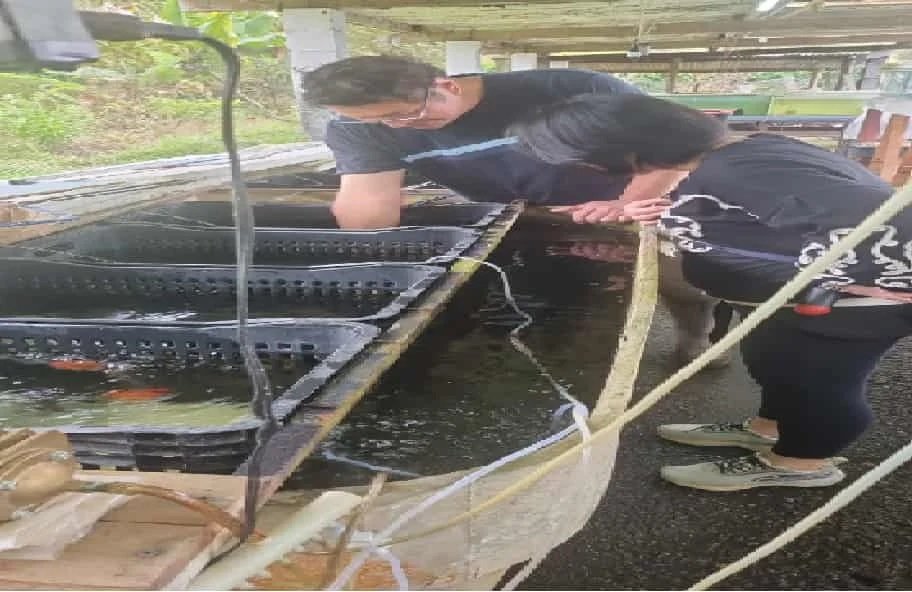
🤝 True Alliances
Working hand-in-hand with regional facility operations to target elite fancy bloodlines.
Read also: Ceramic Rings vs Bio Balls in Filters: The Heavy-Bioload Media Faceoff
WARNING: Operating high-bioload filtration without optimized biological media ratios induces severe hydraulic head-pressure loss, accelerates magnetic shaft friction shearing, and triggers catastrophic biological cycle crashes under heavy substrate loads.