
You are standing in the aquarium aisle or browsing bulk aggregate catalogs, completely paralyzed over the great debate of black sand vs white sand for goldfish. On one side, influencers show off pristine, blindingly white minimalist tanks; on the other, veteran breeders swear that dark substrate is the only way to keep your fish from turning pale and washed out. Meanwhile, nobody is warning you about the toxic industrial slag masquerading as aquarium substrate or the fine silica dust that will grind your expensive canister filter impeller into powder.
Let’s cut through the pet-shop aesthetic hype. I have spent 8 continuous years keeping massive, high-bioload fancy goldfish in my 100-gallon (400-liter) setup, all while balancing life as a long-distance runner and a professional seamstress. In my sewing studio, if you choose the wrong thread weight for a heavy canvas seam, the whole piece tears under tension. In a goldfish tank, choosing the wrong substrate grain, density, or mineral composition creates an immediate biological disaster that wrecks your fish’s gills and destroys your filtration hardware.
Goldfish are not surface-dwelling ornamentals; they are dedicated benthic bulldozers that spend every waking hour scooping, sifting, and expelling substrate through their delicate gill rakers. Pick the wrong aggregate, and you will deal with bloody buccal tears, washed-out color pigmentation, and an endless cycle of back-breaking weekend cleaning. Master the hard biological and mechanical facts below, and you will lock in vibrant fish coloration, safeguard your equipment, and claw back hours of wasted maintenance time.
The Water Parameter: The Nitrate Cycle
Tech Support Counter Verdict: Substrate color does not process ammonia or nitrites directly, but its grain morphology and visual contrast dictate your entire mechanical maintenance efficiency. Solid goldfish waste settles on top of dense sand rather than sinking into gaps like it does in gravel. White sand exposes fish feces instantly under lighting—it looks messy within forty-eight hours, but gives you immediate visual targeting for spot-siphoning before organic waste mineralizes into dissolved nitrates.
Black sand masks detritus completely, creating a sleek, clean look for the human eye while quietly hiding decaying sludge beds that fuel heterotrophic bacteria blooms and drive background nitrates through the roof. Furthermore, cheap black sands often contain raw volcanic magnetite or heavy metal iron slag. If your canister filter sucks up magnetic black sand grains, those particles bypass mechanical sponges, adhere directly to the magnetic impeller rotor, and shear the ceramic shaft within days. Choose your substrate based on mineral safety and sifting physics, not just Instagram aesthetics.
Technical Comparison: Black Sand vs. White Sand Formulations
| Substrate Formulation | Grain Edge Profile | Detritus Visibility Index | Impeller Magnetism Hazard | Budget Tier |
|---|---|---|---|---|
| Premium Inert Black Quartz Sand | Smooth / Spherical | Low (Hides solid waste) | Zero (Non-ferrous ceramic coat) | Premium tier investment |
| High-Purity White Pool Filter Sand | Sub-Angular to Round | Maximum (Exposes all waste) | Zero (Pure silica quartz) | Budget-friendly options |
| Industrial Black Coal Slag (Blast Media) | Sharp / Fractured Vitreous | Low (Hides waste) | High (Trace iron / abrasive) | Bargain-bin accessories |
| Ultra-Fine White Aragonite / Sugar Sand | Fine Micro-Powder | High (Shows brown diatoms) | Extreme (Suspends and ruins seals) | Mid-tier standard |
| Natural Coarse Tan River Sand | Tumbled Smooth | Balanced / Camouflaged | Zero (Natural silica matrix) | Budget-friendly options |
Black Sand vs White Sand for Goldfish: The Biological and Visual Breakdown
The core biological difference between dark and light substrate comes down to chromatophore biology and natural stress response. Goldfish possess dermal pigment cells containing melanophores (black), erythrophores (red/orange), and xanthophores (yellow). When kept over blinding white sand under intense LED lighting, their nervous system triggers a natural camouflage reflex: melanophores contract, causing deep reds and intense blacks to fade into dull, washed-out orange and pale yellow.
Over smooth black quartz sand, the exact opposite occurs. Dark substrate absorbs downwelling light, encouraging melanophores and erythrophores to expand fully. Calicos, Red-and-White Ryukins, and Orandas develop dramatic, deep, high-contrast coloration. However, if you keep Black Moors or dark Chocolate Orandas on black sand, they become nearly invisible silhouettes, and you will struggle to inspect their skin for early signs of velvet, flukes, or white spot parasites.
The Bare-Metal Trial: Pros, Cons, and Real-World Wear
Premium Inert Black Quartz Sand: High-density color-coated aggregate engineered for aquariums.
The Good: Maximizes fish pigmentation contrast, hides unsightly brown diatom blooms during tank cycling, and has zero impact on your pH or carbonate hardness.
The Bad: Hides fish waste so effectively that lazy keepers allow massive pockets of organic detritus to rot undisturbed, silently driving nitrates into toxic territory.
Grade #20 White Silica Pool Filter Sand: Industrial water-filtration media repurposed for heavy setups.
The Good: Dirt cheap, pre-washed, perfectly uniform grain size that allows goldfish to sift effortlessly without compacting into concrete, and exposes waste instantly for rapid spot cleaning.
The Bad: Reflects harsh overhead lighting into fish eyes, causes deep color fading over time, and shows every single speck of brown diatom algae and dark fish waste within minutes of feeding.
Industrial Black Blasting Slag: Cheap utility coal-slag media used by misinformed budget hobbyists.
The Good: Extremely cheap bulk access at hardware stores with a dark, glassy aesthetic.
The Bad: Consists of sharp, jagged vitrified glass shards that slice goldfish mouth tissue, shred gill rakers during sifting, and leach residual heavy metal compounds into soft water.
The Wet-Bench Trial: Real Pump and Media Degradation
Pure silica and quartz sand provide an unbeatable natural foraging environment for heavy-bioload fish; however, choosing unvetted dark substrates or ultra-fine white sands causes catastrophic hardware failure under continuous operation. Many cheap black sands on the market are derived from volcanic basalt or industrial copper/coal slag containing high percentages of magnetite ($Fe_3O_4$).
When goldfish sift and spit this ferrous sand into the water column near a filter intake, the powerful electromagnetic field generated by your canister filter or sump pump pulls those microscopic magnetic particles straight past your coarse intake strainers. The iron-rich particles latch directly onto the spinning magnetic rotor inside your pump’s motor head. Within weeks, this magnetic grit grinds against the epoxy well, scoring the precision ceramic impeller shaft, shredding dynamic waterproof seals, and locking the motor solid in a cloud of overheated plastic.
The Classic Rookie Trap: The Blasting-Slag Gill Massacre
Let’s map out the classic beginner disaster: Jordan wants a sleek, dark aesthetic for his new 75-gallon tank with four fancy goldfish. Trying to save money, he skips premium aquarium quartz and buys three bags of industrial black coal slag blast media from the local hardware outlet because a random forum user said it was safe.
He rinses it twice and dumps it in. His fancy Orandas immediately dive down and begin their natural benthivorous foraging behavior, scooping mouthfuls of the substrate and expelling it through their opercular gill slits. Within forty-eight hours, the razor-sharp vitrified edges of the slag lacerate the delicate secondary gill lamellae and mouth linings. The fish stop eating, clamp their fins, and develop secondary bacterial gill rot and fungal cotton patches across their inflamed mouth tissue while Jordan frantically doses useless medications into a poisoned environment.
👇 Looking for more performance cheats? Check out our field-tested tactical blueprints:
The Goldfish Ecosystem Blueprint
Complete your advanced technical training loop by exploring our core evergreen resources.
How to Feed Goldfish for Maximum Lifespan
A deep breakdown of digestive tract mechanics, bloating prevention, and premium sinking diets.
How to Maintain a 100 Gallon Goldfish Tank
Large-scale system parameters. Deep sand bed mechanics, nitrogen cycling, and bioload management.
Ultimate Guide to Goldfish Tank Filtration
Heavy-duty hardware configurations. Optimizing parallel canisters, bio-media setups, and automation.
The Filter Cycle: Parametric Water Management Checklist
- Weigh black sand vs white sand for goldfish parameters. Expert Tip: Select smooth, non-ferrous black quartz for maximum color pop, or grade-twenty white silica if visual waste tracking is your priority.
- Test all dark substrates with a neodymium magnet. Expert Tip: Run a strong magnet wrapped in plastic wrap through the dry sand; if any grains stick, never let it near a magnetic-drive pump system.
- Select grain diameters strictly between zero-point-five and one-point-five millimeters. Expert Tip: Grains smaller than zero-point-five millimeters turn into suspended pump-killing dust, while grains over two millimeters choke goldfish during sifting.
- Rinse new sand using the aggressive bucket-swirl method. Expert Tip: Wash substrate in small five-gallon batches until overflow water runs crystal-clear to prevent initial mechanical filter clogging.
- Install coarse pre-filter sponge guards over all intakes. Expert Tip: A thirty-PPI intake sponge prevents suspended sand kicked up by bottom-dwelling fish from entering canister impeller assemblies.
- Maintain shallow sand depths of one to two inches. Expert Tip: Deep sand beds over three inches without regular sifting develop dense anaerobic dead zones that trap toxic hydrogen sulfide gas.
- Deploy directional wavemakers toward mechanical filter intake zones. Expert Tip: Adjust bottom water flow to sweep settling detritus across the sand surface directly into the mechanical pickup before it decays.
- Utilize the hydro-swirl hover technique during siphon routines. Expert Tip: Circle your siphon tube two inches above the sand bed to lift lightweight fish waste while letting dense sand grains fall back down.
- Avoid marine aragonite or crushed coral in soft-water tanks. Expert Tip: Aragonite constantly leaches calcium carbonate, driving pH and general hardness beyond safe biological comfort zones for freshwater goldfish.
- Inspect fish gill margins weekly for physical abrasion signs. Expert Tip: Red, flared opercular covers or rapid respiration indicate the substrate grain is too sharp and causing internal lamellar injury.
- Spot-clean localized feeding zones daily using a turkey baster. Expert Tip: Target high-density waste drop zones every evening to keep background nitrate accumulation low without doing a massive water change.
The Goldfish Ecology: Straight Answers to Filtration Queries
Does black sand really make goldfish colors brighter?
Yes, significantly. Goldfish naturally expand their dermal melanophores and erythrophores over dark surfaces to blend into their environment. Red, orange, and calico varieties develop much richer, deeper hues on smooth black quartz sand. On stark white sand, the upward light reflection triggers a camouflage response that bleaches and fades vibrant pigmentation over several months.
Can goldfish accidentally choke or become impacted on sand?
No, not if you use genuine sand with grains under one millimeter. Goldfish are anatomically built to mouth sand, separate food particles using their epibranchial organs, and effortlessly expel the smooth grains through their gill slits. Choking and intestinal impaction only happen when keepers use coarse pea gravel that gets wedged in the pharyngeal jaws.
Is Black Diamond Blasting Sand completely safe for goldfish?
No. Skip it entirely. Black Diamond is industrial coal slag, a byproduct of coal-fired power plants. It is composed of sharp, vitrified glass-like shards that lacerate goldfish mouth tissue and gills during normal sifting. Additionally, many batches contain magnetic iron and trace heavy metals that cause chronic toxicity and destroy filter pump shafts.
Why does my white sand keep turning brown and green?
White sand reflects high light levels and provides a bright, pristine canvas where natural diatom algae (silicates) and green spot algae stand out glaringly. In a newly cycled tank, diatoms will coat white sand within days. While biologically harmless, it looks unsightly unless you reduce your lighting photoperiod and vacuum the top layer regularly.
How do I stop my filter from sucking up sand during water changes?
Turn off your filtration completely before you start siphoning or disturbing the substrate. When refilling the aquarium, place a wide dinner plate or plastic colander on the sand bed and pour water directly over it. This dissipates the water pressure, preventing sandstorms from kicking up and entering your filter intake when power is restored.
Will sand damage the impeller in my hang-on-back or canister filter?
Yes, if you fail to protect your intake. Quartz sand is harder than plastic and ceramic; if ingested, it scores the magnetic rotor, ruins dynamic rubber O-rings, and breaks ceramic shafts. Always install a high-density pre-filter sponge over your intake pipe and keep the intake strainer at least four inches above the substrate line.
Which sand color makes tank maintenance and cleaning easier?
White sand makes biological maintenance vastly easier because fish feces and uneaten food cannot hide. You see every single piece of detritus instantly, allowing you to perform surgical spot-cleaning with a siphon in two minutes flat. Black sand makes the tank look cleaner to human eyes, but allows toxic organic sludge to accumulate unnoticed.
Can I mix black sand and white sand together in the same tank?
You can, but it will quickly turn into an irreversible, mottled “salt and pepper” mess. Goldfish sift and bulldoze the substrate constantly, completely destroying any scaped separation or distinct color zones within forty-eight hours. Unless you genuinely enjoy the messy grey salt-and-pepper look, commit to one solid color throughout the tank.
🛡️ │ WHY TRUST SKYTC GOLDFISH CARE CURATION?
At SKYTC, we hold aquatic ecosystem biology and biological parameter handling to a rigorous standard. We are not an automated affiliate review engine; we apply hands-on tests and serious filtration engineering workflows to ensure every recommendation guarantees the health and maximum lifespan of your fish with absolute safety.
✓ Engineering:
Structural experience backed by heavy-duty filtration math, continuous hydraulic turnover metrics, and robust mechanical support for large-scale coldwater systems.
✓ Expertise:
Focuse on preventative biological husbandry and premium nutrition. Thoroughly auditing biological media, sinking feeds, and elements that completely neutralize ammonia spikes.
✓ Authority:
Curation signed by real keepers running a balanced 100-gallon display ecosystem for over 8 years, pairing daily practical benchwork with direct wholesale breeder insights.
✓ Trust:
Product selections built on unfiltered transparency—exposing actual electrical draws, heat dissipation issues, and hidden costs before any Amazon recommendations.
📸 Our Journey in the Real World
From daily living room tank turn rates to macro-scale breeding setups.

🏠 The 100G Lab
Where we torture test every hardware option, pellet line, and filter layout live.

🏃♀️ Grit & Eye
Marathon endurance meets the precise, millimeter structural focus of a seamstress.
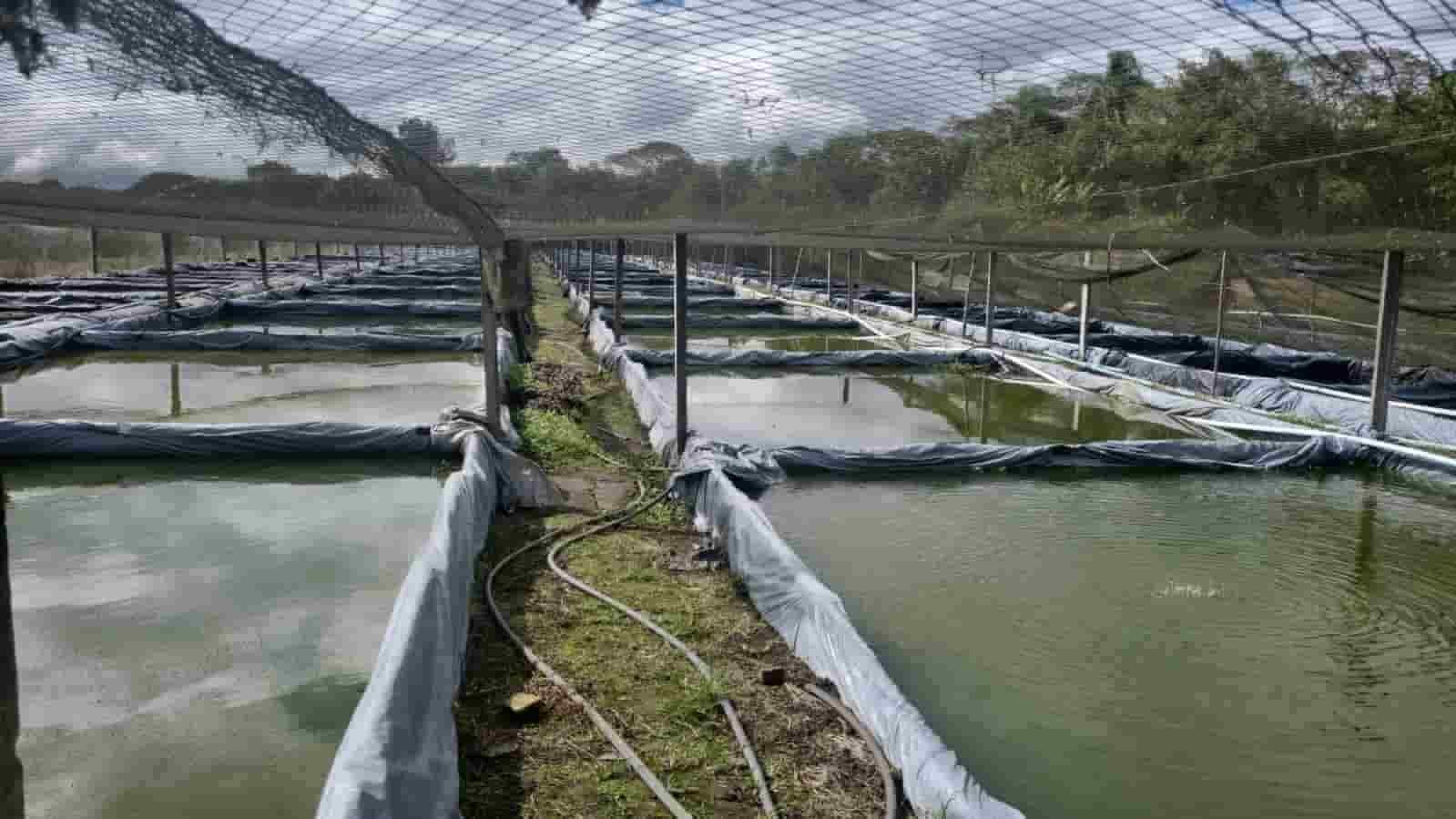
🐳 Monster Vats
Analyzing massive continuous turnovers inside large open-air mud farm vats.
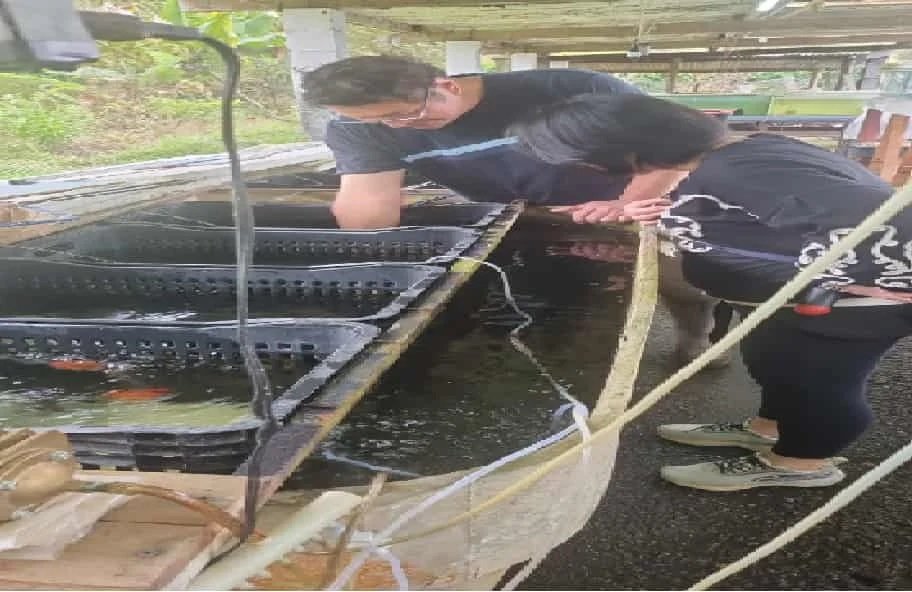
🤝 True Alliances
Working hand-in-hand with regional facility operations to target elite fancy bloodlines.
Read also: How to Clean Deep Sand Bed in Big Tanks: The Master Protocol for Heavy-Bioload Aquariums
WARNING: Ingesting abrasive ferrous aggregate into magnetic drive housings induces catastrophic magnetic shaft friction shearing, dynamic pump seal failure, and rapid biological filtration collapse under sustained heavy bioloads.