
Knowing exactly when to replace bio filter media tech is the single most profitable piece of knowledge in the entire aquarium hobby. Every single week, thousands of beginners walk into pet superstores, read the deceptive cardboard boxes on filter replacement cartridges, and throw their mature, fully cycled biological media straight into the garbage can because the manufacturer told them to “replace monthly for optimal freshness.”
Let’s call this out for what it actually is: a shameless, recurring corporate money-grab designed to trap you in an endless cycle of biological crashes, cloudy water, and dead fish. I have spent 8 continuous years managing high-bioload aquatic ecosystems, including my 100-gallon (400-liter) workhorse setup loaded with massive fancy goldfish. Outside of fishkeeping, I log marathon miles and work as a professional seamstress. In textile construction, you don’t throw away a structural sewing machine shuttle just because it has a little thread dust; you clean it, lubricate it, and let it run for decades.
Biological filter media operates under that exact same mechanical principle. Sintered glass, porous ceramic rings, and plastic bio-matrices do not come with an expiration date stamped into their molecular structure. Master the actual material science behind biological degradation, and you will save hundreds in useless cartridge replacements, permanently protect your tank from lethal ammonia spikes, and keep your filtration engine running at peak efficiency for ten-plus years.
The Water Parameter: The Nitrate Cycle
Tech Support Counter Verdict: Never replace your biological media based on a calendar schedule. True biological media serves one physical purpose: providing vast internal and external micro-porous surface area for autotrophic nitrifying bacteria (Nitrosomonas and Nitrospira) to oxidize toxic ammonia into nitrite, and nitrite into nitrate. When you discard a basket of brown, gunky ceramic rings, you are literally throwing 80% of your established biological colony into the trash.
You only replace bio-media under two extreme mechanical conditions: catastrophic structural breakdown (the media has physically eroded into fine powder) or irreparable pore vitrification (heavy silicate scale and calcium carbonate have permanently sealed the microscopic internal channels). If the media still holds its shape and water flows through it, rinse it in a bucket of pulled aquarium water and put it right back in the filter. Anything else is lighting your hard-earned cash on fire.
Technical Comparison: Biological Media Longevity and Material Decay
| Media Classification & Material | Usable Micro-Surface Area | Structural Degradation Lifespan | Pore Clogging Susceptibility | Budget Tier |
|---|---|---|---|---|
| Sintered Glass Spheres / Rings | 800 – 1200 m²/L | 3 to 5 Years (Gradual Crumbling) | High (Requires Mechanical Pre-Filter) | Premium tier investment |
| Kiln-Fired Porous Ceramic Rings | 400 – 600 m²/L | 5 to 10+ Years (Extremely Durable) | Moderate | Mid-tier standard |
| Porous Volcanic Pumice Rock | 700 – 900 m²/L | Permanent (Indefinite Lifespan) | Moderate | Mid-tier standard |
| Engineered Plastic Moving Bed (K1) | 500 – 800 m²/L | Permanent (20+ Years) | Zero (Self-Cleaning Dynamic Motion) | Budget-friendly options |
| Disposable Carbon-Cotton Cartridges | < 50 m²/L | 2 to 4 Weeks (Instant Failure) | Extreme (Rapid Surface Blinding) | Bargain-bin accessories |
When to Replace Bio Filter Media Tech: Factory Myths vs Lab Physics
The pet industry thrives on consumable marketing. If filter manufacturers told you that a single bag of porous ceramic media lasts ten years, their high-margin replacement business model would collapse overnight. This is why entry-level hang-on-back filters come packaged with flimsy plastic frames wrapped in cheap polyester floss and filled with low-grade granular activated carbon.
The tactical cheat code for bulletproof filtration is ditching proprietary cartridges on day one and custom-packing your filter baskets with dedicated, non-disposable media stages. Biological media does not “wear out” like a car tire; the nitrifying bacteria living in the microscopic cavernous pores reproduce continuously, shedding old biofilm and building new colonies. As long as you protect that porous matrix from getting physically coated in raw fish feces via proper mechanical pre-filtration, your biological media will outlive the filter motor itself.
The Bare-Metal Trial: Pros, Cons, and Real-World Wear
High-Purity Sintered Glass Media: The ultimate biological surface area champion.
The Good: Unmatched micro-tunnel architecture allows billions of nitrifiers to establish within days, delivering lightning-fast ammonia processing in heavy-bioload tanks.
The Bad: Sintered glass is fragile; aggressive handling during filter cleanings causes friction that grinds the edges into abrasive glass dust, requiring a partial twenty-percent top-off every three to four years.
Standard Kiln-Fired Ceramic Rings: The indestructible workhorse of canister and sump filtration.
The Good: Virtually indestructible, chemically inert, handles decades of heavy hydraulic flow without degrading, and provides zero resistance to passing water.
The Bad: Lower micro-porosity compared to modern sintered glass, meaning you need a larger physical filter volume to support the exact same biological load.
Fluidized Plastic Media (Moving Bed K1/K3): Commercial aquaculture self-cleaning tech.
The Good: Never clogs, never breaks down, and the constant dynamic tumbling knocks off dead bacterial biofilm, ensuring only the most active, youngest bacteria process ammonia.
The Bad: Requires a dedicated high-output air pump to keep the media boiling, sounds like a rain stick in your living room, and takes up massive physical space inside sumps.
The Wet-Bench Trial: Real Pump and Media Degradation
High-grade biological media provides unmatched water stabilization under continuous load; however, aging or low-quality bargain media creates severe mechanical hazards inside canister filters. As cheap ceramic rings break down over time, loose clay dust and microscopic silicate particles wash out of the media basket and enter the pump’s impeller chamber.
These hard mineral fragments lodge between the magnetic rotor and the ceramic shaft. Within months of unmitigated media erosion, the abrasive slurry scores the precision shaft, creates magnetic friction imbalance, and melts internal motor housing sleeves. Furthermore, when media is allowed to crumble, the resulting dust packs into the bottom of filter trays, turning open water channels into solid sludge barriers that choke pump head pressure, cause dynamic seal leaks, and starve downstream bacteria of dissolved oxygen.
The Classic Rookie Trap: The “Monthly Cartridge Swap” Death Spiral
Let’s walk through the horrifyingly common scenario: Sarah sets up a 30-gallon tank with three juvenile fancy goldfish. She buys a standard hang-on-back filter that comes with disposable floss-and-carbon cartridges. For four weeks, the tank runs great as the beneficial bacteria establish a fragile home on that cartridge floss.
On day thirty, Sarah follows the instructions on the box: she unplugs the filter, pulls out the brown, gunky cartridge, throws it in the kitchen trash, and slots in a fresh, sterile white cartridge straight from the box. Within twenty-four hours, the water turns milky white. By day three, her goldfish are gasping at the surface with red, burned gills. Sarah inadvertently murdered her entire biological colony in ten seconds, throwing her aquarium straight into a violent “New Tank Syndrome” ammonia spike.
👇 Looking for more performance cheats? Check out our field-tested tactical blueprints:
The Goldfish Ecosystem Blueprint
Complete your advanced technical training loop by exploring our core evergreen resources.
How to Feed Goldfish for Maximum Lifespan
A deep breakdown of digestive tract mechanics, bloating prevention, and premium sinking diets.
How to Maintain a 100 Gallon Goldfish Tank
Large-scale system parameters. Deep sand bed mechanics, nitrogen cycling, and bioload management.
Ultimate Guide to Goldfish Tank Filtration
Heavy-duty hardware configurations. Optimizing parallel canisters, bio-media setups, and automation.
The Filter Cycle: Parametric Water Management Checklist
- Master when to replace bio filter media tech safely. Expert Tip: Never throw away biological media on a set time schedule; only replace damaged portions when structural crumbling exceeds twenty percent.
- Rinse biological media exclusively in pulled aquarium water. Expert Tip: Untreated municipal tap water contains chlorine and chloramines that instantly oxidize and destroy delicate autotrophic bacterial biofilms on contact.
- Install heavy-duty mechanical pre-filtration before all bio-media stages. Expert Tip: Coarse thirty-PPI sponges catch solid fish feces before it can physically coat and blind the micro-pores of your expensive ceramic rings.
- Replace degraded sintered glass in gradual twenty-five percent increments. Expert Tip: Swapping small portions of crumbly media over a two-month period allows old colonies to seed the new media without triggering parameter swings.
- Inspect porous media annually for heavy mineral pore calcification. Expert Tip: In hard-water systems, calcium scale can seal internal pores; a gentle swish in tank water helps dislodge loose outer carbonate crusts.
- Pack biological media loosely to maintain maximum hydraulic flow. Expert Tip: Jamming media baskets too tight creates localized dead zones with zero oxygen, causing nitrifying colonies in the center to suffocate and die.
- Secure porous media inside zippered nylon mesh filter bags. Expert Tip: Mesh bags keep ceramic media contained, preventing loose chunks from falling into the canister well and destroying pump impellers.
- Ditch disposable all-in-one cartridges for custom multi-stage setups. Expert Tip: Fill your filter chamber with permanent coarse foam, a layer of polishing floss, and high-porosity ceramic rings for bulletproof stability.
- Monitor return outflow velocity to identify internal sludge channeling. Expert Tip: A persistent drop in filter output indicates bio-baskets are fouled with organic mulm that needs a quick, gentle rinse in tank water.
- Test raw ammonia and nitrite twenty-four hours post-maintenance. Expert Tip: Any detectable ammonia reading indicates you scrubbed your bio-media too aggressively; dose a biological booster immediately if levels rise.
- Maintain high dissolved oxygen levels across your biological trays. Expert Tip: Autotrophic nitrifiers consume massive amounts of oxygen; run heavy surface agitation or air stones to keep conversion rates at peak performance.
The Goldfish Ecology: Straight Answers to Filtration Queries
Do ceramic bio-rings ever actually expire or go bad?
No. Ceramic rings are inert, kiln-fired clay minerals. They do not lose their chemical properties or biological housing capacity over time. The only reason to ever replace ceramic media is if it physically crumbles into dust or if the pores become completely clogged with solid, unremovable mineral scale after decades of hard-water use.
How do I clean clogged bio-media without killing my bacteria?
During your routine water change, siphon a few gallons of tank water into a clean utility bucket. Take your bio-media baskets, submerge them in that bucket of aquarium water, and gently swirl them around for ten seconds to dislodge loose brown sludge. Never use tap water, never use soap, and never let the media dry out in the sun.
Why does the filter box say to replace media every month?
Because filter companies are in the business of selling high-margin consumable plastic cartridges, not helping you master aquatic biology. If you replace your media every month, you are forced to keep buying their refill packs while constantly buying bottled bacteria and water clarifiers to fix the resulting biological cycle crashes.
Can I bleach or boil old bio-media to deep-clean it?
Only if you are resetting a completely diseased tank from scratch. Bleaching or boiling bio-media sterilizes everything, murdering one hundred percent of your beneficial nitrifiers. Doing this turns a mature, cycled filter into a sterile plastic box, forcing you to endure a four-to-six-week fishless cycling process all over again.
What should I do if my sintered glass media is crumbling?
Sintered glass naturally weakens after four to five years of water friction. When it starts turning into fine sand, scoop out twenty-five percent of the oldest crumbling media and replace it with fresh sintered glass or durable ceramic rings. Wait one month before replacing another quarter to give the new media time to colonize safely.
Is plastic bio-ball media better than porous ceramic rings?
For wet/dry trickle filters and sumps, plastic bio-balls are fantastic because they never clog and handle massive oxygen exchange. However, for submerged canister filters, porous ceramic rings and sintered glass are vastly superior because they offer hundreds of times more usable microscopic surface area per square inch than smooth plastic.
Will adding new bio-media crash my established aquarium?
No, adding extra bio-media is completely safe. As long as you do not remove your old, established media, adding new porous rings or pumice simply provides extra real estate for future bacterial expansion. The new media will slowly colonize over three to four weeks without disrupting your existing water parameters.
How do I know if my biological media is actually working?
Test your water with a reliable liquid parameter kit. If your aquarium consistently shows zero parts per million of ammonia, zero parts per million of nitrite, and steadily climbing nitrates twenty-four hours after heavy feeding, your biological media is functioning at one hundred percent capacity. The brown gunk on the media is living biofilm, not dirt.
🛡️ │ WHY TRUST SKYTC GOLDFISH CARE CURATION?
At SKYTC, we hold aquatic ecosystem biology and biological parameter handling to a rigorous standard. We are not an automated affiliate review engine; we apply hands-on tests and serious filtration engineering workflows to ensure every recommendation guarantees the health and maximum lifespan of your fish with absolute safety.
✓ Engineering:
Structural experience backed by heavy-duty filtration math, continuous hydraulic turnover metrics, and robust mechanical support for large-scale coldwater systems.
✓ Expertise:
Focuse on preventative biological husbandry and premium nutrition. Thoroughly auditing biological media, sinking feeds, and elements that completely neutralize ammonia spikes.
✓ Authority:
Curation signed by real keepers running a balanced 100-gallon display ecosystem for over 8 years, pairing daily practical benchwork with direct wholesale breeder insights.
✓ Trust:
Product selections built on unfiltered transparency—exposing actual electrical draws, heat dissipation issues, and hidden costs before any Amazon recommendations.
📸 Our Journey in the Real World
From daily living room tank turn rates to macro-scale breeding setups.
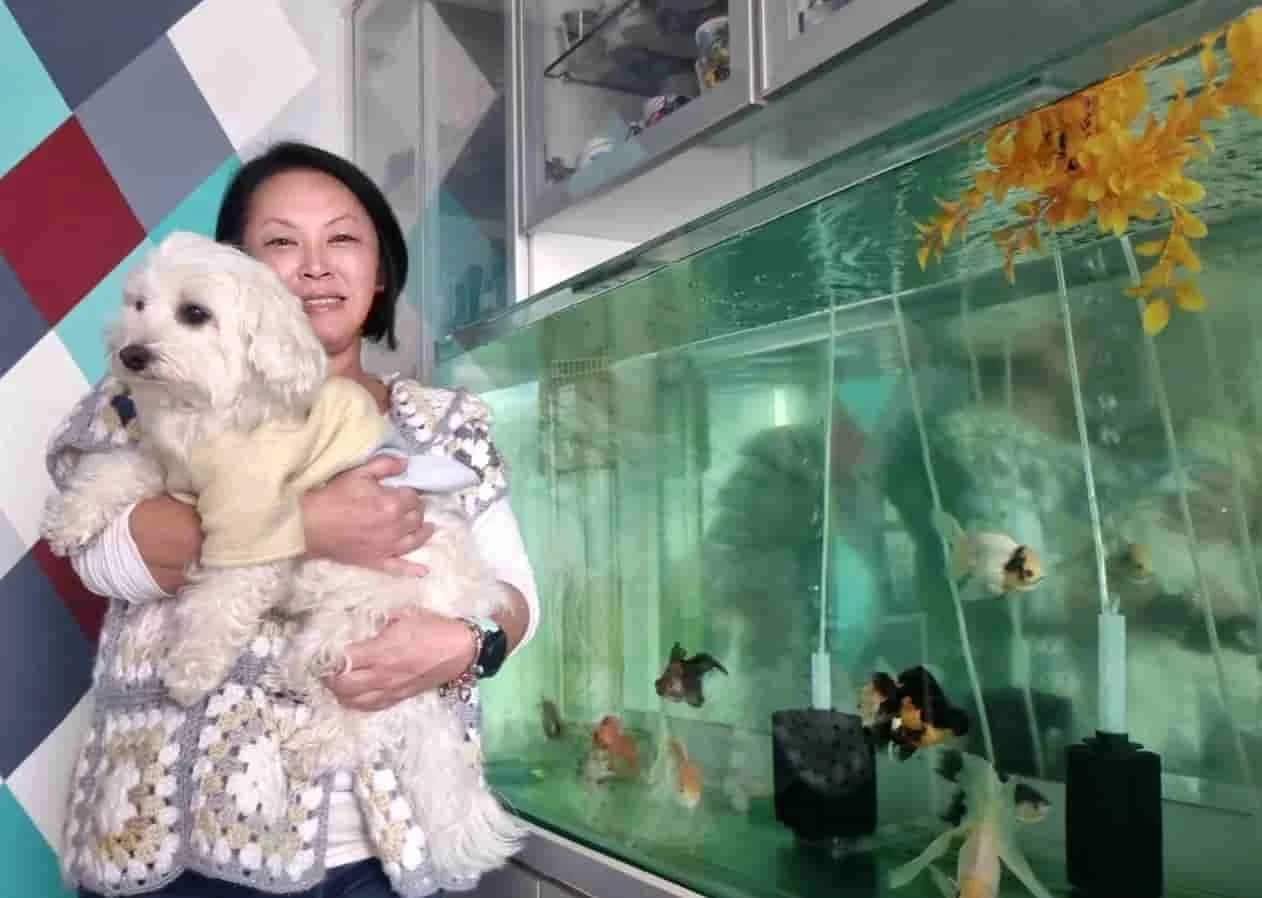
🏠 The 100G Lab
Where we torture test every hardware option, pellet line, and filter layout live.

🏃♀️ Grit & Eye
Marathon endurance meets the precise, millimeter structural focus of a seamstress.
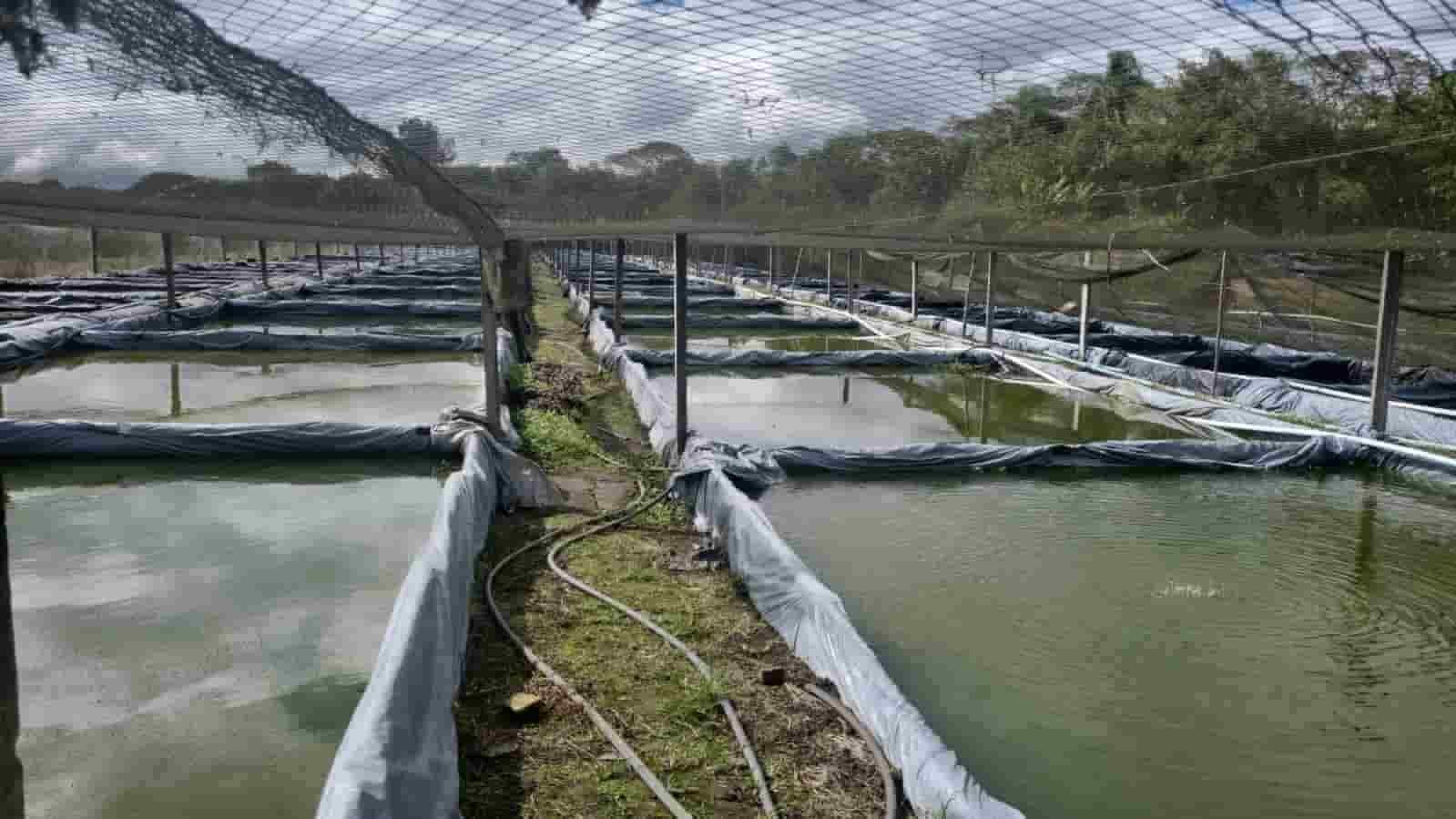
🐳 Monster Vats
Analyzing massive continuous turnovers inside large open-air mud farm vats.
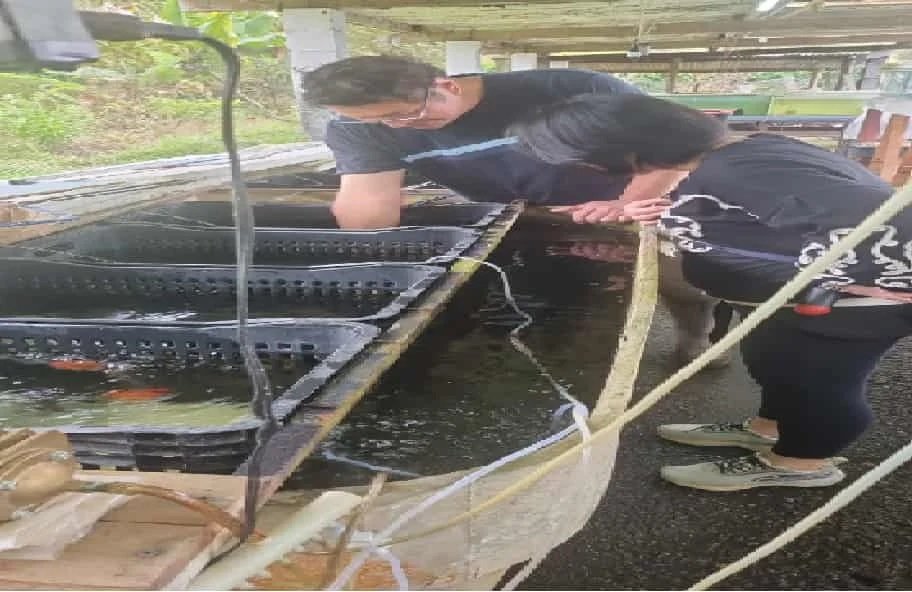
🤝 True Alliances
Working hand-in-hand with regional facility operations to target elite fancy bloodlines.
Read also: How to Use Filter Floss for Polishing Aquarium Water to Mirror-Grade Crystal Clarity
WARNING: Operating fine mechanical polishing media without upstream coarse sponge separation induces rapid hydraulic channeling, triggers severe canister head pressure loss, and starves downstream biological media of critical dissolved oxygen.