
We’ve all been there: you arrive home with hands full of groceries, expecting your smart home to greet you seamlessly, only to hear that dreaded, struggling motor whir followed by a red flashing light. If you are staring at your doorway in frustration because your August Smart Lock Jammed on Heavy Walnut Doors, I completely feel your pain. It is incredibly annoying to invest in premium smart hardware only to have it fail against a slab of gorgeous wood.
As someone who spent 25 years in professional woodworking and even a couple of years working on high-precision dental prosthetics, I look at locks and doors a bit differently than most tech reviewers. My team at skytc has hands-on tested dozens of smart home configurations, and we know exactly how materials behave in the real world. A heavy solid walnut door is a beautiful, premium tier investment, but it is also a living, breathing block of organic material that reacts violently to atmospheric changes.
When you combine this heavy-duty timber with a motorized smart lock, minor physical shifts turn into electronic nightmares. You do not need to call an expensive locksmith or scrap your elegant smart setup. We are going to walk through the exact physical micro-adjustments needed to make your heavy door and smart lock live in perfect harmony, saving you hours of tech-support headaches and keeping your home secure.
Why Your August Smart Lock Jammed on Heavy Walnut Doors
Before you start tearing your lock apart or resetting your smart home hub, we need to understand the physics of what is actually happening. Solid walnut is highly prized for its rich color and dense grain; however, its extreme weight puts immense, continuous pressure on standard residential door hinges over time.
This weight causes the door to sag imperceptibly, shifting the deadbolt strike path by just a fraction of a millimeter. When you turn a traditional key, your hand naturally compensates for this misalignment by lifting or pulling the door handle without you even realizing it.
Your smart lock does not have a human brain or sensory feedback; it simply tries to push a metal bolt into a hole with a tiny, battery-powered motor. If that hole has shifted even slightly due to door sag, the bolt rubs against the strike plate, creates friction, stalls the motor, and triggers a jam error. Even though smart locks are lightweight and incredibly easy to install, they suffer from limited physical clearance compared to commercial-grade keyed mortise locks.
The Battlefield Reality
Let us be completely honest about how these products perform outside of pristine laboratory marketing videos. The August Smart Lock boasts an incredibly sleek aesthetic, user-friendly auto-unlock features, and a brilliantly simple installation process that fits over your existing deadbolt thumbturn; however, its compact internal motor lacks the high-torque raw power required to overcome physical friction, making it highly susceptible to jamming on heavy-duty wooden entryways.
The marketing promises you a seamless, hands-free entry experience every single time, but the reality is that wood reacts aggressively to environmental factors. For example, if you live in high-humidity regions like coastal areas or experience seasonal weather shifts, your solid walnut door will swell during the humid months and shrink during the dry season.
This constant movement means a lock configuration that worked perfectly in the winter might start jamming constantly by mid-summer. Relying purely on the smart lock’s software calibration to fix this is a losing battle because code cannot override the physical laws of wood expansion and gravity.
The Tech-Geek’s Fatal Mistake
To understand how to fix this, let’s look at a common mistake scenario that I see home automation enthusiasts make all the time. Imagine a tech-savvy homeowner who notices their smart lock starting to jam on their gorgeous walnut front door.
Instead of looking at the physical door alignment, they immediately assume it is a tech issue, so they swap out the batteries for premium high-drain lithium ones, recalibrate the lock through the app five times, and even factory reset their smart bridge.
When none of that works, they grab a power drill and a cheap metal file, aggressively grinding down the interior of the deadbolt strike plate until it looks like a jagged mess. Not only does this ruin the clean look of their door jamb, but they also accidentally file away too much metal, causing the door to rattle loudly every time the wind blows.
The real culprit was never the software, the batteries, or the strike plate itself; it was simply a pair of loose hinge screws on the heavy door that had slowly backed out under the weight of the massive walnut slab. By focusing entirely on the digital side and rushing the physical fix, they turned a simple two-minute screwdriver adjustment into a permanent, ugly hardware modification.
Physical Micro-Adjustments: The Dental Tech Approach
Having worked in dental prosthetics, I learned that a fraction of a millimeter is the difference between a comfortable bite and absolute agony. We need to apply that exact same level of micro-precision to your heavy walnut door jamb.
Start by checking the hinge gap. Open your door slightly and look at the gap between the wood door and the wood frame on the hinge side; it should be completely uniform from top to bottom.
If the gap at the top is wider than the gap at the bottom, your heavy walnut door has sagged. To fix this, do not just tighten the existing short screws that came with your hinges because they only grip the weak outer frame.
Instead, replace one of the middle screws on the top hinge with a heavy-duty, long wood screw that reaches all the way past the door frame and anchors deep into the structural wall framing stud behind it. This simple anchor trick pulls the entire top of the door back up, instantly aligning your deadbolt with the strike plate without touching the lock itself.
Analyzing the Deadbolt Friction Point
If your hinges are completely solid and the door is level, we need to locate the exact point where the deadbolt is rubbing against the strike plate. An old carpenter’s trick is to apply a small smear of dry-erase marker or even lipstick to the end of your deadbolt.
Close the door fully, and attempt to lock it using the smart lock so it jams. When you open the door, look at the strike plate to see exactly where the color transferred.
This color transfer shows you precisely where the bolt is making contact. If the mark is on the bottom lip of the plate, the door is sagging; if it is on the outer edge, the door is not sealing tightly enough against the weatherstripping.
Now you can make targeted adjustments. If the door is rubbing on the outer edge, you can gently bend the small metal tab inside the strike plate to allow the door to rest slightly deeper, or replace old, hardened weatherstripping with premium, soft silicone seals that compress easily without pushing back against the lock.
Troubleshooting Table of Physical Adjustments
Let us look at the most common mechanical causes of jamming and how they rank in terms of difficulty and long-term stability.
| Symptom | Primary Physical Cause | Practical Adjustment | Long-term Stability |
|---|---|---|---|
| Lock jams only on hot, humid afternoons | Wood swelling from moisture | Sand the inner strike pocket slightly | High |
| Lock jams when door is closed normally | Hardened, rigid weatherstripping | Install high-compressibility silicone seals | High |
| Deadbolt hits the bottom of the strike plate | Door sag from heavy walnut weight | Install long structural screws in top hinge | Very High |
| Deadbolt hits the outer edge of strike plate | Loose latches or misaligned strike plate | Adjust the strike plate position or tab | Medium |
| Motor strains but lock eventually turns | Deadbolt barrel friction inside door hole | Clear wood debris and widen bore hole | High |
| App reports jam but lock physically turns | Loose mounting plate or misaligned adapter | Tighten mounting screws and reseat adapter | Medium |
In 30 Seconds: The Straight-Talk Verdict
If you are in a rush and your smart lock is screaming jam errors, skip the app recalibrations and software updates. Your August lock is jamming because your heavy walnut door has physically shifted or swollen, creating friction that the tiny motor cannot overcome.
First, check your top hinges and tighten them with a long structural wood screw to pull the door back into alignment. Second, use the marker trick to find where the deadbolt rubs against the strike plate, and gently widen that specific side of the plate opening using a small metal file.
Third, ensure your weatherstripping is soft enough to let the door close fully without pushing back against the latch. Fix the physical alignment first, and the smart lock will work flawlessly without ever throwing another jam error.
👇 Looking for more performance cheats? Check out our field-tested tactical blueprints:
Essential DIY Troubleshooting Guides
How to Fix Smart Lock Jammed Wooden Door Jamb Error
Stop your deadbolt motor from straining when wooden frames shift with climate changes.
How to Hide Smart TV Wires Inside Wood Wall Panels
Learn clean woodworking methods to route, mask, and clean up complex home theater clutter.
How to Fix Smart Home Device Unresponsive Wi-Fi Bug
Fix network drops, device timeouts, and broken automation routines inside your home local system.
Actionable Alignment Checklist
Here is your step-by-step physical alignment checklist to resolve your issues permanently.
- Adjusting a setup where your August Smart Lock Jammed on Heavy Walnut Doors requires checking the door hinge tightness first; however, over-tightening can strip old wood screw holes, requiring a wood plug fix.
- Replacing short hinge screws with long structural screws pulls the door frame tight; however, using a screw that is too thick can split the wooden jamb if you skip drilling a pilot hole.
- Performing the lipstick marker transfer test shows the exact friction point; however, the residue can stain light-colored wood finishes if you do not wipe it off immediately after testing.
- Widen the strike plate opening with a metal file to allow extra clearance; however, filing too much metal away will cause the closed door to rattle in the wind.
- Swap out stiff rubber weatherstripping for soft silicone seals to reduce latch pressure; however, ultra-soft seals can degrade faster under direct sunlight exposure.
- Clear out any wood shavings or debris from inside the deadbolt strike pocket; however, digging too deep with a chisel can accidentally puncture the exterior casing of the door trim.
- Check the torque on the August mounting plate screws to ensure they are even; however, overtightening the plate can warp the plastic backplate and cause internal gear binding.
- Inspect the yellow, blue, or green plastic tailpiece adapters for any signs of cracking or wear; however, these small plastic adapters can be hard to source quickly if they snap.
- Verify that your deadbolt tailpiece is perfectly centered inside the bore hole; however, off-center deadbolts will place constant lateral pressure on the smart lock motor.
- Lubricate the internal mechanical moving parts of your traditional deadbolt with dry graphite spray; however, wet lubricants like standard oil will attract dust and gum up the gears over time.
- Perform a manual turn test with the August lock faceplate off to feel for physical resistance; however, manual testing won’t reveal micro-stalls that only happen under battery power.
- Ensure the door latch operates independently and holds the door fully closed; however, a weak latch latchbolt will force the deadbolt to bear the entire load of the door’s weight.
FAQ: Real Answers from a Veteran Tech Specialist
Why does my August smart lock jam only during certain times of the day?
Your heavy walnut door is highly reactive to heat and humidity. When the sun beats down on it in the afternoon, the wood expands and warps slightly, shifting the deadbolt out of alignment with the strike plate. This is physical expansion, not a software bug.
Can I just buy a more powerful motor or battery for my August lock?
No, that is a complete waste of your time. The motor is designed with safety torque limits to prevent it from crushing fingers or breaking gears. If the physical path is blocked, no battery upgrade on earth is going to force that deadbolt home.
Should I lubricate my deadbolt to stop the jamming?
Yes, but avoid wet oils like WD-40 which will turn into a sticky, dust-attracting paste inside your lock over time. Use a dry graphite lubricant spray or Teflon-based dry lube to keep the mechanical parts sliding smoothly without attracting dirt.
How much clearance does the deadbolt actually need inside the strike plate?
Ideally, you want at least two millimeters of clear space on all sides of the deadbolt when it is fully extended. Heavy doors move too much with seasonal changes to rely on tight, high-precision tolerances.
Why is my smart lock saying jammed when the deadbolt is actually fully extended?
This happens when the internal sensor does not detect that the motor completed its full rotation cycle. This is usually caused by a slightly warped mounting plate or an adapter that is not seated fully onto the tailpiece, tricking the software into registering a jam.
Will a heavier door hinge stop my walnut door from sagging permanently?
Yes, upgrading to commercial-grade, heavy-duty ball-bearing hinges will make a massive difference. Standard residential hinges use low-grade metal pins that wear down quickly under the sheer weight of solid walnut timber.
Do I need to chisel out my door frame to move the strike plate?
Not necessarily. Often, you can just file down the inner edge of the existing metal strike plate by a millimeter or two, which is much easier and cleaner than trying to reposition the entire plate on your wood frame.
Is my solid walnut door naturally prone to warping more than other woods?
Yes, while walnut is incredibly durable and beautiful, solid wood slabs react much more dynamically to moisture than engineered or hollow-core doors. If the wood was not seasoned or sealed correctly on all six sides, it will warp and flex constantly.
We spent a lot of time analyzing door mechanisms, and we found that these mechanical alignment issues are extremely common across different brands. If you are also running other smart locks in your home and run into similar motor strain problems, we have put together a highly detailed guide on how to handle those issues too.
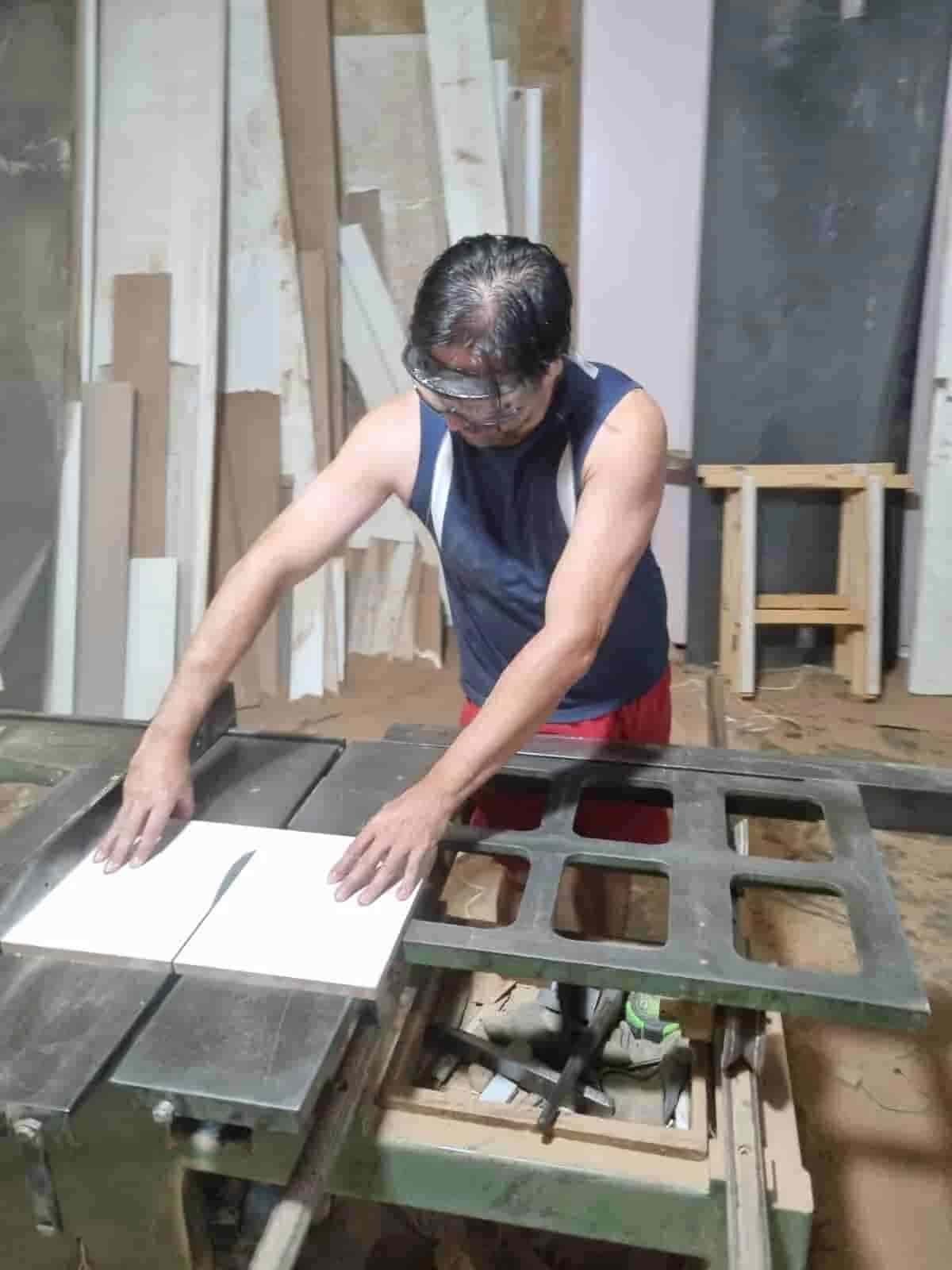

Real World Experience. Engineering Precision.
At SkyTC, technology is never just theoretical—it is driven by practical execution, structural integrity, and strict diagnostic standards. Founded by Valtersky, a tech speaker and seasoned professional, every single guide published here is backed by an authentic multidisciplinary background that bridges the gap between hardware structures and advanced software ecosystems.
Generational Craftsmanship
With 25 years of professional woodworking experience inherited through generations, he masterfully handles smart home mounting, wire routing, and physical hardware adjustments.
Medical Diagnostic Standards
An active career as a licensed X-ray technologist and dental prosthetics practitioner injects rigorous clinical precision, micro-detailed testing, and data integrity into tech evaluations.
Endurance Field Testing
As a competitive mountain ultramarathon runner, he takes every consumer wearable, smart sensor, and GPS watch out into extreme raw environments to test real-world durability boundaries.
✨ Read also: How to Clear Kwikset Lock Motor Straining Error
Content that perfectly complements this post—definitely worth the read.