
If you are struggling to fix Teeho smart lock deadbolt friction on wood, you are likely listening to a tiny electric motor grind itself to death inside your door. You stand in the cold with arms full of groceries, watching the status light flash red while the deadbolt struggles three times, fails to throw, and leaves your home unsecured.
You bought a smart lock to make your life effortless, but now you are stuck manually pulling the door handle with one hand while twisting the thumbturn with the other just to lock up. That grinding noise is not a software bug or a bad app connection; it is severe physical binding caused by solid timber interfering with a low-torque motorized latch.
In my 25 years of structural carpentry and high-end cabinetry, alongside 2 years fabricating micro-precise dental prosthetics, I have learned that precision fitment beats brute force every single time. At skytc, my team and I spend long bench hours hands-on testing real-world hardware, and we see people make the exact same door-framing errors day after day.
Fixing this mechanical drag will save you hundreds of hours in frustrating battery swaps, prevent permanent gear damage inside your lock, and save your wrist joints from years of awkward physical forcing.
30-Second Summary: Tech Support Counter Talk
The Final Verdict: Stop swapping batteries and stop blame-shifting to your smart home software. A Teeho electronic deadbolt relies on a miniature, low-torque motor that lacks the raw physical power of a human hand turning a manual key. If your wooden door frame expands by even a fraction of a millimeter from seasonal humidity, the deadbolt tongue rubs against the steel strike plate or the interior wood mortise. Deepen the strike pocket with a razor-sharp chisel, enlarge the metal strike plate throat with a needle file, and anchor your top door hinge into structural wall studs using long steel screws to lift the door frame back into perfect square.
Smart Lock Wood Friction Technical Repair Matrix
| Repair Strategy | Friction Reduction Level | Timber Damage Risk | Required Skill Level | Primary Tool Needed |
|---|---|---|---|---|
| Hinge Re-Shimming & Stud Anchor | Maximum (90%+) | Zero Risk | Intermediate | 3-Inch Frame Screws |
| Strike Plate Throat Filing | High (70%+) | Zero Risk | Beginner | Flat Steel Metal File |
| Jamb Mortise Deepening | High (75%+) | Low Risk | Intermediate | Sharp Wood Chisel |
| Boring Bolt Hole Clearance | Moderate (50%) | Moderate Risk | Intermediate | Forstner Drill Bit |
| Dry Graphite Powder Coating | Low (15%) | Zero Risk | Novice | Graphite Applicator |
Battlefield Assessment of Lock Alignment Gear & Methods
Every tool and hardware setup has structural limits when dealing with shifting timber. Here is the unfiltered reality of the gear you are working with.
Gear Setup 1: Teeho OEM Smart Deadbolt Hardware
The Good: Highly affordable budget-friendly entry into keyless automation with responsive keypads and reliable basic lock routines.
The Bad: The internal micro-gears are molded from light zinc alloys and nylon, meaning even mild wood friction creates heavy motor resistance that drains batteries in weeks and strips gears under sustained binding.
Gear Setup 2: Short Factory Strike Plate Screws
The Good: Fast and effortless to drive into soft pine door jambs using a basic hand screwdriver.
The Bad: They only grab into the thin, decorative trim casing instead of solid structural wall framing. Over six months, door weight pulls the screws loose, causing the strike plate to shift out of alignment.
Gear Setup 3: Petroleum-Based Spray Lubricants
The Good: Provides an immediate, slick slide that tricks you into thinking the friction problem is solved.
The Bad: Wet oil attracts sawdust, pollen, and pocket lint, turning into a thick, gummy sludge inside the deadbolt hole that jams internal springs permanently.
Fix Teeho Smart Lock Deadbolt Friction on Wood: Root Causes and Mechanical Failures
When you turn a standard manual deadbolt, your hand easily applies enough torque to force a steel latch past a misaligned wooden door jamb. You barely feel the friction because your arm muscle easily overrides a millimeter of wood interference.
A Teeho smart lock operates on a tiny DC motor powered by standard AA batteries. That motor delivers only a fraction of the torque your hand produces. When the deadbolt tongue scrapes against solid oak or fir casing, the motor encounters mechanical resistance, draws massive electrical current, stutters, and throws a lock jam error code.
Wood is a living, breathing material that reacts constantly to indoor and outdoor atmospheric conditions. During high-humidity seasons, wooden door slabs swell, pushing the latch edge tightly against the strike plate frame. In dry winter months, timber shrinks, dropping hinges out of level.
If your deadbolt hole in the wood jamb was bored slightly shallow or off-center during initial construction, seasonal movement amplifies the error. The deadbolt tongue hits the back or side of the wooden pocket before reaching full extension, preventing the internal limit switch from triggering.
The Realities of the Battlefield
Lock manufacturers like to show smooth, flawless installations on brand-new, factory-plumb steel display doors in bright marketing videos. But real-world residential battlegrounds consist of settled foundations, bowed studs, and aged door frames.
When a heavy solid wood door hangs on two or three hinges, gravity constantly pulls the top corner away from the latch side jamb. Over time, soft brass hinge screws strip out of the soft pine framing, causing the entire door slab to drop a fraction of an inch.
This subtle door sag shifts the deadbolt tongue downward relative to the strike plate opening. The steel latch no longer enters the center of the hole; it hits the top edge of the metal strike plate, creating heavy metal-on-metal friction that burns through batteries.
Working on door hardware forces you into awkward kneeling positions on hard entryway floors for extended periods, straining your back and knee joints. When I am seated at my bench doing tedious detail work or micro-adjustments on a wooden frame, mental exhaustion leads to sloppy chisel cuts. I never rely on high-sugar snacks or artificial energy drinks. I fuel up with nutrient-dense meals—specifically thick steaks rich in natural animal fats—to maintain rock-steady hand precision and laser-sharp focus when carving fine mortises.
Hypothetical Failure Scenario: The Dull Chisel Tear-Out Disaster
Imagine this common garage workshop nightmare: You realize your deadbolt is rubbing against the bottom edge of the wooden strike pocket. You grab a rusty, dull quarter-inch chisel from your toolbox and decide to hack away the excess wood without taking the door off its hinges.
Because the chisel is dull, it refuses to slice cleanly across the grain. You strike the back of the handle forcefully with a heavy claw hammer. Instead of paring off a clean millimeter of pine, the blade catches the natural grain line and tears out a huge, deep chunk of your decorative walnut door casing.
Now, not only does your smart lock still bind against the frame, but you have also split your entryway wood, ruined the structural anchor for your strike plate screws, and created a loose, dangerous latch opening that compromises your home’s physical security.
👇 Looking for more performance cheats? Check out our field-tested tactical blueprints:
Essential DIY Troubleshooting Guides
How to Fix Smart Lock Jammed Wooden Door Jamb Error
Stop your deadbolt motor from straining when wooden frames shift with climate changes.
How to Hide Smart TV Wires Inside Wood Wall Panels
Learn clean woodworking methods to route, mask, and clean up complex home theater clutter.
How to Fix Smart Home Device Unresponsive Wi-Fi Bug
Fix network drops, device timeouts, and broken automation routines inside your home local system.
Actionable Execution Checklist
- Fix Teeho smart lock deadbolt friction on wood step by step.
Pro-Tip: Apply blue painter’s chalk or lipstick to the tip of the deadbolt tongue, extend the lock, and check where color transfers onto the metal strike plate to locate exact contact friction points. - Replace top hinge screws with long structural framing fasteners.
Pro-Tip: Remove the center screw from your top door hinge and drive a three-inch steel screw straight into the structural wall stud to pull a sagging door slab back to plumb. - File down interfering edges on the metal strike plate throat.
Pro-Tip: Use a small, flat steel needle file to widen the interior throat opening of the strike plate by one millimeter rather than aggressively gouging wood framing. - Deepen the wooden latch pocket using a razor-sharp chisel.
Pro-Tip: Ensure your deadbolt mortise hole is carved at least one inch deep so the deadbolt fully extends without hitting solid timber at the back of the pocket. - Check door alignment with a digital torpedo level.
Pro-Tip: Measure both the door slab edge and the frame casing to ensure seasonal wood twisting is corrected before tightening hardware. - Lubricate internal deadbolt mechanisms strictly with dry graphite.
Pro-Tip: Never use wet aerosol oils; puff dry micro-fine graphite powder directly onto the deadbolt tongue surfaces to reduce sliding friction without collecting dirt. - Tighten smart lock mounting plate screws evenly by hand.
Pro-Tip: Avoid power drivers on smart lock mounting plates, as uneven torque warps the internal housing, causing the deadbolt shaft to bind inside the escutcheon. - Bore out wood waste cleanly using a sharp Forstner bit.
Pro-Tip: When enlarging the deadbolt pocket depth, use a wood-cutting Forstner bit instead of a spade bit to leave smooth, flat-bottomed pocket walls. - Score all mortise borders with a sharp utility knife first.
Pro-Tip: Deeply score your chisel cut lines into the wood surface before carving to prevent grain tear-out from ruining decorative door casing. - Re-test motor extension with the door open versus closed.
Pro-Tip: If the lock operates smoothly when the door is open but jams when closed, your issue is 100% door frame alignment and strike clearance. - Verify full deadbolt travel before installing final batteries.
Pro-Tip: Turn the interior thumbturn manually with two fingers; it should glide without feeling any tactile drag or tight spots along its arc.
Dynamic No-Nonsense FAQ
Why does my Teeho smart lock work fine when the door is open but jam when closed?
Because your issue is not an electronic failure. When the door is open, the deadbolt extends freely into open air without physical resistance. When closed, misaligned strike plates or shallow wood mortises force the bolt tongue to scrape against timber, overloading the motor.
Can I use WD-40 spray to eliminate deadbolt friction on wood jambs?
No. Standard aerosol WD-40 is a solvent-based lubricant that leaves a thin, sticky residue. It attracts sawdust, airborne dirt, and lint inside your lock hole, creating a abrasive paste that wears down internal micro-gears. Use dry graphite powder instead.
Why does my Teeho smart lock burn through brand-new batteries in two weeks?
Every time your smart lock motor fights against wood friction, it draws triple its normal electrical current to overcome mechanical resistance. That continuous electrical strain drains high-capacity alkaline batteries in weeks instead of lasting up to a year.
How deep should the deadbolt hole be inside the wooden frame?
The wooden mortise hole behind the strike plate must be at least one full inch deep. If the pocket is even a sixteenth of an inch too shallow, the deadbolt tongue hits the wood before fully extending, causing the smart sensor to register a false jam error.
Should I replace the short factory strike plate screws with long ones?
Yes, absolutely. The short screws provided in bargain-bin lock sets only reach the weak, decorative wood casing. Driving three-inch steel screws into the top and bottom of the strike plate anchors the assembly directly into the structural wall framing stud.
What is the biggest tool mistake people make when fixing door jambs?
Using dull chisels and dull drill bits. A dull tool requires immense physical pressure, which slips off wood grain, tearing out large, ugly chunks of decorative timber and creating uneven internal surfaces that catch the deadbolt tongue worse than before.
Will lubricating the deadbolt tongue fix a severely misaligned door frame?
No. Lubrication reduces surface friction, but it cannot fix structural misalignment. If your door slab has sagged half an inch due to loose hinges, no amount of graphite or oil will stop the steel bolt from smashing into the solid top edge of the strike plate.
Is a Teeho smart lock a cheap gimmick or reliable hardware?
It is budget-friendly, functional hardware that works reliably when installed on a square, properly prepped door. However, because its motor is built for energy efficiency rather than raw torque, it demands far precise frame alignment than expensive high-torque deadbolts.
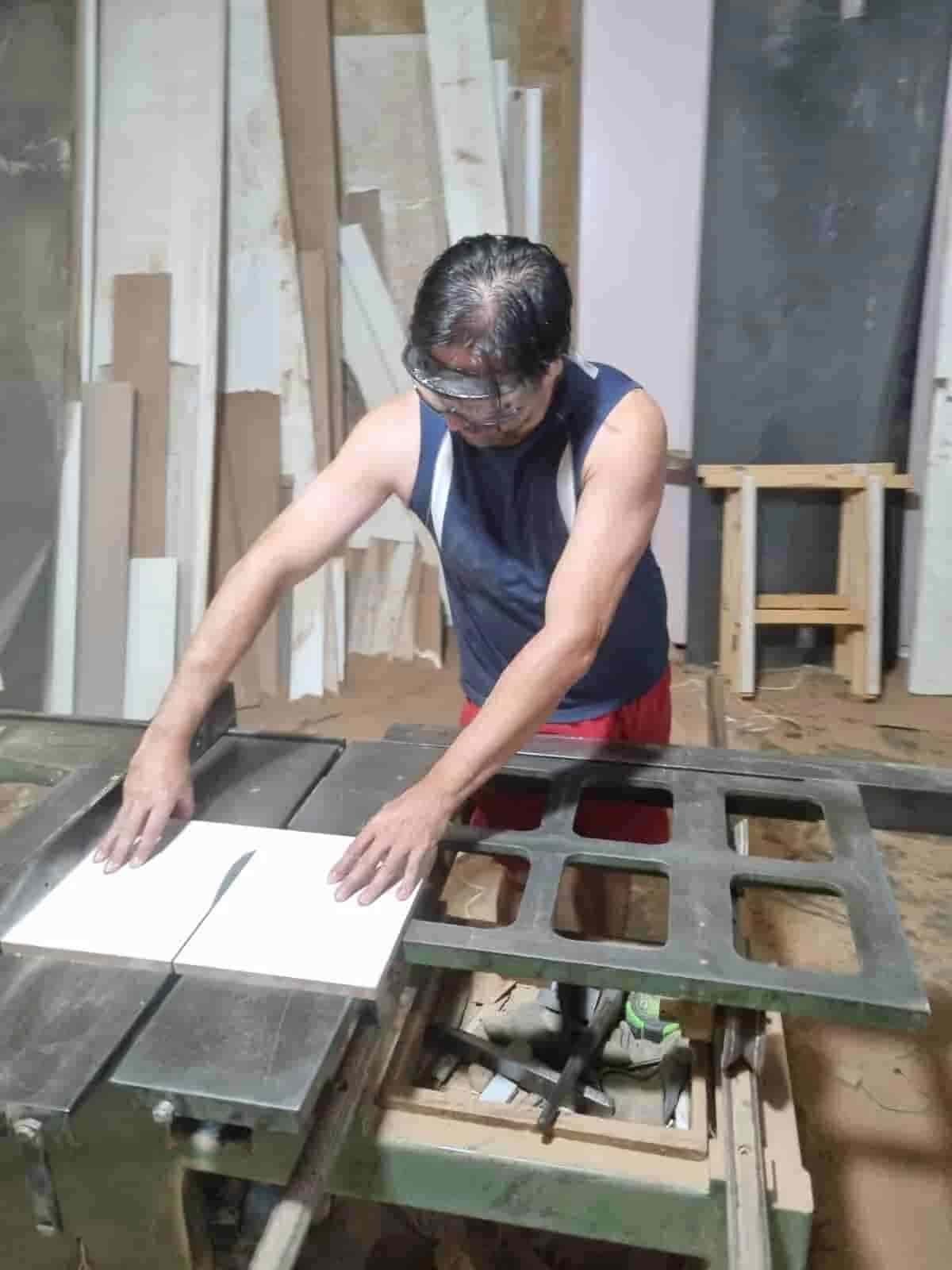
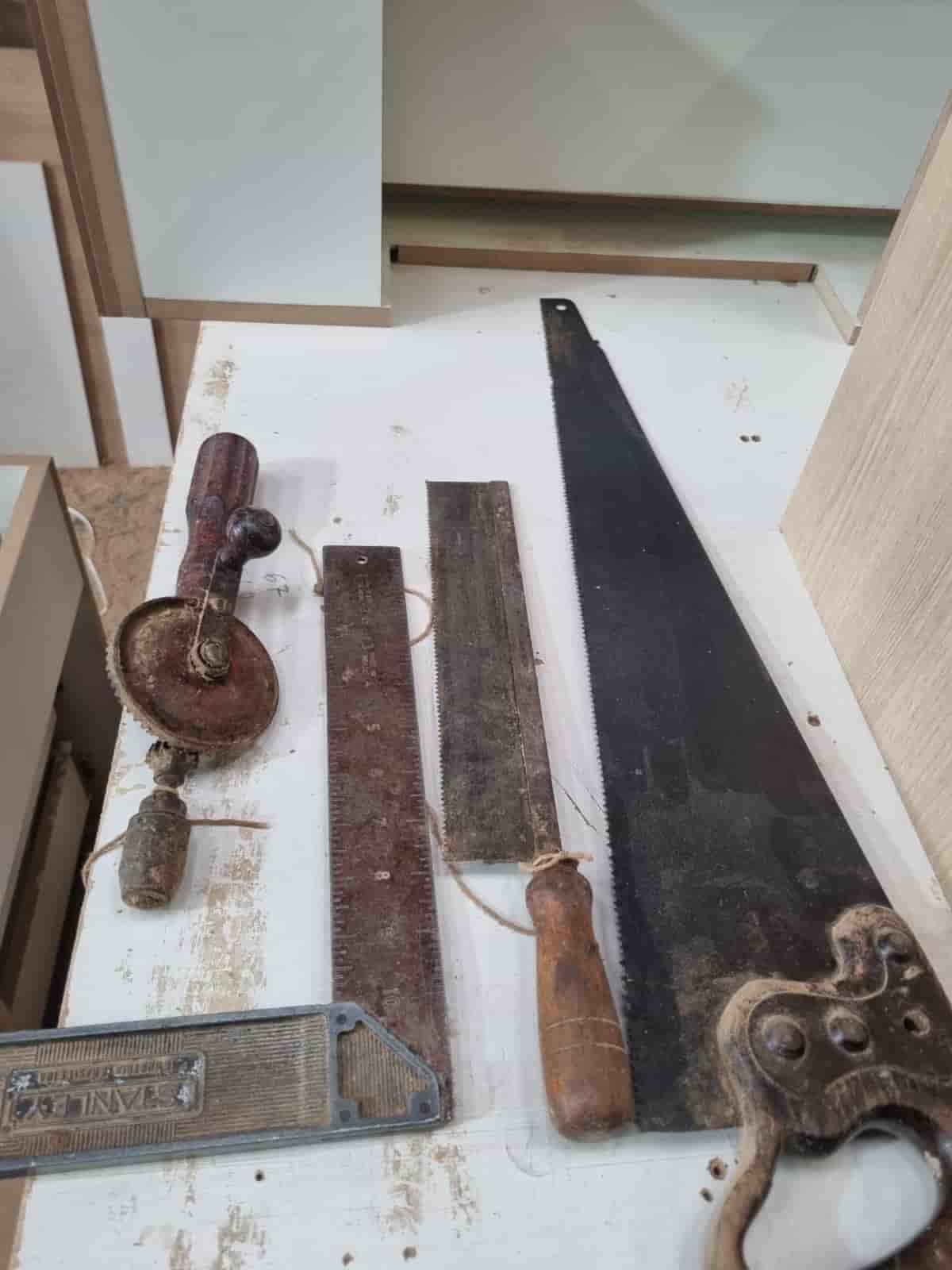
Real World Experience. Engineering Precision.
At SkyTC, technology is never just theoretical—it is driven by practical execution, structural integrity, and strict diagnostic standards. Founded by Valtersky, a tech speaker and seasoned professional, every single guide published here is backed by an authentic multidisciplinary background that bridges the gap between hardware structures and advanced software ecosystems.
Generational Craftsmanship
With 25 years of professional woodworking experience inherited through generations, he masterfully handles smart home mounting, wire routing, and physical hardware adjustments.
Medical Diagnostic Standards
An active career as a licensed X-ray technologist and dental prosthetics practitioner injects rigorous clinical precision, micro-detailed testing, and data integrity into tech evaluations.
Endurance Field Testing
As a competitive mountain ultramarathon runner, he takes every consumer wearable, smart sensor, and GPS watch out into extreme raw environments to test real-world durability boundaries.
✨ Read also: How to Repair Lockly Deadbolt Jammed in Mahogany Frame: The Ultimate Field Repair Guide
A deeply technical piece of content that perfectly complements this post — absolutely worth the read.