
Hey there, friend. If you just got home after a brutal day at work, carrying heavy grocery bags, only to hear that pathetic, high-pitched mechanical whine from your door, I completely feel your pain. Having to constantly pull, push, or lift your door just to get your smart deadbolt to lock is a total nightmare, and it usually means you need to Repair Wyze Lock Jammed Due to Warped Door Frame before you burn out the motor. It completely ruins the whole point of having a smart home setup in the first place.
I’ve spent 25 years working with wood, and let me tell you, timber is alive. It breathes, it swells, and when the humidity spikes, your door frame turns into a moving target. Combine that with my team at skytc hands-on testing these smart locks day in and day out, and we’ve seen this exact jam happen on countless setups.
But don’t sweat it. You don’t need to hire an overpriced carpenter or throw your Wyze lock in the trash. We are going to get this sorted out right now, saving you hours of frustration and restoring that sweet, sweet peace of mind of a door that locks itself perfectly every single time.
The Battlefield Reality
The Wyze Lock is a genius piece of smart home tech that lets you keep your existing exterior key; however, its interior plastic gear train is highly vulnerable to stripping if it constantly has to fight against a binding deadbolt. Many smart retrofit locks, even though they are lightweight and easy to install, simply do not possess the raw brute-force motor torque of high-end commercial locksets.
Marketing campaigns love to promise a “ten-minute, set-and-forget” installation that works on any door. But the brutal truth is that these smart locks are incredibly sensitive to physical resistance. If you have to push or pull your door just a tiny bit to lock it manually, your smart lock is going to fail, jam, and eat through its batteries in a matter of weeks.
Why Your Wooden Door Frame is Actually Your Smart Lock’s Worst Enemy
To fix the problem, we first need to understand why your door is suddenly acting like a stubborn teenager. Wood is a hygroscopic material, meaning it constantly absorbs and releases moisture from the surrounding air. When summer humidity spikes, your wooden door and its frame swell; conversely, when winter dry air hits, they shrink, which can throw off your deadbolt’s alignment by crucial fractions of an inch.
A few years back, when I first started testing smart locks with the skytc team, I installed a retrofit lock on my own garage door. It was an old pine wood door, and in our humid winters, it swelled up like a sponge. I ignored the slight binding sound for three weeks. One morning, the lock jammed completely, and the internal motor stripped the gear casing, turning a brand-new gadget into instant junk. That was my wake-up call: smart locks are great, but they are helpless against shifting wood.
Even if you live in a climate-controlled environment, houses settle over time, causing the door frame to shift from a perfect rectangle into a slight parallelogram. A manual deadbolt allows you to use your physical strength to force the lock closed, but a smart lock motor relies on a tiny gear system that immediately shuts down when it detects resistance to prevent itself from overheating.
This is why retrofit smart locks—even though they are incredibly convenient—require absolute perfection in your door’s physical alignment. Let’s look at how we can identify the exact spots where your deadbolt is rubbing so we can fix it once and for all.
The Classic Mistake: Don’t Be Like Dave
Let’s look at what my buddy Dave did when his Wyze lock started jamming. Dave is a remote software developer who loves automation, but his woodworking skills are basically nonexistent. When his lock kept throwing “jammed” alerts, he assumed the software was acting up. He sat on his living room floor and recalibrated the lock through the app ten times in a row, thinking he could program his way out of a physical alignment issue.
When that failed, he grabbed a drill and tightened the mounting screws so hard that the metal backing plate literally bowed. The result? He completely seized the gears, turned his sleek smart lock into a paperweight, and had to buy a brand new unit. Dave made the classic mistake of trying to solve a physical structural woodwork problem with software and brute force, which only made things worse.
Step-by-Step Guide to Repair Wyze Lock Jammed Due to Warped Door Frame
We are going to tackle this systematically. No guessing, no random drilling. Follow these steps to diagnose and repair the alignment issues causing your smart lock to jam.
Step 1: The Open Door Test
Open your door completely and use the Wyze app or the manual thumb turn to throw the deadbolt.
- If the lock throws smoothly when the door is open, your motor and gears are perfectly fine; however, if it still jams in mid-air, your issue is internal to the lock or the tailpiece assembly.
- The plastic tailpiece adapter can wear out over time; but replacing it with one of the other colored adapters in the box can quickly resolve any internal play.
Step 2: Locate the Friction Points (The Lipstick Test)
If the lock works fine when open but jams when closed, the deadbolt is hitting the strike plate. We need to find out exactly where.
- Apply a thin layer of dry-erase marker, lipstick, or chalk to the tip and edges of your deadbolt; however, make sure to wipe it off immediately after testing so you don’t stain your door’s finish.
- Close the door and attempt to lock it so the bolt rubs against the strike plate; although this will leave a clear colored mark showing you exactly where the misalignment is, you must execute the turn gently to avoid bending the motor shaft.
Step 3: Tighten the Door Hinges
Before you touch a chisel or a file, look at your hinges. A sagging door is the number one cause of lock alignment issues.
- Inspect the screws on your top hinge to see if they are loose; but keep in mind that standard short hinge screws often strip the wooden frame over time.
- Replace one of the short screws in the top hinge with a heavy-duty three-inch wood screw; although this will instantly pull the top of the door closer to the frame, overtightening can cause the door to bind on the hinge side.
Step 4: Adjusting the Strike Plate
If tightening the hinges didn’t lift the door enough, we need to physically adjust the metal strike plate on the door frame.
- Unscrew the strike plate and shift it slightly up, down, or outward depending on your lipstick test results; however, you will need to fill the old screw holes with toothpicks and wood glue first, otherwise the screws will just slip back into their old positions.
- Use a sharp chisel to widen the wooden mortise behind the strike plate; but work slowly and take off only a millimeter at a time to avoid splitting the door frame.
Step 5: Deepen the Deadbolt Hole
Sometimes the deadbolt is hitting the back of the hole inside the door frame because the hole isn’t deep enough.
- Insert a spade drill bit into the deadbolt hole and drill an extra half-inch of clearance; although this is an incredibly quick fix, you must ensure there are no electrical wires running inside that section of the wall.
- Vacuum out all wood shavings and debris from the hole; yet remember that a clean cavity won’t solve the issue if the face of the strike plate is still misaligned.
Structural Adjustments vs. Quick Fixes
To help you decide which path to take, let’s look at the pros, cons, and realistic success rates of each adjustment method.
| Repair Method | Difficulty Level | Tools Required | Success Rate | Primary Downside |
|---|---|---|---|---|
| Hinge Tightening | Low | Screwdriver, 3-inch screw | High | Won’t fix severe horizontal frame warping; however, it’s always the best first step to try. |
| Strike Plate Filing | Medium | Metal hand file, Dremel | Very High | Shaving too much metal can weaken the strike plate; but it offers a highly customized fit. |
| Deadbolt Hole Deepening | Low | Spade drill bit, drill | High | Can weaken the structural core of the frame if overdrilled; although it instantly solves depth issues. |
| App Calibration | Zero | Smartphone | Low | Does absolutely nothing for physical wood alignment; yet many users waste hours trying it. |
| Complete Lock Replacement | High | Screwdriver, new lock set | Not Specified | Requires a premium tier investment without fixing the actual door frame; but is necessary if gears are already stripped. |
In 30 Seconds: The Quick Verdict
Here is the straight, no-nonsense truth. Your Wyze lock isn’t broken—your house has simply shifted or the weather has caused your door to swell. Don’t waste your afternoon recalibrating the app or bending your mounting plate.
Grab a three-inch wood screw, drive it into your top door hinge to pull the door back up, and use a metal file or Dremel to shave off a millimeter of metal from the strike plate where the bolt is rubbing. If you can’t smoothly throw the deadbolt with one finger while the door is closed, your smart lock motor will keep jamming. Fix the physical clearance first, and your smart home setup will run flawlessly.
The Master DIY Real-World Checklist
- Check if the lock works perfectly when the door is wide open to isolate the need to Repair Wyze Lock Jammed Due to Warped Door Frame; however, if it still jams when open, you likely have a bent internal tailpiece or a dying motor.
- Tighten the top hinge screws with three-inch heavy-duty wood screws to instantly pull a sagging door back into alignment; but keep in mind that overtightening can warp the outer trim of your door frame.
- Use a piece of sandpaper or a small hand file to smooth down the wooden edges inside the latch cavity; although this is highly effective, it will leave bare wood exposed to moisture unless you seal it with touch-up paint.
- Apply a small amount of dry graphite lubricant to the deadbolt track to ensure ultra-smooth friction-free movement; however, avoid using wet WD-40 because it acts like a magnet for dust and pet hair over time.
- Loosen the mounting plate screws on your Wyze lock by a quarter turn to relieve pressure on the motor casing; but be careful not to leave them too loose, or the entire unit will wobble when you turn the key.
- Use the “lipstick test” by applying a dry-erase marker to the bolt tip to see exactly where it rubs against the metal strike plate; though this saves massive troubleshooting time, it can make a temporary mess on your door frame if you aren’t careful.
- Re-run the calibration sequence in the Wyze app after making physical frame adjustments to teach the motor its new limits; yet remember that app calibration is completely useless if the physical deadbolt is still grinding against wood.
- Swap out cheap, low-grade screws on your strike plate with longer hardened steel screws to resist door frame warping; however, this won’t help if your entire wall framing is shifting due to foundation settling.
- Inspect the rubber tailpiece adapters that came with your Wyze lock kit to make sure you selected the correct color fit; although a snug fit is ideal, using an adapter that is slightly too tight can cause the motor to bind.
- Ensure your door’s weather stripping is compressed evenly along the entire frame edge; but be prepared to replace old, hardened rubber strips since they often require you to slam the door just to get it to lock.
- Test the manual thumb latch from the inside to ensure you can throw the bolt with zero resistance; nevertheless, remember that a smooth manual turn doesn’t guarantee the motor won’t struggle if your battery levels are low.
- Check the battery compartment contacts for any corrosion if the lock behaves erratically; though clean contacts are vital, they won’t fix a lock that is physically jammed by seasonal wood expansion.
👇 Looking for more performance cheats? Check out our field-tested tactical blueprints:
Essential DIY Troubleshooting Guides
How to Fix Smart Lock Jammed Wooden Door Jamb Error
Stop your deadbolt motor from straining when wooden frames shift with climate changes.
How to Hide Smart TV Wires Inside Wood Wall Panels
Learn clean woodworking methods to route, mask, and clean up complex home theater clutter.
How to Fix Smart Home Device Unresponsive Wi-Fi Bug
Fix network drops, device timeouts, and broken automation routines inside your home local system.
Tired Tech Veteran FAQ
Why does my Wyze lock keep saying “jammed” even when it looks locked?
Because your lock’s internal sensors measure the exact rotational angle of the deadbolt [1]. If the bolt meets even a tiny bit of physical resistance right at the end of its turn—usually because the hole in the warped frame isn’t deep enough—the sensor assumes it didn’t lock completely and throws a jam error.
Can seasonal weather changes actually jam my smart lock?
Absolutely. Wood expands in high humidity and contracts in dry weather. A door frame that worked perfectly in the winter can easily warp or swell during the summer, shifting the strike plate just enough to cause your Wyze lock to bind.
Is it safe to use WD-40 on my jamming deadbolt?
No, stop right there. WD-40 is a solvent, not a long-term lubricant, and it will attract dust, dirt, and dog hair inside your lock mechanism, eventually turning into a sticky paste. Use dry graphite spray or silicone-based lubricants instead.
How do I know if my door is sagging or if the frame is warped?
Look at the gap between the door and the frame when it is closed. If the gap at the top is wider than the gap at the bottom, your door is sagging due to loose hinges, which drags the deadbolt down below the strike plate opening.
Should I buy a more powerful smart lock to bypass my warped door frame?
No, that is a total waste of cash. Even high-end commercial smart locks will struggle, drain their batteries, and eventually break if they are constantly fighting against a warped door frame. Fix the wood, don’t try to power through it.
What is the easiest way to widen a metal strike plate?
Don’t buy a new strike plate. Grab a small rotary tool like a Dremel or a simple metal hand file and shave off a millimeter or two from the inside edge where you see the deadbolt rubbing.
Why does my Wyze lock eat through batteries so fast?
If your batteries are dying in weeks instead of months, your motor is working overtime to force the deadbolt through a misaligned hole. Every micro-second of physical friction drains massive amounts of power.
Can I fix a warped door frame without replacing the whole door?
Yes, in almost every case. Nine times out of ten, replacing a short hinge screw with a three-inch heavy-duty screw, or filing down the strike plate by a tiny fraction of an inch, is more than enough to fix seasonal warping.
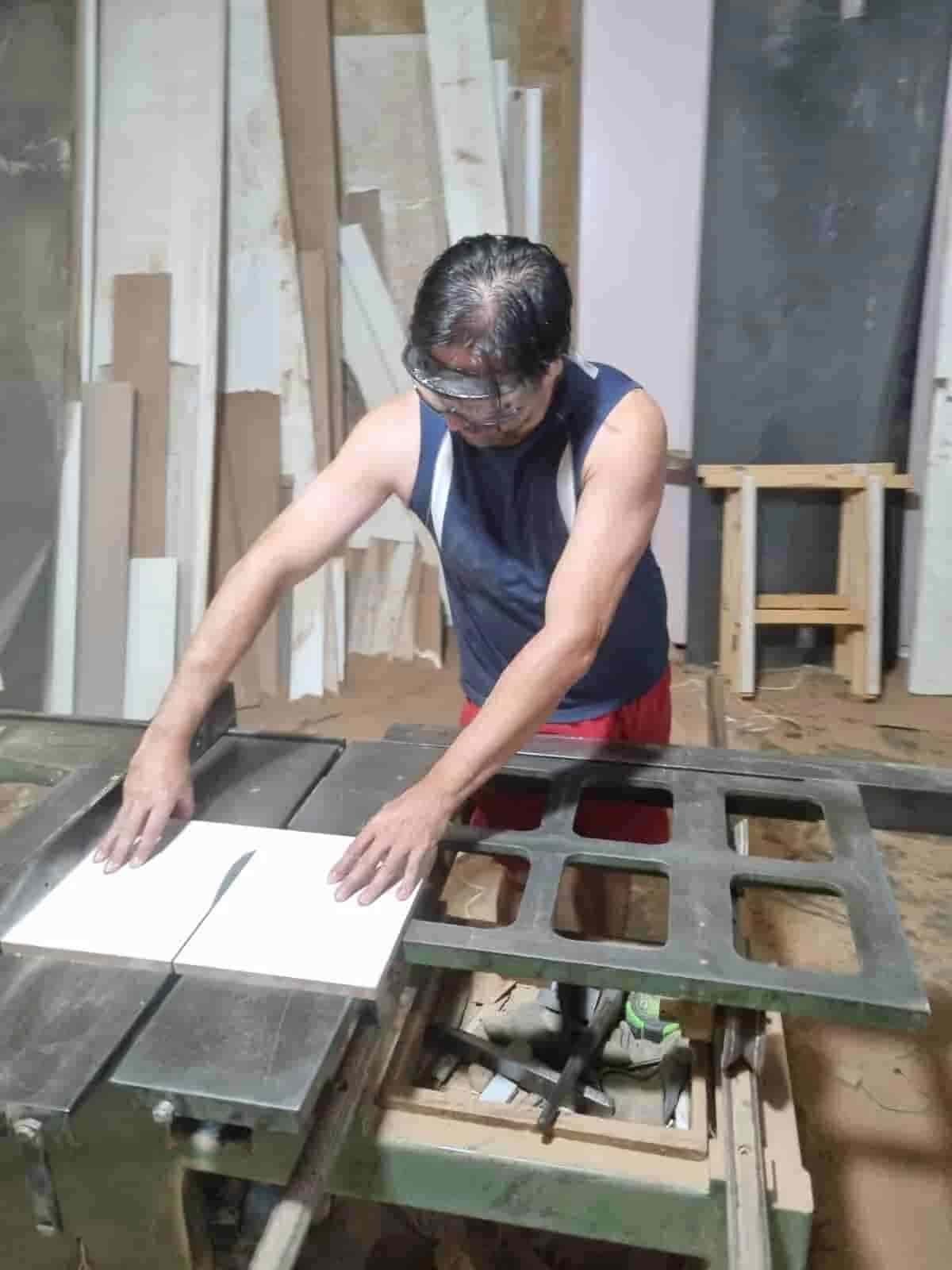
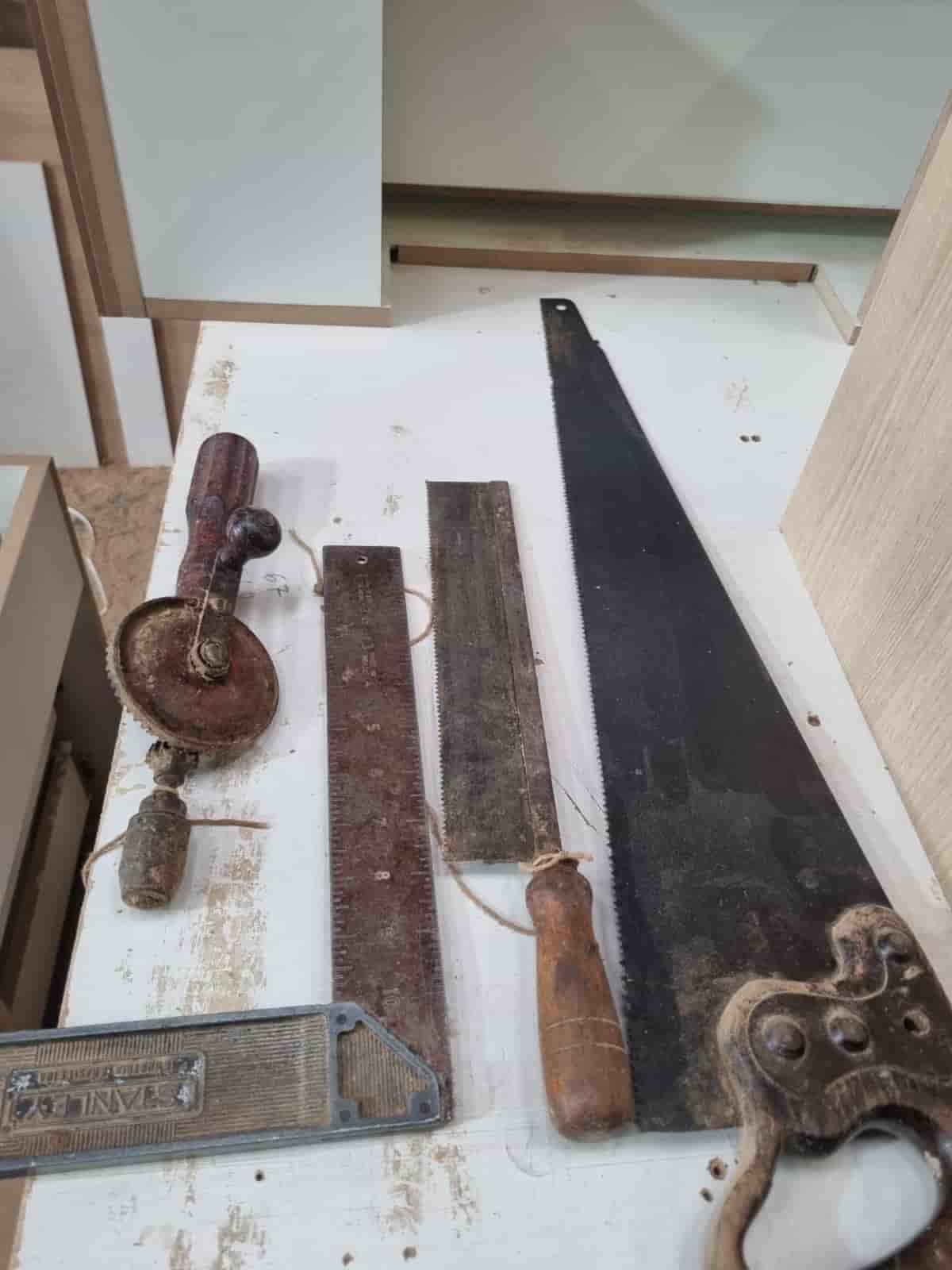
Real World Experience. Engineering Precision.
At SkyTC, technology is never just theoretical—it is driven by practical execution, structural integrity, and strict diagnostic standards. Founded by Valtersky, a tech speaker and seasoned professional, every single guide published here is backed by an authentic multidisciplinary background that bridges the gap between hardware structures and advanced software ecosystems.
Generational Craftsmanship
With 25 years of professional woodworking experience inherited through generations, he masterfully handles smart home mounting, wire routing, and physical hardware adjustments.
Medical Diagnostic Standards
An active career as a licensed X-ray technologist and dental prosthetics practitioner injects rigorous clinical precision, micro-detailed testing, and data integrity into tech evaluations.
Endurance Field Testing
As a competitive mountain ultramarathon runner, he takes every consumer wearable, smart sensor, and GPS watch out into extreme raw environments to test real-world durability boundaries.
✨ Read also: Adjust Eufy Smart Lock Bolt Hitting Wood Strike