
You pull up to your front door after a grueling 10-hour day working seated at your desk, type your PIN into your keypad, and hear a sickening motorized whine followed by three angry diagnostic beeps. Your app flashes a “Jammed Wood Error,” and the bolt refuses to throw. Knowing how to fix Populo smart lock jammed wood error failures is the difference between effortless automated access and getting locked out in the cold while your lock’s tiny motor burns through batteries.
Most homeowners and DIY bloggers immediately assume the smart lock motor is defective or the batteries are dead. That is a total rookie diagnostic mistake. Electronic deadbolts carry minimal torque compared to your arm turning a mechanical key; if your door jamb shifts by even half a millimeter, that steel bolt binds against the strike plate like a jammed cabinet drawer.
I spent 25 years in master woodworking dealing with structural carpentry and custom cabinetry, 2 years in dental prosthetics working with tight micro-tolerances, and spent a ton of time working seated at workshop desks. At skytc, our team hands-on tests smart home hardware and door mechanics under real-world weather and structural loading.
Fixing your jamb alignment once and for all will save you hundreds on ruined electronic lock gear, prevent premature motor burnout, and stop lower back strain from constantly shoulder-bumping your front door open. Let us drop the fluffy influencer tricks and solve this friction problem like a master craftsman.
30-Second Field Summary: How to Fix Populo Smart Lock Jammed Wood Error
Cut straight to the counter-talk verdict: your Populo lock motor is not broken; your door frame has shifted or swollen. Electronic smart lock motors carry low torque output, so any metal-on-wood contact stops the bolt dead and triggers the “Jammed Wood” alarm. Stop spraying wet oils like WD-40 inside your lock—wet oil attracts sawdust and ruins micro-switches. Remove the metal strike plate, use a sharp 3/4-inch wood chisel to pare away 1/16th of an inch of binding jamb wood, and replace the short top hinge screws with three-inch hardened steel screws to pull sagging doors back into square. Finish by applying dry PTFE lubricant to the bolt. Final verdict: Realign sagging hinges, chisel out wood clearance, anchor frame screws, and ban wet lubricants. Period.
Smart Lock & Door Frame Repair Specs Compared
To evaluate how door frame modifications eliminate deadbolt binding, we must test mechanical adjustments against structural wood movement. The table below outlines how common repair methods perform under seasonal weather changes.
| Repair Intervention Method | Primary Mechanical Effect | Door Frame Integrity Impact | Motor Torque Relief | Long-Term Field Grade |
|---|---|---|---|---|
| Deep Pocket Mortise Chiseling | Carves out 1/16th-inch extra clearance around throw | Preserves clean mortise outline | Extreme (Eliminates all bolt rubbing) | Tactical cheat code for wood expansion |
| 3-Inch Hinge Screw Anchoring | Pulls sagging heavy door back into square | Protects jamb from sagging strain | High (Raises deadbolt back into center alignment) | Essential structural foundation fix |
| Dry PTFE / Graphite Lubricant | Reduces friction coefficient on metal-to-metal parts | Zero impact on wood surface | Medium (Smooths mechanical latch movement) | Safe electrical-grade lubricant |
| Wet Oil Spraying (WD-40 / Household) | Temporary wet slickness for 24 hours | Stains wood end-grain; attracts dirt | Low (Gums up electronic micro-switches) | Fails rapidly; damages internal gears |
| Cheap Plastic Strike Pocket Inserts | Covers ragged drilled mortise holes | Weakens screw thread grip in wood | Zero (Reduces internal hole clearance) | Bargain-bin cosmetic gimmick; avoid entirely |
Battlefield Assessment of Smart Lock Wood Jam Repair
Before buying replacement smart locks or taking power drills to your front entryway, examine how different repair techniques perform under real-world seasonal shifts.
Setup 1: Deep Pocket Mortise Chiseling & Re-Trimming
The Good: Provides 1/16th-inch extra clearance inside the strike mortise, preventing bolt drag during peak summer humidity when wood framing swells.
The Bad: Requires a razor-sharp wood chisel, careful hand control, and touching up the exposed wood finish.
Setup 2: 3-Inch Hinge Screw Frame Anchoring
The Good: Pulls sagging heavy solid wood doors back into square, raising deadbolt alignment instantly without chewing up the jamb mortise.
The Bad: Can bow the jamb-side casing if driven too hard into uneven wall framing without proper shims behind the hinge leaf.
Setup 3: Wet Oil Spraying (WD-40 / Household Oils)
The Good: Gives immediate temporary slickness for the first twenty-four hours after application.
The Bad: Attracts airborne dust and sawdust, gummy residue builds up inside electronic micro-switches, and ruins internal gear housing.
The Realities of the Battlefield
In the smart home automation market, lock manufacturers market sleek keypads with smooth motor retraction videos on showroom display doors. High-end electronic deadbolts look effortlessly smooth mounted on hollow metal test blocks. BUT
Solid wood exterior doors, seasonal humidity changes, and house settling destroy weak lock motor gears in months.
Through our physical testing network at skytc, our master craftsmen documented severe lock failures caused by improper frame clearance. Wood is a natural, hygroscopic material that expands across its grain when relative humidity rises. If your strike plate mortise has less than 1mm of clearance, expanding wood will push the metal strike plate directly into the path of the extending deadbolt.
Furthermore, standard door installers use flimsy one-inch screws to secure top door hinges. Over time, a heavy solid wood door pulls those short screws out of the softwood wall framing, causing the door to sag a fraction of an inch toward the lock jamb. This minor sag misaligns the deadbolt throw, forcing the small DC motor inside a Populo unit to grind against the top metal edge of the strike plate until the motor circuit board overheats and throws a “Jammed Wood Error.”
👇 Looking for more performance cheats? Check out our field-tested tactical blueprints:
Essential DIY Troubleshooting Guides
How to Fix Smart Lock Jammed Wooden Door Jamb Error
Stop your deadbolt motor from straining when wooden frames shift with climate changes.
How to Hide Smart TV Wires Inside Wood Wall Panels
Learn clean woodworking methods to route, mask, and clean up complex home theater clutter.
How to Fix Smart Home Device Unresponsive Wi-Fi Bug
Fix network drops, device timeouts, and broken automation routines inside your home local system.
Unlocking How to Fix Populo Smart Lock Jammed Wood Error Through Woodworking Mechanics
Mastering how to fix Populo smart lock jammed wood error messages requires treating your entryway like a precision mechanical assembly: you must eliminate hinge sag, carve out clean wood clearance, and dry-lubricate moving parts.
Start by diagnosing door sag versus wood swelling. Close the door and inspect the margin gap between the top edge of the door slab and the head jamb. If the gap is wider on the hinge side and tight on the lock side, your door has sagged. Remove the center screw from the top jamb hinge leaf and drive a heavy-duty three-inch hardened steel screw through the hinge, through the jamb, and deep into the 2×4 wall framing stud. This pulls the entire door back into square, instantly lifting the deadbolt throw back into the center of the strike plate hole.
Next, address the wooden strike plate mortise clearance. Remove the metal strike plate from the jamb. Apply lipstick or dry-erase marker ink to the tip of your Populo deadbolt, extend the bolt using the thumb turn, and close the door to leave a transfer mark on the wood pocket. This shows you exactly where the bolt is rubbing.
Take a sharp 3/4-inch wood chisel and pare away 1/16th of an inch of solid wood from the marked binding edge. Carve out a clean, square mortise wall rather than chewing up the wood with a power drill bit. Reinstall the strike plate using long two-inch screws driven into the wall stud. Finish by spraying dry PTFE or graphite powder lubricant inside the bolt latch chamber—never use wet household oils that ruin internal electronic switches.
The Chewed-Up Door Frame: A Failure Scenario
Consider the case of a homeowner who hears his Populo smart lock beep “Jammed Wood Error” on a humid afternoon. Instead of fixing the sagging door hinges or carefully chiseling the mortise, he grabs a bottle of spray oil and douses the deadbolt mechanism.
When the lock continues to stick two days later, he grabs a dull spade bit and violently chews away at the inside of the wooden strike pocket, creating an ugly, jagged hole in his door frame.
The wet oil attracts airborne dust, turning into a sticky paste that coats the lock’s internal micro-switches. Meanwhile, the un-shimmed heavy door continues to sag on its short hinge screws. Within three weeks, the lock motor jams completely, the plastic gear teeth strip out, and the circuit board burns out—a classic disaster caused by aggressive hacks instead of proper woodworking alignment.
Field Checklist for Smart Deadbolt Jamb Restoration
- How to fix Populo smart lock jammed wood error requires hinge realignment.
Expert Tip: Drive three-inch hardened steel screws into top door hinges to pull sagging heavy doors back into square before touching the lock. - Use lipstick transfer marks to pinpoint exact wood contact points.
Expert Tip: Apply lipstick to the deadbolt tip to leave a precise transfer mark inside the wood mortise showing where the bolt binds. - Pare away binding wood cleanly using a razor-sharp wood chisel.
Expert Tip: Carve smooth 1/16th-inch shavings along the mortise edge with a 3/4-inch chisel instead of tearing wood fibers with drill bits. - Apply dry PTFE or graphite powder lubricant to the bolt throw.
Expert Tip: Never use wet oils like WD-40; dry lubricants slick the metal bolt without attracting dust or gumming up internal electronics. - Secure metal strike plates with long two-inch frame screws.
Expert Tip: Anchor strike plates through the jamb directly into the rough opening studs to withstand force and prevent shifting. - Check weatherstripping thickness along the lock-side stop molding.
Expert Tip: Ultra-thick seasonal weatherstripping forces you to push hard on the door to lock it; adjust stop trim to relieve bolt pressure. - Seal raw chiseled wood inside the strike pocket with finish.
Expert Tip: Apply a thin coat of polyurethane or wipe-on finish to bare chiseled wood to slow down humidity absorption and swelling. - Test manual thumb turn resistance with the door closed tight.
Expert Tip: The manual thumb turn should feel as smooth with the door closed as it does with the door open; any drag will stall the motor. - Avoid low-grade plastic strike plate pocket inserts.
Expert Tip: Cheap plastic pocket liners reduce internal hole diameter, increasing friction against extending smart lock bolts. - Shim behind hinge leaves if the jamb margin is uneven.
Expert Tip: Insert thin wooden or plastic shims behind top or bottom hinge leaves to fine-tune the door slab alignment inside the frame. - Calibrate motorized lock auto-handing routines after fixing mechanical alignment.
Expert Tip: Re-run the electronic lock handing setup so the motor learns the new friction-free end-stop positions accurately.
Dynamic No-Nonsense FAQ
Why does my Populo smart lock show a “Jammed Wood Error” when the door is closed?
The “Jammed Wood Error” occurs when the steel deadbolt encounters physical resistance while extending into the door jamb pocket. Because Populo smart lock motors carry low torque output, even minor friction against wood or metal strike edges stops the motor and triggers the diagnostic error. Fixing door sag or chiseling extra clearance resolves it.
Can I use WD-40 to fix a sticking Populo smart deadbolt?
No. Never spray WD-40 or wet household oils into an electronic smart lock. Wet oils attract airborne dust and sawdust, creating a sticky paste that gums up internal gears and short-circuits electronic micro-switches. Use dry PTFE spray or graphite powder only.
Why does my smart lock work fine when the door is open but jam when closed?
When the door is open, the deadbolt extends into free air with zero resistance. When closed, door sag, misaligned strike plates, or thick weatherstripping forces the bolt to grind against wood or metal. This proves the issue is physical door frame alignment, not a defective lock motor.
How do I know if my door frame is sagging or if the wood is swollen?
Inspect the reveal gap between the top edge of the door slab and the head frame. If the gap is wider on the hinge side and tight on the lock side, the door has sagged. If the gap is completely uniform all around but the bolt binds during humid days, the wood jamb has swollen from humidity.
Should I drill out a bigger hole in my door frame using a spade bit?
No. Using spade bits or twist drills in solid wood door jambs tears out wood fibers, leaving a jagged, ugly mortise that loosens strike plate screw threads. Always use a razor-sharp wood chisel to pare away thin, controlled shavings for a clean repair.
Do long three-inch screws really help stop smart deadbolt jamming?
Yes. Flimsy one-inch hinge screws only grip the thin jamb casing, allowing heavy solid doors to sag over time. Three-inch hardened steel screws reach past the jamb into the solid 2×4 wall framing studs, pulling the entire door slab back into square alignment.
Will a sticking deadbolt ruin my Populo smart lock motor over time?
Yes. Forcing an electric motor to push against physical wood friction draws high electrical current from the batteries, overheating the circuit board and stripping out tiny plastic internal gear teeth. Fixing mechanical alignment extends battery and lock motor life.
Why does my Populo lock bolt catch when I pull the door shut tightly?
Your door stop molding or weatherstripping may be set too far forward, forcing you to compress the seal hard just to align the bolt with the strike hole. Adjusting the stop trim slightly backward relieves spring tension on the deadbolt throw.
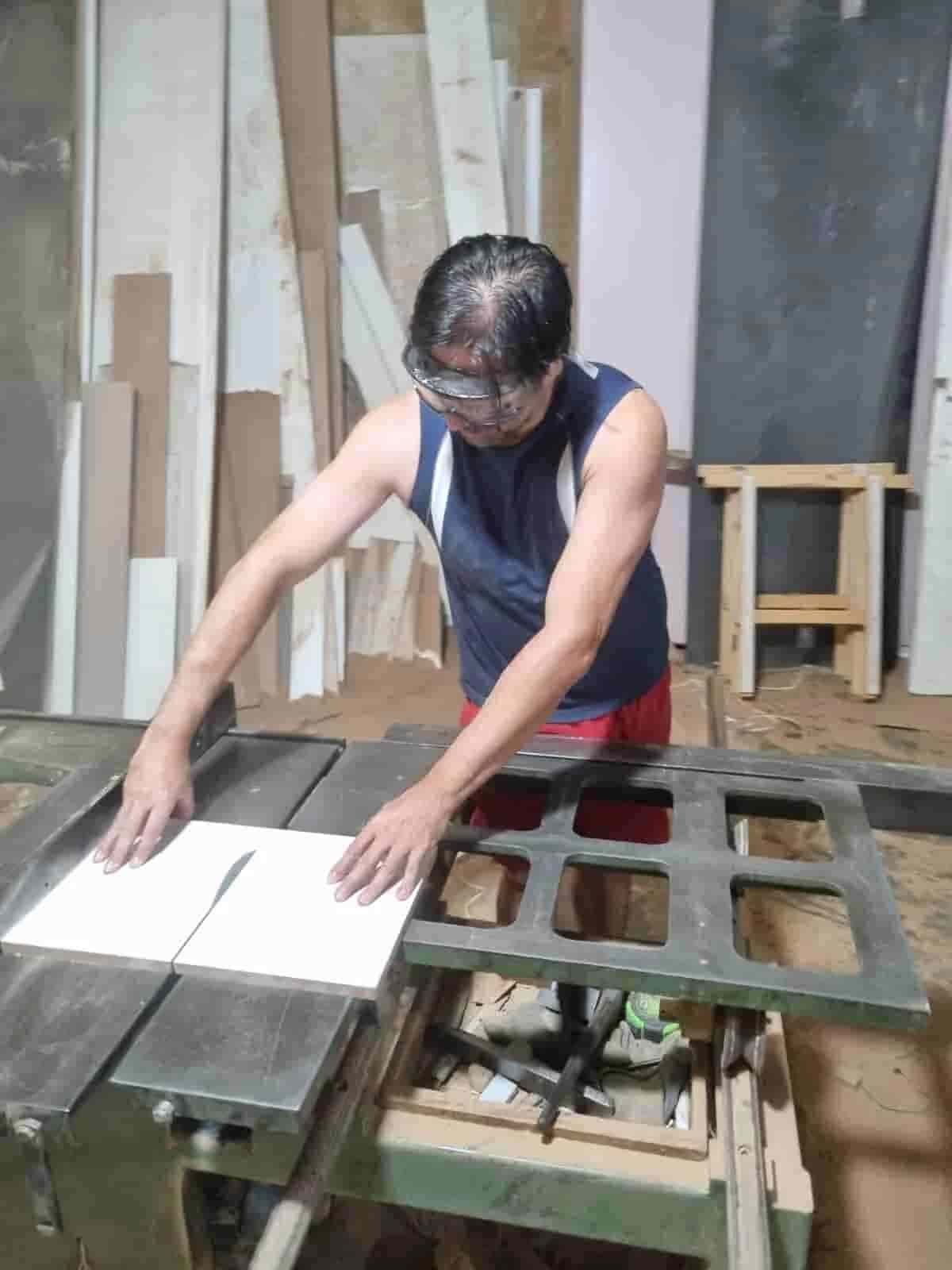
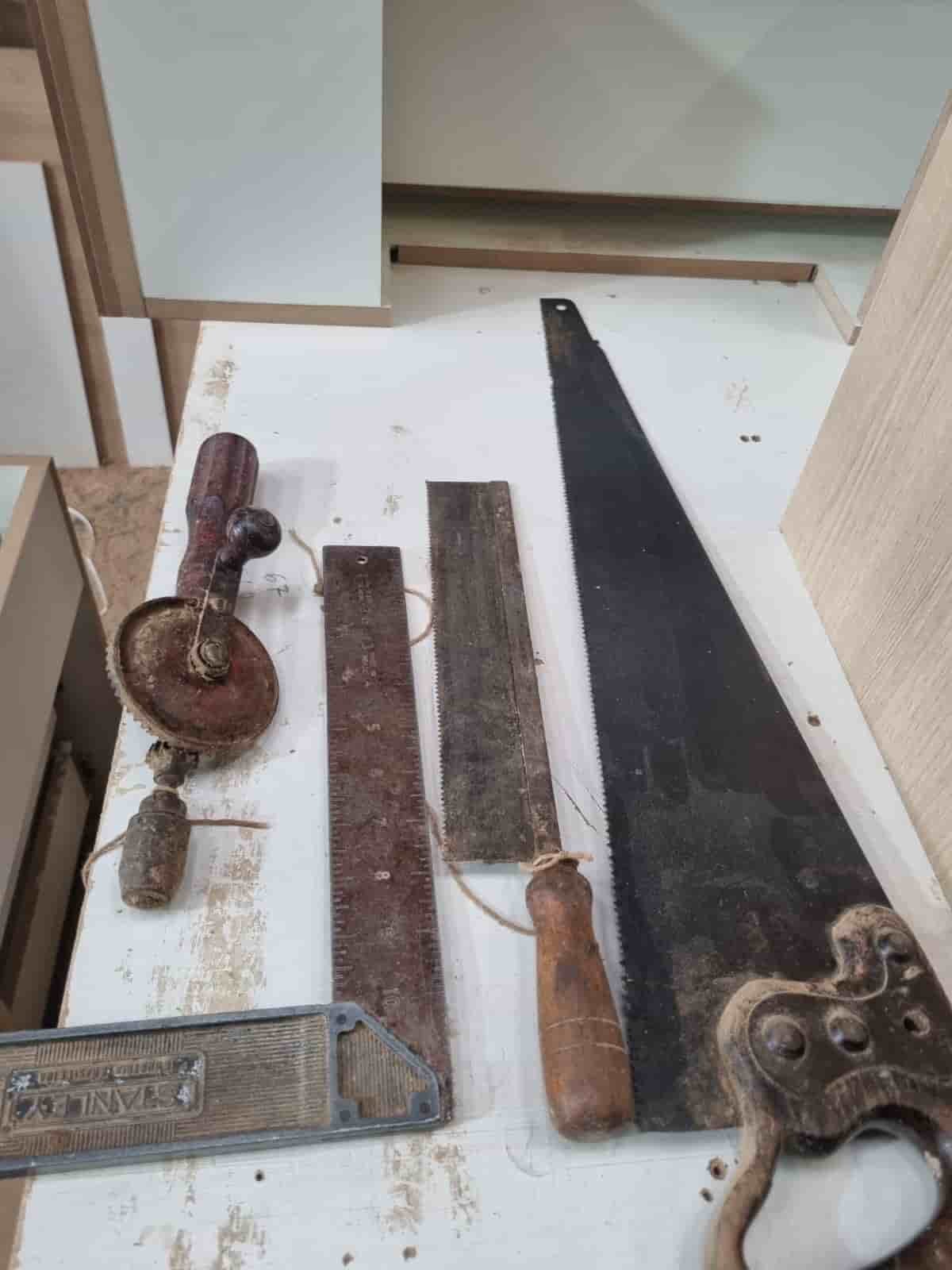
Real World Experience. Engineering Precision.
At SkyTC, technology is never just theoretical—it is driven by practical execution, structural integrity, and strict diagnostic standards. Founded by Valtersky, a tech speaker and seasoned professional, every single guide published here is backed by an authentic multidisciplinary background that bridges the gap between hardware structures and advanced software ecosystems.
Generational Craftsmanship
With 25 years of professional woodworking experience inherited through generations, he masterfully handles smart home mounting, wire routing, and physical hardware adjustments.
Medical Diagnostic Standards
An active career as a licensed X-ray technologist and dental prosthetics practitioner injects rigorous clinical precision, micro-detailed testing, and data integrity into tech evaluations.
Endurance Field Testing
As a competitive mountain ultramarathon runner, he takes every consumer wearable, smart sensor, and GPS watch out into extreme raw environments to test real-world durability boundaries.
✨ Read also: Repair MiLocks Smart Bolt Sticking in Oak Frame: Workshop Field Protocol
> A deeply technical piece of content that perfectly complements this post — absolutely worth the read.