
Are you thinking about upgrading your aquarium setup but find yourself asking, how heavy is a 100 gallon fish tank? It is an incredibly smart question to ask before you bring this massive glass or acrylic box into your home. Most folks completely underestimate the sheer, bone-crushing weight of a large aquarium once it is fully loaded with water, substrate, rocks, and filtration gear.
As someone who has spent the last eight years keeping fancy goldfish, running long-distance marathons to clear my head, and working as a professional seamstress, I know a thing or two about precision, structure, and carrying heavy loads. When I first moved my own 100-gallon (400-liter) tank into my home, my family thought I was crazy. They were convinced it would crash straight through the floorboards!
But here is the absolute truth: you do not need to be a structural engineer to safely keep a large aquarium. You just need the raw, unvarnished math, a solid plan, and a stand that won’t buckle under pressure. Let’s break down the exact weight of these massive setups so you can sleep soundly at night without worrying about a living room flood.
The 30-Second Weight Verdict
Alright, let’s skip the fluff and get straight to the numbers.
An empty 100-gallon glass tank weighs about 150 to 200 pounds on its own.
Add 100 gallons of water (which is exactly 834 pounds) and you are already over 1,000 pounds.
Throw in 100 to 150 pounds of sand, gravel, heavy rocks, and a beefy canister filter.
Your final, real-world operating weight is going to sit between 1,100 and 1,250 pounds.
If anyone tells you a standard cheap bookcase can hold this, they are lying and trying to ruin your floor.
The Math: How Heavy Is a 100 Gallon Fish Tank Filled?
To truly understand the load you are placing on your home’s foundation, we must break down the individual components that make up the total mass. You cannot just guess this; you need to look at each piece of the puzzle.
Glass vs. Acrylic: The Empty Tank Weight
The material of your tank makes a massive difference before you ever add a single drop of water.
- Glass Aquariums: Extremely durable and scratch-resistant, but they are incredibly heavy. An empty 100-gallon glass tank will easily weigh between 150 and 200 pounds. You will need at least two strong friends to move it.
- Acrylic Aquariums: Much lighter and easier to transport when empty, typically weighing between 80 and 120 pounds. However, acrylic scratches if you even look at it wrong, and cheap acrylic tanks will bow outward over time if they lack proper top bracing.
The Substantial Weight of Water
Water is the silent giant here. One single gallon of fresh water weighs exactly 8.34 pounds. When you scale that up to 100 gallons, you are dealing with a staggering 834 pounds of pure liquid weight. If you are planning a saltwater setup, marine salt increases the density, pushing that water weight closer to 850 pounds.
Substrate, Decor, and Equipment
Do not forget the interior design. A proper substrate bed of sand or gravel should be about 1 to 2 inches deep. For a 100-gallon footprint, that means adding 100 to 150 pounds of gravel.
- The Good Side: Substrate provides critical surface area for beneficial bacteria to grow, keeping your water crystal clear and ammonia levels at absolute zero.
- The Negative Point: It adds massive physical weight to the footprint, and if you ever need to tear down the tank, scooping out 150 pounds of wet, smelly sand is an absolute nightmare that will strain your back.
Comparing 100-Gallon Aquarium Weights
To make this incredibly simple to visualize, here is a quick breakdown of how different configurations stack up when it comes to total weight.
| Tank Setup Type | Empty Weight (lbs) | Water Weight (lbs) | Substrate/Decor (lbs) | Total Filled Weight (lbs) |
|---|---|---|---|---|
| Standard Glass (Freshwater) | 160 | 834 | 120 | 1,114 |
| Acrylic (Freshwater) | 90 | 834 | 120 | 1,044 |
| Glass Marine (Saltwater) | 180 | 850 | 150 (Live Rock/Sand) | 1,180 |
| Rimless Thick Glass (Premium) | 220 | 834 | 100 | 1,154 |
The Reality of the Battlefield
Let’s talk about what actually happens when you put a half-ton of water inside a residential home. Manufacturers love to sell you gorgeous, sleek setups with promises of lifetime durability, but the reality on the ground is often much messier.
Take premium MDF (medium-density fiberboard) aquarium stands, for example. They feature beautiful, modern faux-wood finishes that look absolutely stunning in your living room. But the moment you spill a little water during a routine weekly water change—which is completely unavoidable—that gorgeous finish will flake off, the cheap compressed wood underneath will absorb the moisture like a sponge, and the entire structure will swell and lose its structural integrity.
Another classic example is the built-in cabinet hinges on many high-end setups. They are praised for their soft-close, whisper-quiet operation. However, the constant humid environment inside an enclosed aquarium cabinet causes these cheap steel hinges to rust solid within twelve months, leaving you with doors that screech like a banshee and eventually snap off.
And let’s not forget about “rimless” glass tanks. They offer an incredibly clean, uninterrupted view of your aquatic world. But without the structural support of a plastic top frame, the silicone seams are placed under immense, continuous tension. If the stand is even slightly unlevel, that uneven pressure will slowly micro-tear the silicone over a few years, leading to a catastrophic blowout while you are fast asleep.
As a professional seamstress, I deal with tension and structural integrity daily. A fraction of an inch off in a fabric seam can ruin a custom dress. In the aquarium world, if your stand is slightly uneven, that uneven tension will slowly pull your tank’s silicone seams apart until they fail.
👇 Looking for more performance cheats? Check out our field-tested tactical blueprints:
The Goldfish Ecosystem Blueprint
Complete your advanced technical training loop by exploring our core evergreen resources.
How to Feed Goldfish for Maximum Lifespan
A deep breakdown of digestive tract mechanics, bloating prevention, and premium sinking diets.
How to Maintain a 100 Gallon Goldfish Tank
Large-scale system parameters. Deep sand bed mechanics, nitrogen cycling, and bioload management.
Ultimate Guide to Goldfish Tank Filtration
Heavy-duty hardware configurations. Optimizing parallel canisters, bio-media setups, and automation.
The “Level Enough” Disaster Scenario
Imagine a hobbyist named Dave. Dave finally buys his dream 100-gallon tank. He places it on a beautiful wooden credenza in his living room. He lays down a level and notices the bubble is slightly off-center—just a hair, maybe an eighth of an inch. Dave thinks, “Eh, it’s close enough. It’s solid wood, it’ll hold.”
He fills the tank, aquascapes it beautifully, and introduces his prized fish. Everything is perfect for six months. But slowly, that slight slant concentrates over 1,000 pounds of force onto the front-left corner of the glass pane. One Tuesday afternoon while Dave is at work, the silent stress finally wins. A microscopic fracture in the silicone splits.
Within minutes, 100 gallons of water floods his living room, destroying his hardwood floors, ruining the ceiling of the basement below, and leaving his fish gasping on wet carpet. All because Dave skipped the simple, crucial step of properly shimming and leveling his stand.
Common Pitfalls When Managing a Heavy Tank
If you want to avoid becoming a cautionary tale like Dave, you must steer clear of these common rookie mistakes:
- Using Non-Aquarium Furniture: Standard dressers, TV consoles, and credenzas are designed to hold flat-screen TVs or folded clothes, not a 1,200-pound water monster. Over time, the middle of the furniture will sag, putting uneven stress on the bottom glass panel until it snaps.
- Placing the Tank Parallel to Floor Joists: If your tank sits on a wooden floor, placing it parallel to a single joist means all that weight is resting on one narrow piece of wood. Always place the tank perpendicular to the joists to distribute the load across multiple structural beams.
- Neglecting a Foam Leveling Mat: For rimless glass tanks, placing them directly onto a hard wooden stand is a death sentence. Any tiny grain of sand or imperfection on the stand will create a pressure point. A cheap foam leveling mat absorbs these imperfections and saves your glass from cracking.
Ultimate Heavy Tank Installation Checklist
Before you fill your tank, go through this checklist to ensure your home and floor can safely handle the load.
- Check exactly how heavy is a 100 gallon fish tank for your specific model before buying a stand. Insider note: Double-check the manufacturer spec sheet; some extra-thick glass rimless tanks weigh almost 50 lbs more than standard ones.
- Inspect the floor joists beneath the planned location. Insider note: Go down into your basement or crawlspace with a flashlight and physically locate those wooden beams.
- Place the aquarium stand perpendicular to the floor joists. Insider note: This spreads the immense load across three or four joists instead of stressing just one.
- Position the tank as close to a load-bearing wall as possible. Insider note: This is where your floor is strongest and has the least amount of bounce or flex.
- Use a high-quality carpenter’s bubble level on the empty stand. Insider note: Measure twice, check both front-to-back and side-to-side, and don’t settle for “almost level.”
- Use composite shims under the stand to level it, never wood shims. Insider note: Wooden shims will compress over time under 1,000 lbs; plastic composite shims will not.
- Place a foam leveling mat under rimless glass aquariums. Insider note: A simple 6mm yoga mat cut to size works perfectly if the manufacturer didn’t include one.
- Inspect all silicone seams for bubbles or peeling. Insider note: Run your fingernail along the inside edges; if you can peel back any silicone, do not fill that tank.
- Keep water change buckets and equipment close by to avoid long carries. Insider note: Buy a dedicated python siphon hose; carrying 5-gallon buckets of water will destroy your back.
- Leave at least 4 inches of clearance between the back of the tank and the wall. Insider note: You will need this space for hang-on filters, cords, and clean-up hands.
- Install a moisture barrier or heavy-duty plastic mat under the stand. Insider note: This saves your carpet or hardwood from those inevitable minor splashes during maintenance.
- Check the weight capacity of your selected aquarium stand. Insider note: Never buy generic furniture; make sure it is rated explicitly for at least 1,200 pounds.
Exhausted Bench Tech FAQ
Can a standard wood floor hold a 100-gallon fish tank?
Generally, yes, but only if you place it against a load-bearing wall and perpendicular to the floor joists. If you put it in the middle of a room parallel to a single joist, you are begging for a sagging floor. If your house was built to modern code, it can handle it, but older historic homes with rotting joists will absolutely need reinforcement.
Is acrylic really safer than glass for a 100-gallon setup?
Safer against shattering? Yes, acrylic is impact-resistant and won’t shatter if your kid throws a toy at it. But it scratches incredibly easily and is prone to bowing if the top bracing is cheap. Do not think acrylic is a magic bullet; it requires a perfectly flat stand or it will warp and leak just like glass.
Do I need to reinforce my floor for a 100-gallon tank?
In 90% of modern homes, no, provided it is near a structural wall. But if you have bouncy floors, water bed rules apply. If you walk past your TV and it shakes, your floor is too weak. Go downstairs and add a couple of sister joists or a jack post before you fill the tank. It is cheap peace of mind.
Can I build my own DIY wood stand for this tank?
Yes, and honestly, a properly built 2×4 DIY stand is ten times stronger than the overpriced, moisture-sucking MDF garbage they sell at big-box pet stores. Just make sure your joints are pocket-holed or heavily screwed, and use a skin of plywood to prevent racking. If you do not know how to make a square cut, do not try it.
Will a 100-gallon tank ruin my home resale value or floor?
Only if you leak water all over the place. Carpet will mold and hardwood will buckle if you are sloppy during water changes. Keep a towel handy and use a moisture barrier under the stand. If you do that, your floor will look brand new when you eventually move the tank out.
How much does the filter and equipment add to the weight?
A large canister filter like a Fluval FX6 holds about 5 gallons of water itself, which adds another 40 to 50 pounds to the system when filled. Always account for the weight of your filtration, plumbing, and lids when calculating your final floor load.
Can I use a heavy-duty metal garage rack as a stand?
No, stop doing this. Those cheap metal racks from home improvement stores are rated for static weight, but they flex incredibly easily. That flex will twist your tank and crack the bottom glass panel. Plus, they rust in seconds when exposed to saltwater or humid aquarium air. Use a real aquarium stand.
What is the easiest way to move a 100-gallon glass tank?
You don’t do it alone unless you want a trip to the emergency room. Use heavy-duty glass suction cups, get at least two or three strong friends, and clear your path entirely beforehand. Take your time. Moving a tank is a marathon, not a sprint—trust me, my running legs don’t help much when lifting 200 pounds of dead glass weight!
🛡️ │ WHY TRUST SKYTC GOLDFISH CARE CURATION?
At SKYTC, we hold aquatic ecosystem biology and biological parameter handling to a rigorous standard. We are not an automated affiliate review engine; we apply hands-on tests and serious filtration engineering workflows to ensure every recommendation guarantees the health and maximum lifespan of your fish with absolute safety.
✓ Engineering:
Structural experience backed by heavy-duty filtration math, continuous hydraulic turnover metrics, and robust mechanical support for large-scale coldwater systems.
✓ Expertise:
Focuse on preventative biological husbandry and premium nutrition. Thoroughly auditing biological media, sinking feeds, and elements that completely neutralize ammonia spikes.
✓ Authority:
Curation signed by real keepers running a balanced 100-gallon display ecosystem for over 8 years, pairing daily practical benchwork with direct wholesale breeder insights.
✓ Trust:
Product selections built on unfiltered transparency—exposing actual electrical draws, heat dissipation issues, and hidden costs before any Amazon recommendations.
📸 Our Journey in the Real World
From daily living room tank turn rates to macro-scale breeding setups.

🏠 The 100G Lab
Where we torture test every hardware option, pellet line, and filter layout live.

🏃♀️ Grit & Eye
Marathon endurance meets the precise, millimeter structural focus of a seamstress.
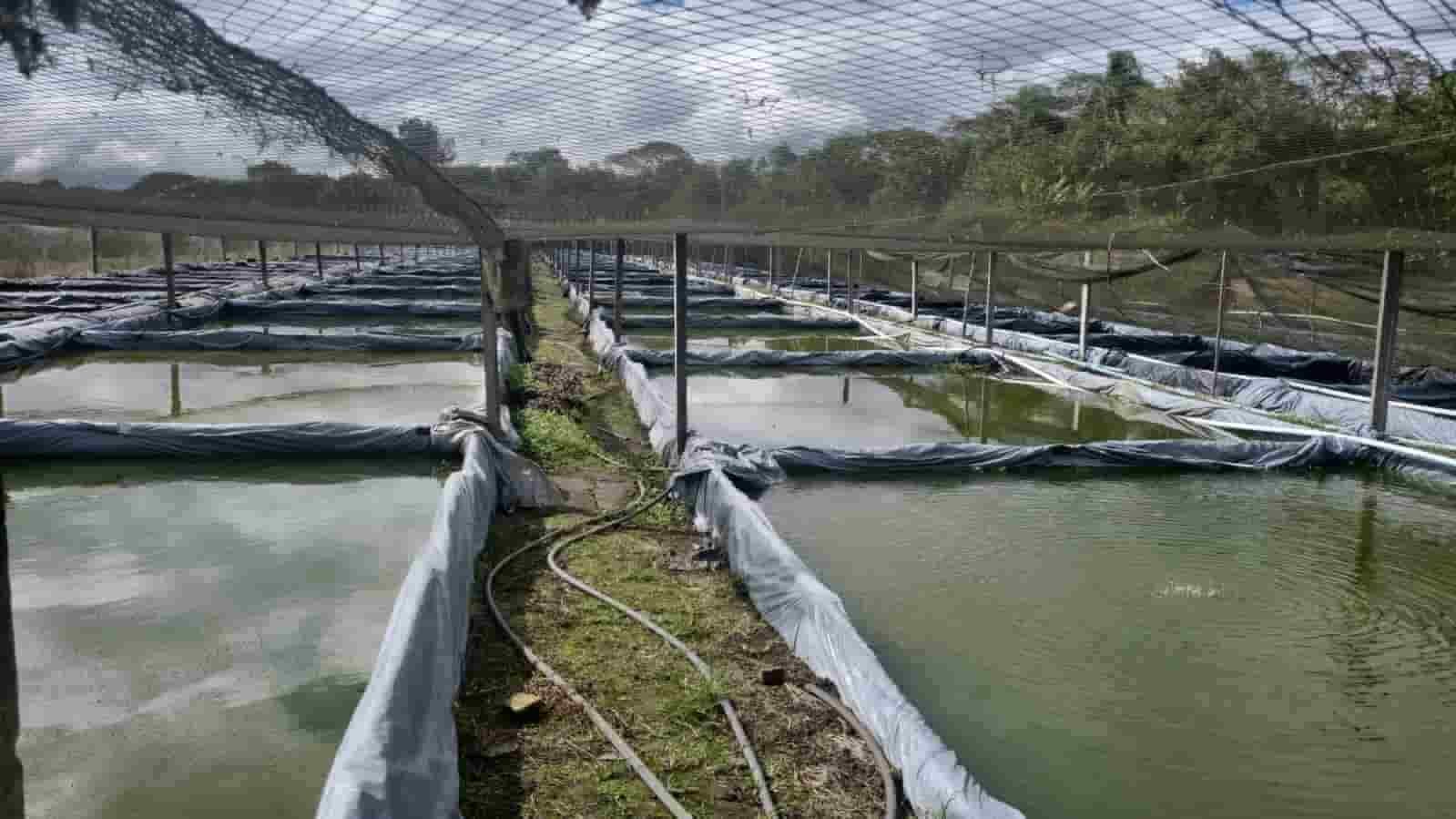
🐳 Monster Vats
Analyzing massive continuous turnovers inside large open-air mud farm vats.
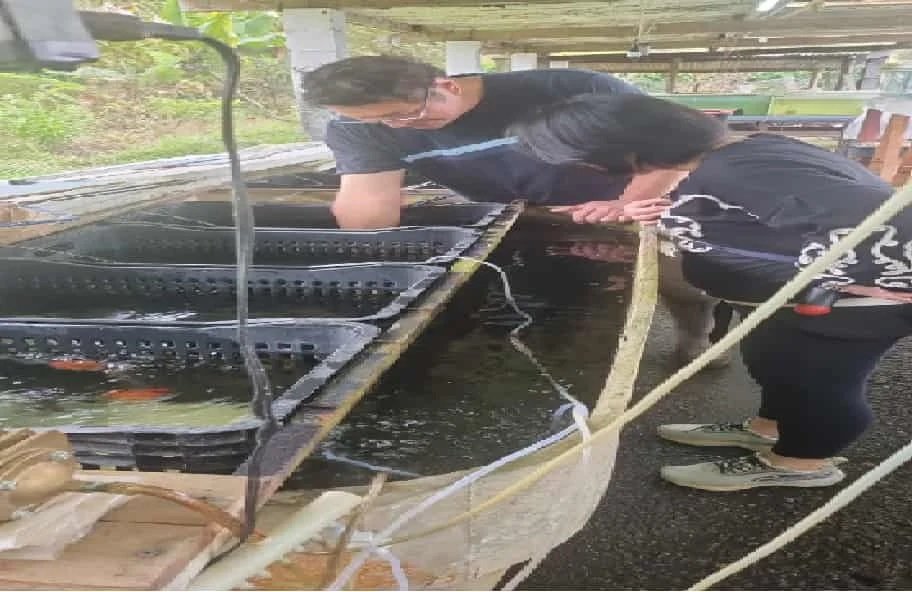
🤝 True Alliances
Working hand-in-hand with regional facility operations to target elite fancy bloodlines.
Read also: Flooring Support for 100 Gallon Aquariums
A deeply technical piece of content that perfectly complements this post — absolutely worth the read.