
So, you are finally ready to take the plunge and set up a massive 100-gallon aquarium. It is an incredibly exciting milestone, but before you start picking out your hardscape, you need to face a terrifying reality. Setting up a tank of this scale without checking your flooring support for 100 gallon aquariums is a recipe for a structural disaster that could ruin your home.
As a professional seamstress, my entire day is spent analyzing structural tension, thread load, and how fabrics handle stress under pressure. In my spare time, I run long-distance marathons and care for my massive 100-gallon fancy goldfish tank. I know exactly what it feels like to stand in front of a giant glass box filled with 1,000 pounds of water and pray that your floor joists do not buckle under the immense pressure.
Many beginners believe that floors are indestructible, but a 100-gallon tank is not just a piece of furniture. It is a concentrated load equivalent to parking a subcompact car or a baby grand piano right in your living room. Let us break down the physics, the structural checks, and the direct mechanical solutions you need to keep your floor perfectly stable.
The Brutal Math Behind a 100-Gallon Tank
Most people completely underestimate how heavy a large aquarium actually is. They look at the empty glass box and think, “Oh, I can lift that with a friend, my floor will be fine.” That is a massive mistake.
The real weight of a fully operational 100-gallon setup includes several heavy components:
- Water Weight: Water weighs approximately 8.34 pounds per gallon, which means 100 gallons adds 834 pounds of pure liquid mass.
- Glass Tank: A standard 100-gallon glass tank empty weighs between 150 to 200 pounds depending on glass thickness.
- Substrate & Hardscape: If you use sand, gravel, and heavy river rocks, you are easily adding another 100 to 150 pounds of solid weight.
- The Stand: A robust wooden or steel stand adds another 100 to 150 pounds of dead weight.
- Sump & Equipment: External canister filters, sumps, and plumbing filled with water add another 50 pounds.
When you add all of those numbers together, your floor is holding up roughly 1,200 to 1,300 pounds. Even worse, all of this weight is concentrated on a tiny footprint of about 4 feet by 1.5 feet. This means your floor is bearing roughly 200 pounds of pressure per square foot.
Standard residential building codes design modern floors to support a uniform live load of only 30 to 40 pounds per square foot. If you place your tank in the wrong spot, you are exceeding that design limit by five times.
Critical Assessment of Flooring Support for 100 Gallon Aquariums
To determine if your floor can handle this beast without reinforcing it, you must evaluate the subfloor structure directly below the tank. You cannot just guess this part; you need to get dirty and look under the hood.
Finding Your Floor Joists
Floor joists are the horizontal wooden beams that support your subfloor and flooring. They generally run parallel to each other, spaced either 12 or 16 inches apart.
If you place your aquarium stand parallel to these joists, the entire 1,200-pound load might rest on just one or two joists. This is highly dangerous because it concentrates the bending stress on a very small area of wood.
However, if you place your tank perpendicular to the joists, you distribute that immense weight across four or five different wooden beams. This structural distribution mimics how a seamstress uses multiple rows of stitching to reinforce a heavy seam under tension.
The Power of Load-Bearing Walls
Where you place the tank in the room is just as important as joist direction. A floor joist flexes the most right in the middle of its span.
If you place a heavy tank in the middle of a room, you are maximizing the bending leverage on those wooden beams. Always place your 100-gallon setup directly against a load-bearing wall.
A load-bearing wall is supported by a foundation wall or a heavy support beam directly underneath it. Placing the tank here transfers the weight straight down into the foundation, completely bypassing the flexing middle section of the joists.
The Reality of the Battlefield
In the aquarium industry, marketing teams love to promise absolute safety and effortless setups, but real-world hardware behaves very differently. Let us look at how common flooring and stand gear actually perform on the ground.
Heavy-duty commercial steel stands offer exceptional structural rigidity and absolute peace of mind under a 1,000-pound load. However, their factory powder-coated finishes are notorious for flaking off at the first sign of saltwater creep or spilled goldfish water, exposing the raw iron underneath to aggressive rust that structurally compromises the weld points within months.
Engineered I-joists are highly praised because they allow builders to run incredibly long, open floor spans without warping. But their thin Oriented Strand Board (OSB) center webs have almost zero resistance to localized twisting and can easily buckle under concentrated shear loads if you do not install solid wood blocking between them.
Solid hardwood floors look absolutely gorgeous and offer a flat, durable surface for a heavy stand. Yet, if you experience a minor filter leak, the wood fibers will quickly absorb the standing water, warp out of level, and tilt your entire 100-gallon tank forward, putting extreme uneven stress on the glass seams until they burst.
In 30 Seconds
If you are standing in an aquarium shop right now trying to make a quick decision, here is the raw, no-nonsense truth.
If your floor is a solid concrete slab on the ground level, you have zero worries. Set up the tank, level it, and go enjoy your fish.
If your floor is made of wood framing (like a first floor with a crawlspace, or a second-floor apartment), you must place the tank perpendicular to the joists and directly against an exterior, load-bearing wall.
If you absolutely must place it parallel to joists or in the middle of a room, you need to go downstairs and install structural jack posts or sister the joists. Do not risk your ceiling and your deposit on a cheap MDF stand.
Structural Risk Analysis by Floor Type
| Floor Type | Structural Risk Level | Direct Action Required | Max Safe Load (Est) |
|---|---|---|---|
| Concrete Slab (Ground Level) | Zero Risk | Verify floor is completely flat and level. No structural reinforcement needed. | 10,000+ lbs |
| Wood Joists (Perpendicular to Tank) | Low to Moderate | Place tank directly against an exterior load-bearing wall to transfer weight. | 1,500 lbs |
| Wood Joists (Parallel to Tank) | High Risk | Install solid wood blocking between joists or add a support jack beneath. | 800 lbs |
| Old Wooden Floors (Pre-War Homes) | Very High Risk | Consult a structural engineer. Sister the joists or install temporary columns. | 600 lbs |
Common Mistakes When Placing Heavy Aquariums
Let us walk through a very common, highly disastrous mistake that happens to intermediate hobbyists all the time.
Meet Dave. Dave is upgraded his fancy goldfish to a beautiful 100-gallon aquarium. He buys a stunning, modern cabinet stand made of laminated MDF (medium-density fiberboard) because it matches his office furniture.
Dave decides to place the tank in his second-story home office. He runs the tank parallel to the floor joists because it looks better against that specific wall, and he sets it up right in the middle of the joist span. He fills it with water, piles in 100 pounds of heavy volcanic rock, and sits back to enjoy his new display.
Over the first three months, the floor joist slowly begins to bend under the continuous 1,200-pound load. Dave does not notice the gradual sag until his office door starts sticking and will not close properly.
A week later, a tiny hairline crack appears in the drywall of the living room ceiling downstairs. Soon, the uneven sagging of the floor causes the MDF stand to warp slightly, throwing the aquarium completely out of level.
Because glass does not bend, the uneven stress concentrates on the front-right silicone seam of the tank. In the middle of the night, the seam splits, dumping 100 gallons of dirty aquarium water into his office floor, through the subfloor, and straight onto his kitchen table below. Dave is now facing thousands of dollars in structural repairs, all because he ignored the direction of his joists.
👇 Looking for more performance cheats? Check out our field-tested tactical blueprints:
The Goldfish Ecosystem Blueprint
Complete your advanced technical training loop by exploring our core evergreen resources.
How to Feed Goldfish for Maximum Lifespan
A deep breakdown of digestive tract mechanics, bloating prevention, and premium sinking diets.
How to Maintain a 100 Gallon Goldfish Tank
Large-scale system parameters. Deep sand bed mechanics, nitrogen cycling, and bioload management.
Ultimate Guide to Goldfish Tank Filtration
Heavy-duty hardware configurations. Optimizing parallel canisters, bio-media setups, and automation.
Troubleshooting Checklist for Safe Tank Placement
- Confirm your structural flooring support for 100 gallon aquariums before pouring a single drop of water into the tank. (Insider trick: Run a cheap laser level across the floor before and after filling the first 10% of the tank to catch early sagging instantly).
- Locate your home’s joists using a heavy-duty stud finder or by inspecting the ceiling of the basement or crawlspace directly below. (Insider trick: Look for where plumbing pipes penetrate the floor; they always run alongside joists).
- Ensure the stand crosses at least three or four floor joists perpendicularly. (Insider trick: If your stand footprint is too short, place a 3/4-inch sheet of cabinet-grade plywood under the stand to span the gap between joists).
- Avoid placing the aquarium on a floating laminate or vinyl plank floor without load-spreading shims. (Insider trick: Floating floors need room to expand; locking them down with 1,200 pounds will cause the floor to buckle elsewhere).
- Inspect the crawlspace wood for active dry rot or water damage before loading the floor. (Insider trick: Stab the joists with a flathead screwdriver; if the wood feels soft or spongy, do not put a tank on it).
- Ditch the tiny plastic screw-in leveling feet that come with cheap stands. (Insider trick: Use solid hardwood shims along the entire base of the stand to distribute weight evenly instead of creating high-pressure stress points).
- Place a smart water leak alarm inside the stand and directly on the floor. (Insider trick: Put the sensor on the lowest point of the floor where water naturally pools during a minor leak).
- Set up a temporary steel jack post in the basement if you notice any floor bounce when walking near the tank. (Insider trick: Place a heavy 2×10 wooden block under the jack’s base on the concrete floor to spread the vertical load).
- Never level a filled tank under any circumstances. (Insider trick: Leveling a loaded tank causes severe twisting stress on the glass panes that can trigger a catastrophic failure hours later).
- Verify that your tank stand is completely flat across its entire top surface. (Insider trick: A stand can be level but still have a warped top board; use a metal straightedge to check for gaps).
- Distribute your heavy sump and equipment weight evenly across the interior cabinet. (Insider trick: Do not put your heavy canister filter, auto-top-off reservoir, and CO2 canister all on one side of the stand).
Structural Support FAQ
Can a standard residential floor hold a 100-gallon aquarium?
Yes, but only if you place it correctly. If you position the tank directly against an exterior, load-bearing wall running perpendicular to your floor joists, a standard residential floor in good condition will support it safely. If you place it in the center of a room or parallel to the joists, the floor will sag over time, which will stress the tank seams and cause a catastrophic leak.
Do I need to hire a structural engineer for a 100-gallon tank?
For a standard 100-gallon tank, you generally do not need an engineer if you follow basic placement rules. However, if your home is very old (built with rough-sawn lumber or log joists), shows signs of existing floor sag, or if you plan to install a massive sump that pushes the total volume past 130 gallons, spending a few hundred dollars on an engineer is cheap insurance compared to a collapsed floor.
Will a heavy carpet ruin the stability of my aquarium stand?
Yes. Thick carpet and padding compress unevenly under a 1,200-pound load. The heavy back of the tank (where filters and glass are thickest) will often sink deeper than the front, throwing the entire tank out of level. Cut out a section of carpet and place the stand directly on the subfloor, or use a thick plywood load-spreader board to compress the carpet evenly.
Can I reinforce my floor joists from the crawlspace myself?
Absolutely. The easiest way is “sistering” the joists, which means nesting a matching 2×10 or 2×12 directly alongside the existing joist and securing it with structural screws and construction adhesive. Alternatively, you can install solid wood blocking bridges between joists every 4 feet to stop them from twisting under the heavy load.
What is the absolute worst place to put a 100-gallon tank?
The absolute worst spot is on a second-story wooden floor, in the exact center of a long room span, parallel to the joists, on a cheap MDF cabinet stand. This combination maximizes joist deflection, structural twist, and stand warping, practically guaranteeing a massive leak or structural failure within a couple of years.
Does glass thickness affect the weight on my floor?
Yes, dramatically. High-end rimless aquariums are made with much thicker glass to handle the water pressure without top braces. A rimless 100-gallon tank can weigh up to 80 pounds more than a standard rimmed tank of the same volume. Always calculate your actual empty tank weight before assuming your floor can handle it.
Is a concrete basement floor completely safe?
Yes, concrete floors poured over a solid dirt grade are practically indestructible under normal hobbyist loads. You could set up a 1,000-gallon tank on a standard concrete basement floor without structural worries. Just make sure the concrete is not badly cracked or settling, and verify the surface is completely flat to avoid twisting the tank stand.
Why is my wooden aquarium stand making creaking noises?
Creaking noises mean wood fibers are rubbing together under shifting tension, which indicates your floor is flexing or your stand is warping. If you hear creaking, immediately check your tank for level. If the bubble has moved, drain the tank by 50% immediately to relieve the stress before your floor sags any further or the glass panels crack.
🛡️ │ WHY TRUST SKYTC GOLDFISH CARE CURATION?
At SKYTC, we hold aquatic ecosystem biology and biological parameter handling to a rigorous standard. We are not an automated affiliate review engine; we apply hands-on tests and serious filtration engineering workflows to ensure every recommendation guarantees the health and maximum lifespan of your fish with absolute safety.
✓ Engineering:
Structural experience backed by heavy-duty filtration math, continuous hydraulic turnover metrics, and robust mechanical support for large-scale coldwater systems.
✓ Expertise:
Focuse on preventative biological husbandry and premium nutrition. Thoroughly auditing biological media, sinking feeds, and elements that completely neutralize ammonia spikes.
✓ Authority:
Curation signed by real keepers running a balanced 100-gallon display ecosystem for over 8 years, pairing daily practical benchwork with direct wholesale breeder insights.
✓ Trust:
Product selections built on unfiltered transparency—exposing actual electrical draws, heat dissipation issues, and hidden costs before any Amazon recommendations.
📸 Our Journey in the Real World
From daily living room tank turn rates to macro-scale breeding setups.

🏠 The 100G Lab
Where we torture test every hardware option, pellet line, and filter layout live.

🏃♀️ Grit & Eye
Marathon endurance meets the precise, millimeter structural focus of a seamstress.
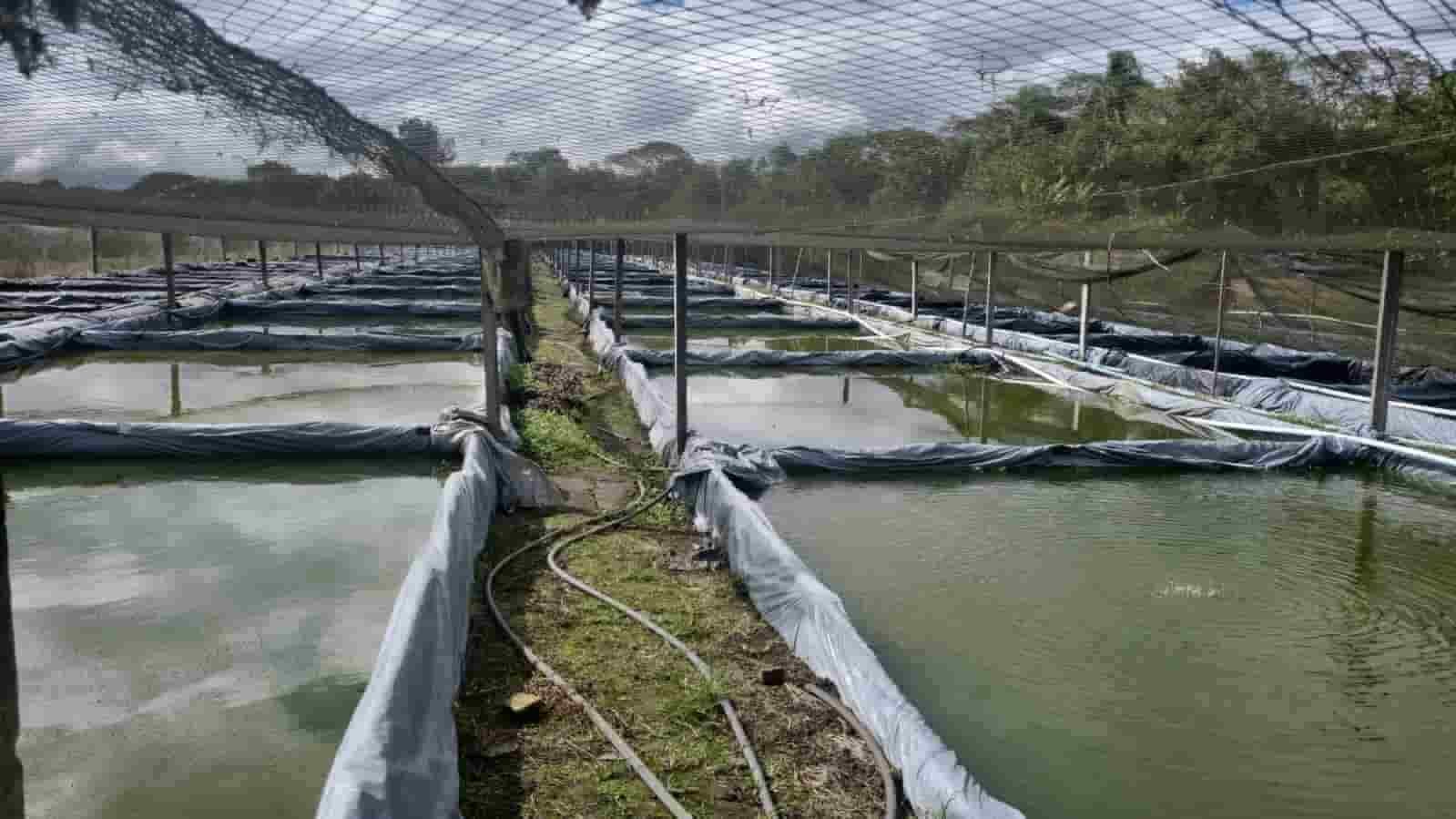
🐳 Monster Vats
Analyzing massive continuous turnovers inside large open-air mud farm vats.
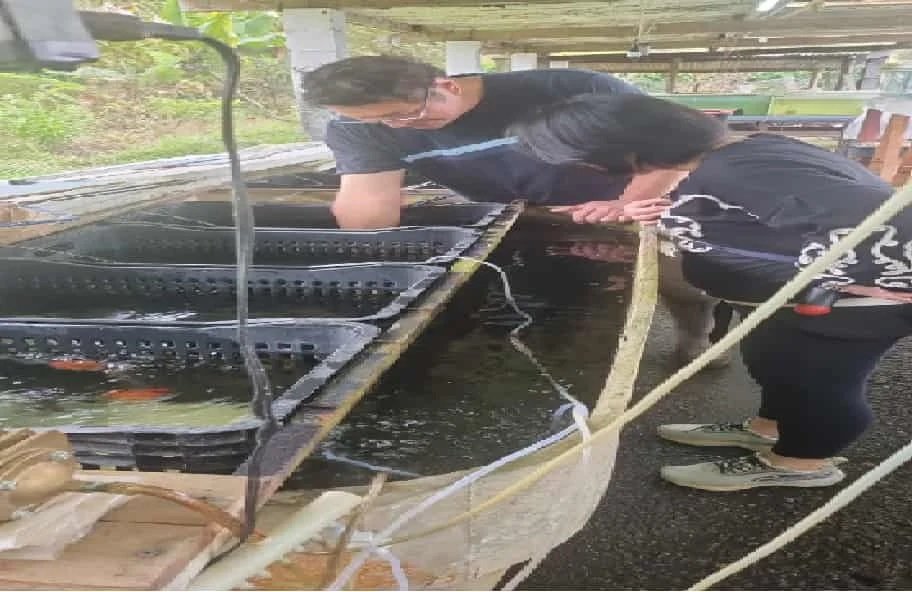
🤝 True Alliances
Working hand-in-hand with regional facility operations to target elite fancy bloodlines.
Read also: How to Maintain a 100 Gallon Goldfish Tank
A deeply technical piece of content that perfectly complements this post — absolutely worth the read.