
If you are currently staring at your screen, rubbing your aching wrists after clicking through the exact same nested menus for the hundredth time today, I completely understand your frustration. Many professionals spend hours repeating tedious key combinations and mouse clicks, unaware that understanding how custom keyboard macros optimize advanced workflows is the single best way to reclaim their time and physical health. We tend to focus so much on computer speed, yet we completely ignore the massive efficiency bottlenecks built right into our daily typing habits.
Just last week, a senior video editor came into my shop nursing a severe case of carpal tunnel syndrome, completely burnt out from an upcoming project. I sat him down, looked at his repetitive editing sequence—which involved six different keypresses and three mouse clicks just to slice and render a clip—and mapped it to a single physical key on his board. He was absolutely stunned to realize he could trim his manual editing steps down to nothing, saving his physical joints and shaving hours off his weekly production times.
Investing the time to set up custom macros delivers absolute peace of mind, knowing you can fly through complex multi-step processes without breaking your creative momentum or physical health. You do not need to spend a premium tier investment on high-end setups to make this work, but you do need to know where the hardware and software limits lie. Let’s bypass the marketing hype and look at how to construct a bulletproof, automated workspace that actually works under heavy daily pressure.
In 30 Seconds
For professionals in a rush: stop manually clicking through nested application menus or repeatedly typing the same strings of code. You can instantly streamline your work by mapping repetitive shortcuts, complex text strings, and multi-step system actions to a single physical keypress. The absolute best way to execute this is through hardware-level programming platforms like QMK or VIA, which save your configurations directly onto the keyboard’s physical microchip rather than relying on bloated computer background services. Avoid low-grade components with proprietary gaming software, as they will lag, crash during critical tasks, and drive you absolutely nuts.
Understanding the Physical Mechanics of Macro Execution
When we talk about macros, we are talking about a pre-programmed sequence of keystrokes, commands, or delays that execute with a single button press. To understand how they work, we need to examine the difference between processing those actions directly inside your keyboard’s hardware versus running them through software on your computer.
Hardware-Level vs. Software-Level Macros
The way your computer receives macro instructions determines how fast, reliable, and secure your workflow will actually be over the long haul.
- Hardware-level macro execution via QMK or VIA stores your custom keybindings directly on the board’s physical microchip; however, the internal memory capacity on these budget-friendly options is severely limited, restricting how many complex text strings you can save.
- Software-level macro engines like AutoHotkey or keyboard suite apps allow for infinitely complex, context-aware scripting; yet, they consume system resources in the background and can occasionally freeze up during system-heavy rendering tasks.
- Dedicated physical macro pads offer immediate tactile access to custom media controls and app-specific shortcuts; although they look incredible on your desk, they require you to constantly move your hand off the primary typing position, which can slow down rapid coding sessions.
Microcontrollers Matter: Atmega vs. RP2040
The internal brain of your custom keyboard dictates how fast your macros execute and how many custom layers you can actively program.
- Traditional ATmega32U4 microcontrollers are highly stable and widely supported by standard keyboard firmware; however, their small memory footprint can limit your ability to build deep, multi-action macros.
- Modern RP2040 microcontrollers offer massive storage capacity and lightning-fast processing speeds; although they are excellent for complex scripts, they can sometimes run hotter and require specialized firmware builds that are slightly harder to find.
The Trap of Bloated Companion Software: A Common Mistake
Let’s lay out a classic, painful scenario that happens to many professionals looking to optimize their desks. You decide to buy a flashy, highly advertised commercial keyboard from a big-box store, excited to use their proprietary desktop software to program complex macros for your drafting or design software. You spend hours mapping out shortcuts, feeling like an absolute productivity wizard as you watch your designs come together with fewer physical clicks.
But three weeks down the road, your operating system pushes a major security update in the background, and suddenly your keyboard’s companion software refuses to launch. Your custom macros are completely locked behind a frozen loading screen, your productivity grinding to a screeching halt as you scramble to remember the original nested menu shortcuts. You thought you bought a high-end setup; however, those cheap software-dependent boards are nothing more than useless plastic shells without their bloated background services actively running.
The Reality of the Battlefield
Many premium mechanical keyboards boast beautiful RGB lighting effects and dedicated macro keys positioned along the left edge. However, these dedicated plastic keys are often fitted with low-grade membrane domes that feel mushy and unresponsive. The companion software used to program them looks modern, but it frequently suffers from memory leaks and loses connection with the hardware during heavy workflows, forcing you to reprogram everything from scratch.
Furthermore, many brands promise seamless, cross-platform macro compatibility, yet their custom files fail to import properly when you switch from a Windows workstation to a macOS laptop. If you do not prioritize open-source, hardware-level customizability over flashy retail box promises, you will end up with a buggy system that breaks down the moment your workflow gets intense.
Macro Optimization Tool Comparison
To help you build a reliable setup, I have broken down some of the most stable macro execution systems on the market. We are focusing purely on memory durability, customizability, and stability over flashy, useless aesthetics.
| Tool Type | Storage Location | Setup Complexity | Context Awareness | Switch Quality | Software Dependability |
|---|---|---|---|---|---|
| VIA-Compatible Board | Onboard EEPROM | Low (Web-based) | Poor (Static layers) | Tactile Mechanical | High (Runs driverless) |
| AutoHotkey (AHK) | Computer Storage | High (Scripting) | Excellent (App-detect) | Virtual (No hardware) | Medium (OS dependent) |
| Elgato Stream Deck | Computer Storage | Medium (App-based) | Excellent (Auto-switch) | Membrane LCD Keys | High (Frequent updates) |
| Custom QMK Keyboard | Onboard Flash | High (C-Programming) | Poor (Static layers) | Hot-Swap Mechanical | High (Zero background apps) |
| Proprietary Gamer Board | Onboard/Cloud | Low (Suite-based) | Medium (App-detect) | Standard Mechanical | Low (Bloated software) |
Structuring Your Workspace for Peak Efficiency
Setting up macros is more than just throwing random actions onto keys; you need a logical system that works with your brain’s natural hand movements. If your shortcuts require you to stretch your fingers into weird, awkward shapes, you are completely defeating the purpose of ergonomic optimization.
Setting Up Multi-Action Keys
One of the coolest features of modern open-source keyboard firmware is the ability to assign multiple behaviors to a single physical switch depending on how you press it.
- Tap-Dance functions allow a key to register one action on a single tap, another on a double tap, and a macro on a hold; however, they require precise timing calibration to prevent accidental inputs during rapid typing.
- Layer-state switching allows you to temporarily transform your entire keyboard into a custom numpad or media controller while holding a modifier; yet, this setup can be highly fatiguing for your thumb if your modifier keys are poorly placed.
Context-Aware Automation
If you want your macro setup to automatically adapt to what you are doing on your screen, you must transition to software-based scripting engines that monitor your active window.
- Application-specific profiles automatically change your keymaps depending on whether you are editing photos, writing code, or browsing the web; however, they can cause a noticeable input lag when rapidly switching windows.
- System-level scripts can pull live data from web APIs, format files, and clean up messy text strings in the background; but they require constant security permission overrides to bypass modern operating system sandboxes.
👇 Looking for more performance cheats? Check out our field-tested tactical blueprints:
Guides for Your Next Workspace
Professional Laptops
The definitive blueprint to selecting high-performance, enterprise-grade workstations engineered to scale your productivity.
Budget Tech Tools
Practical strategies and low-cost digital tools engineered to maximize office performance without breaking your budget.
Power User Gadgets
Advanced hardware, desk automation tools, and elite tech ecosystems built to completely eliminate workflow bottlenecks.
The Power User’s Custom Macro Checklist
Before you begin programming your new keyboard, run through this practical list to ensure your automated setup runs smoothly and reliably without messing up your active files.
- Adopt a hardware-first approach to learn how custom keyboard macros optimize advanced workflows without relying on background computer services; however, remember that flashing new firmware to your physical board can feel slightly intimidating to beginners.
Pro-tip from someone who does this live for a living: Use a web-based configurator like VIA to make real-time changes without writing a single line of scary code. - Choose a keyboard that features dedicated macro layers; although layers allow you to expand a compact keyboard’s functionality tenfold, they require you to memorize complex key combinations before they become second nature.
Pro-tip from someone who does this live for a living: Keep your primary navigation keys on layer one and place your complex system commands on layer two. - Utilize context-aware macro scripts on your workstation; yet, be aware that these scripts can easily misfire if you switch between active application windows too rapidly.
Pro-tip from someone who does this live for a living: Insert a slight delay (typically fifty milliseconds) between keystrokes in your macro strings to ensure your OS registers every command. - Set up a physical macro pad with mechanical switches; although it is highly durable, the extra desk clutter might irritate minimalists who prefer a clean desk setup.
Pro-tip from someone who does this live for a living: Mount the macro pad on a small angled stand directly to the left of your primary keyboard to keep your hands in a natural workspace. - Configure simple text-expansion macros for repetitive email templates; however, these automated strings can quickly lead to embarrassing typos if you accidentally trigger them during casual chats.
Pro-tip from someone who does this live for a living: Always start your text expansion triggers with a rare punctuation mark like a semicolon or backslash so they never activate by mistake. - Integrate multi-key combinations into a single physical keypress; yet, keep in mind that some secure banking websites or terminal consoles might block automated simulated inputs for security reasons.
Pro-tip from someone who does this live for a living: Program your banking passwords into a physical offline manager rather than your keyboard macros to maintain robust security. - Opt for double-shot PBT keycaps with clear macro labels; although they are highly wear-resistant, finding matching keycaps with custom legend prints can be a premium tier investment.
Pro-tip from someone who does this live for a living: Use blank colored keycaps and group your shortcuts by color (red for record, blue for select) to bypass the need for text labels entirely. - Leverage rotary encoders (knobs) for scrub controls in timeline-based applications; however, cheap rotary encoders can suffer from physical axis play that makes fine adjustments incredibly frustrating.
Pro-tip from someone who does this live for a living: Look for encoders with solid physical detents so you can feel every single incremental step of your adjustments. - Export and backup your custom keymap files to an external cloud drive; but, remember that proprietary macro software profiles are rarely compatible across different operating systems.
Pro-tip from someone who does this live for a living: Keep a standard JSON file of your VIA configuration in your email inbox so you can instantly restore your workflow on any computer on Earth. - Program system-level shortcuts like muting your microphone directly onto your board; although this is incredibly convenient, a software crash in your teleconferencing app can leave you unmuted without you realizing it.
Pro-tip from someone who does this live for a living: Use a physical hardware switch inline with your microphone cable if you want absolute physical privacy.
Frequently Asked Questions
I have spent years fixing messed-up systems for clients who went overboard with automation. Here are the absolute blunt truths to the most common questions I get at my repair shop counter.
How exactly do custom keyboard macros optimize advanced workflows without causing massive layout confusion?
By keeping them simple and grouped on logical physical layers. If you try to map fifty different macros on a single layer, your brain will freeze up trying to remember them all. Group similar actions by application or function, keep them on dedicated layers, and use distinct color coding on your backlighting to remind you which layer is active.
Can my computer block macros or view them as malicious software?
Yes, especially if you are using software engines like AutoHotkey or unverified macro scripts on a corporate network. IT security departments hate automated scripts because they can be used to execute malicious payloads. If you want to bypass IT restrictions, use a hardware-programmable board because the computer only sees standard USB keystrokes.
What is the difference between QMK and VIA, and which one should I buy?
QMK is the raw coding firmware that runs on your keyboard, which requires you to compile and flash C-code to make changes. VIA is a user-friendly visual interface that sits on top of QMK and allows you to remap keys in real-time. If you want zero hassle, buy a board that is VIA-compatible so you can change macros on the fly in any web browser.
Are dedicated macro pads worth buying, or are they just desk toys?
They are highly useful if you frequently edit video, mix audio, or run CAD software. But if you just want to write code or reply to emails, a seventy-five percent mechanical keyboard with custom layers is more than enough. Do not buy a massive, expensive macropad unless your daily work actually requires dozens of custom media dials and buttons.
Why do my multi-key macros keep dropping letters or executing out of order?
Because your computer is processing the simulated keypresses faster than your active software can register them. In your macro configurator, you must add a brief millisecond delay between each key action. Even a tiny ten-millisecond pause between strokes will make your macro strings bulletproof and stop them from dropping characters.
Can I program mouse movements into my custom keyboard macros?
Only if you are using software-level macro software. Hardware-level systems like QMK can simulate simple mouse clicks, but they cannot track complex cursor coordinates across multiple screens. If your daily workflow requires dragging items to specific screen positions, you will need to rely on software scripts like AutoHotkey.
Is it possible to damage my keyboard by flashing custom macro firmware?
Technically yes, but it is extremely rare on modern hardware. If you disconnect your keyboard mid-flash, you can soft-brick the microcontroller. If this happens, do not panic; simply press the physical reset button on the underside of your board’s PCB and re-flash the default layout to restore your settings completely.
Should I buy a cheap, generic macro keyboard from an online marketplace?
Absolutely not. Those bargain-bin accessories are built with low-grade microcontrollers and unsealed switches that will fail within weeks. Their custom setup software is often packed with buggy background code that crashes constantly. Spend a tiny bit more on a recognized, open-source mechanical keyboard that will run without drivers for decades.
Why Trust SKYTC Curated Gear?
At SKYTC, we simplify technology for you. We aren’t just another deals site; we are hardware experts obsessively focused on elite performance.
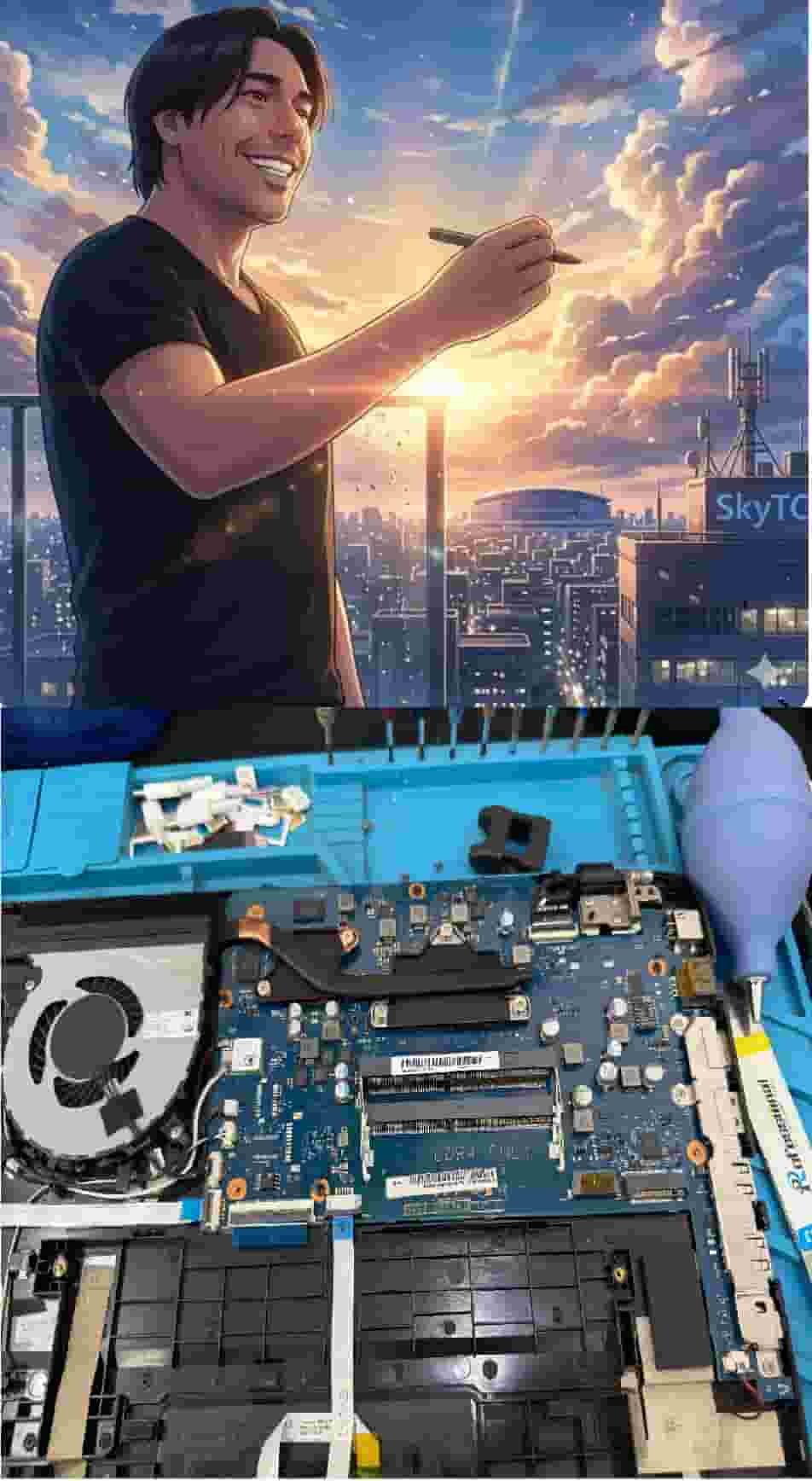
Technical Bio: Hardware & Laptops
“At SkyTC, technology is driven by engineering precision and real field experience. I am Valtersky, and I bring a unique background to the bench: from professional woodworking, the eye for structural integrity; from radiology, an absolute obsession with microscopic details.
As an ultra-endurance marathon runner, I don’t just browse store windows. I tear machines down, run intensive stress tests on thermal dissipation, and validate the actual build quality of every single component. My mission is to translate complex tech engineering and tech finances into smart decisions for your workflow.
Here, we speak straightforward, jargon-free English with the authority of someone who knows exactly what is inside the chassis.”
✨ Read also: Best Hot Swappable Mechanical Keyboards for Power Users