
If you are trying to figure out how to choose best power user gadgets for elite work, you have probably already realized that the tech market is a massive minefield of flashy marketing and cheap, fragile plastic. Every manufacturer claims their shiny new device will double your output and turn you into a productivity god, but most of it is just overpriced junk that breaks the moment you put it under real professional stress. You do not need flashy RGB lights or useless software suites that eat up your system memory; you need rugged, reliable tools that keep up with your brain.
As a bench technician, I have seen every single piece of elite gear stripped down to its bare circuit boards, and let me tell you, the inside of most modern hardware is a tragedy of cut corners and planned obsolescence. I remember a frantic software engineer coming into my shop with a fried motherboard because they paired a premium-tier laptop with a bargain-bin USB hub that back-fed raw power into the charging circuit. That simple mistake cost them weeks of downtime and a massive headache that could have been completely avoided with the right knowledge.
This is why we are cutting through the corporate marketing speak to give you the honest truth about building a workspace that actually lasts. By identifying the engineering reality of modern gear, this guide will save you thousands of hours of frustration, protect your hardware from early deaths, and give you absolute peace of mind.
In 30 Seconds
How to Choose Best Power User Gadgets for Elite Work is about ignoring the marketing hype and focusing entirely on thermal management, controller chips, and chassis build quality.
- Skip the cheap multi-port hubs; buy dedicated, active-powered Thunderbolt docks to prevent back-feeding raw voltage, though they do run warm.
- Invest in input devices with mechanical micro-switches rather than cheap membrane domes, even if the key noise can disrupt quiet office spaces.
- Choose monitors with high-refresh rates (120Hz+) and solid matte finishes to reduce eye strain, but make sure you have desk space for their oversized external power bricks.
- The bottom line: Buy once, cry once. Premium build quality pays for itself in avoided downtime and physical comfort.
The Reality of the Battlefield
Sleek anodized aluminum housings look absolutely spectacular on your desk and give an immediate impression of luxury. But underneath that beautiful silver skin, manufacturers often use cheap, brittle plastic standoffs to hold the internal circuit board in place, meaning a single short drop will rattle the internal components loose and turn your premium dock into an expensive paperweight.
Soft-touch matte rubber coatings feel incredibly comfortable under your hand and prevent slippage during intense work sessions. However, this oil-based finish reacts poorly with natural skin oils and environmental humidity, eventually breaking down into a nasty, sticky goo that catches every piece of dust in your office and cannot be cleaned off.
High-speed wireless dongles offer zero-latency tracking and a clean, cable-free desktop layout that keeps your workspace looking pristine. However, these proprietary receivers easily overheat under constant data streams, leading to dropped inputs and stuttering cursors right in the middle of your critical client presentations.
| Gadget Category | Premium Specs to Target | Core Flaw (Negative Point) | Life Expectancy | Investment Tier |
|---|---|---|---|---|
| Thunderbolt Docking Station | Intel Goshen Ridge chip, active cooling, 100W PD | Runs hot enough to cook its own capacitors if ventilation is poor | 4 to 6 years | Premium Tier Investment |
| Precision Ergonomic Mouse | Optical switches, dual wireless bands, metal scroll wheel | Soft-touch rubber coating disintegrates into a sticky mess | 2 to 3 years | Mid-Range to Premium |
| Mechanical Work Keyboard | Hot-swappable switches, aluminum plate, PBT keycaps | Heavy tactile switches will annoy colleagues during video calls | 5 to 10 years | Premium Tier Investment |
| Color-Accurate Work Monitor | IPS panel, 100% sRGB, factory-calibrated, 120Hz refresh | Oversized external power bricks take up massive desk real estate | 5 to 7 years | High-End Setup |
Thunderbolt Docks and USB-C Hubs: The Core of Your Setup
Elite professionals run out of ports instantly, making a high-quality dock the absolute backbone of your entire work environment. A high-end dock must handle dual high-resolution displays, gigabit ethernet, external backup drives, and continuous power delivery to your laptop without breaking a sweat.
When shopping, you must target docks powered by premium Intel controller chips, which handle data allocation far better than cheap generic alternatives. Cheap docks run incredibly hot and can cook their own internal capacitors if buried under papers, leading to sudden dropouts in your internet connection or flickering displays during heavy workloads.
Always look for a dock that uses an external power brick with dedicated power delivery. This ensures your laptop receives clean, regulated power, and prevents the dock from pulling power directly from your computer, which strains your system’s internal thermal management.
High-End Input Devices: Keyboards and Mice that Survive the Grind
Your hands are on your keyboard and mouse for eight to twelve hours a day, meaning cheap, mushy input devices are a direct ticket to carpal tunnel syndrome and constant typos. High-end mechanical keyboards offer tactile feedback that lets your fingers know exactly when a keypress has registered, drastically reducing hand fatigue over long typing sessions.
Look for keyboards featuring PBT plastic keycaps instead of cheap ABS plastic; PBT keycaps have a textured finish that resists hand oils, preventing them from developing that ugly, greasy shine over time. However, the heavy mechanical switches can be incredibly loud, easily disrupting quiet office spaces or picking up on sensitive microphones during video conferences.
For mice, prioritize ergonomic shapes that support the natural angle of your wrist, and look for optical micro-switches rather than traditional physical contacts. Physical switches degrade and eventually suffer from double-clicking issues, whereas optical switches use light beams that last for tens of millions of clicks; though the soft-touch rubber grips on these mice will peel and degrade over years of use.
👇 Looking for more performance cheats? Check out our field-tested tactical blueprints:
Guides for Your Next Workspace
Professional Laptops
The definitive blueprint to selecting high-performance, enterprise-grade workstations engineered to scale your productivity.
Budget Tech Tools
Practical strategies and low-cost digital tools engineered to maximize office performance without breaking your budget.
Power User Gadgets
Advanced hardware, desk automation tools, and elite tech ecosystems built to completely eliminate workflow bottlenecks.
Professional Monitors: Beyond Simple Screen Real Estate
Do not buy a monitor based solely on size; color accuracy and refresh rates are what actually protect your eyes and keep your work looking flawless. For creatives, engineers, and designers, an IPS panel with high color space coverage is essential to ensure that what you see on screen matches the final output.
A high refresh rate of 120Hz or higher makes a massive difference in reducing eye strain, as the smoother cursor movement and window scrolling are much easier on your optic nerves over a long day. However, high-end IPS and OLED panels consume massive amounts of power, requiring bulky external power bricks that can clutter your cable management trays and generate substantial heat.
Avoid monitors with glossy screens if your workspace has any windows or overhead lights, as the glare will force you to squint and lead to headaches by mid-afternoon. Stick to heavy-duty matte coatings, but keep in mind that low-quality matte finishes can slightly reduce the sharpness of extremely fine text.
Power Delivery and Cable Infrastructure: The Invisible Killers
You can buy the most expensive laptop and monitor in the world, but if you connect them with cheap cables and low-grade power bricks, you are asking for system crashes. Gallium Nitride (GaN) chargers are the modern gold standard for power delivery because they run much cooler and are far smaller than old-school silicon chargers.
A premium GaN charger will easily power your laptop, phone, and tablet simultaneously without dropping voltage on individual ports when a new device is plugged in. Cheap multi-port chargers often reset the connection on all ports every time you plug something else in, which can interrupt data transfers on external drives connected to your laptop.
When it comes to cables, look for USB-IF certified cables rated for high wattage and high data transfer speeds. Braided cables look incredibly premium and resist fraying at the connectors; however, they are often very stiff and inflexible, putting physical leverage on your device’s delicate USB-C ports if they are bent at sharp angles.
Dave and the Nightmare of the Cheap Pass-Through Hub
Consider the case of Dave, a senior architect who spends his days rendering massive structural blueprints. Dave decided to upgrade his workspace to handle massive file transfers and multi-monitor rendering, investing in a top-tier laptop and dual beautiful displays. To clean up his desk, he bought a cheap, unbranded USB-C pass-through hub from an online bargain bin.
One afternoon, while working under a tight deadline, Dave plugged his high-wattage laptop charger directly into the cheap hub’s power delivery port. The hub’s low-grade controller failed to regulate the incoming voltage, sending a massive electrical spike straight into his laptop’s motherboard.
The laptop went black instantly, destroying months of unsaved CAD assets and frying the internal SSD beyond recovery. Dave’s attempt to save a tiny bit of cash on a crucial power accessory ended up costing him his sanity, his project deadline, and a premium tier investment that took weeks to replace.
The Final Blueprint on How to Choose Best Power User Gadgets for Elite Work
To make sure your setup remains rock-solid for the next decade, you must prioritize structural reliability and physical safety over flashy gimmicks. Focus your budget on the foundational items—power delivery, input quality, and eye safety—before spending anything on unnecessary accessories.
Always buy hardware that features user-replaceable components, such as keyboards with hot-swappable switches or docks with detachable cables. This ensures that when a single component inevitably wears out, you can replace it in thirty seconds rather than throwing the entire device into a landfill.
By building your workspace around these strict hardware standards, you create an environment that operates flawlessly under heavy workloads. This keeps you focused on your actual projects, completely free from the constant distractions of failing ports, sticky mouse buttons, and flickering screens.
The Elite Gear Checklist
- Check your laptop’s port specification before learning how to choose best power user gadgets for elite work. Pro-tip: A USB-C port is not always a Thunderbolt port; look for the lightning bolt icon to ensure you have the bandwidth for dual displays and high-speed data.
- Choose Thunderbolt docks with independent external power adapters. Pro-tip: Avoid bus-powered hubs for multi-display setups, as they drain your laptop battery and run dangerously hot.
- Select mechanical keyboards with hot-swappable switch sockets. Pro-tip: This allows you to easily swap out a failing key switch with a puller tool rather than soldering a new one or buying a new keyboard.
- Buy keycaps made of thick double-shot PBT plastic. Pro-tip: PBT keycaps will never wear down to a smooth, oily shine, keeping your keyboard looking professional for years.
- Choose a mouse with optical micro-switches over traditional mechanical ones. Pro-tip: Optical switches do not suffer from metal oxidation, completely eliminating the dreaded double-click failure.
- Verify that your ergonomic mouse has textured plastic side grips instead of rubberized coatings. Pro-tip: Solid textured plastic will never degrade into a sticky, melting mess like rubber finishes do.
- Target monitors with a refresh rate of at least 120Hz. Pro-tip: High refresh rates dramatically reduce eye fatigue by smoothing out cursor tracking and text scrolling.
- Choose a monitor with an adjustable stand that supports height, tilt, and swivel. Pro-tip: Proper monitor height keeps your neck in a neutral position, saving you from chronic back pain.
- Invest in GaN (Gallium Nitride) wall chargers for your desk power. Pro-tip: GaN chargers operate at much higher thermal efficiency, keeping your power brick cool even when charging multiple devices.
- Buy USB-C cables that are explicitly USB-IF certified. Pro-tip: Certified cables contain safety e-marker chips that communicate with your devices to prevent overcharging or short circuits.
- Avoid extra-long passive USB-C cables for data transfer. Pro-tip: Keep passive cables under three feet to prevent signal degradation; use active cables for anything longer.
- Set up external backup drives on a dedicated power source. Pro-tip: Drives powered solely by your USB ports can drop out during heavy system loads, corrupting your valuable files.
Frequently Asked Questions
Why does my expensive Thunderbolt dock run hot enough to burn my hand?
Because it is doing a massive amount of heavy lifting. It is routing video feeds, gigabit network traffic, and high-wattage power through a tiny enclosure. If it has a metal chassis, it is designed to use the outer shell as a heatsink to pull heat away from the internal chips. Do not shove it in a closed drawer or bury it under paperwork unless you want to cook the internal capacitors.
Is a mechanical keyboard really necessary, or can I just use my laptop keyboard?
Laptop keyboards are built on cheap membrane sheets with virtually no key travel. They force your fingers to bottom out hard against rigid plastic, which beats up your joints over a long day. A solid mechanical keyboard cushions your keystrokes and provides physical feedback before the key bottoms out, saving your hands from long-term strain.
Why do my wireless devices keep dropping connection when they are right on my desk?
You probably have them plugged into ports directly next to a USB 3.0 device or unshielded cable. USB 3.0 ports generate massive wireless noise on the 2.4GHz band, which completely drowns out wireless mouse and keyboard receivers. Use a short USB extension cable to move your wireless dongles away from active USB 3.0 ports and cables.
Can I use a cheap phone charger to power my elite work laptop?
No, and do not even try. Phone chargers lack the wattage to power a workstation under load, meaning your laptop will either drain its battery while plugged in or thermal-throttle itself to death. Worse, cheap phone chargers lack proper voltage regulation, which can send a power spike directly through your laptop’s charging controller.
Why is my external monitor flickering or dropping to a lower resolution?
You are almost certainly using a cheap, uncertified cable that cannot handle the massive bandwidth required for high-resolution, high-refresh displays. High-end monitors require high-bandwidth cables to transmit clean signals. Toss your bargain-bin cables in the trash and buy a certified high-speed cable that actually matches your display’s requirements.
Is it worth buying a monitor with a built-in docking station?
Generally, no. Built-in docks are notoriously difficult to service. If a single port on your monitor’s built-in dock fails, you have to send your entire screen to a repair shop, leaving you with no display for weeks. Keep your monitor and your docking station as separate, dedicated devices so you can replace them individually.
What is the difference between active and passive Thunderbolt cables?
Passive cables are cheap and only maintain high-speed data rates over short distances, usually under three feet. Active cables contain built-in chips at each connector to boost the signal, allowing you to run long cables without losing transfer speeds. If you need your dock far from your laptop, you must buy an active cable.
Why is the soft-touch coating on my premium mouse peeling off?
Because manufacturers love using cheap oil-based matte finishes that feel great in a showroom but disintegrate when exposed to human sweat and hand oils. There is no fixing it once it starts melting. Avoid soft-touch coatings entirely and buy devices with solid textured plastic shells that can be easily cleaned.
Why Trust SKYTC Curated Gear?
At SKYTC, we simplify technology for you. We aren’t just another deals site; we are hardware experts obsessively focused on elite performance.
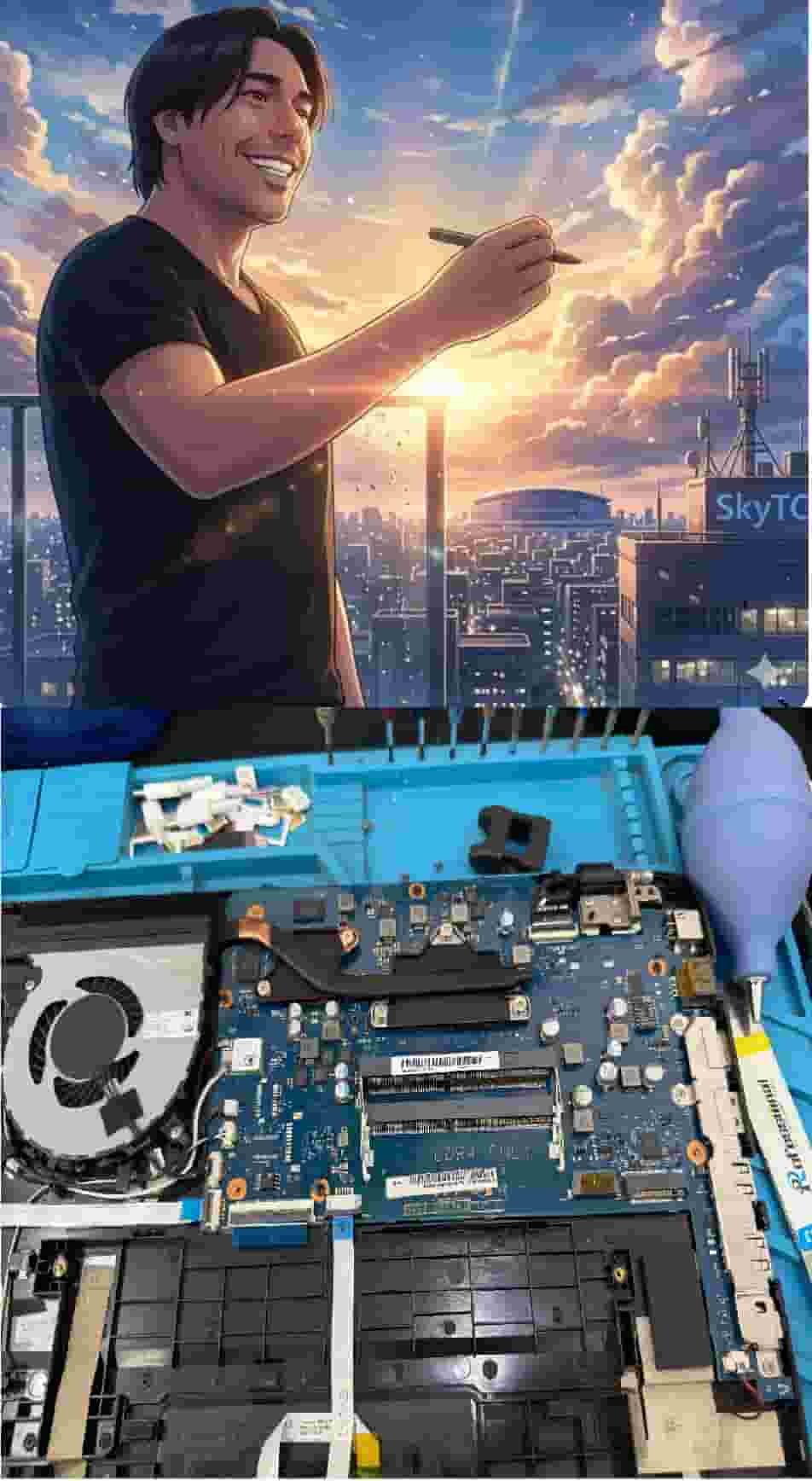
Technical Bio: Hardware & Laptops
“At SkyTC, technology is driven by engineering precision and real field experience. I am Valtersky, and I bring a unique background to the bench: from professional woodworking, the eye for structural integrity; from radiology, an absolute obsession with microscopic details.
As an ultra-endurance marathon runner, I don’t just browse store windows. I tear machines down, run intensive stress tests on thermal dissipation, and validate the actual build quality of every single component. My mission is to translate complex tech engineering and tech finances into smart decisions for your workflow.
Here, we speak straightforward, jargon-free English with the authority of someone who knows exactly what is inside the chassis.”