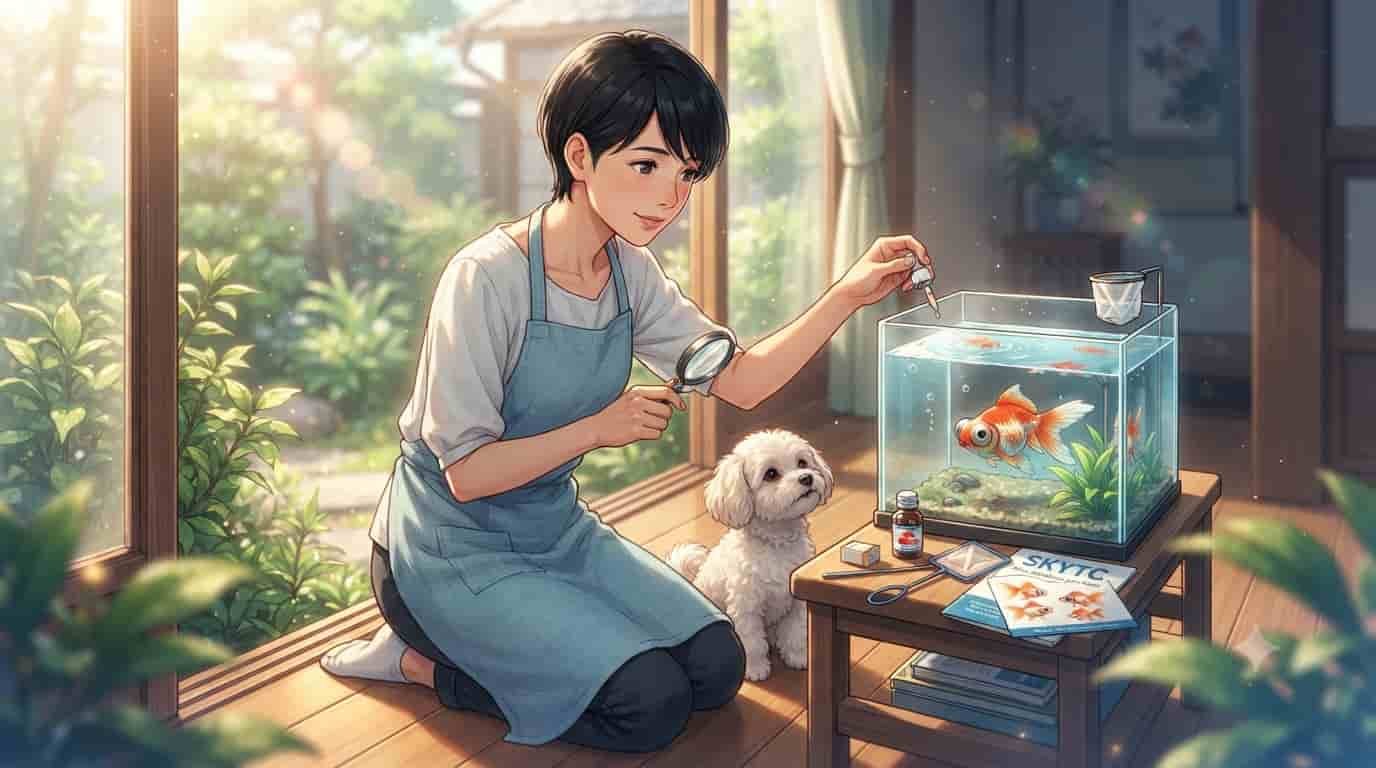
Finding your favorite aquatic buddy with an eye swollen so large it looks ready to pop is absolutely terrifying, but you can breathe a sigh of relief because this is highly treatable if we act fast. Learning how to fix goldfish pop eye doesn’t require a degree in marine biology, and taking the right steps today will save your fish’s sight, spare you massive vet bills, and restore your absolute peace of mind.
As someone who has spent eight years managing a massive 100-gallon (400-liter) goldfish tank, I have seen my fair share of stressful aquatic emergencies. When I’m not running long-distance or working as a professional seamstress—where threading tiny needles requires absolute precision—I’m obsessing over my water chemistry. I still remember the absolute panic of seeing my first fancy goldfish with a bulging eye; it felt like a ticking clock, but with the right approach, we can get them back to normal.
Pop eye, or exophthalmia, is not actually a disease itself, but rather a glaring symptom of an underlying issue, much like a fever in humans. Whether it is a physical injury from sharp tank decor or a deeper bacterial infection brewing in dirty water, we need to address the root cause systematically. Let’s roll up our sleeves and walk through exactly how to handle this bench-side, step-by-step.
Understanding the Biology of Exophthalmia (Pop Eye)
To understand how to treat this condition, we have to look at what is happening inside your goldfish’s head. Freshwater fish are constantly absorbing water through their skin and gills via osmosis. Their bodies are naturally saltier than the water around them, so their kidneys work overtime to pump excess fluid back out.
If their kidneys or lymphatic system are compromised by stress, poor water quality, or internal pathogens, fluid begins to build up in the tissues. The most vulnerable pocket for this fluid to collect is the socket directly behind the eyeball. As the fluid accumulates, it forces the eye outward, creating the bulging look we call pop eye.
We generally categorize pop eye into two distinct types:
- Unilateral Pop Eye (Single Eye Swollen): This is almost always caused by physical trauma. A clumsy goldfish might have scraped its eye against a sharp piece of driftwood, bumped into a plastic plant, or gotten too close to an uncovered filter intake.
- Bilateral Pop Eye (Both Eyes Swollen): This is typically systemic. It points to a bacterial infection, poor osmoregulation, or severe environmental stress caused by poor water parameters. If both eyes are bulging, the issue is inside the fish’s body, not just a surface scratch.
The Diagnostic Roadmap: Is It Water Quality or Infection?
Before dumping random chemicals into your aquarium, you must play detective. Grab a reliable liquid water testing kit—never rely on cheap paper test strips, as they can give wildly inaccurate readings. You need to check your levels of ammonia, nitrite, and nitrate immediately.
If your ammonia and nitrites are anything above 0 ppm, or if your nitrates have climbed past 40 ppm, your water quality is the primary suspect. High levels of nitrogenous waste irritate the fish’s slime coat and suppress their immune system. This allows opportunistic bacteria, which naturally live in every aquarium, to colonize the fish and trigger fluid buildup.
On the other hand, if your water chemistry is absolutely perfect but both eyes are still bulging, your fish is likely dealing with an internal bacterial infection. This requires moving the fish to a clean quarantine tank so you can administer targeted treatments without ruining your main aquarium’s biological balance.
How to Fix Goldfish Pop Eye: A Step-by-Step Action Plan
Dealing with a sick fish is stressful, but having a clear, organized system makes all the difference. Think of it like organizing a sewing box; everything has its place, and rushing only leads to tangled threads. Here is the exact clinical approach to getting your goldfish back on the road to recovery.
Step 1: Set Up a Bare-Bottom Hospital Tank
Never treat pop eye in your main display tank if you can avoid it. Many medications and therapeutic salts will destroy your beneficial nitrifying bacteria or melt your live plants. A simple 10-gallon plastic storage tub or small bare-bottom glass tank works perfectly as a hospital setup.
Equip the hospital tank with a simple air-driven sponge filter and a reliable heater. Do not add gravel or heavy decorations. A bare-bottom tank is incredibly easy to keep clean, and it allows you to monitor your fish’s waste output.
Step 2: Perform Pristine Water Changes
In the hospital tank, water quality must be immaculate. You should perform 50% water changes daily, making sure to match the temperature and use a high-quality water conditioner. Clean, oxygen-rich water reduces physical stress and gives your fish’s immune system the resources it needs to heal.
If the pop eye is unilateral (caused by an injury), pristine water alone is often enough to cure the issue. The swelling will naturally go down as the delicate eye tissue heals without being irritated by organic waste or ammonia.
Step 3: Administer Epsom Salt Baths
Do not confuse Epsom salt (magnesium sulfate) with standard aquarium salt (sodium chloride). While aquarium salt is great for treating parasites and supporting gill function, Epsom salt is a muscle relaxant and active dehydrator that draws excess fluid out of swollen tissues.
Dose Epsom salt at a rate of 1 to 2 teaspoons per 5 gallons of water in your hospital tank. Always dissolve the salt completely in a cup of tank water before pouring it in. This prevents raw salt crystals from contacting your fish’s skin and causing chemical burns.
Step 4: Use Targeted Antibiotics for Bilateral Cases
If you are dealing with bilateral pop eye that does not improve after 48 hours of clean water and Epsom salt, it is time to use a broad-spectrum antibiotic. Look for high-quality medications containing Kanamycin (such as Seachem KanaPlex) or Erythromycin.
- The Good Side: These medications are absorbed through the fish’s skin and gills, directly targeting internal systemic bacterial infections and saving fish on the verge of organ failure.
- The Negative Point: Broad-spectrum antibiotics are incredibly harsh on biological filtration, meaning you will have to manually manage ammonia levels in your hospital tank with daily water changes and careful dosing.
Always complete the full course of antibiotic treatment as directed on the packaging, even if the swelling begins to drop early. Stopping treatment midway can create antibiotic-resistant bacteria, which are far harder to treat in the future.
The Reality of the Battlefield
In the aquarium hobby, marketing promises often clash violently with real-world practice. Manufacturers love to sell “all-in-one” miracle cures and cheap gear that claim to make fishkeeping effortless, but seasoned hobbyists know better.
Cheap plastic hang-on-back filters are highly praised for being affordable and incredibly easy to throw onto a temporary hospital tank. However, their flimsy plastic intake grates often have sharp molding seams that can easily scrape a struggling goldfish’s eye, causing the exact unilateral pop eye you are trying to cure.
Premium electronic titanium heaters are technically brilliant for keeping hospital tank temperatures stable to boost immune recovery. But, their external controllers are notorious for failing after a few months, locking the heater “on” and literally boiling your quarantine tank.
“All-in-one” herbal remedies are heavily marketed as safe, natural, and miracle cures for exophthalmia. However, these tea-tree oil extracts do absolutely nothing to stop aggressive internal bacterial infections, and they coat the water’s surface with an oily film that suffocates your gasping fish.
In 30 Seconds
Look, here is the raw, no-nonsense breakdown if your fish is suffering right now:
- Single eye swollen? It is almost certainly an injury. Keep water pristine and use Epsom salt to reduce the swelling.
- Both eyes swollen? It is a systemic infection or terrible water. Test your ammonia and nitrates immediately.
- Quarantine is mandatory. Do not dose your main display tank unless you want to crash your entire nitrogen cycle.
- Skip the herbal “miracle” bottles. Buy real, broad-spectrum antibiotics like Kanamycin if the swelling does not drop in three days.
- Keep the water immaculate. Daily water changes in your hospital tank are 90% of the battle.
Pop Eye Treatment Comparison
Choosing the right treatment method depends on the root cause of the exophthalmia. Let’s compare the most common tools at your disposal:
| Treatment | Primary Use | Pros | Cons | Risk Level |
|---|---|---|---|---|
| Epsom Salt (Magnesium Sulfate) | Fluid reduction & swelling | Incredibly cheap, safe, draws fluid out quickly | Does not kill bacteria directly | Very Low |
| Broad-Spectrum Antibiotics (Kanamycin) | Internal bacterial infections | Directly attacks systemic pathogens | Destroys biological filter media | Medium |
| Aquarium Salt (Sodium Chloride) | Parasites & gill stress | Enhances slime coat, cheap | Does not reduce swelling | Low |
| Herbal Treatments (Melafix/Pimafix) | Mild external scratches | Smells nice, easy to find | Ineffective against severe infections | Low |
Common Mistakes That Make Pop Eye Worse
Many beginners make the mistake of leaving their sick fish in the main aquarium because they are afraid of setting up a hospital tank. This is a recipe for disaster. Treating a massive display tank is incredibly expensive, and the medications can kill off your beneficial bacteria, causing an ammonia spike that will stress the sick fish even further.
Another classic error is confusing Epsom salt with regular aquarium salt. Dosing sodium chloride when your fish is already suffering from severe fluid retention can actually worsen the swelling. Always read the packaging carefully to ensure you are using pure magnesium sulfate with no added scents or dyes.
Finally, think about our fictional hobbyist, Dave. Dave noticed his fancy Oranda had a bulging eye, panicked, and dumped three different types of medications into his tank all at once. The chemical cocktail stressed the fish’s liver, stripped its slime coat, and left it gasping at the surface. Don’t be like Dave—choose one targeted treatment path, stick to the instructions, and let clean water do the heavy lifting.
Troubleshooting Checklist
- Learn how to fix goldfish pop eye by immediately setting up a bare-bottom quarantine tank to isolate your sick fish. (Insider note: Scraping gravel in a hospital tank is a nightmare; a bare bottom makes cleaning waste incredibly easy.)
- Test your main tank’s ammonia, nitrite, and nitrate levels using a liquid kit. (Insider note: Strip tests are practically useless; liquid reagent drops are the only way to get a true picture of your water.)
- Verify that your hospital tank temperature is stable between 72°F and 75°F. (Insider note: Do not crank the heater too high, as warm water speeds up bacterial multiplication rates.)
- Dissolve Epsom salt in a separate cup of water before adding it to the hospital tank. (Insider note: Never drop raw salt crystals directly onto your fish’s body, or you will cause severe chemical burns.)
- Cover your hospital tank with a secure lid or a dark towel. (Insider note: Goldfish are skittish when stressed, and keeping the tank dark keeps them calm and prevents jumping.)
- Inspect your main tank for sharp decorations, plastic plants, or rough rocks. (Insider note: Run a pair of nylon stockings over your tank decor; if it snags the fabric, it will rip your goldfish’s eye.)
- Remove all chemical carbon from your hospital tank’s filter. (Insider note: Carbon is greedy and will absorb your expensive medications right out of the water within hours.)
- Perform a 50% water change in the hospital tank daily before redosing medications. (Insider note: If you do not perform water changes, ammonia will build up rapidly in an uncycled hospital tank.)
- Check your fish’s scales for any signs of “pineconing” or dropsy. (Insider note: If the scales are sticking out like a pinecone, the kidney damage is severe and requires immediate antibiotic intervention.)
- Offer your goldfish high-quality, easily digestible food in tiny amounts. (Insider note: If they refuse to eat, remove the leftover food immediately so it does not rot and ruin the water.)
- Stick to the full course of antibiotic treatment as detailed on the packaging. (Insider note: Stopping treatment early because the eye looks slightly better is how you breed super-bacteria.)
👇 Looking for more performance cheats? Check out our field-tested tactical blueprints:
The Goldfish Ecosystem Blueprint
Complete your advanced technical training loop by exploring our core evergreen resources.
How to Feed Goldfish for Maximum Lifespan
A deep breakdown of digestive tract mechanics, bloating prevention, and premium sinking diets.
How to Maintain a 100 Gallon Goldfish Tank
Large-scale system parameters. Deep sand bed mechanics, nitrogen cycling, and bioload management.
Ultimate Guide to Goldfish Tank Filtration
Heavy-duty hardware configurations. Optimizing parallel canisters, bio-media setups, and automation.
FAQ
Can goldfish pop eye heal on its own?
No, it almost never does. If you just leave it alone and hope for the best, the pressure behind the eye will continue to build until the eye socket permanently stretches, ruptures, or drops out entirely. You must actively clean the water and treat the underlying cause.
Is exophthalmia contagious to other fish in the tank?
The physical swelling itself is not contagious. However, if the pop eye is caused by an active bacterial infection stemming from poor water quality, your other fish are swimming in the same toxic water and will likely develop the same symptoms soon if you do not fix the environment.
Should I use aquarium salt or Epsom salt for pop eye?
Use Epsom salt (magnesium sulfate). Aquarium salt (sodium chloride) is fantastic for treating external parasites and supporting gill function, but it does not reduce swelling. Epsom salt acts as an osmotic drawing agent, pulling fluid out of the swollen tissue behind the eye.
How long does it take for pop eye to go down?
If it is a simple physical injury and you got the fish into clean water with Epsom salt quickly, you should see the swelling go down in 3 to 5 days. If it is a deep-seated bacterial infection requiring antibiotics, it can take up to two weeks of patient care to resolve.
Will my goldfish go blind from pop eye?
If you act quickly and treat the issue, your goldfish will make a full recovery with zero vision loss. However, if you let the eye remain severely swollen for weeks, the optic nerve will stretch and snap, leaving your fish permanently blind in that eye.
Can I treat pop eye in my main display tank?
You can, but it is a massive mistake. Dosing antibiotics in your main tank will crash your biological filter, leading to deadly ammonia spikes. Plus, buying enough medication to treat a large display tank is a total waste of money compared to treating a small, controlled hospital tub.
Is Melafix good for treating pop eye?
Absolutely not. Melafix is just diluted tea tree oil. It might help soothe a very minor surface scratch, but it does absolutely nothing to kill aggressive internal bacterial infections. It also coats the surface of the water, making it harder for your stressed fish to breathe.
What is the survival rate for goldfish with pop eye?
If it is a unilateral injury caught early, the survival rate is close to 90% with basic clean water and Epsom salt. If it is bilateral pop eye caused by systemic kidney failure and you waited until the fish stopped swimming, the survival rate drops below 30%. Action always beats waiting.
🛡️ │ WHY TRUST SKYTC GOLDFISH CARE CURATION?
At SKYTC, we hold aquatic ecosystem biology and biological parameter handling to a rigorous standard. We are not an automated affiliate review engine; we apply hands-on tests and serious filtration engineering workflows to ensure every recommendation guarantees the health and maximum lifespan of your fish with absolute safety.
✓ Engineering:
Structural experience backed by heavy-duty filtration math, continuous hydraulic turnover metrics, and robust mechanical support for large-scale coldwater systems.
✓ Expertise:
Focuse on preventative biological husbandry and premium nutrition. Thoroughly auditing biological media, sinking feeds, and elements that completely neutralize ammonia spikes.
✓ Authority:
Curation signed by real keepers running a balanced 100-gallon display ecosystem for over 8 years, pairing daily practical benchwork with direct wholesale breeder insights.
✓ Trust:
Product selections built on unfiltered transparency—exposing actual electrical draws, heat dissipation issues, and hidden costs before any Amazon recommendations.
📸 Our Journey in the Real World
From daily living room tank turn rates to macro-scale breeding setups.
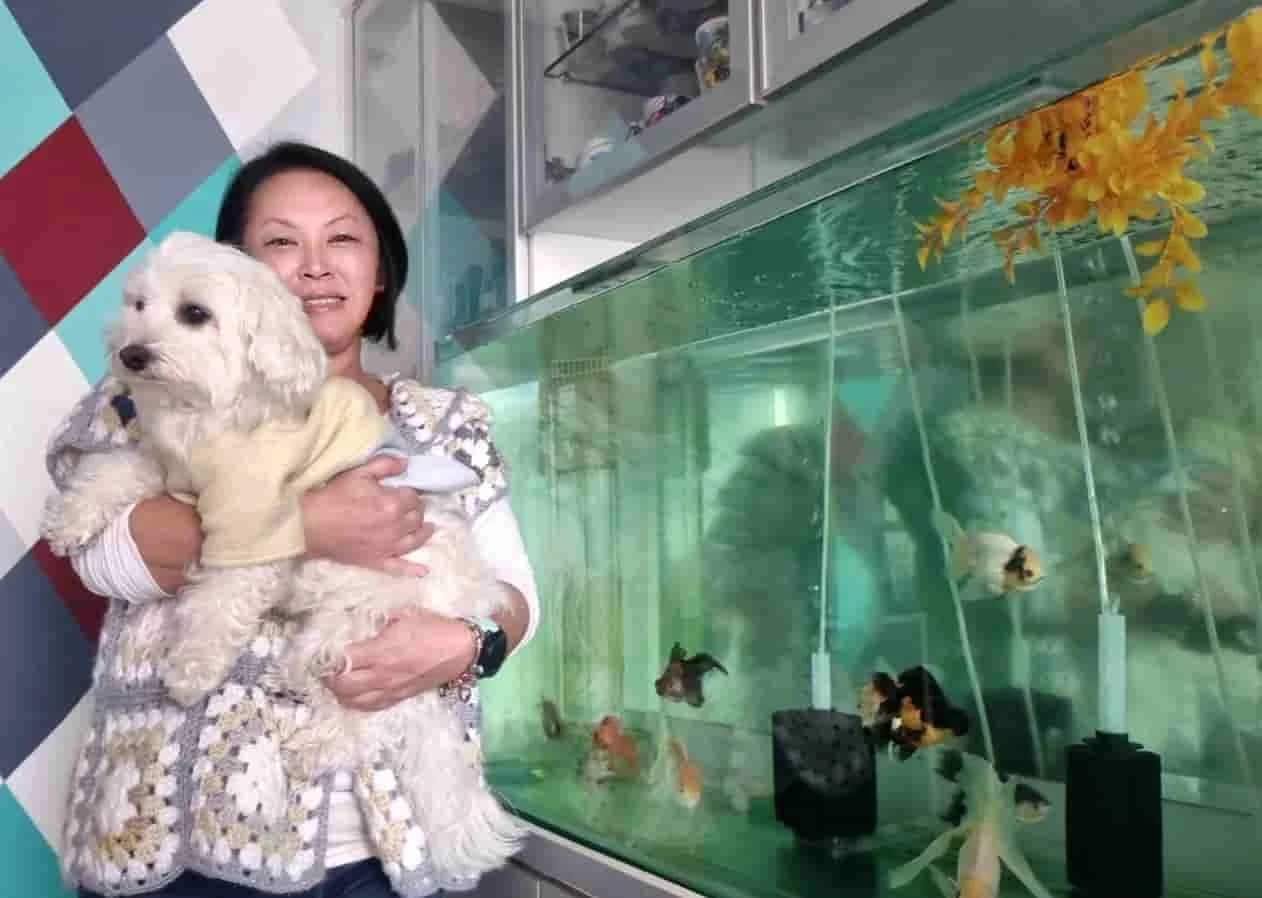
🏠 The 100G Lab
Where we torture test every hardware option, pellet line, and filter layout live.
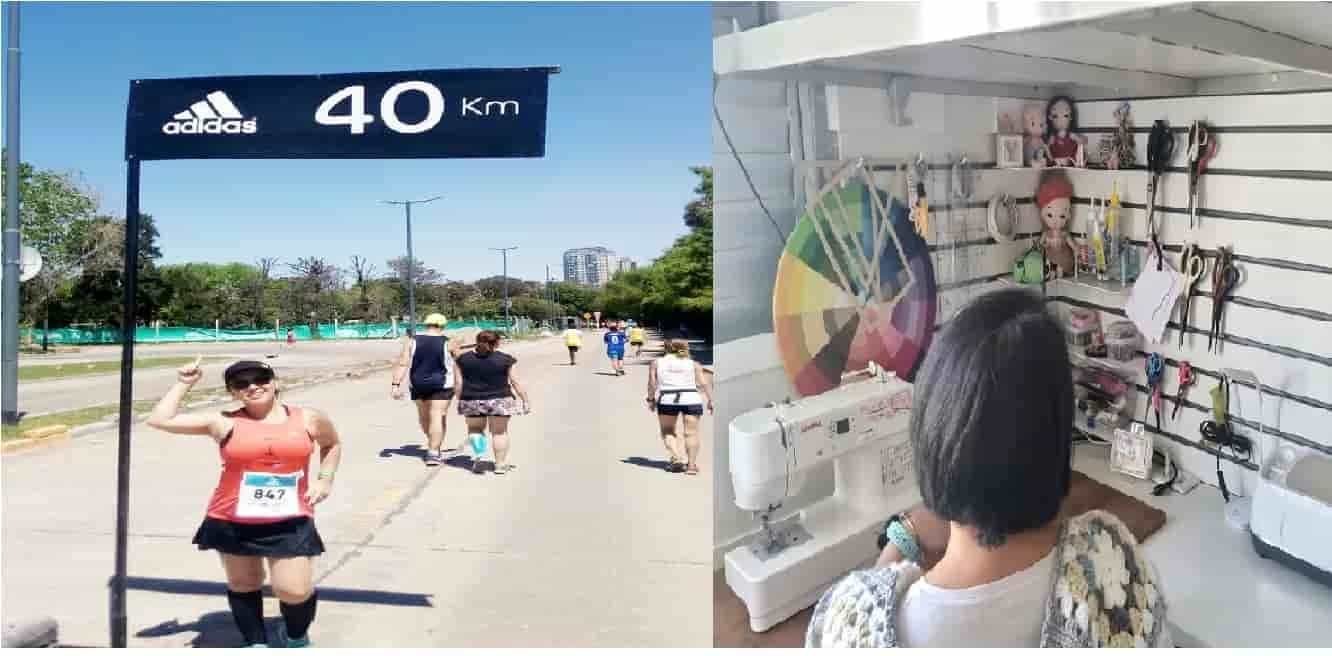
🏃♀️ Grit & Eye
Marathon endurance meets the precise, millimeter structural focus of a seamstress.
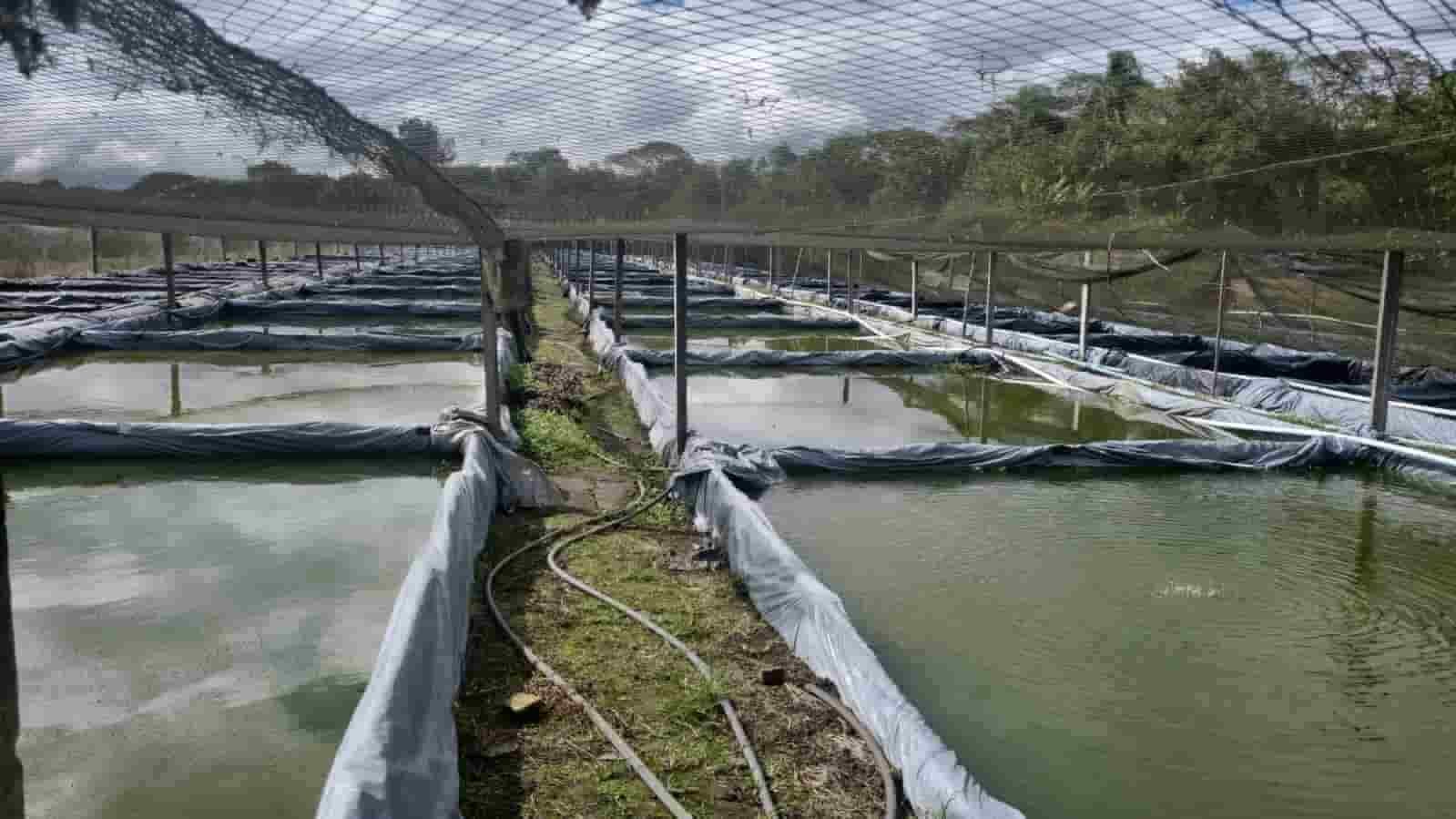
🐳 Monster Vats
Analyzing massive continuous turnovers inside large open-air mud farm vats.
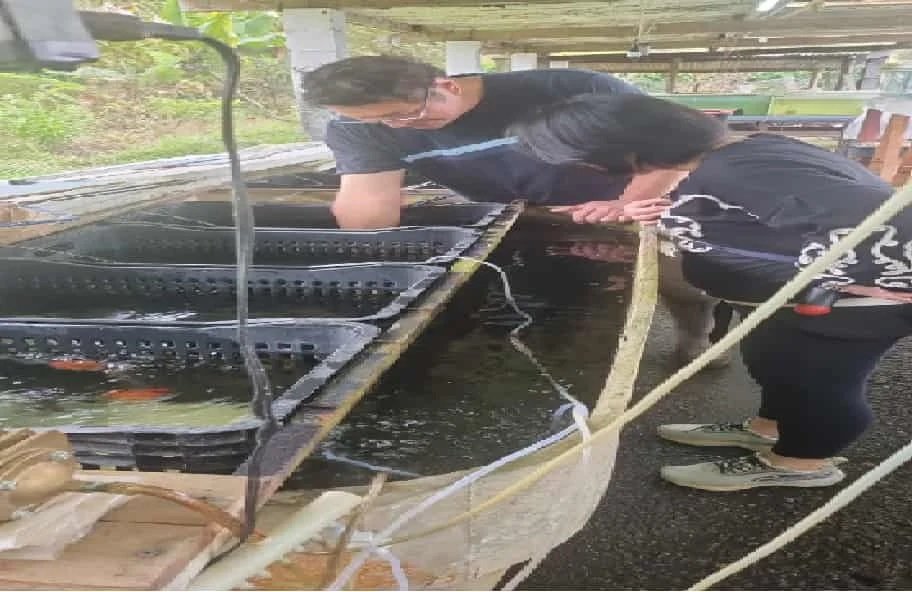
🤝 True Alliances
Working hand-in-hand with regional facility operations to target elite fancy bloodlines.
Read also: Why Is My Goldfish Sitting on Bottom
A deeply technical piece of content that perfectly complements this post — absolutely worth the read.