
Investing in Smart GPS Collars for German Shepherds isn’t just about buying another high-tech gadget; it is about keeping a highly athletic, incredibly driven 90-pound escape artist safe. German Shepherds are famous for their unmatched intelligence and immense physical power, which means if they spot a squirrel or decide to investigate a scent miles away, a standard backyard fence is barely a speed bump.
The sheer panic of coming home, finding the gate slightly ajar, and seeing nothing but an empty yard is a nightmare no pet owner should ever experience. You call their name, shake the treat bag, and get nothing but silence.
Personally, I travel constantly with my Maltese, Murphy. Now, Murphy is a tiny lap dog who thinks a walk around the block is a major expedition, but on our skytc testing team, one of our crew is a dedicated pet parent and a pet specialist who lives with a high-drive working Shepherd. We physically test these tracking devices in deep woods, suburban mazes, and rainstorms to find out what actually holds up when a big dog goes on the run.
We aren’t here to sell you shiny marketing garbage. We’re here to break down what actually works when your dog decides to chase a deer at 30 miles per hour, and how to avoid the expensive traps that the pet tech industry loves to set for unsuspecting owners.
Choosing the Best Smart GPS Collars for German Shepherds
Knowing exactly where your dog is within seconds saves you hours of frantic driving and prevents the absolute tragedy of a roadside accident.
Let’s look at a classic mistake. You head online, see a cheap $25 Bluetooth tag, and think you’ve solved the problem. You clip it to your Shepherd’s collar, feeling proud of your budget hack. Two weeks later, the dog gets spooked by thunder, clears a five-foot fence, and runs. You open the app, only to find the tracker is useless because Bluetooth only works within a short range. Your dog is already miles away, and your cheap tag is just a piece of plastic.
The Bluetooth finder is fantastic for locating your car keys in the couch cushions, but it is a complete disaster for a high-energy working breed that can cover a mile in two minutes.
Your dog has a thick double coat and a powerful neck. Standard trackers can get buried in all that fur, blocking the GPS signal or muffling the speaker. Look for a tracker that mounts on top of the neck, rather than hanging down like a pendant. Pendant-style trackers get caught on food bowls, branches, and fences, and they take a beating every time your dog lies down.
The Reality of the Battlefield
Let’s cut through the marketing noise. Manufacturers love to promise “military-grade” durability and “30-day battery life,” but the real-world performance is often a different story.
In actual testing, those sleek plastic cases scratch up instantly when your dog barrels through briars. The battery claims are almost always based on the collar sitting idle on a desk, connected to home Wi-Fi. The moment your dog escapes and the collar starts pinging cellular towers every ten seconds, that “one-month” battery drops to barely six hours.
The rugged casing is excellent for keeping out water, but it makes the charging port almost impossible to open without a screwdriver. Always apply a real negative point whenever citing any product category. Even though these collars are packed with features, they are significantly heavier than standard collars, which can cause rubbing and skin irritation on a dog’s neck if left on 24/7.
Another massive headache is the mounting brackets. Many brands use cheap silicone bands to attach the tracker to your existing collar. When a heavy German Shepherd crashes through dense underbrush, those silicone bands snag on branches and snap. You end up tracking a $150 piece of plastic lying in the mud while your dog is still running wild.
Understanding the Tech: What Actually Works for a GSD?
German Shepherds are not lap dogs; they need high-performance tracking. Here is how the different technologies stack up.
Cellular GPS trackers are excellent because they offer near-limitless range, but they require a monthly subscription and a solid cell signal to work. If you live in a rural valley with zero reception, a cellular collar is just an expensive neck ornament.
On the flip side, RF (Radio Frequency) trackers do not require subscriptions and work in the deep wilderness, but they require you to carry a bulky handheld receiver that looks like a 1990s walkie-talkie.
Then we have the satellite-only options. The high-sensitivity antenna is incredible for deep-woods exploration, but it struggles to get a lock if your dog runs inside a concrete building or a thick metal garage.
Make sure the charging port is sealed tight. German Shepherds love water, mud, and snow. A poorly sealed micro-USB port will corrode within months of normal outdoor play.
Direct Comparison of Tracking Methods
| Collar Technology | Real-World Range | Durability | Subscription Needed | Primary Flaw |
|---|---|---|---|---|
| Cellular GPS | Unlimited (with cell signal) | High | Yes | Dead battery in hours during active tracking |
| Radio Frequency (RF) | Up to 9 miles | Medium | No | Handheld receiver is bulky and heavy |
| Satellite (GPS-only) | Global line-of-sight | High | Yes | Struggles to locate inside concrete structures |
| Bluetooth / Network Tag | Under 100 feet | Low | No | Useless if no other smartphones are nearby |
| Hybrid (Wi-Fi + GPS) | Varies by model | High | Yes | Heavy lag when switching from Wi-Fi to cellular |
In 30 Seconds: The Quick Verdict
If you live in the city or suburbs, buy a hybrid cellular GPS tracker with a reinforced, integrated collar. Don’t cheap out on subscription fees; they pay for the cellular data that actually finds your dog.
If you spend your weekends hiking deep in national parks with no cell service, skip the cellular options entirely and buy a dedicated RF tracking system. It’s clunky, but it actually works when there are zero bars of reception.
Avoid Bluetooth-only tags completely. They are meant for keys, not for a fast, powerful working dog.
Actionable Checklist for GSD Owners
- Smart GPS Collars for German Shepherds must be fitted properly to prevent them from sliding around under the neck, which blocks the GPS antenna’s clear view of the sky.
Pro-tip: Put the tracker on the top of the neck, adjusting the collar so you can fit exactly two fingers underneath. - Check the waterproof rating before your dog jumps into a lake.
Pro-tip: Look for an IPX7 or IPX8 rating; anything lower will fail after a rainy hike. - Test the “Safe Zone” or geofencing feature while you are home.
Pro-tip: Set the boundary slightly wider than your actual yard to prevent annoying false alarms when your dog is just sniffing the fence. - Turn off real-time live tracking when your dog is safe indoors.
Pro-tip: This simple workaround keeps the battery alive for weeks instead of hours. - Inspect the collar mounting clips once a week.
Pro-tip: Dirt and mud collect in plastic clips, making them brittle and prone to snapping under pressure. - Opt for a collar with built-in LED lights or reflective strips.
Pro-tip: If your dog escapes at night, you need to see them from a distance to prevent roadside accidents. - Pair the collar with a high-quality physical ID tag.
Pro-tip: Never rely 100% on technology; a physical tag with your phone number is still the fastest way a neighbor can help. - Set up the companion app on every family member’s phone.
Pro-tip: If your dog runs, you want everyone searching simultaneously rather than trying to share a single login. - Clean the charging contacts regularly.
Pro-tip: Use a dry toothbrush to clear out dried mud and fur from the metal charging pins once a month. - Keep a spare charging cable in your glovebox.
Pro-tip: If you are traveling or camping, you do not want to realize your dog’s lifeline is dead with the charger sitting at home. - Update the collar’s firmware whenever prompted.
Pro-tip: Manufacturers release software updates that patch GPS accuracy bugs; ignoring these can leave you with glitchy tracking. - Rotate the collar position occasionally.
Pro-tip: This prevents the heavy GPS unit from wearing down the fur or irritating the skin in one specific spot.
👇 Looking for more performance cheats? Check out our field-tested tactical blueprints:
The Best GPS Dog Trackers with No Monthly Fees
Real battlefield testing: How to keep your dog 100% safe without getting trapped in expensive subscriptions.
Best Smart Litter Boxes: Honest Testing & Review
Say goodbye to the scoop. We test the internal mechanics, odor control, and safety of top smart litter boxes.
Best Smart Feeding & Interactive Toys for City Pets
How to keep your companion happy, engaged, and fed while managing a busy, away-from-home routine.
Frequently Asked Questions
Do these collars work if there is no cell service?
Standard cellular trackers will completely fail to update their location in dead zones. If you frequently go off-grid, you must use a tracker that utilizes radio frequencies (RF) or direct satellite communication, which do not rely on local cell towers.
Can I just use an AirTag instead of a real GPS tracker?
Absolutely not. An AirTag is not a GPS tracker. It relies on nearby iPhones to ping its location. If your German Shepherd runs into a wooded area, a field, or a quiet country road where no one is walking around with an iPhone, your tracker is completely blind.
Is a subscription fee really necessary?
Yes, for cellular trackers. The collar has a built-in SIM card that needs to transmit location data over mobile networks to your phone. If you hate monthly fees, buy an RF-based tracker, but prepare yourself to carry a bulky handheld receiver.
Will the collar burn my dog’s neck or emit dangerous radiation?
No. These devices use the same radio frequencies as your cell phone or car GPS, which are perfectly safe. However, dirty collars or damp skin underneath the tracker can cause friction sores, which people mistakenly blame on “burns.” Keep the collar clean and dry.
How long does the battery actually last during an active search?
If you turn on “live tracking” (where the collar updates every few seconds), expect the battery to die in 4 to 8 hours. The marketing claim of “30 days” only applies when the dog is sleeping next to your home Wi-Fi router.
Are these trackers tough enough for a dog that loves to swim?
Most decent brands are waterproof, but always check the rating. If it is only “water-resistant,” do not let your dog swim. Even with a waterproof tracker, water can seep into the charging port if the rubber seal isn’t pressed down perfectly.
My German Shepherd pulls hard on the leash. Can I clip the leash to the GPS collar?
Never clip a leash directly to a tracker collar. The immense pulling force of a 90-pound dog can easily break the tracking unit’s housing or snap the collar’s buckle, leaving you with a broken tracker and a loose dog. Use a separate heavy-duty harness for walks.
Can I use a GPS collar to track my dog if they get stolen?
Yes, but only if the thief doesn’t notice the collar. Many smart collars are bulky and obvious. A smart thief will slip the collar off immediately and throw it in a ditch. It is a great tool for lost dogs, but not a foolproof anti-theft system.
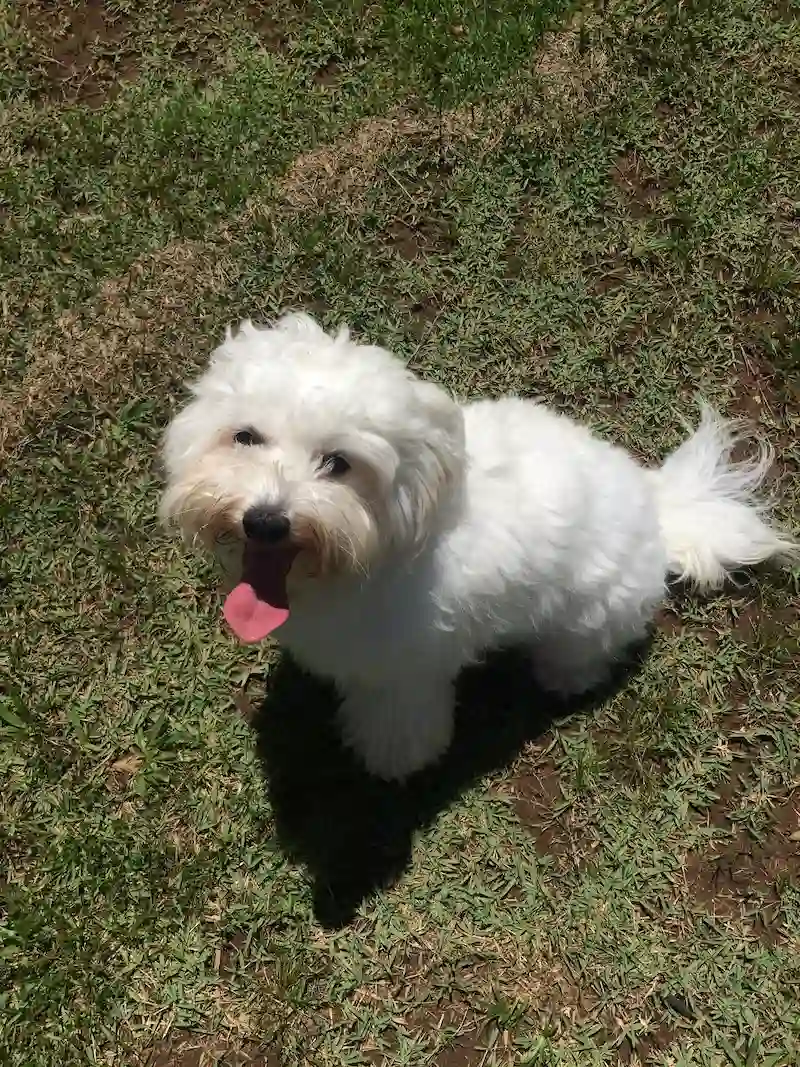 Murphy
 Valtersky
Meet Valtersky & Murphy
FOUNDER OF TEAM SKYTC
At SKYTC, Meet Valtersky & Murphy FOUNDER OF TEAM SKYTCAt SKYTC, cutting-edge pet technology meets real-world testing. We merge Murphy’s hands-on companion trials with Valtersky’s precise analysis—combining over 25 years of structural engineering background with health-tech experience.To guarantee reliability for all breeds, we collaborate with a trusted network of experienced large-breed tutors and active dog handlers who stress-test heavy-duty gear in rugged conditions. We raise the bar for review standards so your best friend gets only the safest, most functional, and highly reliable hardware on the market.
✨ Read also: Best GPS Dog Trackers for Labradors
A deeply technical piece of content that perfectly complements this post — absolutely worth the read.