
You are flying down a technical alpine trail, feeling like an absolute powerhouse, until a sharp, localized compression hits your patellofemoral joint. Every single step feels like a metal mallet striking your cartilage. If you want to know why steep downhills cause sudden knee pressure, you must look beyond lazy diagnoses like “weak quads” and address the raw mechanical shear forces tearing through your skeletal chassis.
In my years running grueling 42km+ mountain ultramarathons and checking joint spaces as a clinical X-Ray and CT scan technician, I have looked inside hundreds of degenerated knee capsules. Downhill running is essentially a series of controlled, high-velocity eccentric drops. Under a 3D CT scan reconstruction, you can literally see the patella being driven violently backward into the femoral groove when your alignment is off.
By understanding the exact structural and biological triggers behind this pressure, you will completely eliminate descent-induced knee pain. This means you can descend technical trails at maximum speed, preserve your precious knee cartilage for active longevity, and stop wasting hundreds of dollars on worthless orthopedic gadgets or useless compression sleeves.
In 30 Seconds: The Straight-Talk Verdict
Downhill running multiplies your body weight force by up to eight times on each stride. When you run down a steep slope, your quadriceps are forced to work in an eccentric (lengthening) state to act as brakes. If your hips are weak or you land with a straight leg, this massive braking force bypasses your muscles and slams directly into your knee joints.
The only real solution is to shorten your stride, run with a soft bent knee, and feed your joint-building cells with dense, high-protein fuels like pasture-raised red meat and saturated bone marrow to rebuild worn-down cartilage. Stop buying cheap braces and start fixing your biomechanical alignment and structural tissue health.
| Intervention | Structural Mechanism | Real Shock Reduction | The Catch | Clinical Verdict |
|---|---|---|---|---|
| Trekking Poles | Distributes force through latissimus and shoulder girdle | 15% to 20% | Requires proper technique; cheap aluminum poles bend instantly | Excellent for long mountain ultramarathons to spare your lower limbs. |
| Eccentric Quads Conditioning | Thickens patellar tendon and Vastus Medialis (VMO) structure | High (Long term) | Overdoing it triggers severe tendon inflammation | The absolute gold standard. You must train your quads to act as actual shock absorbers. |
| Maximalist Cushion Shoes | Dampens local ground impact forces passively | Low (Unreported/Varies) | Blocks sensory feedback, causing a harder heel-strike | A lazy, temporary fix. High-stack foam destabilizes your ankles on technical dirt. |
| Neoprene Knee Sleeves | Increases joint temperature and local proprioception | Near Zero | Offers absolutely no mechanical bone support | Useful only for keeping the joint warm; completely useless for stopping mechanical shear. |
The Battlefield Assessment: What Actually Works (And the Catch)
1. Carbon Trekking Poles
The Good: Using dual poles allows you to push off with your upper body, effectively transferring a massive chunk of the downhill impact force away from your patellar tendon and knee joint capsule.
The Bad: If you use cheap aluminum poles, they will bend or snap when wedged between wet rocks. They also require high arm coordination, and if you trip, you will faceplant on a technical descent.
2. Eccentric Strength Training (Spanish Squats)
The Good: Forcing your quadriceps to lift weight slowly in a lengthening phase triggers the remodeling of the patellar tendon and builds the braking power your legs need to absorb downhill impacts.
The Bad: If you perform these exercises with poor pelvic stability, you will shift the load away from the VMO and worsen patellar tracking issues, resulting in more knee pressure.
3. High-Stack Maximalist Trail Shoes
The Good: Thick, soft foam feels comfortable underfoot, offering a temporary cushion that can make running on hard-packed fire roads feel less painful.
The Bad: The wobbly, thick platform acts like a mattress under your foot. It blocks your brain’s ability to sense the ground, which can lead to rolled ankles and uneven force distribution through your knees.
4. High-Quality Compression Sleeves
The Good: Tight sleeves keep the knee joint warm, increasing the viscosity of the synovial fluid and boosting your brain’s spatial awareness of where your knee is landing.
The Bad: They offer zero physical structure to stop your knee from twisting sideways under heavy loads. If they are too tight, they bunch up behind your knee and cut off your popliteal blood flow.
The Realities of the Battlefield
Trekking poles and knee braces get massive technical praise in outdoor showrooms for offering mechanical stability during technical descents. But the reality is that cheap carbon-fiber shafts splinter instantly when wedged between wet river rocks, and budget knee braces slide down your sweaty shins within the first mile of a muddy trail run, leaving you with useless neoprene wraps around your ankles while your knee joints continue to absorb all the brutal braking force.
Highly cushioned trail shoes get technical praise from salesmen for saving your joints on long mountain runs. But the reality is that the ultra-soft, high-stack foam acts like a wobbly mattress under your feet on steep downhills, destabilizing your ankle alignment and forcing your patella to twist and grind sideways against your femur with every high-velocity stride.
The “Locked-Knee” Downhill Runner Failure Mode
Consider the typical road runner who decides to tackle a steep, 20% grade mountain trail. Because they are used to flat asphalt, they lean backward and run down the hill with their torso behind their hips. They strike the ground hard on their heels with their legs completely straight, locking their knee joints at the point of impact.
Instead of their quads and glutes absorbing the force, the impact shockwave bypasses their muscles entirely and slams straight into their joint cartilage. By the time they reach the bottom of the mountain, their knee caps are screaming, their synovial fluid is hot and inflamed, and they have caused severe micro-trauma to their patellofemoral joint space, leaving them unable to run for weeks.
Implementing Protocols on Why Steep Downhills Cause Sudden Knee Pressure
To eliminate descent-induced joint pressure, you must treat your lower body as a hydraulic shock-absorption system. In my years analyzing skeletal and vascular structures on CT scans, I have seen how poor alignment and lack of muscle mass cause the knee joint to absorb forces it was never designed to handle. Your knees are the middle joints in a complex kinetic chain; if your hips are weak and your feet are unstable, your knees will pay the price.
This is why your physical training must be paired with optimal, biological nutrition. To rebuild the worn-down collagen matrix in your patellar tendon and cartilage, your body demands highly bioavailable building blocks. You must skip the synthetic plant-based protein powders and feed your recovery with nutrient-dense, grass-finished red meat cooked in its natural fat.
This ancestral diet supplies your system with highly bioavailable iron, zinc, glycine, and essential cholesterol that form the structural foundation of your joint cartilage and cellular membranes. When you combine this metabolic fuel with proper downhill running mechanics and eccentric strength training, you build a resilient, high-performance skeletal chassis that can handle steep descents without pain.
The Actionable Field Checklist
- Solve why steep downhills cause sudden knee pressure by keeping your knees slightly bent at all times and landing with a mid-foot strike directly under your center of gravity.
Insider Observation: Landing with a straight leg and heel strike transfers 100% of the impact force directly into your joint cartilage. - Perform 3 sets of 45-second Spanish Squats twice a week to build massive eccentric braking power in your quadriceps.
Insider Observation: This targeted isometric exercise thickens your patellar tendon, making it highly resilient to downhill forces. - Shorten your stride and increase your cadence to at least 180 steps per minute when running down steep slopes.
Insider Observation: Taking quick, light steps distributes the impact forces across more muscles and prevents joint overloading. - Eat high-quality red meat cooked in its natural fats to supply your body with the clean amino acids and lipids needed to repair joint cartilage.
Insider Observation: Saturated fats and collagen from animal structures provide a slow, clean-burning fuel that speeds up joint recovery. - Keep your hips back and lean slightly forward from your ankles when descending steep, technical terrain.
Insider Observation: Leaning backward shifts all the braking force onto your knees; leaning forward engages your powerful glutes and hamstrings. - Use high-quality carbon trekking poles during long mountain trail sessions to reduce lower-limb impact by up to 20%.
Insider Observation: Ensure you adjust the poles so your elbows are at a 90-degree angle to maintain proper posture. - Ditch maximalist, high-stack running shoes on technical descents to improve your ankle stability and ground feel.
Insider Observation: A lower-profile shoe allows your foot to react quickly to the terrain, preventing knee-twisting alignments. - Incorporate single-leg step-downs on a slant board into your weekly strength routine to isolate and strengthen your Vastus Medialis (VMO).
Insider Observation: A strong VMO is the only muscle that can pull your patella back into its proper tracking groove. - Avoid taking synthetic pain killers (NSAIDs) immediately after a hard run to allow your body’s natural inflammatory healing response to work.
Insider Observation: NSAIDs temporarily numb pain but physically block your body from rebuilding damaged joint tissue. - Apply high-tension compression wraps or Voodoo Flossing to your knees for 2 minutes post-run to flush out accumulated fluid.
Insider Observation: Tight compression forces stagnant lymphatic fluid out of the joint capsule, accelerating fresh blood flow.
👇 Looking for more performance cheats? Check out our field-tested tactical guides:
SkyTC Master Hub & Pillar Guides
Dynamic No-Nonsense FAQ
Why does downhill running hurt my knees but uphill running does not?
Uphill running requires concentric muscle contractions, where your muscles shorten to push you upward, putting minimal shock on your joints. Downhill running forces your quadriceps to work eccentrically, meaning they must lengthen while under tension to act as brakes. This eccentric loading multiplies the impact forces by up to eight times, slamming the patella backward into your femur if your muscles are weak.
Can cheap knee braces from Amazon stop downhill knee pain?
No, they are a complete waste of money. Those cheap, thin neoprene sleeves offer absolutely no physical structure to stabilize your joint or stop your knee from twisting sideways under heavy loads. They are only useful for keeping the joint warm, which can improve lubrication, but they will not fix terrible running mechanics or weak quads.
How does a CT scan technician look at knee pressure differently than a trainer?
A trainer often looks only at your muscle strength and movement patterns. As a CT technician, I look at the internal joint space and bone density. I can see when your patella is riding too high or too low in its groove, which grinds away your articular cartilage with every single downhill step. I know that you cannot fix structural bone grinding with over-the-counter supplements; you must fix your biomechanical alignment.
Does running in highly cushioned shoes save your knees on steep descents?
No, it is a dangerous illusion. While thick foam feels comfortable underfoot, it blocks the sensory feedback from your feet, causing you to strike the ground harder with a straight leg. The soft, unstable platform also allows your ankles to roll inward, forcing your knees to twist and absorb all the rotational shear forces that the shoes failed to dampen.
Why is red meat better for joint recovery than plant-based protein?
Your joints are made of collagen, which requires highly specific amino acids like proline, glycine, and hydroxyproline to rebuild. Red meat, especially cuts with connective tissue, contains these proteins in their most bioavailable forms alongside natural saturated fats. Plant proteins lack this amino acid profile and often come with inflammatory anti-nutrients that can worsen joint pain.
How can I naturally reduce joint inflammation after a long trail run?
Avoid taking synthetic pain killers (NSAIDs), as they block your body’s natural tissue-repair signals. Instead, focus on active recovery: perform gentle, low-impact movements like walking on soft grass to pump out stagnant fluid, and feed your system with rich, anti-inflammatory animal fats and marrow-rich bone broth to support cellular rebuilding.
Can trekking poles prevent long-term knee cartilage degeneration?
Yes, absolutely. By distributing a significant portion of your body weight and impact force through your shoulders, lats, and arms, trekking poles reduce the peak forces acting on your knee joints by up to 20%. This small reduction adds up over thousands of downhill steps, preserving your articular cartilage for active longevity.
What is the single best exercise to build downhill braking power?
The single best exercise is the Spanish Squat. By looping a heavy resistance band behind your knees and squatting down while keeping your shins completely vertical, you isolate your quadriceps in a deep eccentric hold. This intense loading stimulates tendon remodeling and builds the massive braking power your legs need to absorb downhill impacts safely.
Why Trust SkyTC Biohacking Curation?
At SkyTC, we treat the human body as your most valuable technology. We are not just a recommendation site; we apply a rigorous clinical and practical screening process to ensure that each recommendation optimizes your biology with safety and real-world results.
✓ Technical Expertise:
Clinical experience in Radiology and Tomography (CT scans). We analyze methods through the lens of bone health and structural integrity.
✓ Specialization:
Focus on real-world biohacking. We test every wearable and supplement at the absolute limit of effort during marathons and on the mats.
✓ Authority:
Curation based on absolute transparency, always highlighting both the positive advantages and the real drawbacks of every technology.
✓ Trust:
A curation process built directly on the professional experience of a field practitioner, speaker, and high-performance leader coach.
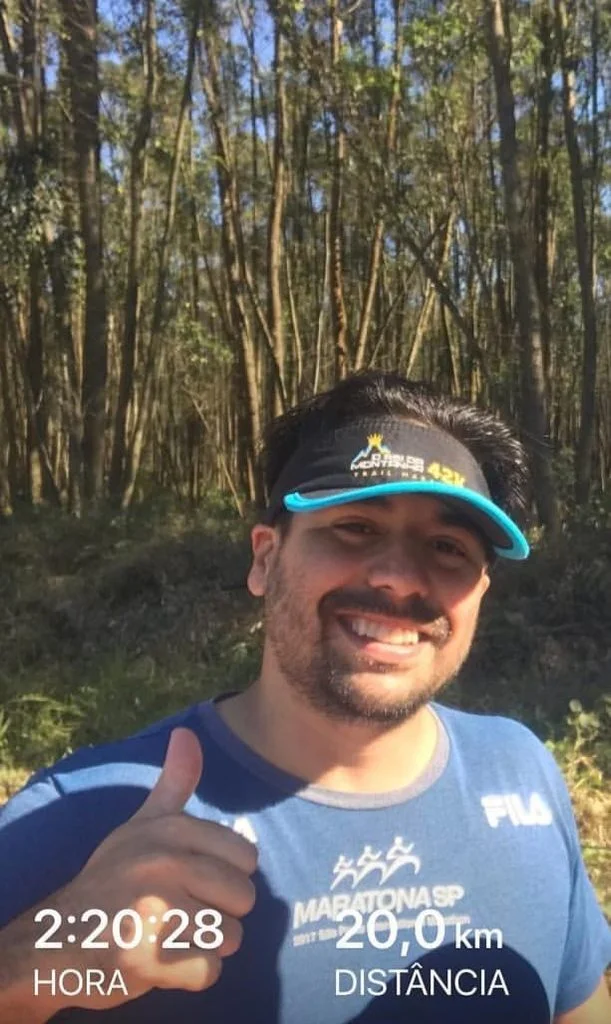
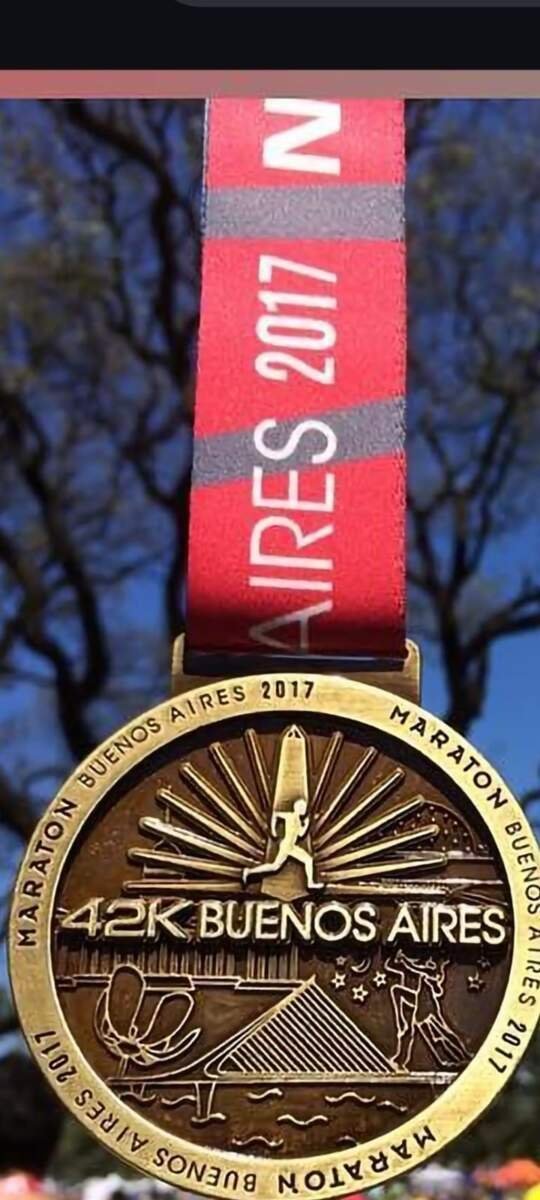

Optimizing the body demands the clinical precision of someone who operated in Radiology (Brazilian Board Certified, CRTR-SP 23595T) for years, combined with the unyielding resilience of someone who conquered multiple 42km+ mountain marathons. As an active professional, multi-pet handler, and tech benchmark researcher, at SkyTC, we bridge advanced technical science with extreme practical environments to help you biohack your active performance, optimize smart pet-tech ecosystems, and protect your structural longevit
Discover my full professional trajectory →✨ Read also: Natural Fixes For Swollen Knees After Long Runs: The Clinical Recovery Blueprint
A deeply technical piece of content that perfectly complements this post — absolutely worth the read.